Director of the Institute featured in the Christmas edition of “Green Line”
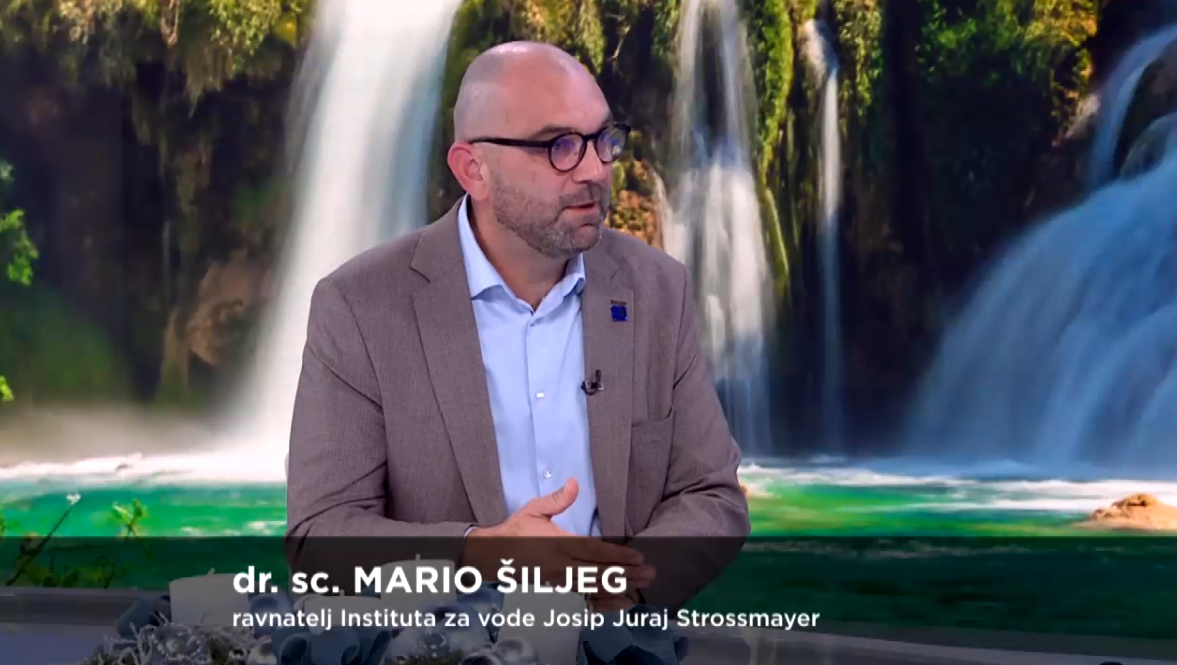
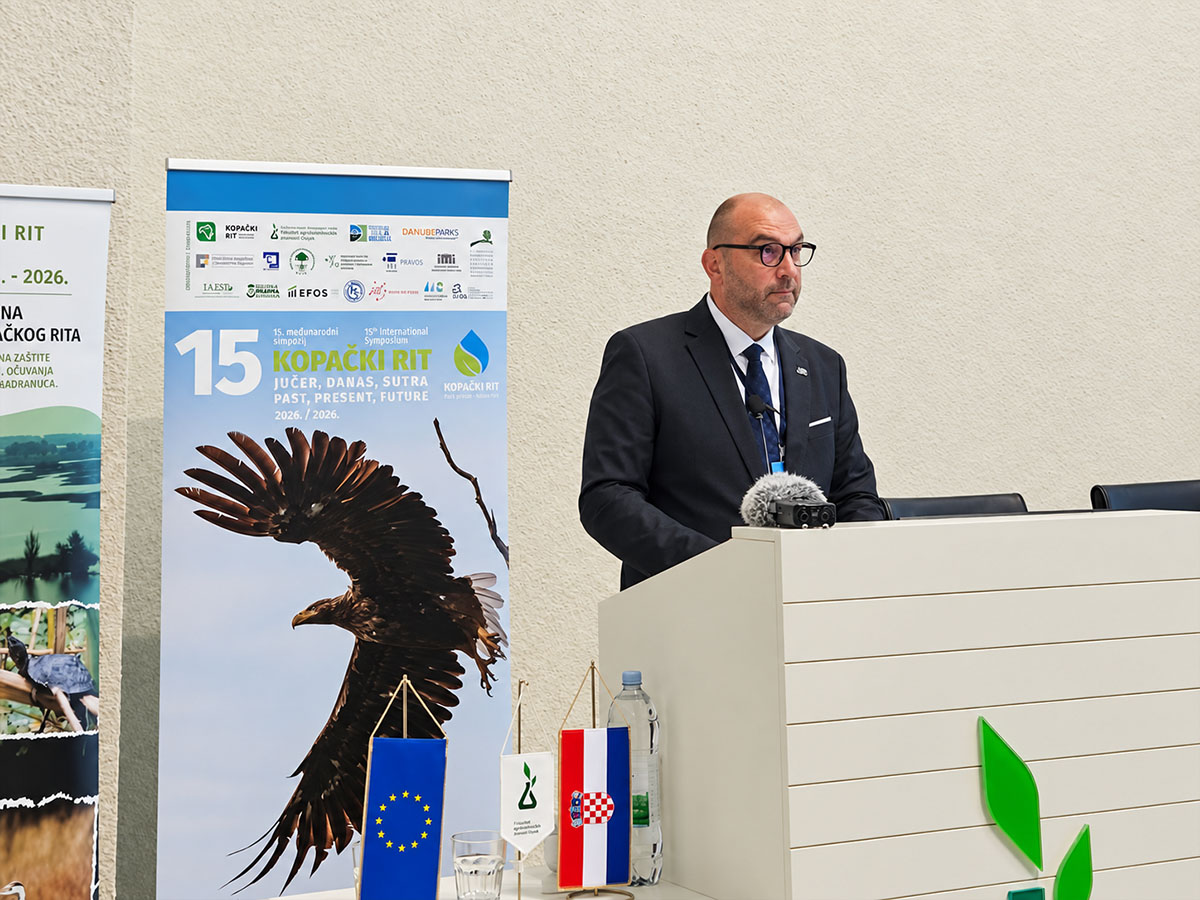
In the Christmas edition of the programme Green Line, the Director of the Institute, Mario Šiljeg, appeared as a guest. He discussed environmental and climate issues, with a particular focus on water, as well as the responsibility of society and the direction in which we are moving as a community.
In the Christmas edition of the programme Green Line, the Director of the Institute, Mario Šiljeg, appeared as a guest. He discussed environmental and climate issues, with a particular focus on water, as well as the responsibility of society and the direction in which we are moving as a community.
The starting point of the discussion was Pope Francis’ encyclical Laudato si’, understood not as a religious text, but as a powerful social call to all those involved in shaping public policies and our shared future. He emphasized that the ecological crisis cannot be separated from social injustice, as its consequences most severely affect those who have contributed to it the least. Special attention was given to water as a fundamental human right and one of the key indicators of genuine social justice.
Referring to the Croatian context, he stressed that the abundance of water resources alone does not guarantee security if they are not managed responsibly. According to available data, approximately half of the abstracted water in the public water supply system is lost, representing a serious economic and environmental challenge. Although European policies increasingly encourage the reduction of such losses, climate objectives still lag behind the scale of changes that we are already experiencing. For this reason, he noted, the issue of water is not merely technical, but a profoundly ethical question concerning our relationship with space, people, and future generations.
In this context, he also mentioned his book Camino – When the Mask Slips, describing it as a personal reflection on limits, responsibility, and the need for a different relationship with the world. As he emphasized, the book is not separate from public issues, but rather deepens them through the lens of personal responsibility and maturity.
In conclusion, he stated that knowledge and technology exist, but without an ethical framework and social justice, they cannot bring about real change. Hope, he emphasized, is not naïve—it is a responsible decision to initiate change in time.