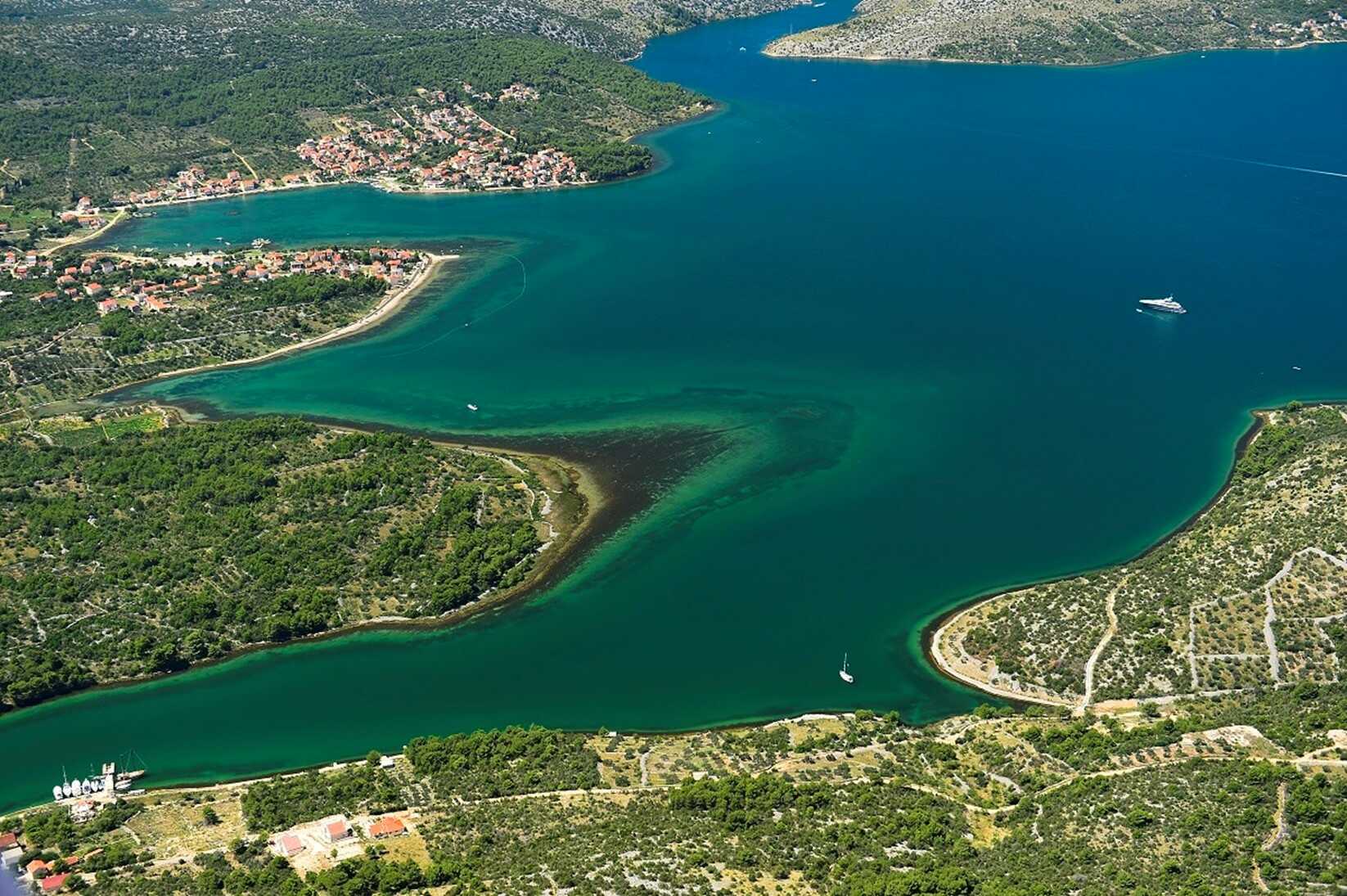
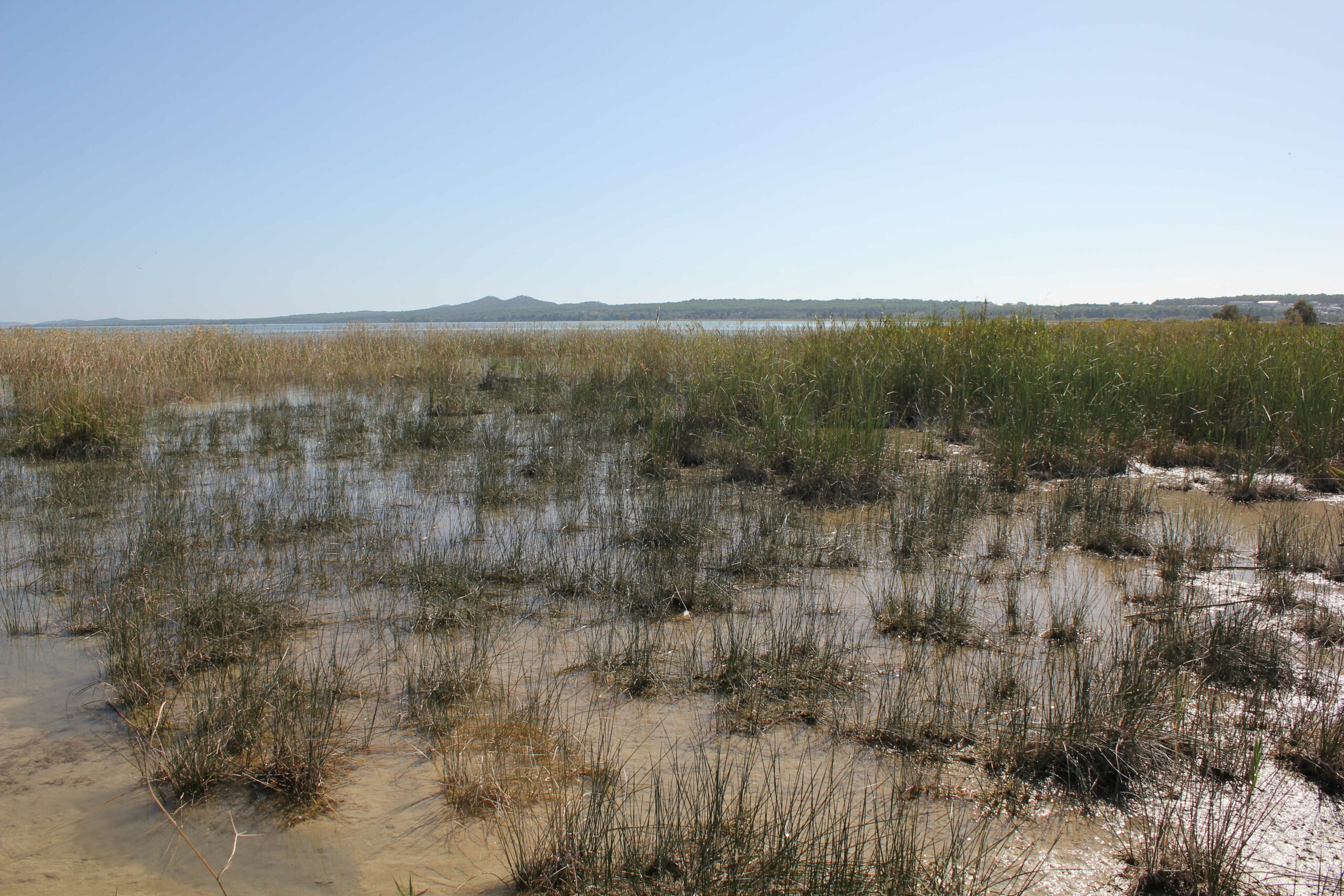
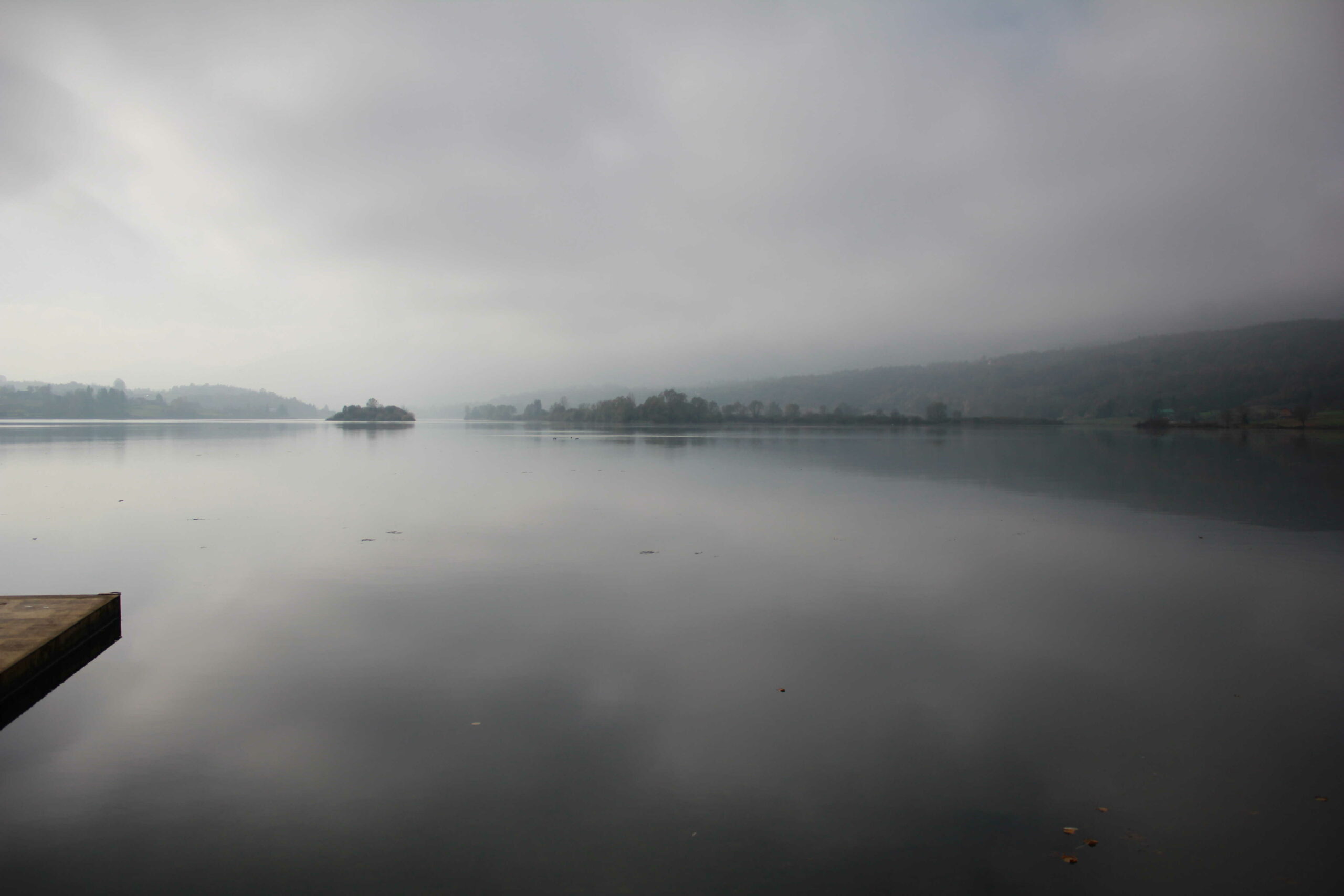
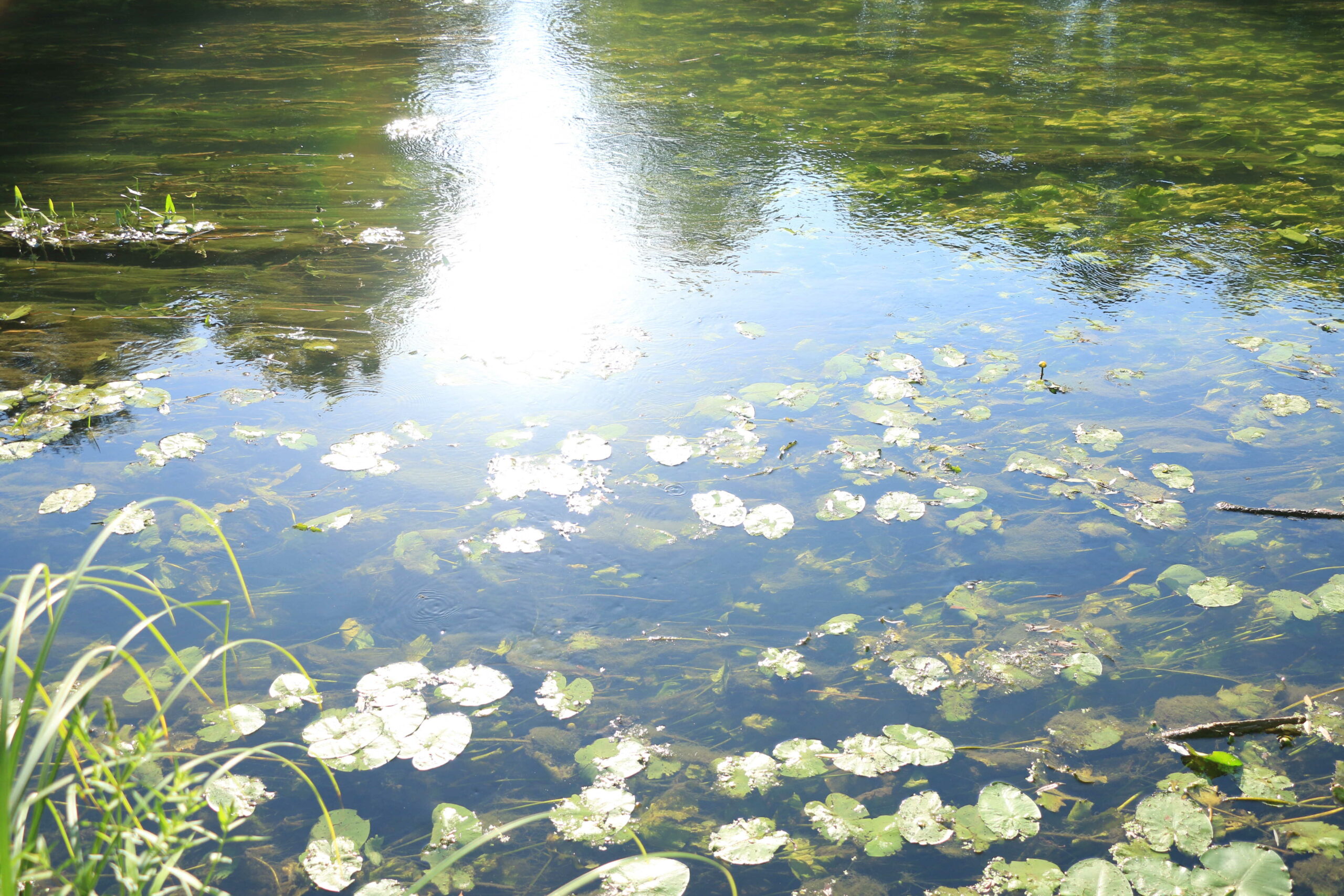
Not far from Šibenik, in the lower course of the Krka River, lies Prokljan Lake, the second largest lake in Croatia, covering approximately 11 km². Although commonly called a lake, it is, in scientific terms, an estuarine expansion of the Krka River where riverine and marine influences converge.
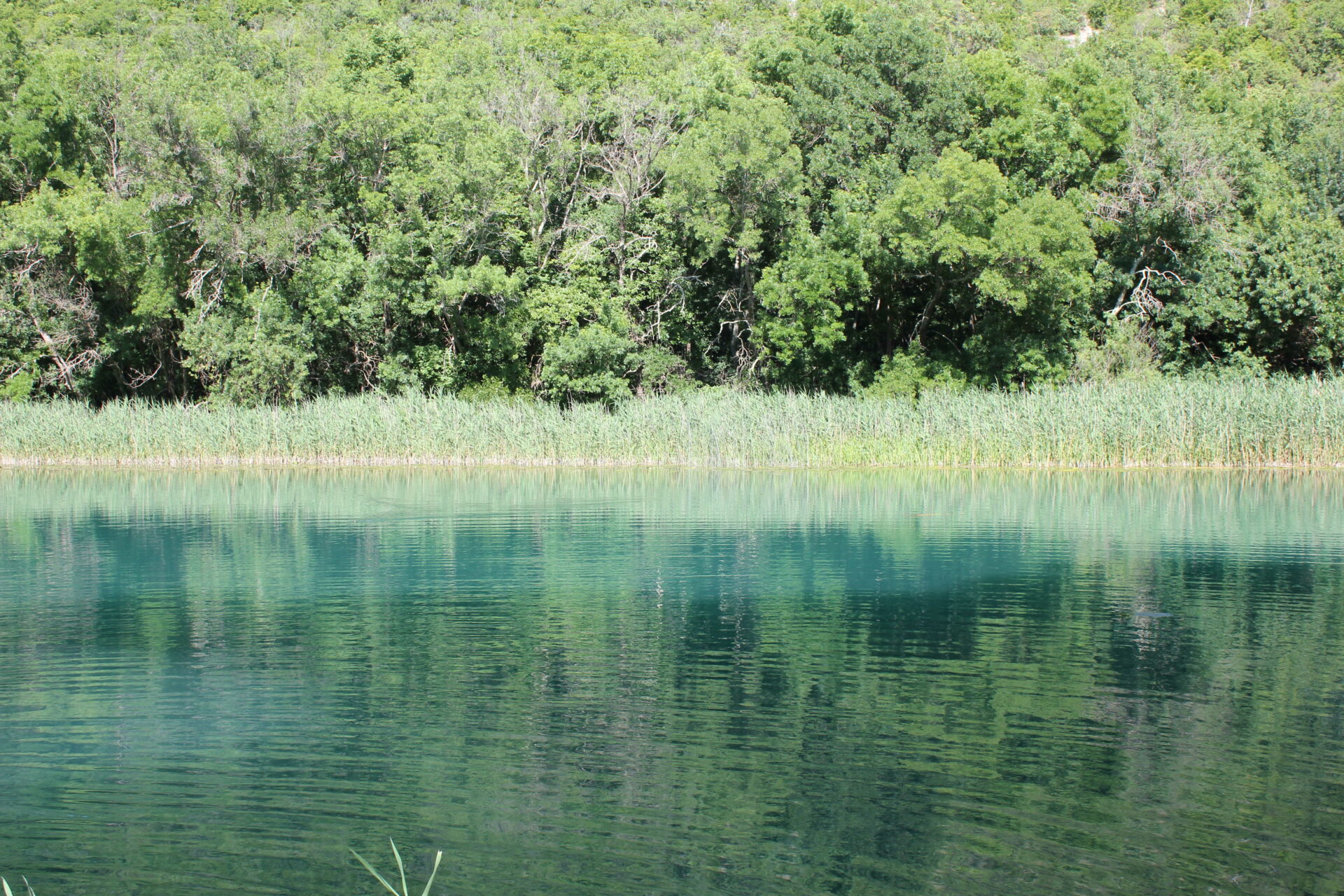
Situated within the protected area of Krka National Park, the lake is fed by the Krka and Guduća rivers and is connected to the Adriatic Sea through the Prokljan Channel near the town of Zaton. A lighter layer of freshwater remains at the surface, while denser seawater occupies the deeper layers, creating a stable stratification that significantly influences ecological processes. The maximum depth of the lake is about 25 metres, while the channel reaches depths of over 36 metres. The meeting of fresh and salt water supports rich biodiversity, with around 150 bird species recorded in the area. The channel is also known for the farming of sea bream, sea bass, and mussels, although heavy rainfall and sudden inflows of freshwater can disrupt the salinity balance. Due to the periodic intrusion of seawater into deeper layers, typical freshwater fish species are absent.
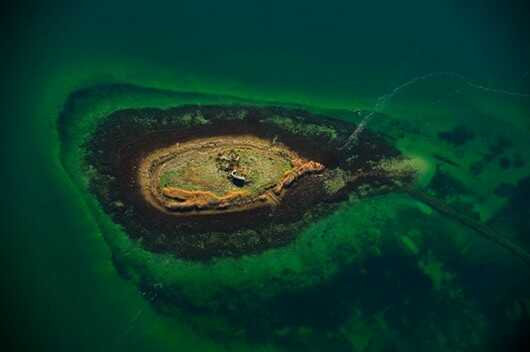
A distinctive feature of Prokljan Lake is its cryptodepression: its surface lies above sea level, while its bottom is below sea level. In the central part of the lake stands the small islet of Stipanac, with the remains of the Church of St Stephen. The islet is associated with the legend of Gavan and Gavanuša, wealthy spouses whose courts, according to oral tradition, were submerged after Gavanuša insulted a beggar who was actually a disguised angel. Although not a historical fact, the legend remains a lasting part of local cultural heritage, and residents still refer to the islet as Gavan’s Courts.
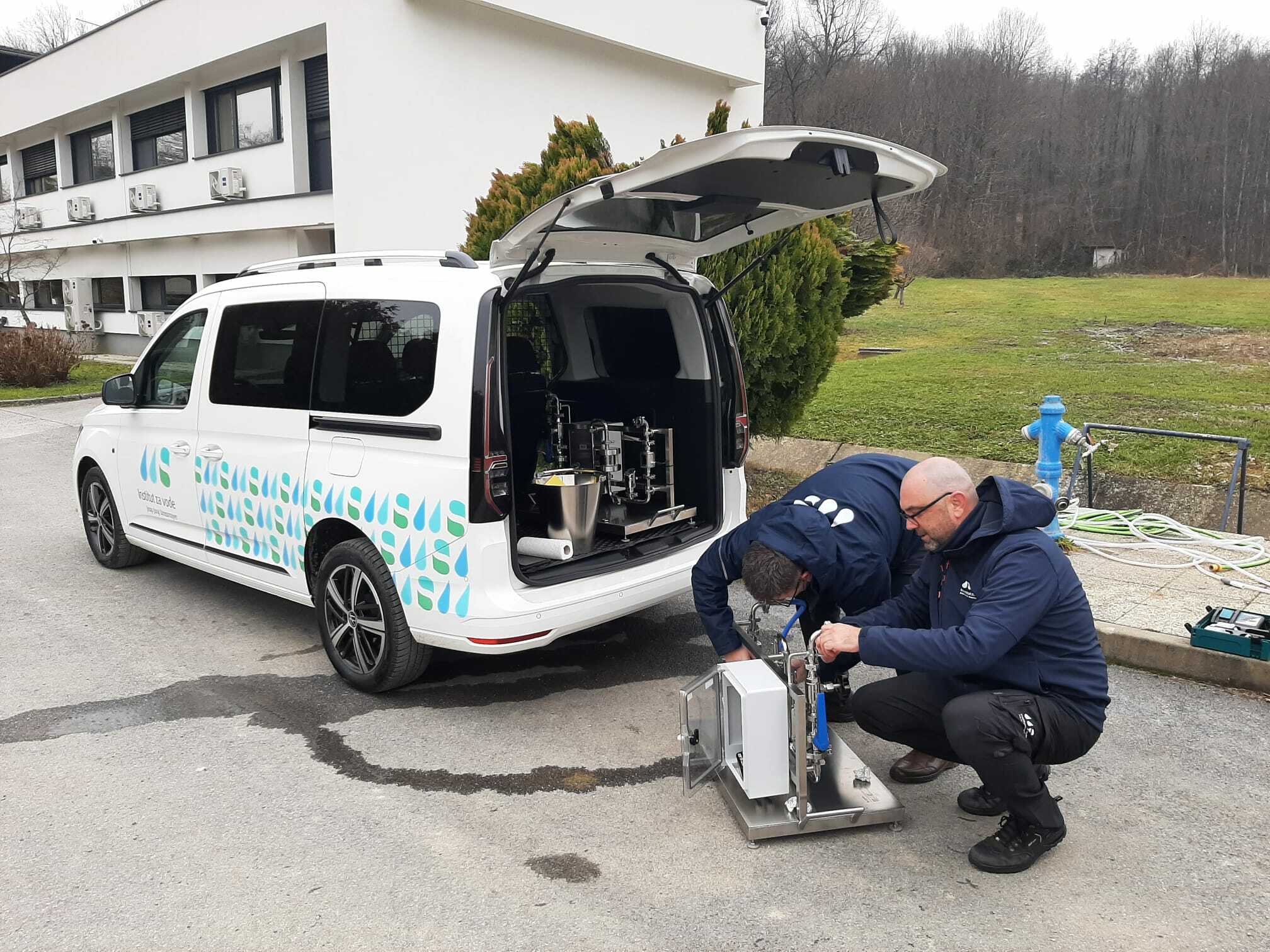
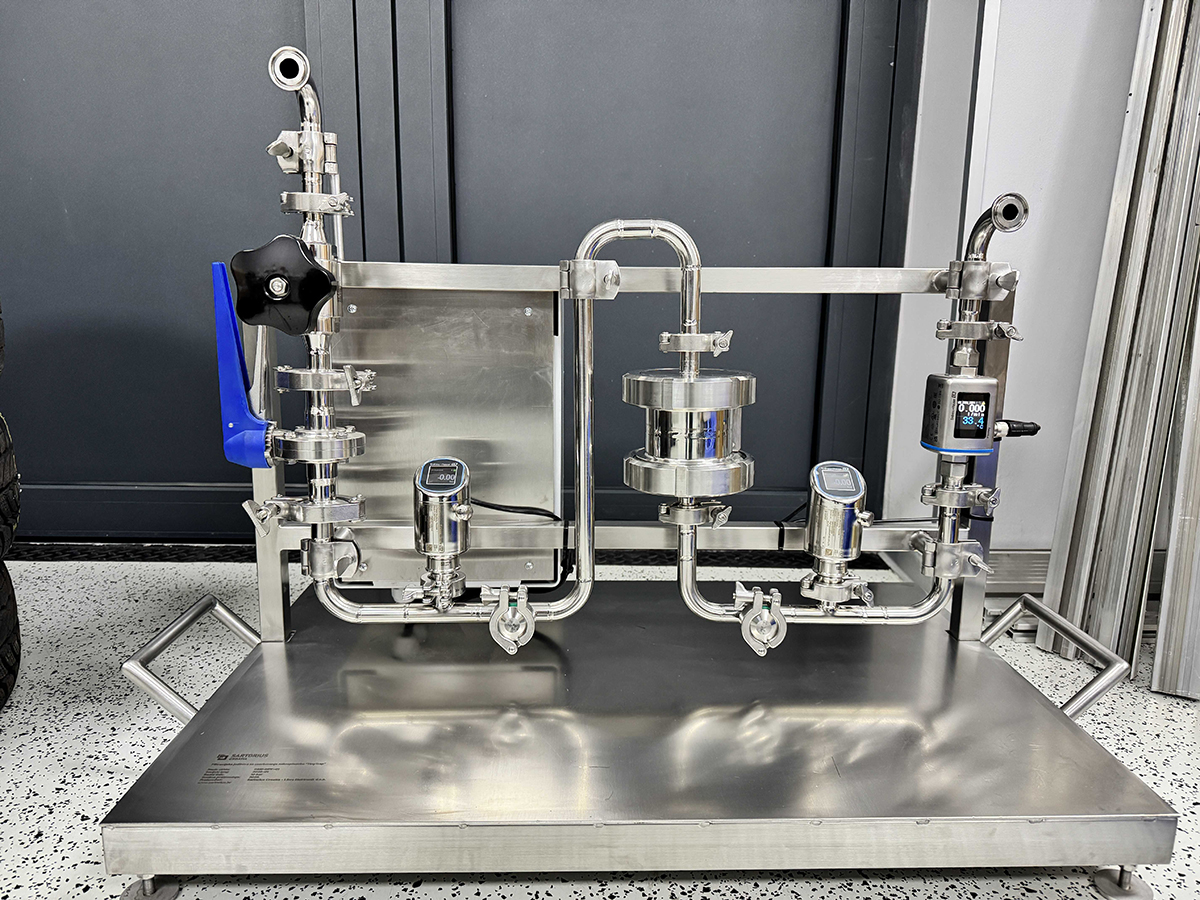
Due to the delicate balance between freshwater and seawater, Prokljan Lake requires continuous monitoring. Josip Juraj Strossmayer Water Institute conducts systematic water quality monitoring at stations along the Krka River and Prokljan Lake and assesses the ecological and chemical status of this unique estuarine system.
Text prepared by: Lucija Podrug