Benzene is one of the most widespread volatile organic compounds, entering the air and water daily, often without our awareness. It is colourless, evaporates quickly, and has a sweet odour. In nature, it is released during volcanic eruptions and wildfires, but by far the largest source is human activity. It enters the environment from industrial facilities, traffic, wood combustion, and cigarette smoke. It is present in petrol, solvents, paints, and adhesives, and because of its rapid evaporation, it easily disperses into the air and settles on the ground, where it can contaminate groundwater – especially in cases of fuel leakage.
In industry, benzene is important as a raw material for producing rubber, plastics, detergents, pharmaceuticals, and pesticides. However, it is also hazardous. Long-term inhalation of or contact with benzene can damage blood cells and bone marrow and increase the risk of cancer. Workers in industrial settings and smokers are most exposed, as tobacco smoke contains significant amounts of benzene.
Benzene is harmful not only to humans but also to aquatic organisms, and in the air it can react with other substances to form ground-level ozone, which irritates the respiratory system. For this reason, its use is legally restricted, and its concentrations are closely monitored.
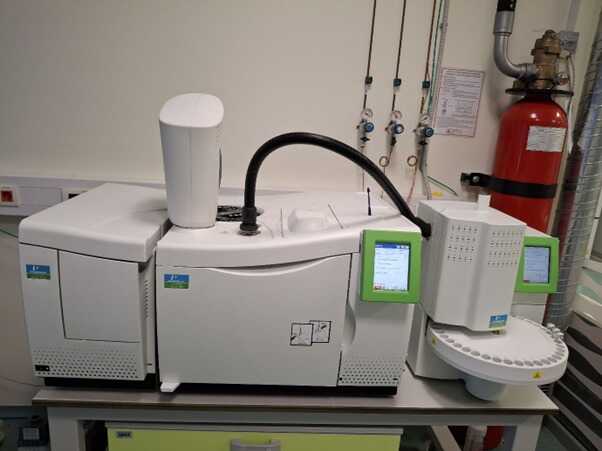
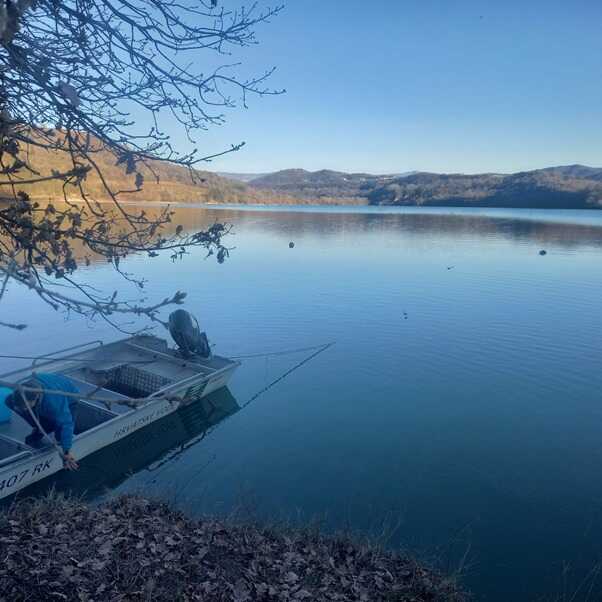
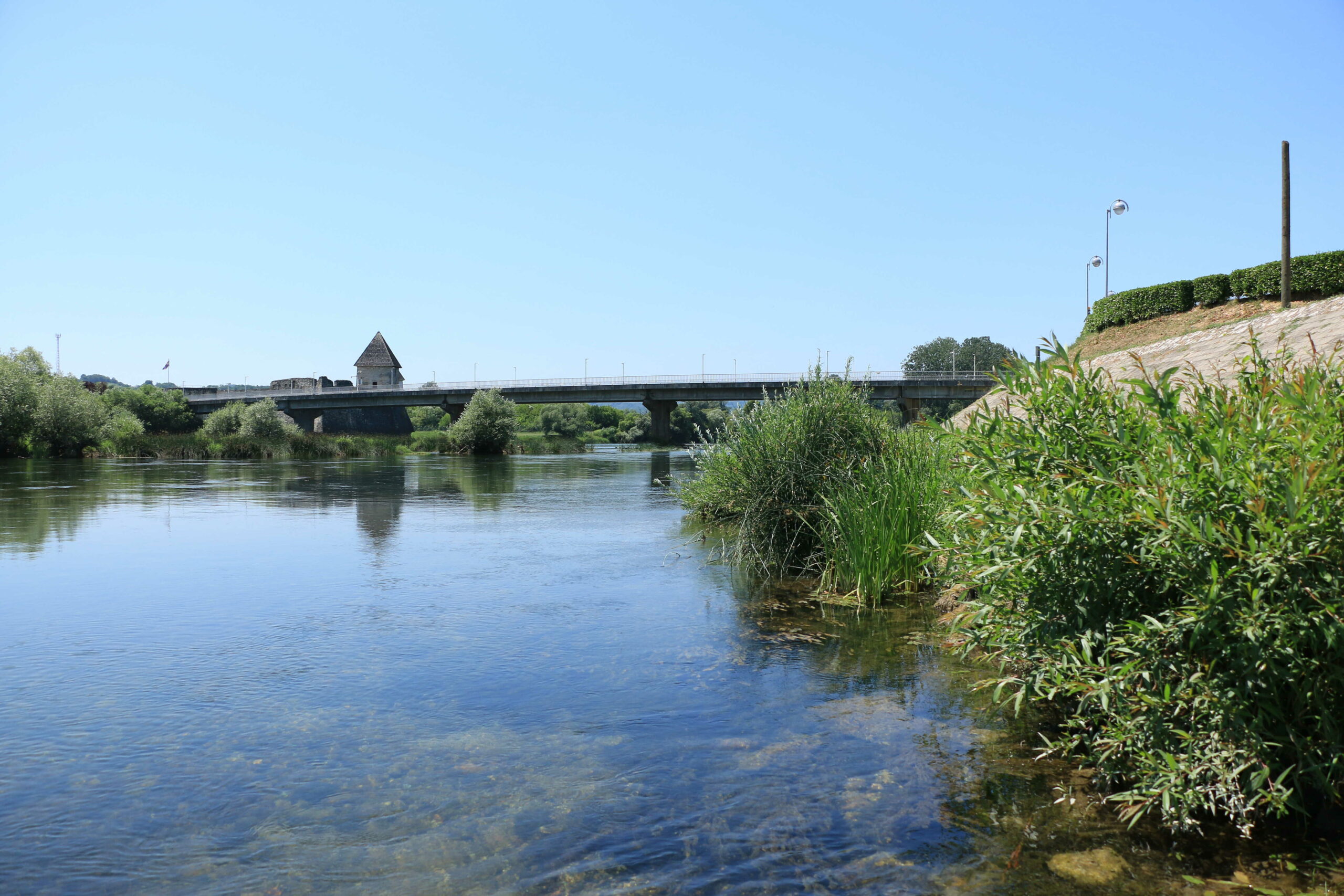
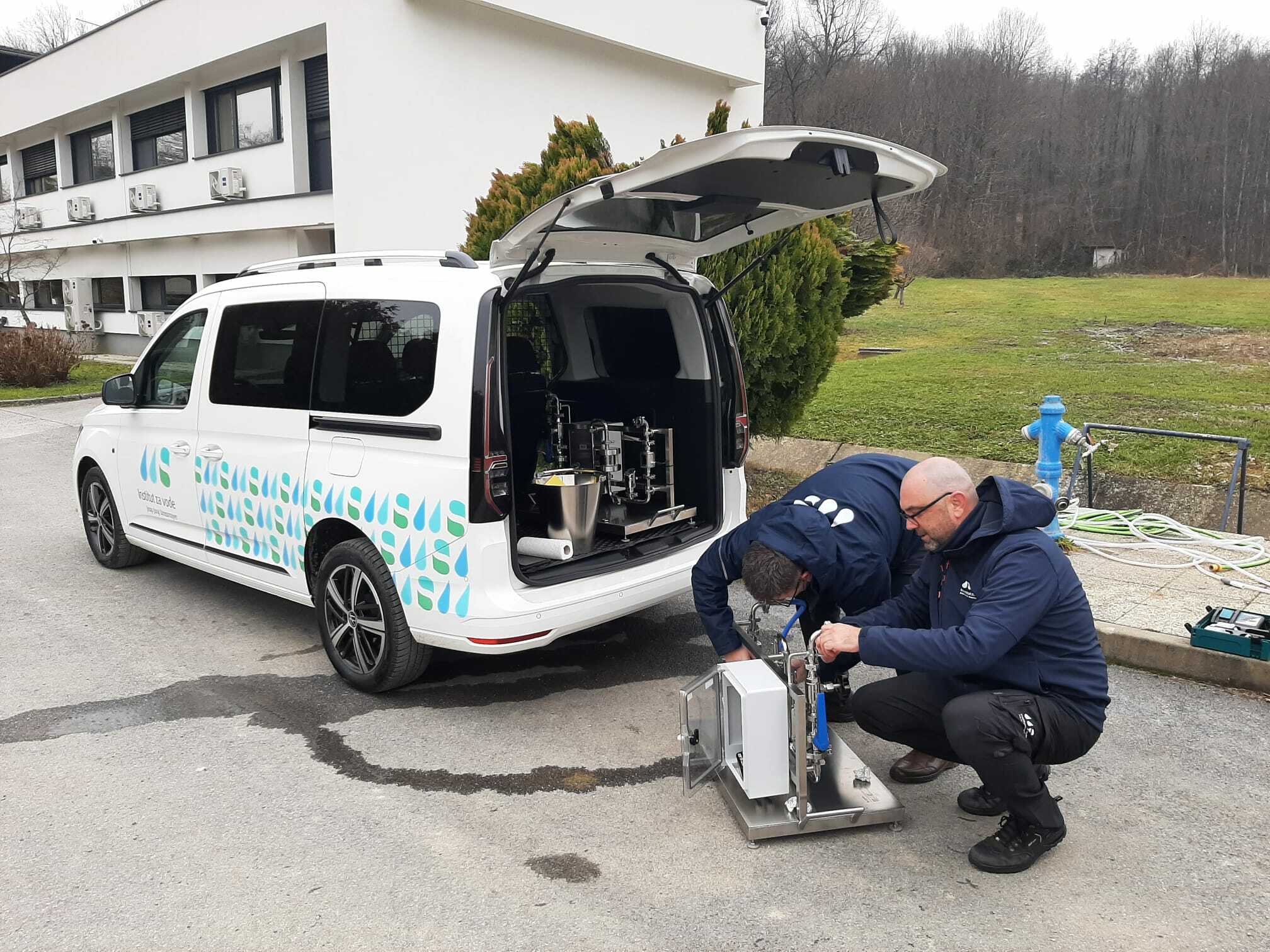
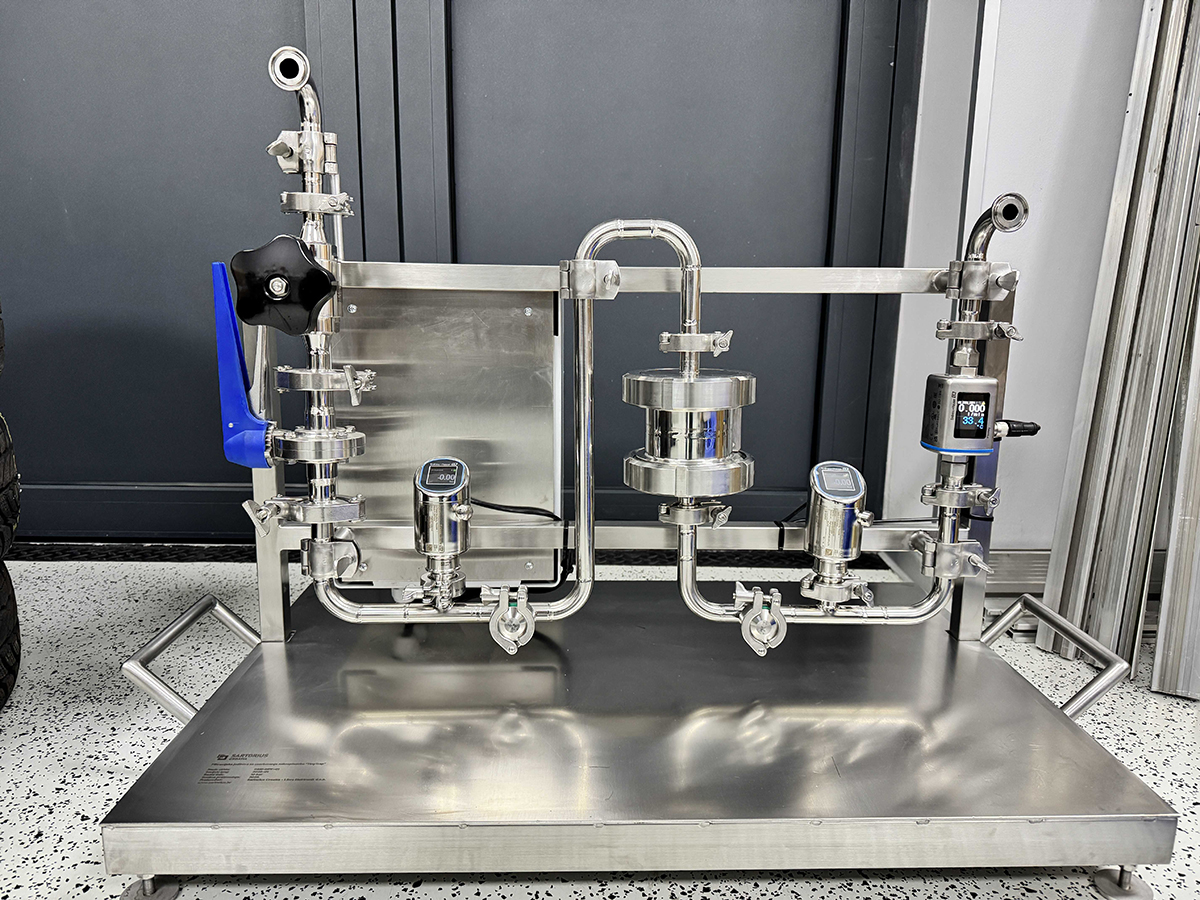
Josip Juraj Strossmayer Water Institute regularly monitors the presence of benzene and other volatile compounds in water and air using gas chromatography and mass spectrometry. Measurement results from recent years show that hydrocarbon concentrations at most monitoring sites have been below permitted limits. This continuous monitoring helps protect the environment and reduce risks to people and nature.
The results mentioned are available at the provided link.