Microplastics are now ubiquitous in the environment—they are found in seas, rivers, soil, and even in the air. They consist of very small plastic particles, often invisible to the naked eye, which originate from the degradation of larger plastic items or are released into the environment already in this form. Although microplastics are increasingly discussed, their reliable detection in different types of water still represents a major analytical challenge.
One of the main reasons lies in the water sampling process itself. Unlike conventional analyses, microplastic studies require the collection of significantly larger volumes of water—often several hundred or even thousands of liters—because these particles occur at very low concentrations. At the same time, it is crucial to prevent particle loss and avoid additional contamination from air, clothing, or equipment.
Sampling water intended for human consumption is particularly complex, as it is collected from taps, reservoirs, or water treatment facilities. Such procedures must be precise, controlled, and repeatable, while also being sufficiently practical for implementation under real field conditions.
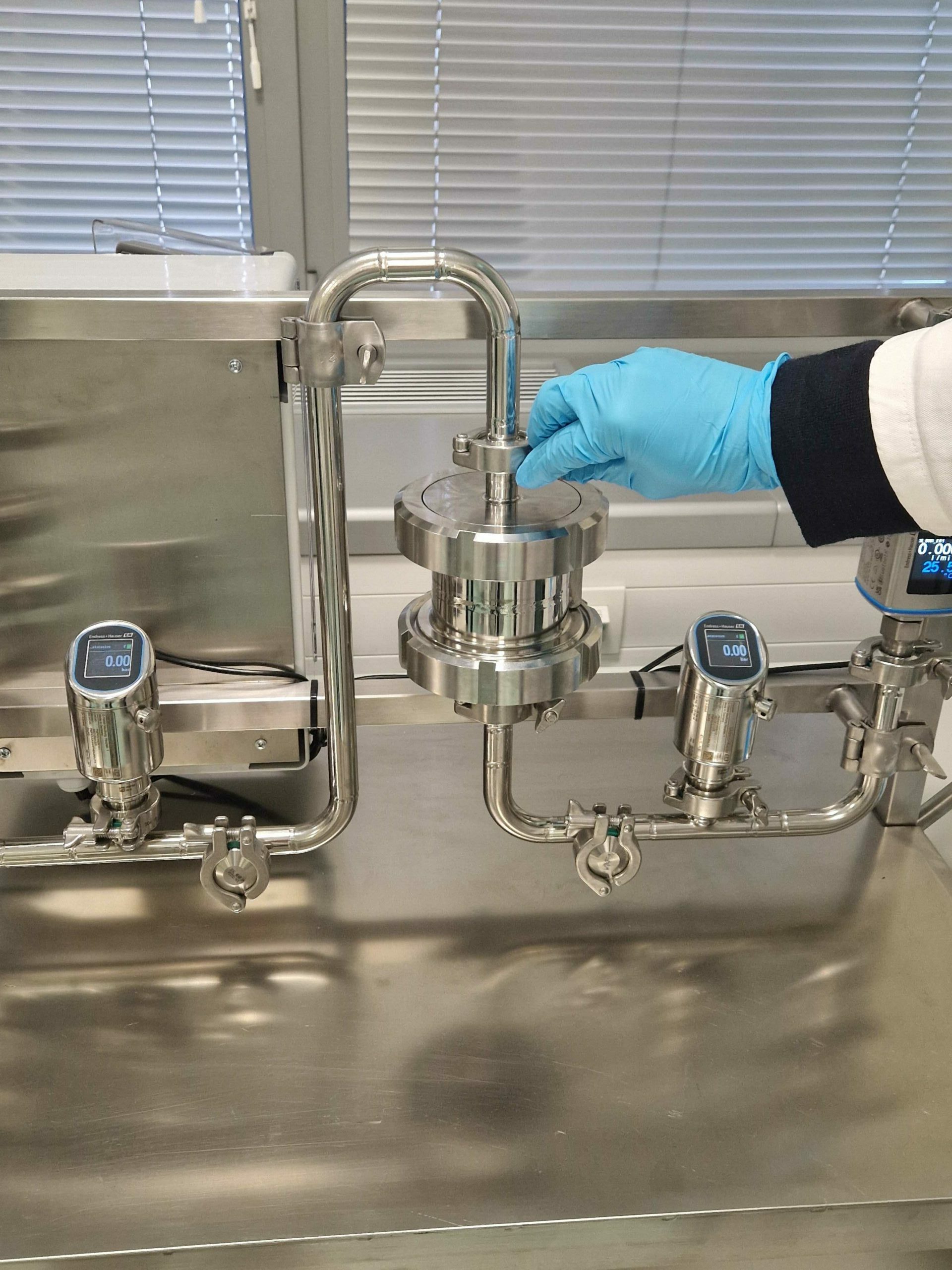
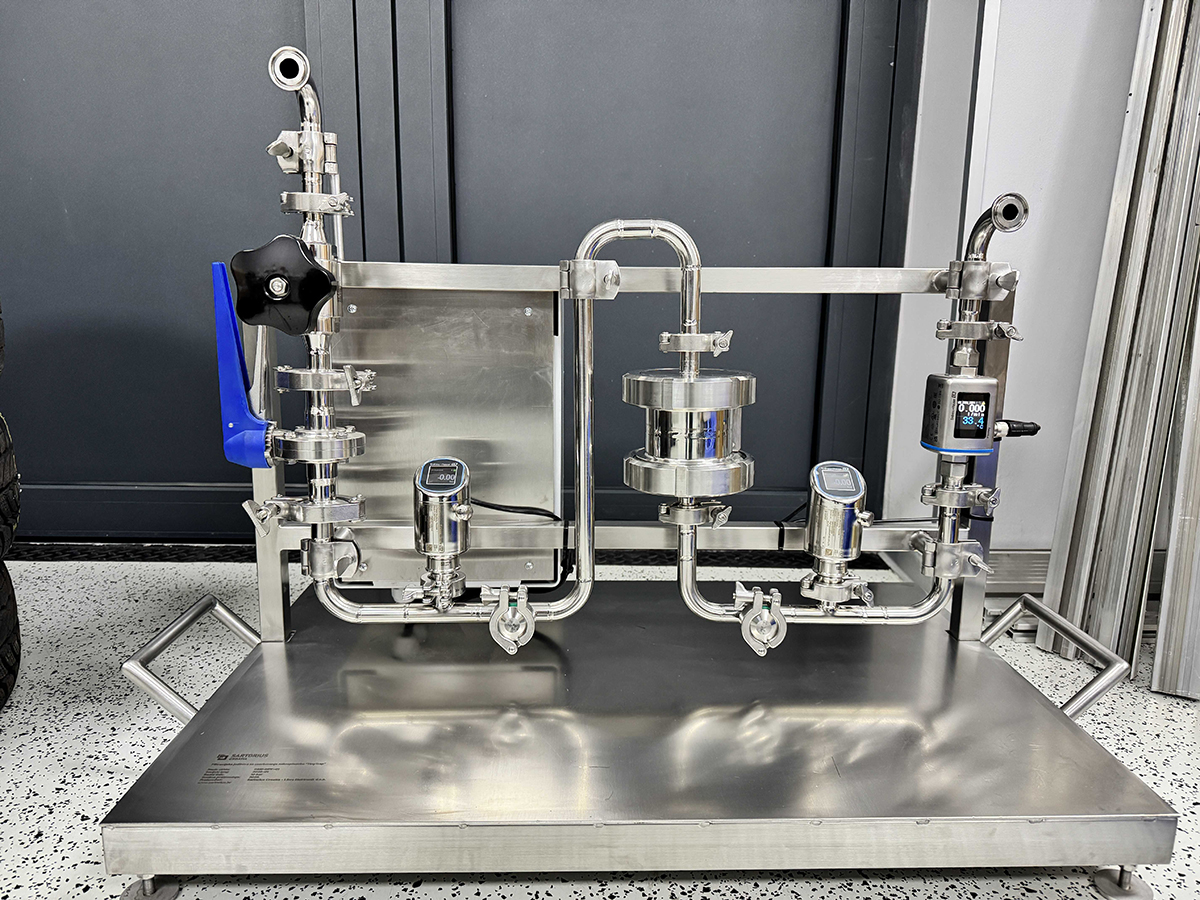
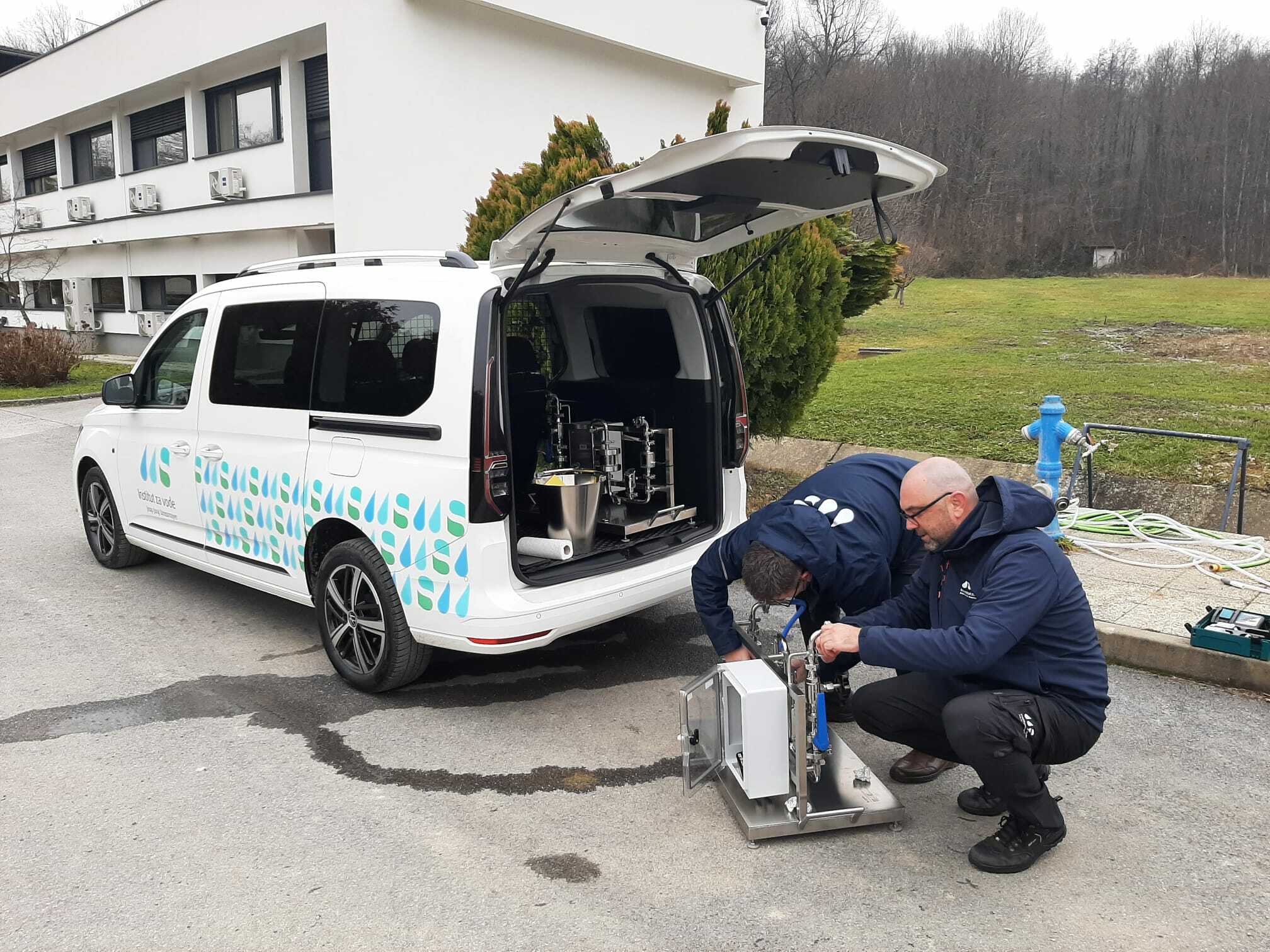
To address these challenges, the Main Water Laboratory of the Josip Juraj Strossmayer Water Institute has developed an internal microplastics sampling system, informally known as TinyTrap. This research tool enables the capture of fine microplastic particles from large volumes of water. The system’s official technical name is the DSSI-MPF System, developed through collaboration between the Institute’s research team and its partner Sartorius Croatia – Libra elektronik d.o.o., based on local expertise and the practical needs of laboratory work.
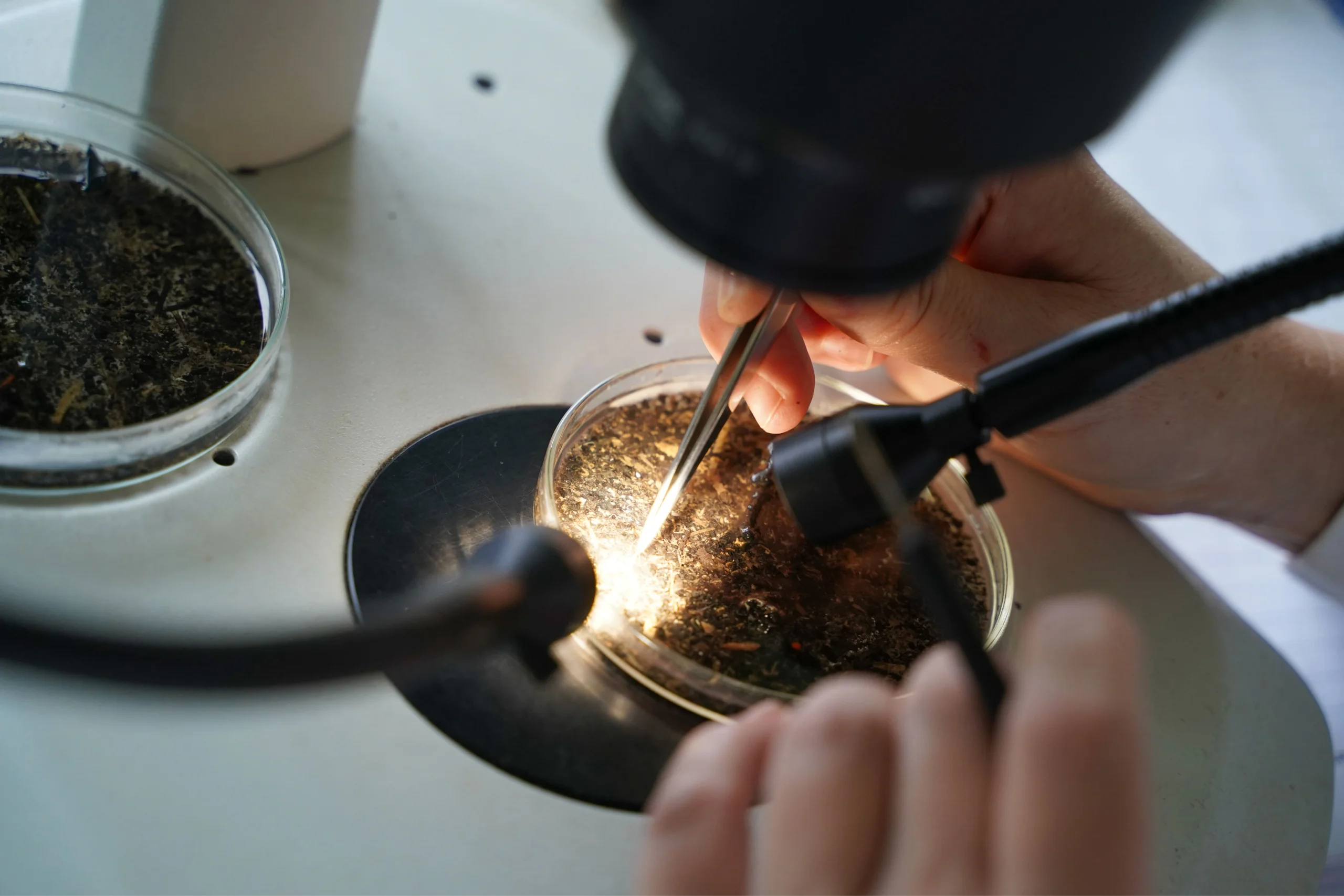
It is important to emphasize that TinyTrap is not a drinking water treatment device, but a tool designed for sample collection and preparation for further analysis. As water passes through the system, microplastic particles are retained on a specially selected medium, which is subsequently analyzed using advanced techniques such as Raman spectroscopy. This approach provides reliable data on the amount, number, size, and type of microplastics present in water.
The development of the system required a thorough understanding of the entire analytical process—from field sampling to laboratory processing. Particular attention was given to material selection and design solutions in order to minimize the risk of sample contamination and ensure high reliability of results.
Although TinyTrap was developed as an internal system, its contribution to scientific and professional research is significant. Reliable data on the presence of microplastics represent the first step toward understanding their true extent and potential impact on the environment and human health. At the same time, this system demonstrates how complex global challenges can be successfully addressed at the local level—through innovative, practical solutions derived from laboratory experience and expert knowledge.