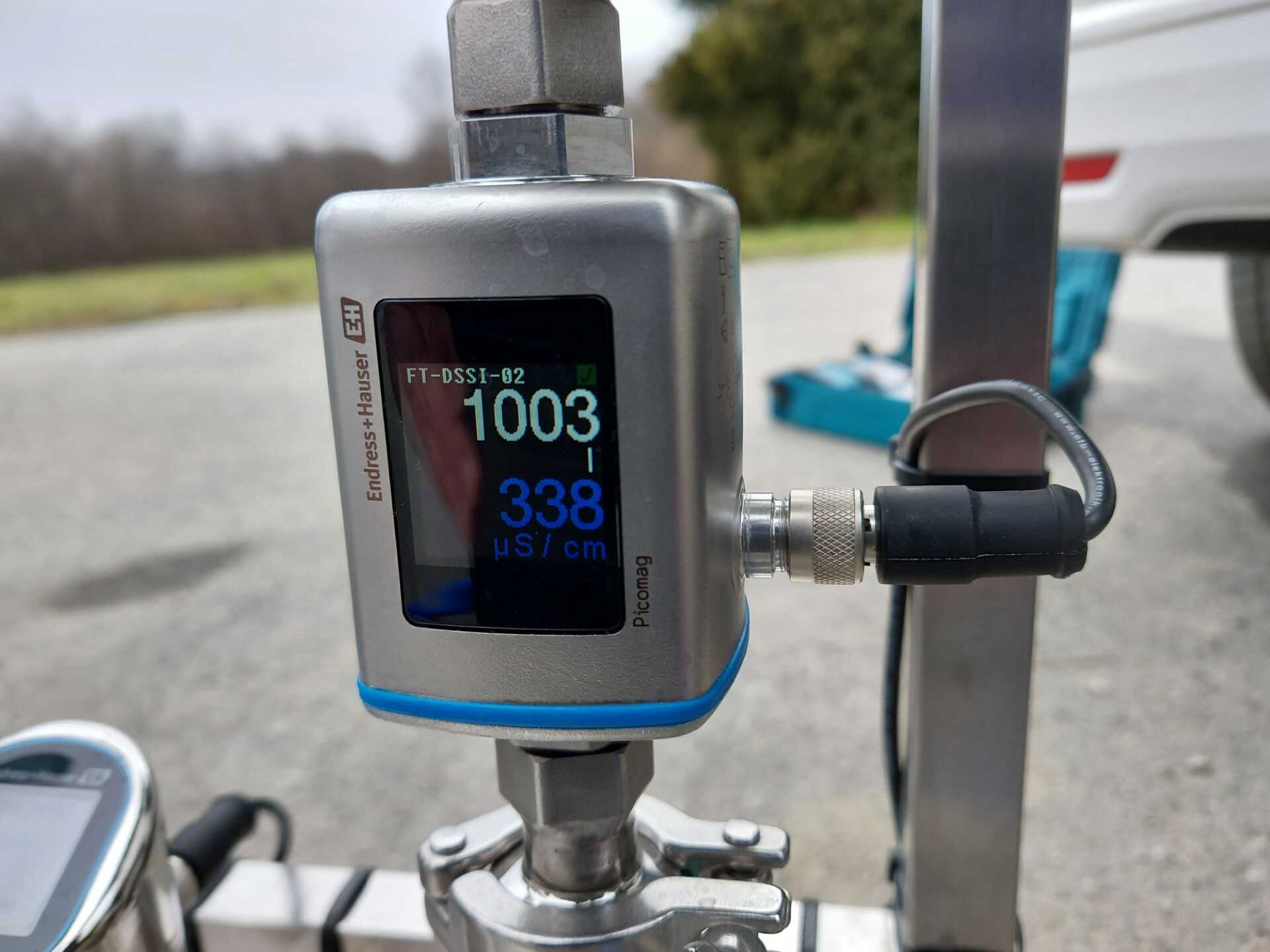
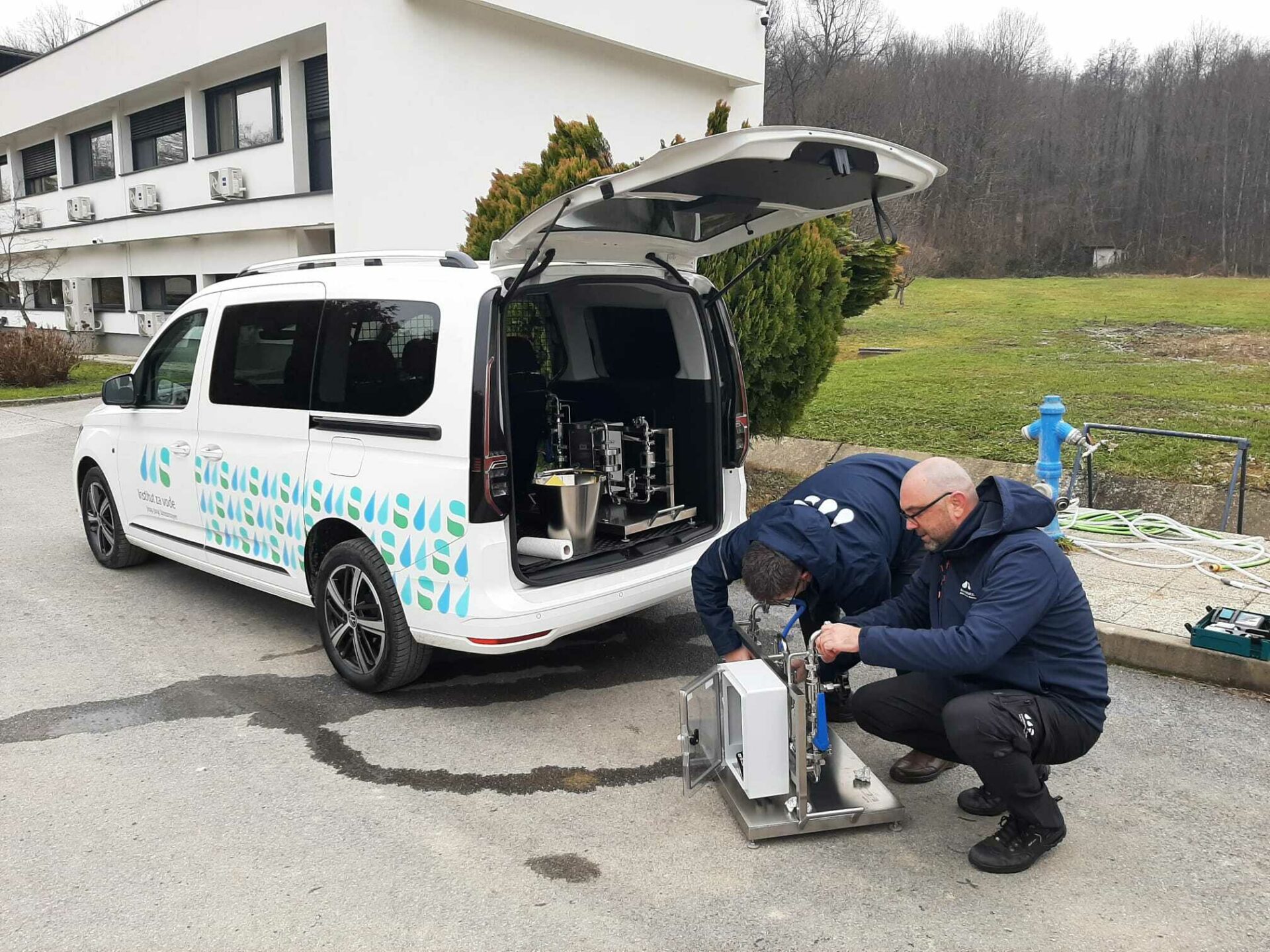
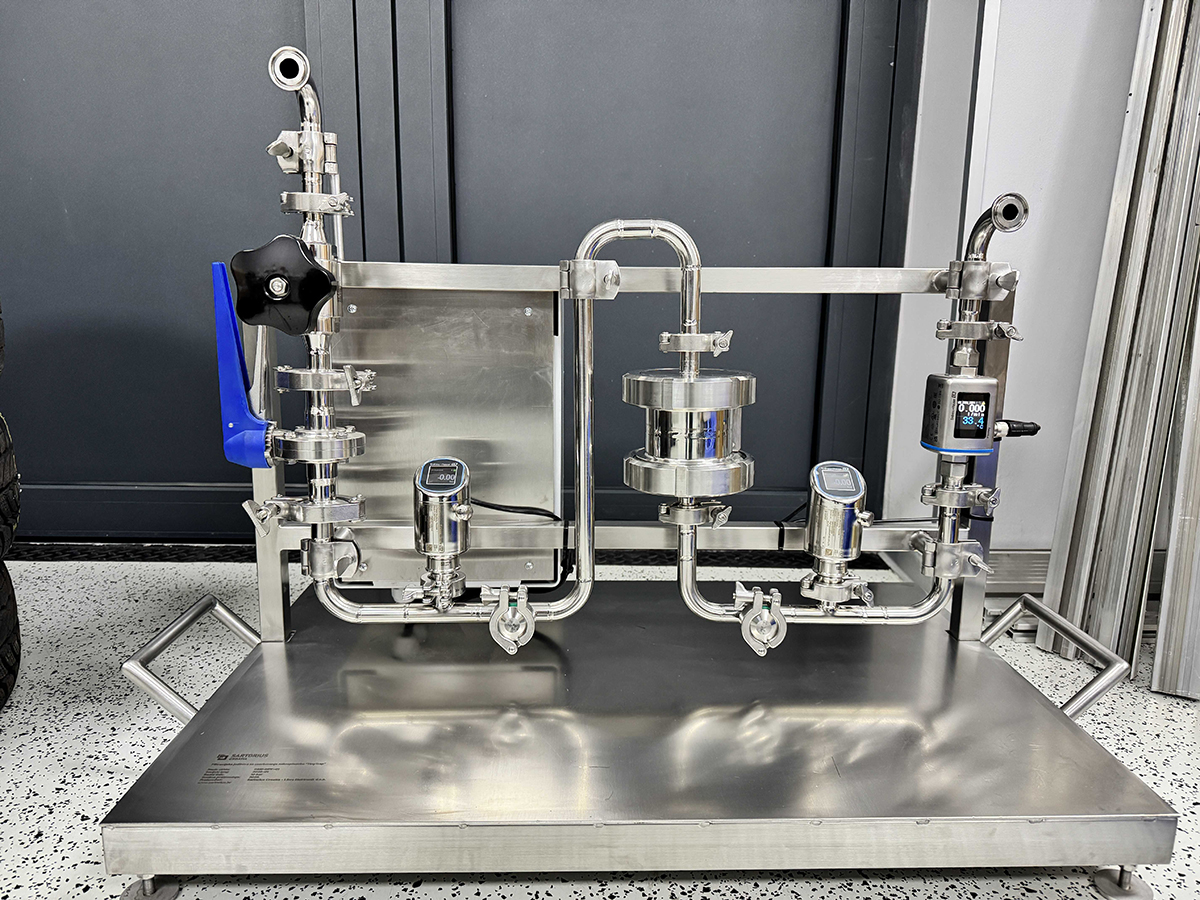
The Institute is collecting microplastic samples from water intended for human consumption using a harmonised methodology for microplastics measurement, established by Commission Delegated Decision (EU) 2024/1441. This ensures data comparability at the European Union level and provides a reliable basis for assessing potential health risks. The activities are conducted in cooperation with the Croatian Institute of Public Health, which coordinates investigative monitoring in accordance with the Drinking Water Act, while the Institute enters the results into the national information system, from which data are submitted to the European Commission. Cooperation has been further strengthened by an agreement regulating mutual rights and obligations and ensuring that monitoring activities are financed from the state budget.
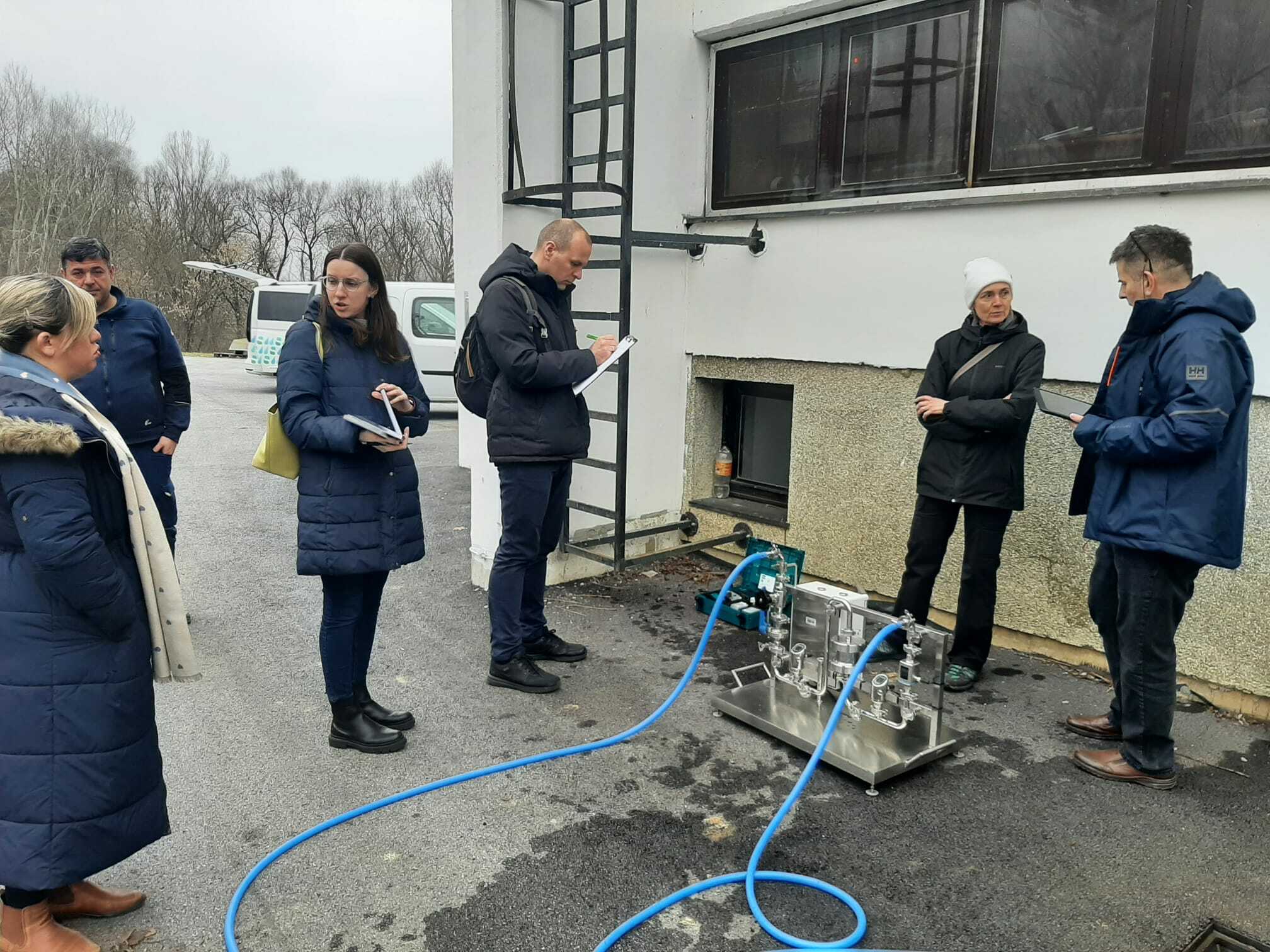
At the beginning of February, microplastics sampling was carried out at Sisački vodovod d.o.o., a public water service provider supplying the City of Sisak and the municipalities of Martinska Ves and Sunja, serving approximately 45,000 inhabitants. Activities will continue in other parts of Croatia. Drinking water is abstracted from the Kupa River and undergoes a multi-stage treatment process that includes mechanical removal of impurities, coagulation, filtration, ozonation, and final disinfection, with continuous system management supervision.
Investigative monitoring of microplastics is part of broader alignment with the Drinking Water Directive (EU) 2020/2184, which provides for the gradual inclusion of microplastics among monitored parameters. These activities also build on international initiatives aimed at developing standardised sampling and analytical methods and strengthening cooperation among expert institutions.
Through this step, the Institute further strengthens national capacities for monitoring emerging contaminants and contributes to the creation of reliable data on the quality of water intended for human consumption. More information on the technical and analytical challenges of microplastics sampling is available in a previously published article.