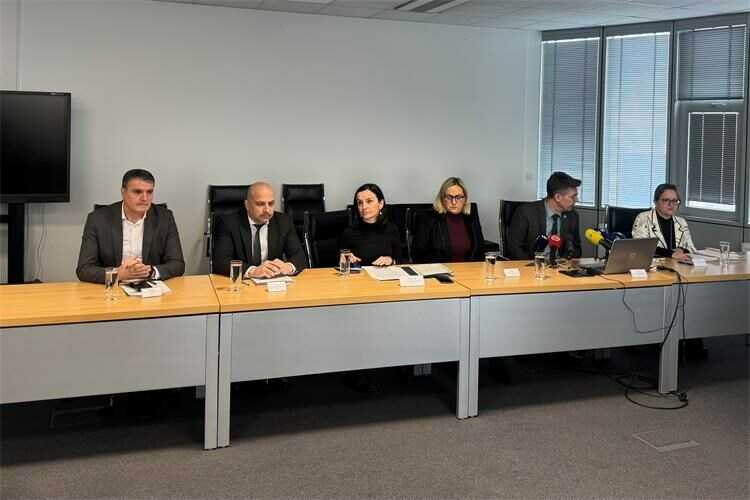
Minister of Environment and Green Transition Marija Vučković presented to the Croatian Parliament the Proposal for the Act implementing Regulation (EU) 2024/1991 on Nature Restoration. The Regulation requires Member States to systematically plan, implement, and monitor restoration measures. National restoration plans must be prepared by September 2026.
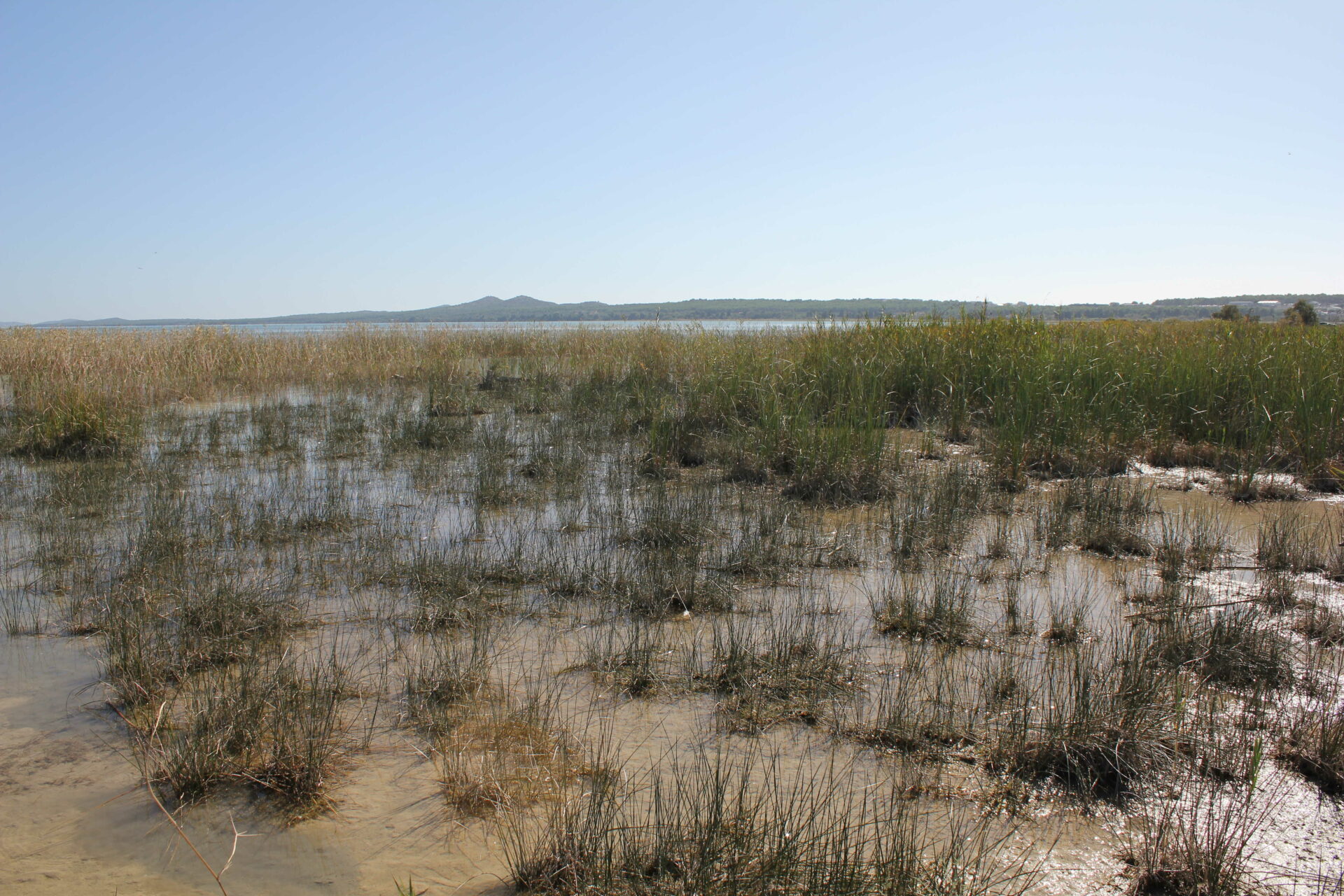
For the water sector, this entails clearly defined tasks, including the restoration of aquatic and wetland habitats, river revitalization, and strengthening resilience to droughts and floods. Emphasis is placed on measurable indicators and reliable monitoring data, particularly in the fields of ecology, hydromorphology, and water management. The success of implementation will depend on the quality of expert documentation and the continuity of water body monitoring.
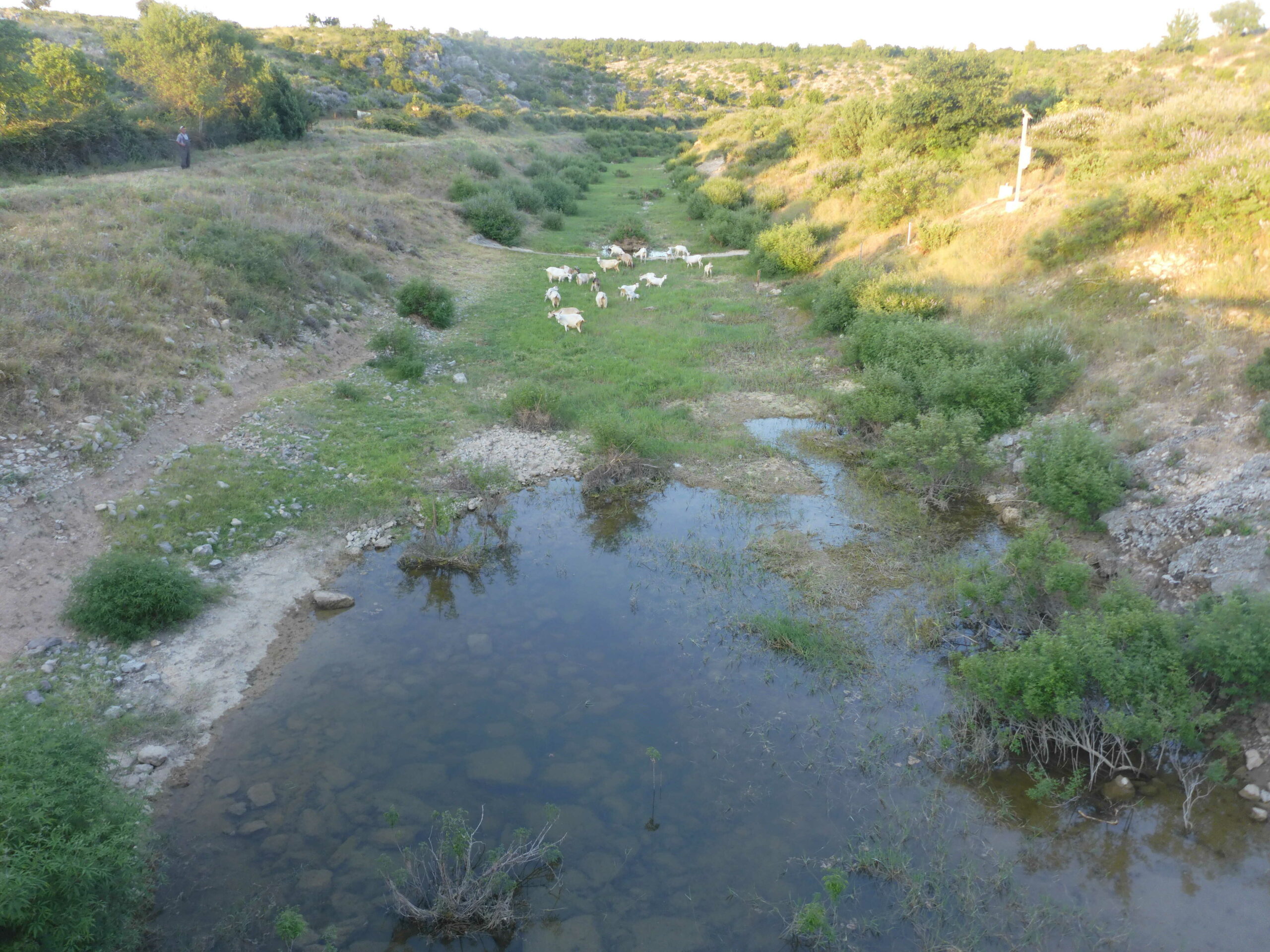
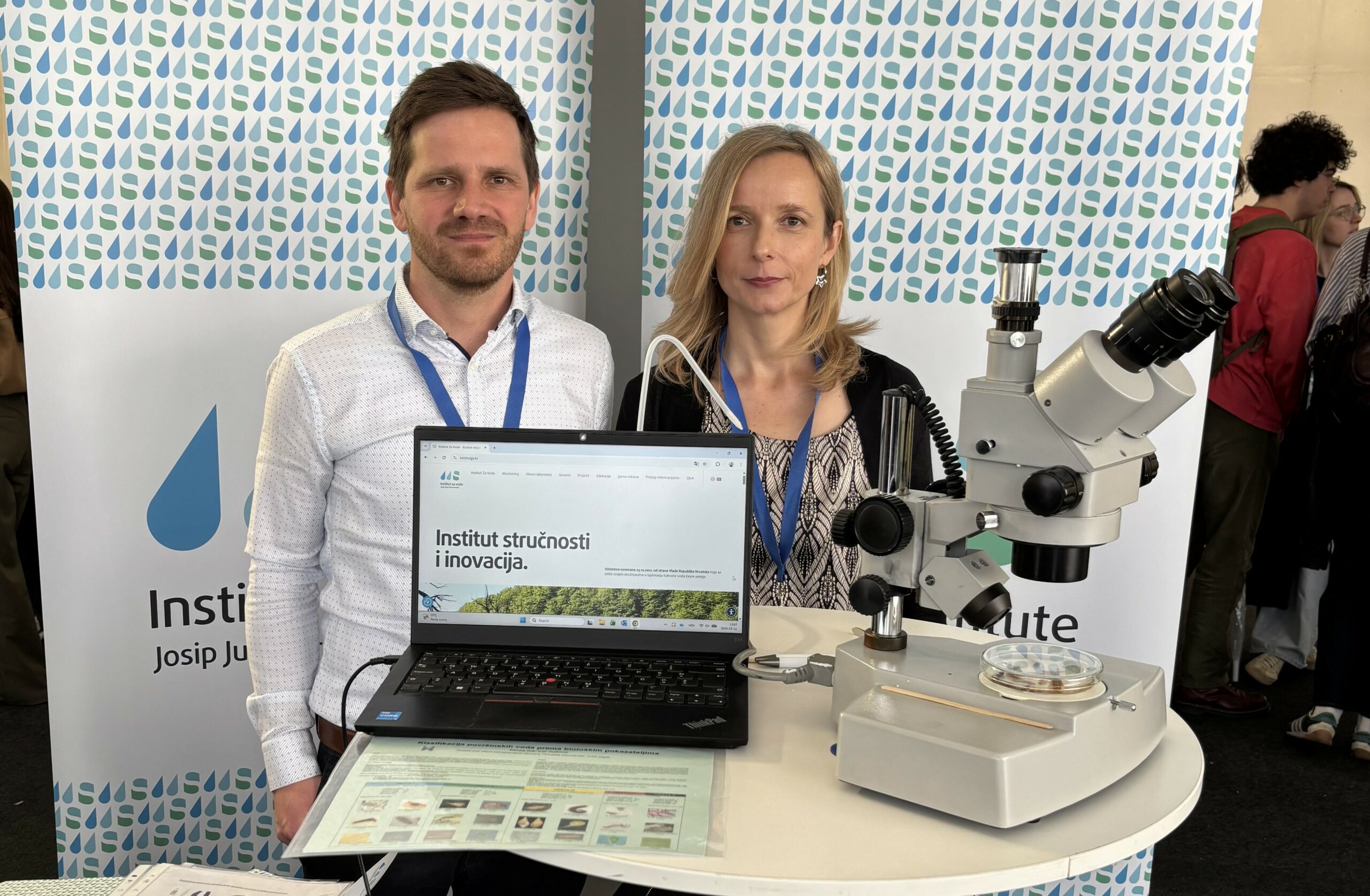
Water management professionals have a key role in the preparation of the national plan. This includes assessing the status of surface and groundwater, as well as preparing expert proposals for measures. Such measures may involve the removal or adaptation of barriers in watercourses, restoration of floodplains and wetlands, and improvement of river connectivity with their floodplains. The interpretation of systematic monitoring results and the preparation of annual expert reports are among the core responsibilities of the Josip Juraj Strossmayer Water Institute. These reports provide the expert basis for defining restoration priorities and monitoring their effectiveness over time.
The Ministry has announced the involvement of the professional and interested public at an early stage of the planning process. For the water sector, this represents an opportunity to clearly define priority river stretches and wetland areas based on existing data and long-standing experience in water monitoring.
For a comprehensive overview of the status and trends of Croatia’s waters, annual Reports on the Status of Surface and Groundwater in the Republic of Croatia are available on the website of the Institute. Read more on the following link.