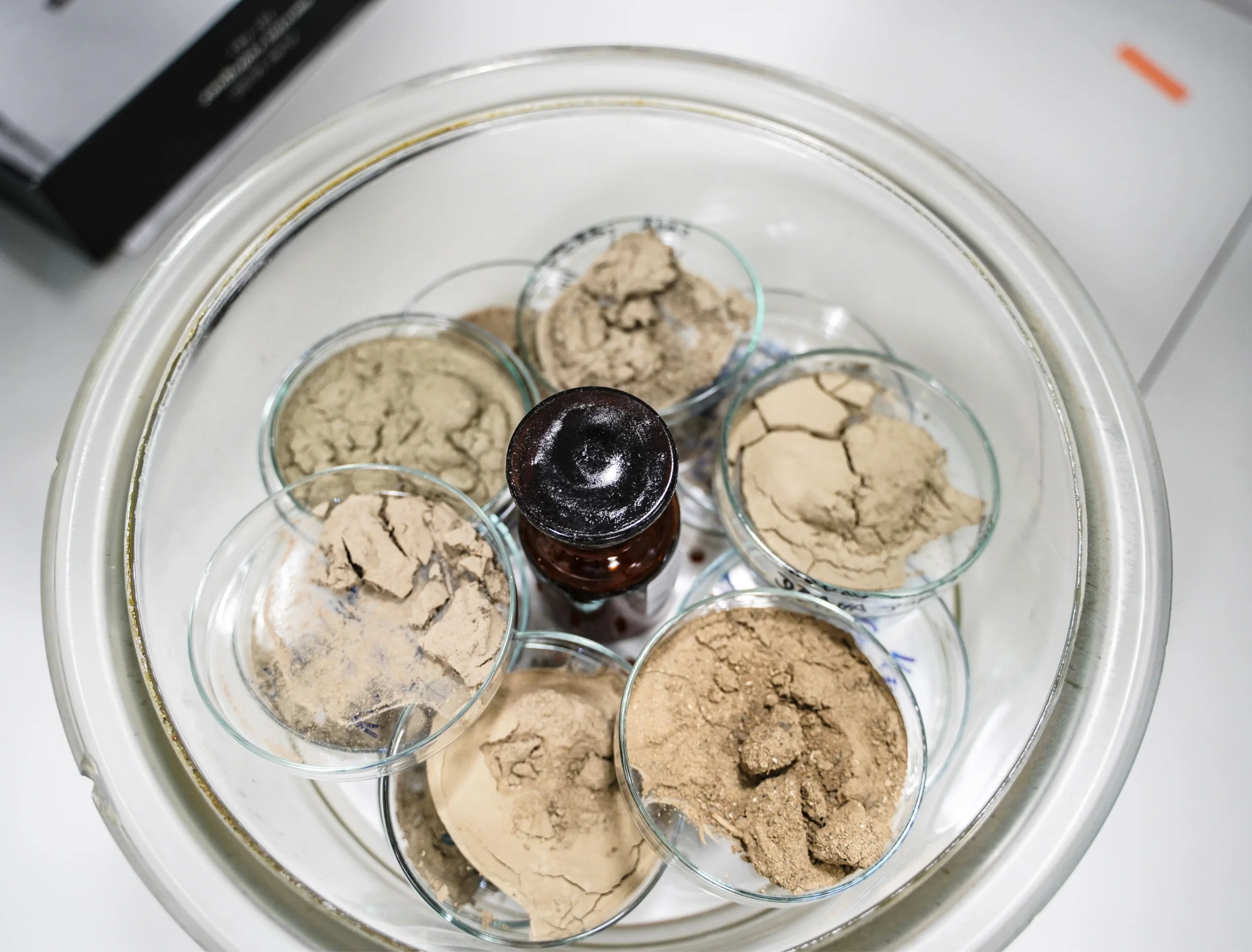
River sediment consists of mineral particles such as clay, carbonates, and silicates, as well as organic matter and remains of organisms, for example diatom frustules or mollusc shells. It enters watercourses primarily through precipitation and surface runoff that promote soil erosion. Its quantity is influenced by rainfall intensity, soil stability, and the presence of vegetation. Plant roots stabilize the soil and reduce erosion, while bare or burned landscapes are more prone to sediment washout.
A significant share of fine sediment in watercourses is also the result of human activities, which may account for around 70% of the total input. When the amount of sediment exceeds natural levels, it can act as a pollutant because it alters habitat structure and transports various contaminants.
Increased concentrations of fine sediment cause water turbidity, reduce light penetration and oxygen availability, and disrupt the structure of the riverbed. By settling on the substrate, sediment can cover algae and aquatic invertebrates and alter the conditions in which they live.
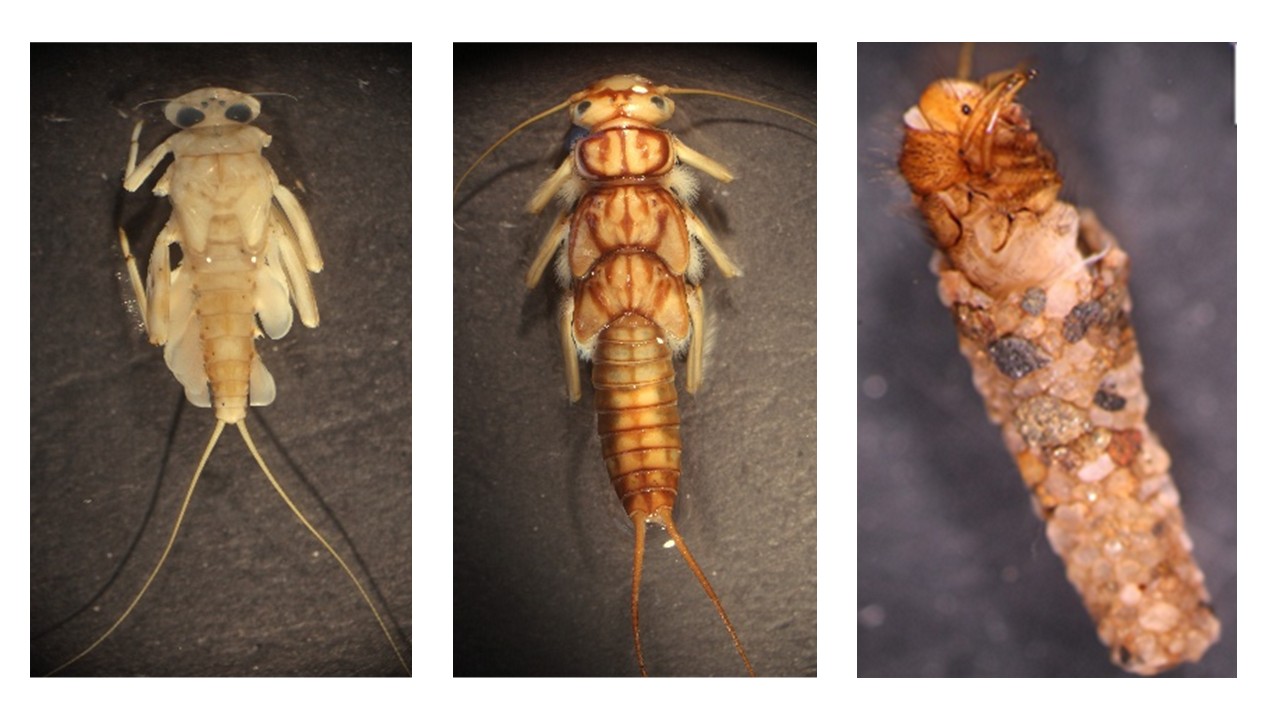
In aquatic invertebrates, fine sediment may lead to the loss of shelter within substrate interstitial spaces, the deposition of particles on gills, and changes in community composition. The consequences include reduced diversity and shifts in species abundance, particularly among sensitive groups such as mayflies, stoneflies, and caddisflies.
Sediment can also act as a reservoir for various contaminants, including metals, organic compounds, and nutrients. These substances may be transferred through the food chain, as aquatic invertebrates represent an important food source for fish and many terrestrial animals.
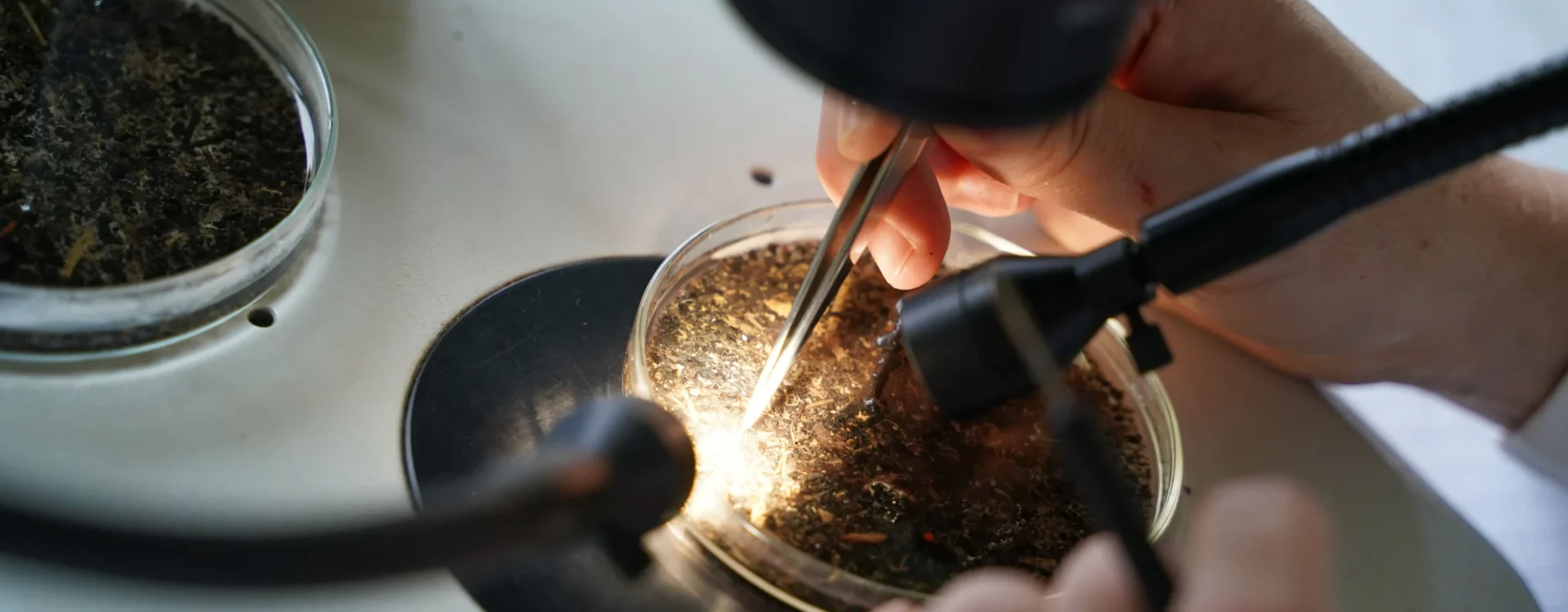
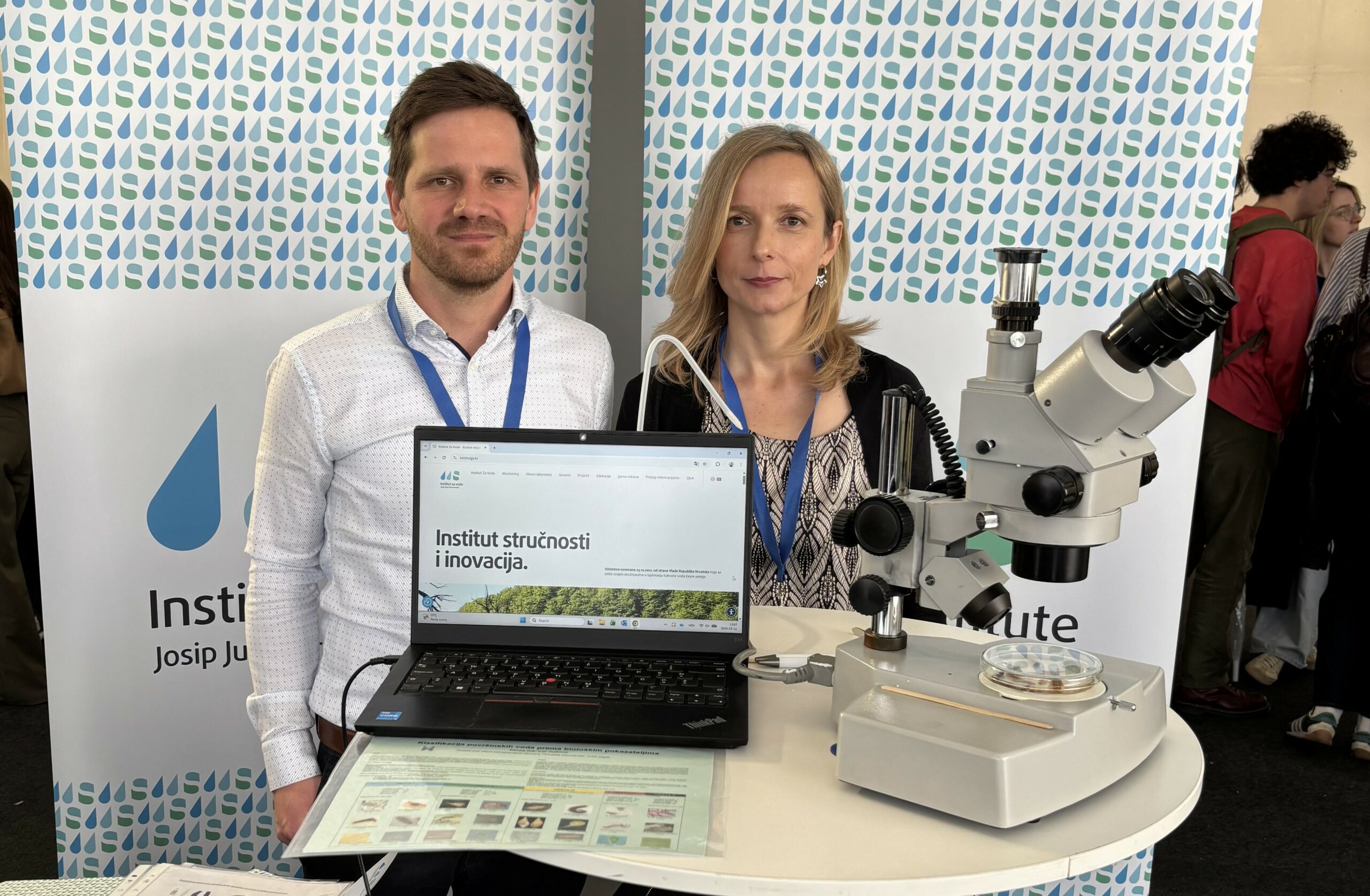
Josip Juraj Strossmayer Water Institute regularly assesses the ecological and chemical status of surface waters through water quality analysis and monitoring of biological communities. Although the Water Framework Directive does not prescribe mandatory guidelines for sediment analysis, the Institute also determines selected indicators in sediment in order to better understand processes in watercourses and the condition of aquatic ecosystems.
Text prepared by: Renata Ćuk