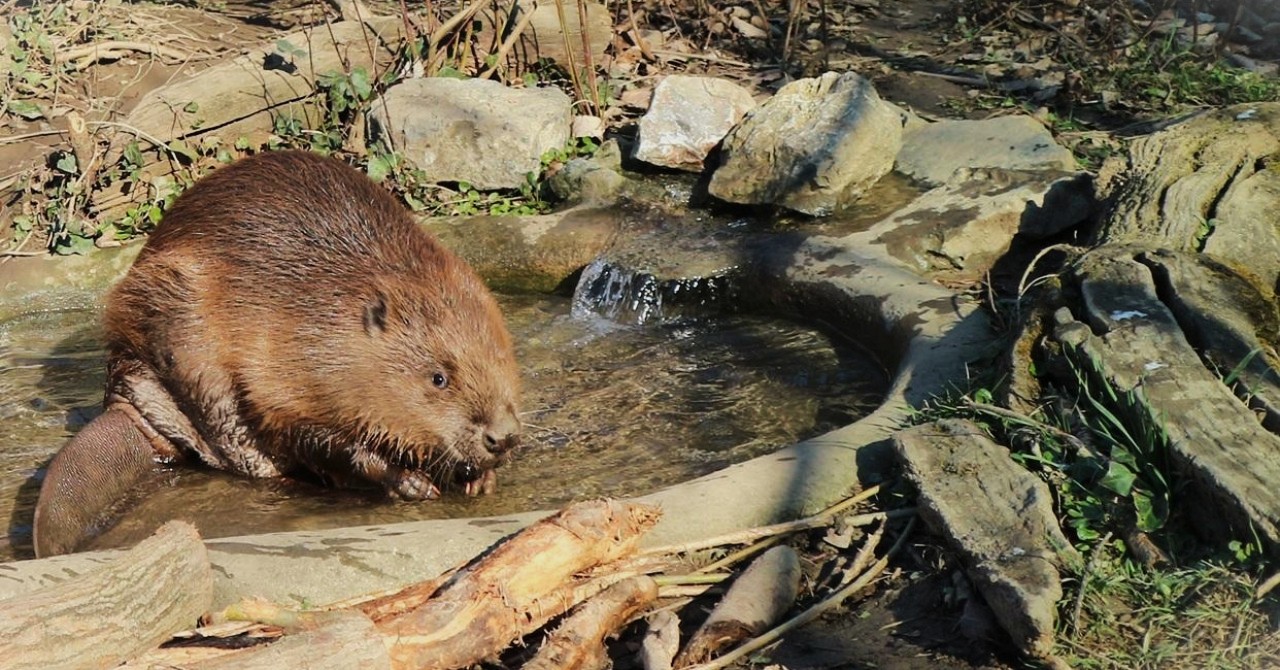
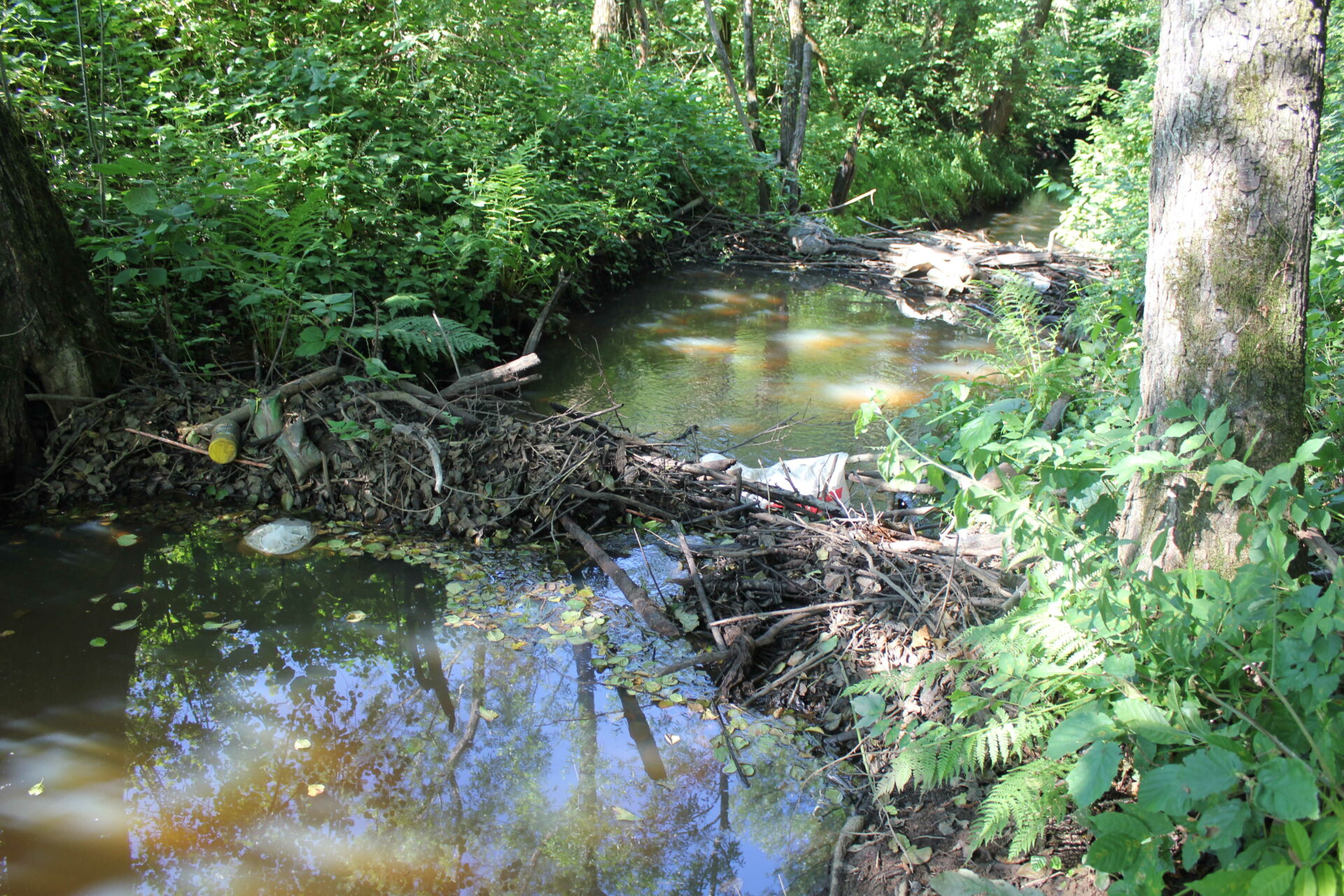
The European beaver (Castor fiber), the largest rodent in Europe and a strictly protected species, is increasingly described as an “ecosystem engineer.” This is not because of its rarity, but due to the significant influence it has on watercourses and the surrounding landscape. By building dams on streams and small rivers, beavers alter water flow, water levels, and living conditions across entire ecosystems.
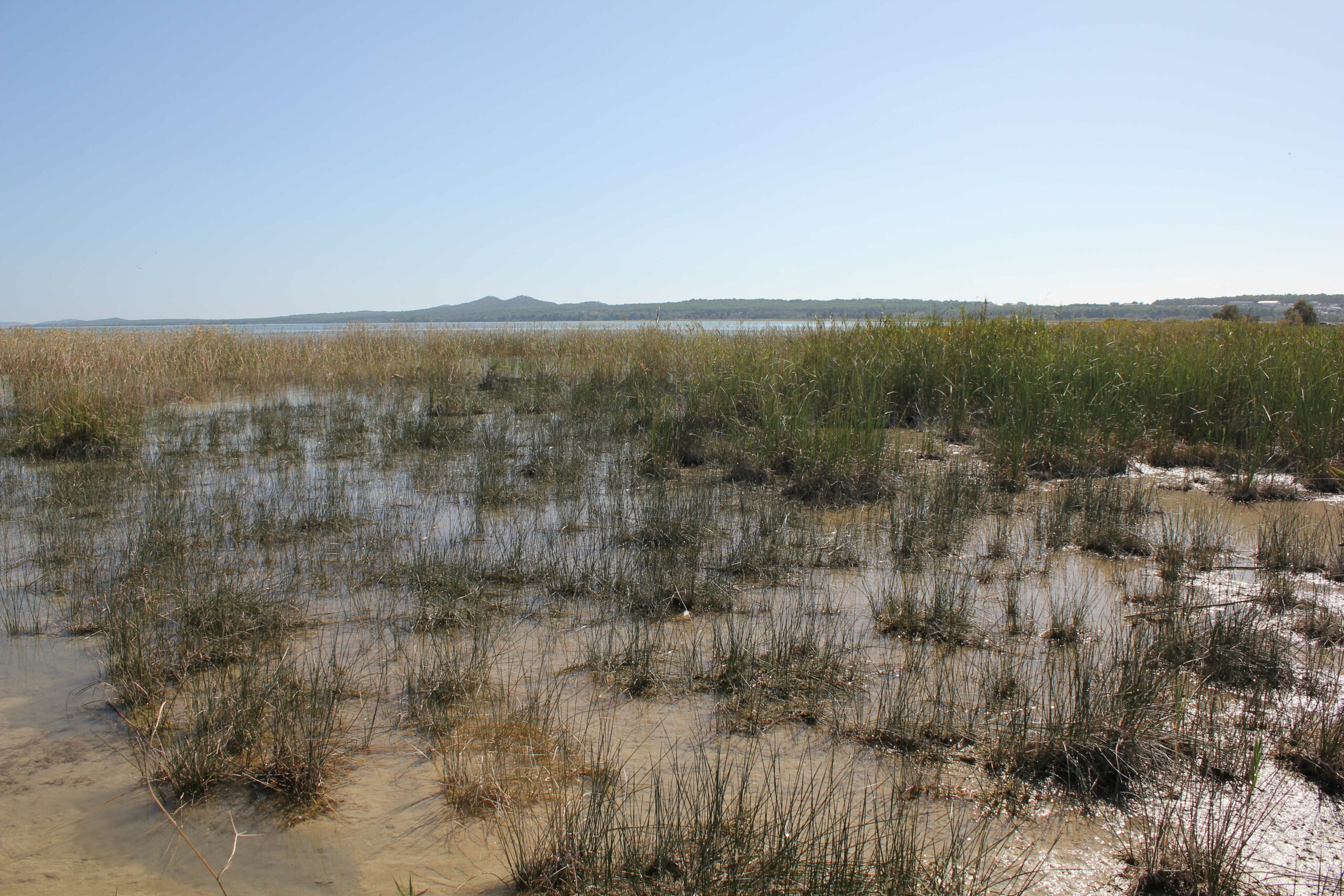
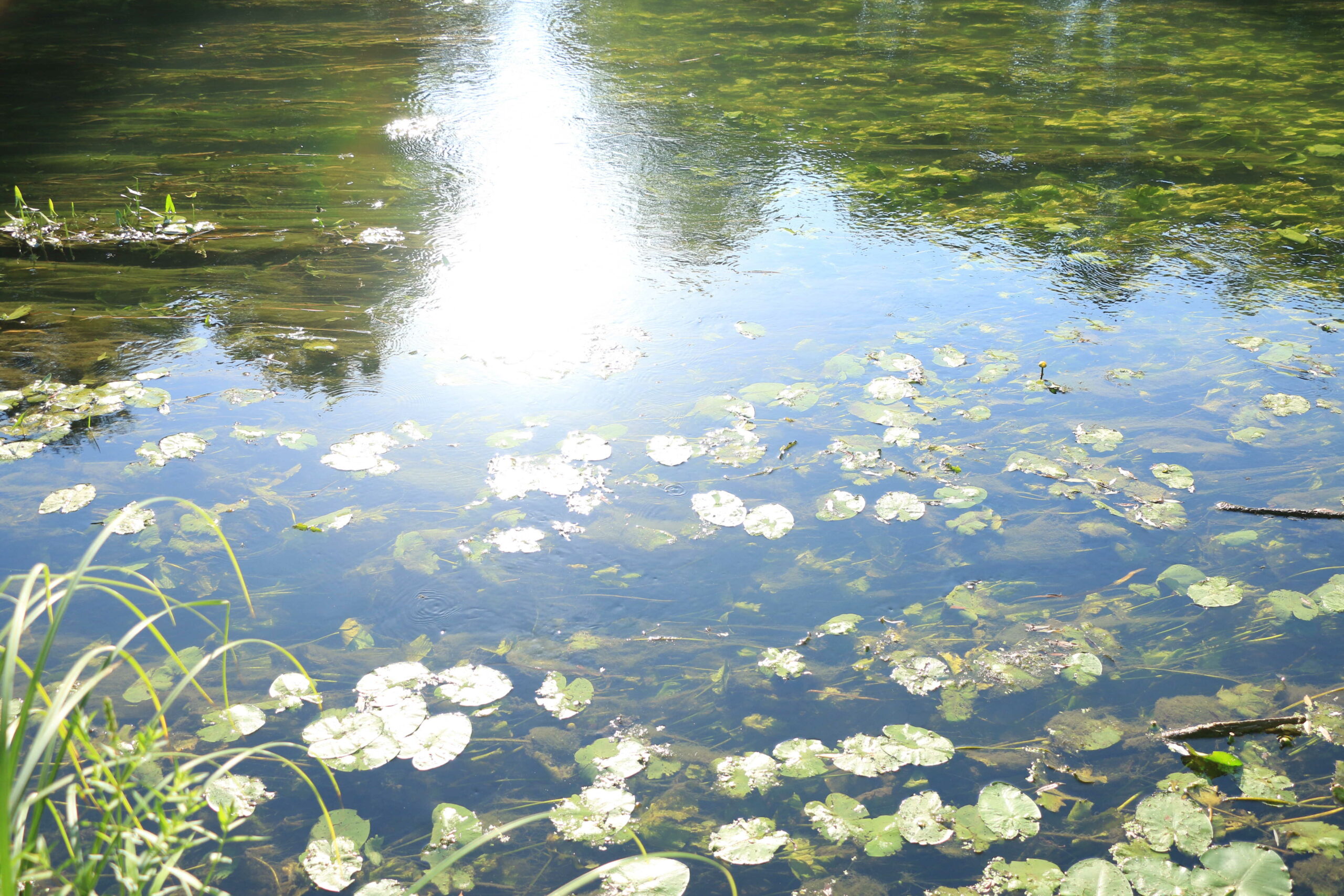
Beaver dams slow water flow and raise water levels, creating shallow ponds and wetland areas. These changes can have positive effects during periods of heavy rainfall, as some water is retained in the area, reducing sudden flood waves downstream. During dry periods, water is released gradually, contributing to more stable flows and reduced fluctuations in water levels.
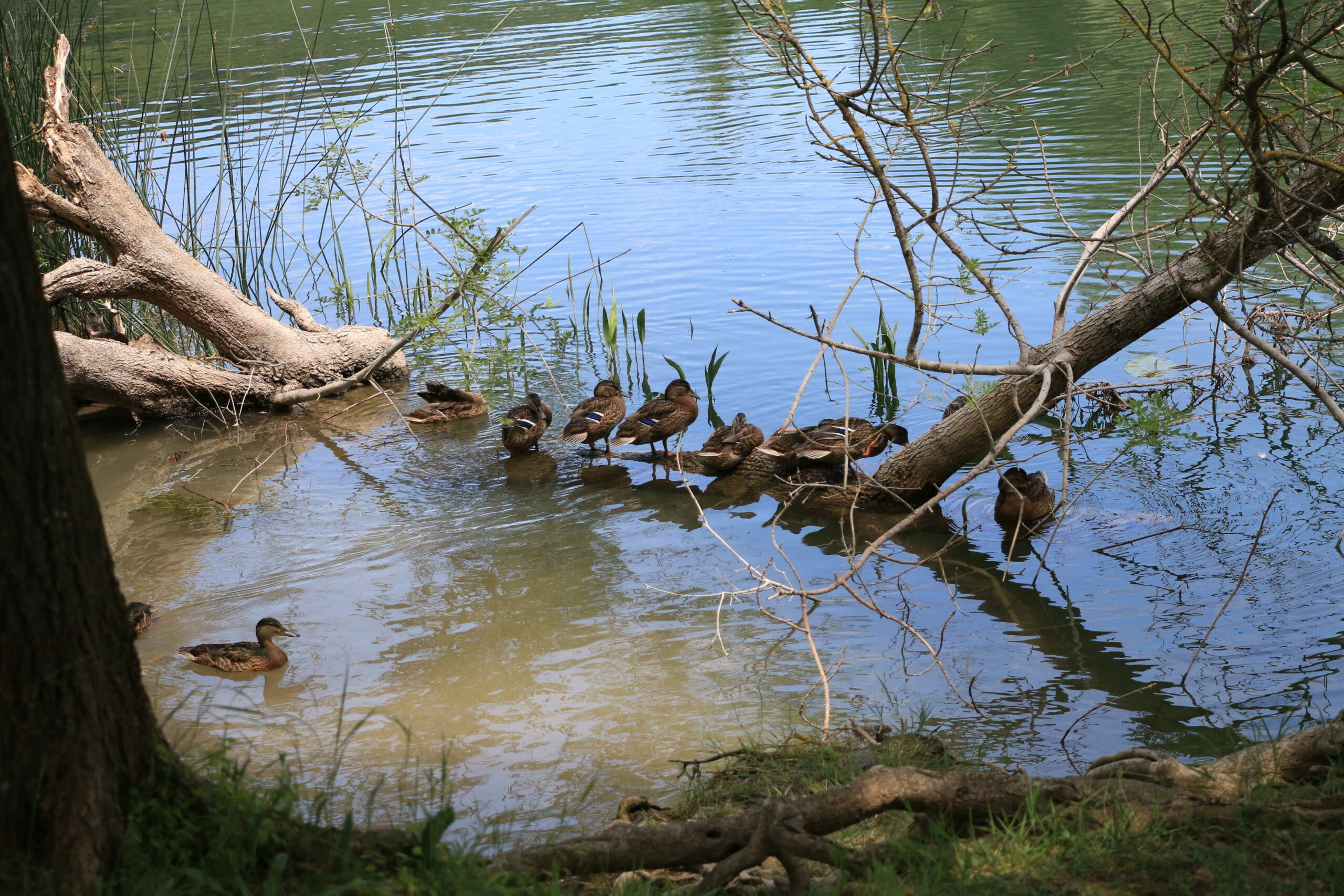
Slower water flow also promotes the deposition of fine particles and sediment, which bind nutrients and certain pollutants. In this way, beaver dams act as natural filters, reducing turbidity and pollutant loads downstream. At the same time, newly created aquatic and wetland habitats often become biodiversity hotspots, particularly for amphibians, aquatic invertebrates, and birds.
However, the impact of beavers is not always entirely positive. The accumulation of organic matter can, under certain conditions, reduce oxygen levels in the water, while increased water levels may occasionally cause flooding of agricultural land or infrastructure. Therefore, the effects of beaver dams must be assessed within the broader context of the entire catchment area and local conditions.
In the era of climate change, when nature-based solutions in water management are increasingly emphasised, understanding the role of the beaver becomes especially important. Through systematic monitoring of water status and aquatic ecosystems, Josip Juraj Strossmayer Water Institute contributes to an objective assessment of the real impacts of beaver dams, helping to align nature conservation with human needs and sustainable water resource management.