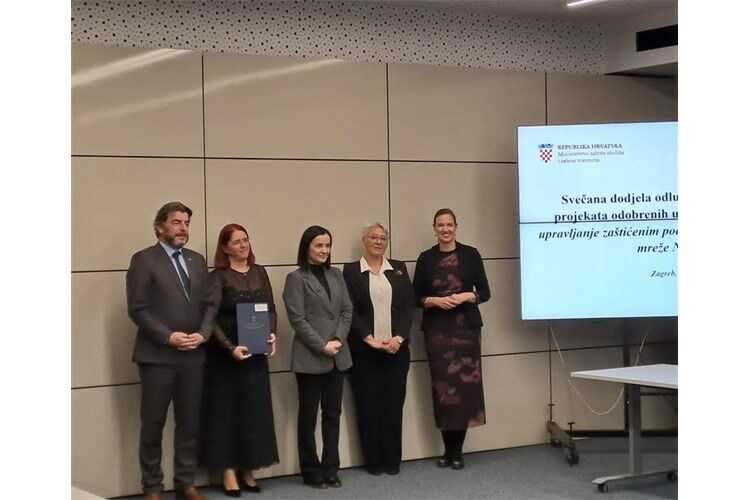
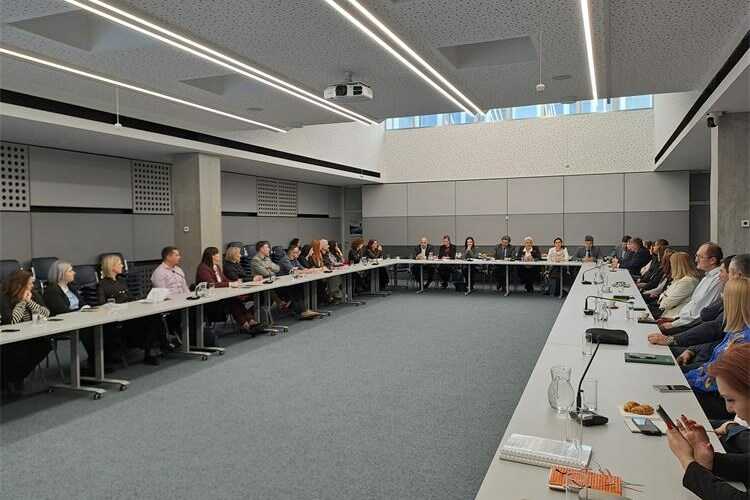
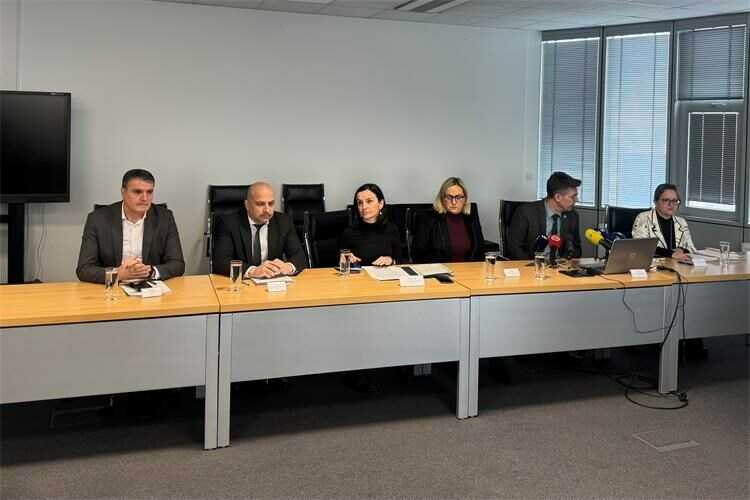
More than EUR 13.4 million in non-repayable funding has been awarded to projects under the Call “Improved Management of Protected Areas and Natura 2000 Ecological Network Sites” within the Competitiveness and Cohesion Programme 2021–2027. The funding decisions were presented by Minister Marija Vučković, who emphasized that development and nature protection must go hand in hand, creating safer communities and improving citizens’ quality of life.
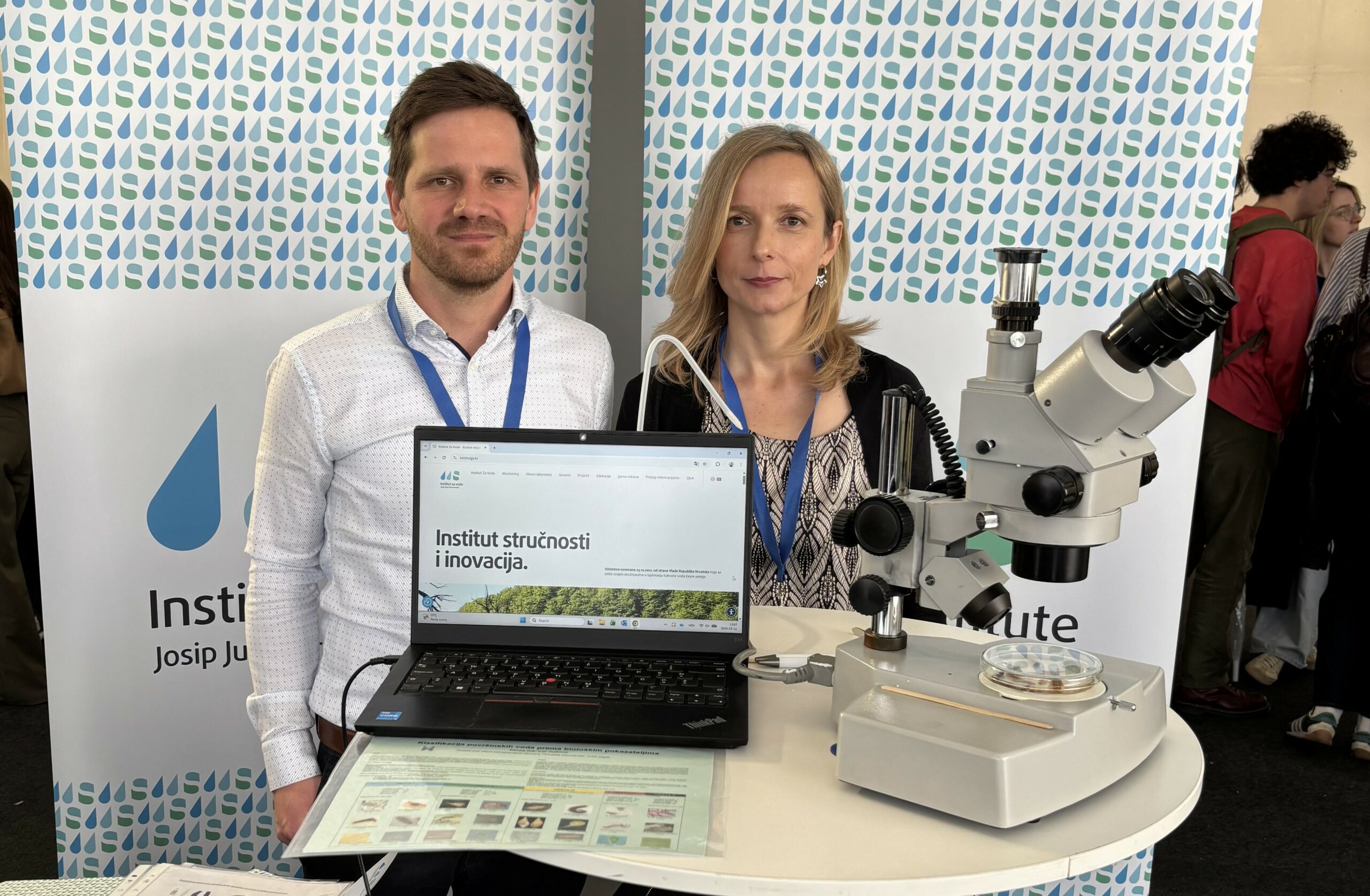
Among the supported initiatives are projects within Krka National Park, in which Josip Juraj Strossmayer Water Institute plays an active and expert role. Through its expertise, research capacities, and long-standing experience in water system management, the Institute contributes to the preservation of natural heritage and to the improvement of management systems for protected areas within the Natura 2000 network.
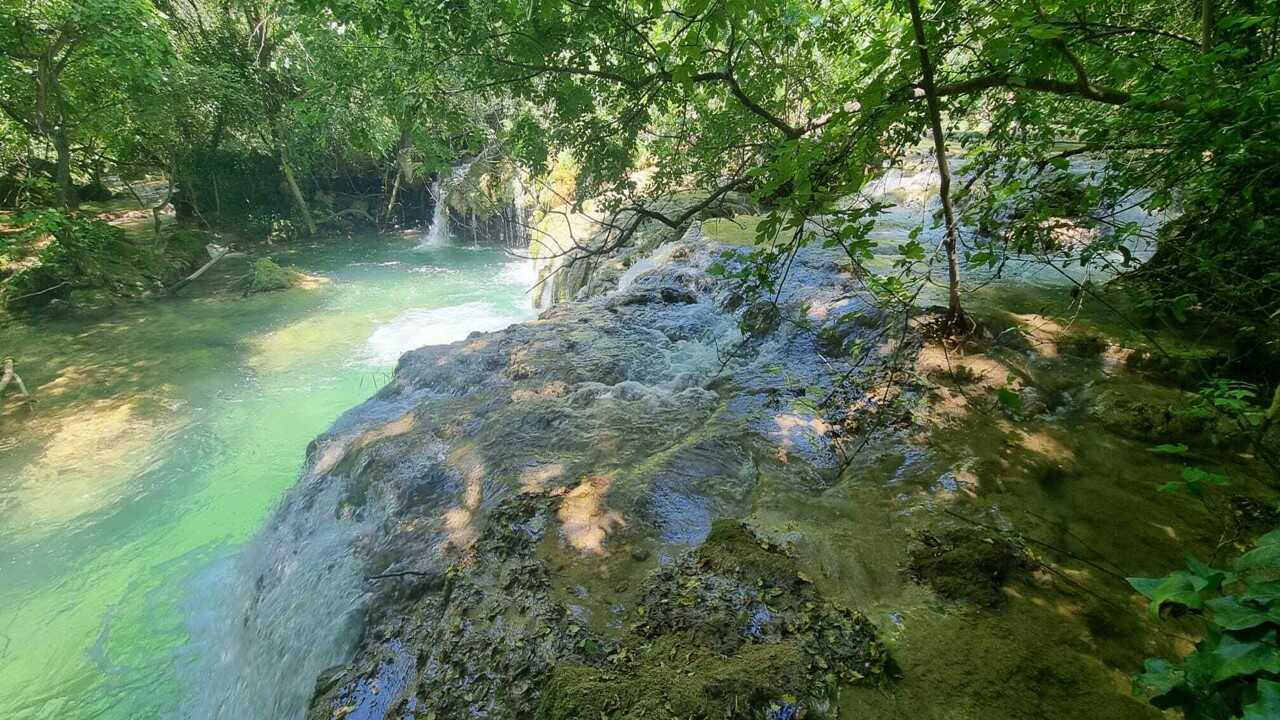
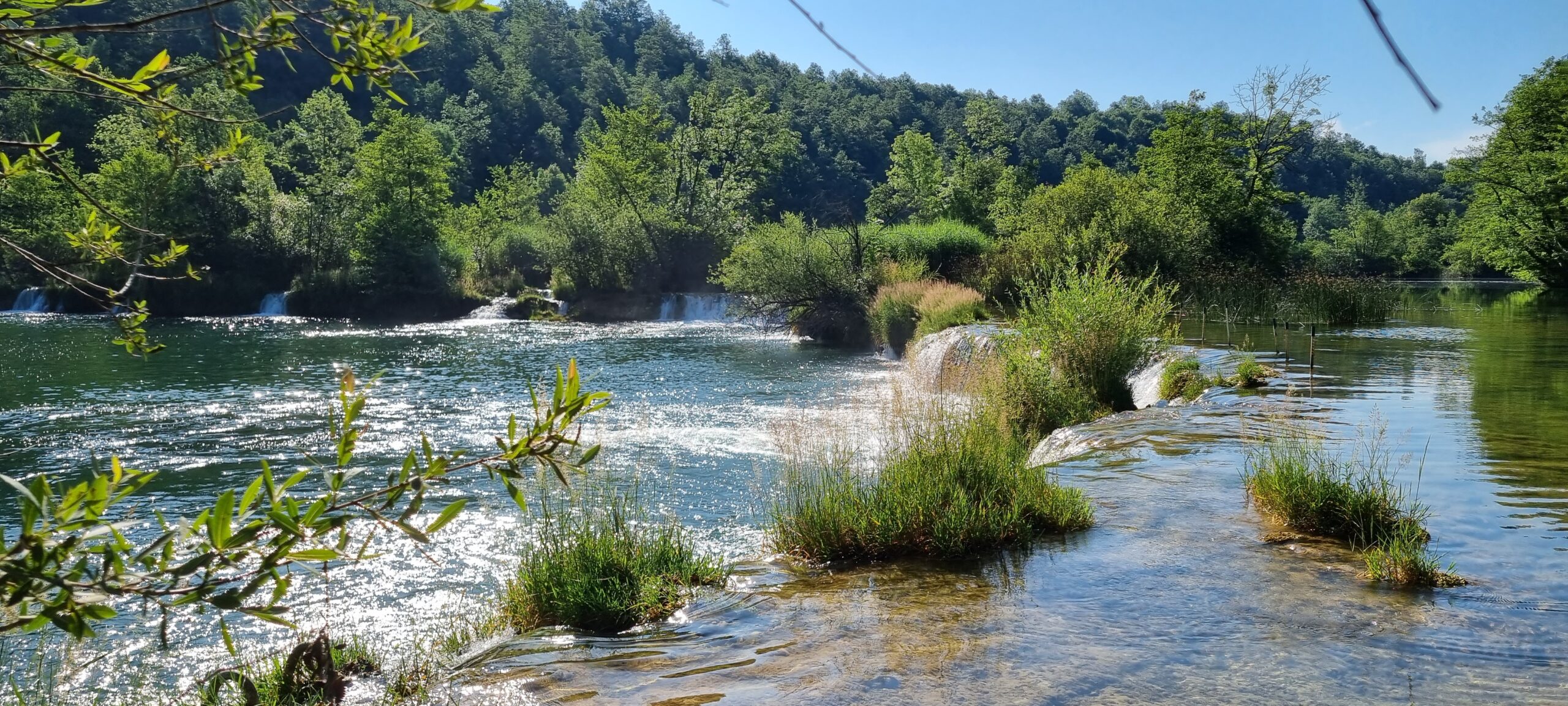
One of the approved projects is “Restoration and Conservation of the Target Habitat Type A320 – Tufa Barriers of Dinaric Karst Rivers in the Area of Krka National Park – Sedra Viva”, submitted by the Institute in partnership with Krka National Park. The total project value amounts to EUR 2,338,952.13, of which EUR 1,988,109.29 (85%) is secured through non-repayable funding, while project partners contribute EUR 350,842.84 in co-financing.
The project focuses on the restoration and long-term conservation of tufa barriers as an exceptionally valuable and sensitive habitat, with the aim of preserving the natural tufa-forming processes and establishing systematic monitoring of management effectiveness. Tufa barriers represent a unique natural phenomenon of the Dinaric karst rivers and require scientifically grounded and long-term protection measures.
Through inter-institutional cooperation, the integration of scientific knowledge, and the strengthening of professional and public awareness, the conditions are being created for the lasting and sustainable protection of this ecosystem in line with national and European biodiversity conservation objectives.
The Institute continues to actively participate in projects that connect science, management, and nature protection, reaffirming its key role in safeguarding Croatia’s natural values.
Further information on the Call and the allocated funding is available on the Ministry’s website.