World Wetlands Day is observed on 2 February, marking the signing of the Ramsar Convention in 1971 in the Iranian city of Ramsar. This convention established the basis for international cooperation in the protection of wetlands, which are essential for conserving numerous plant and animal species and for maintaining natural balance.
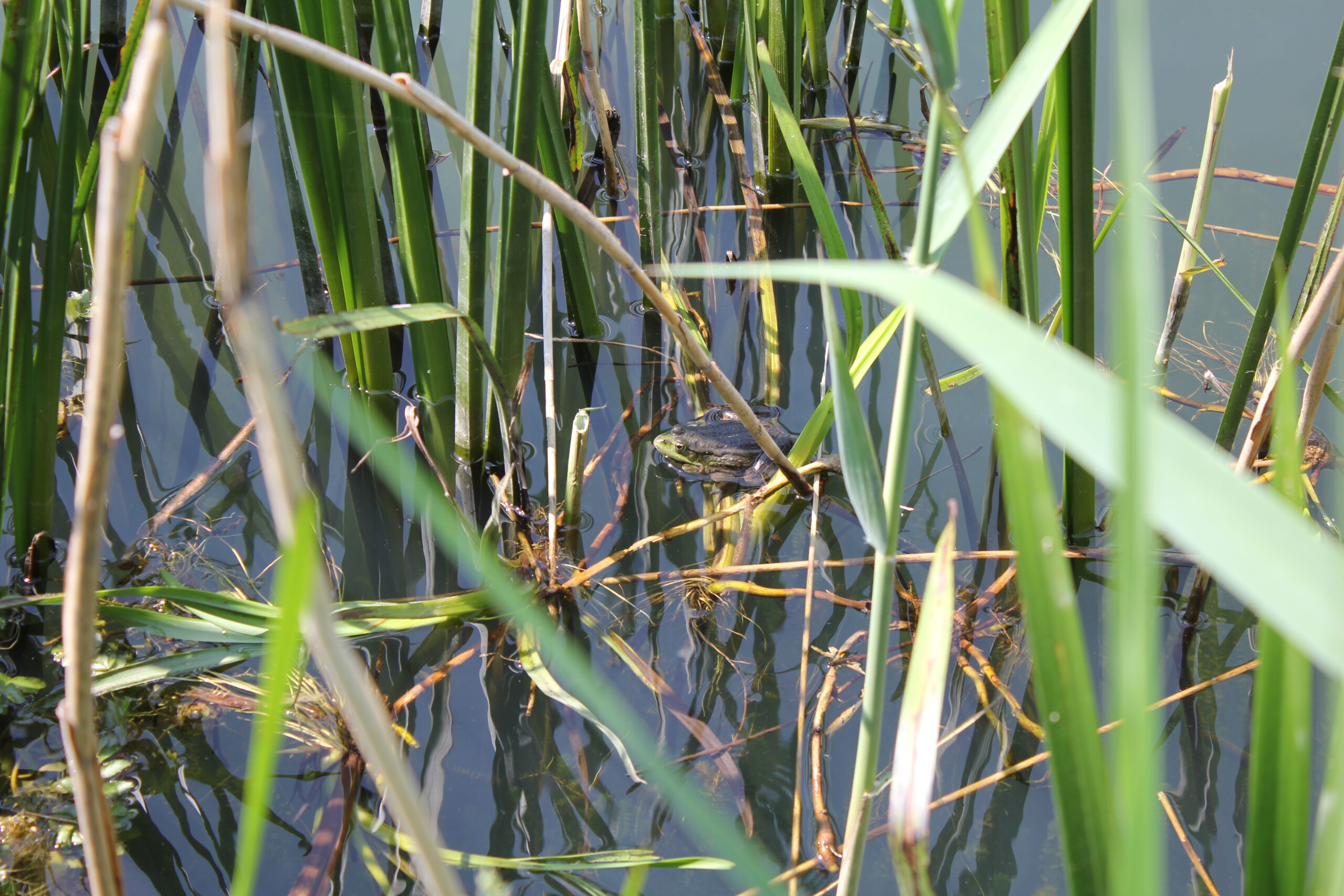
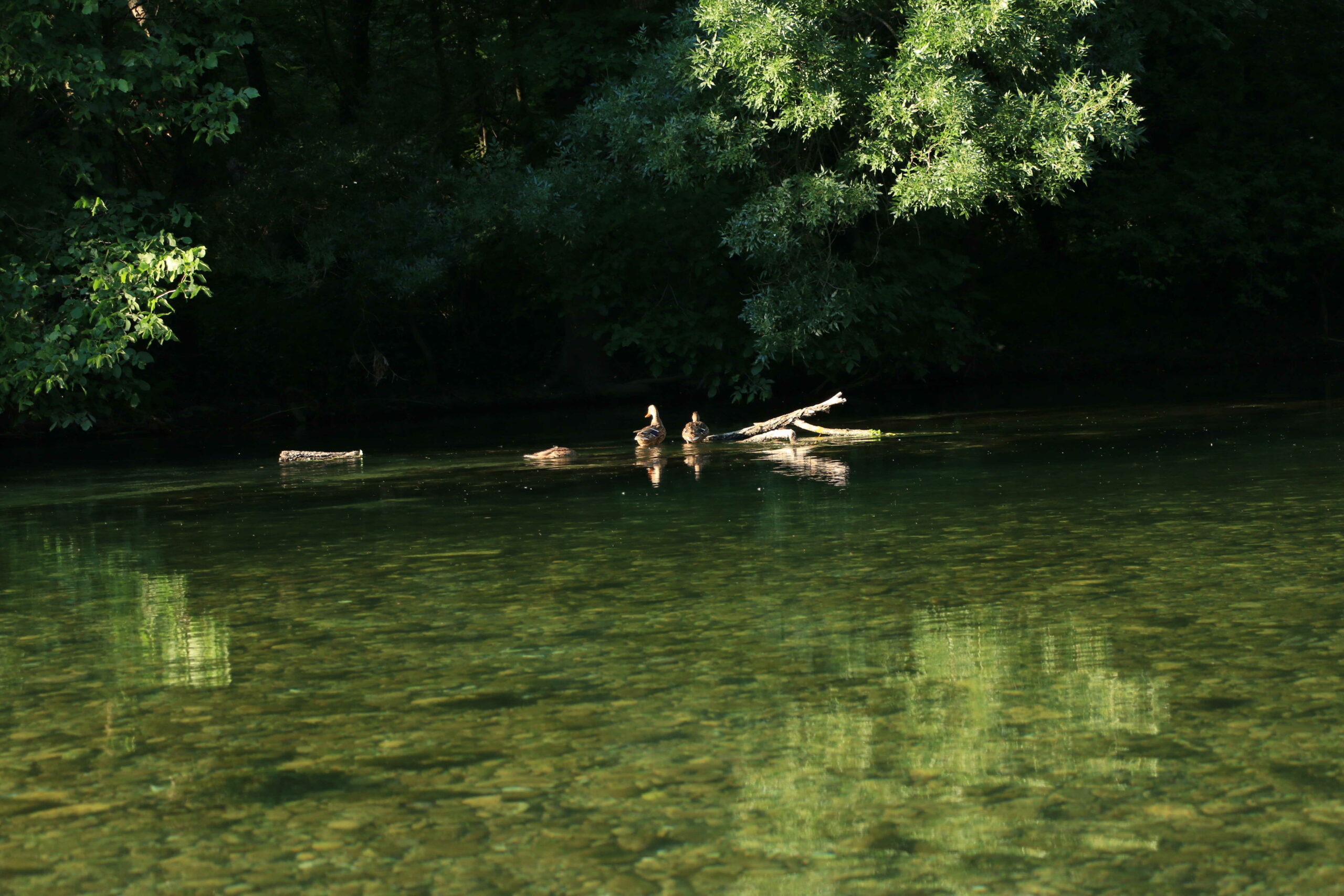
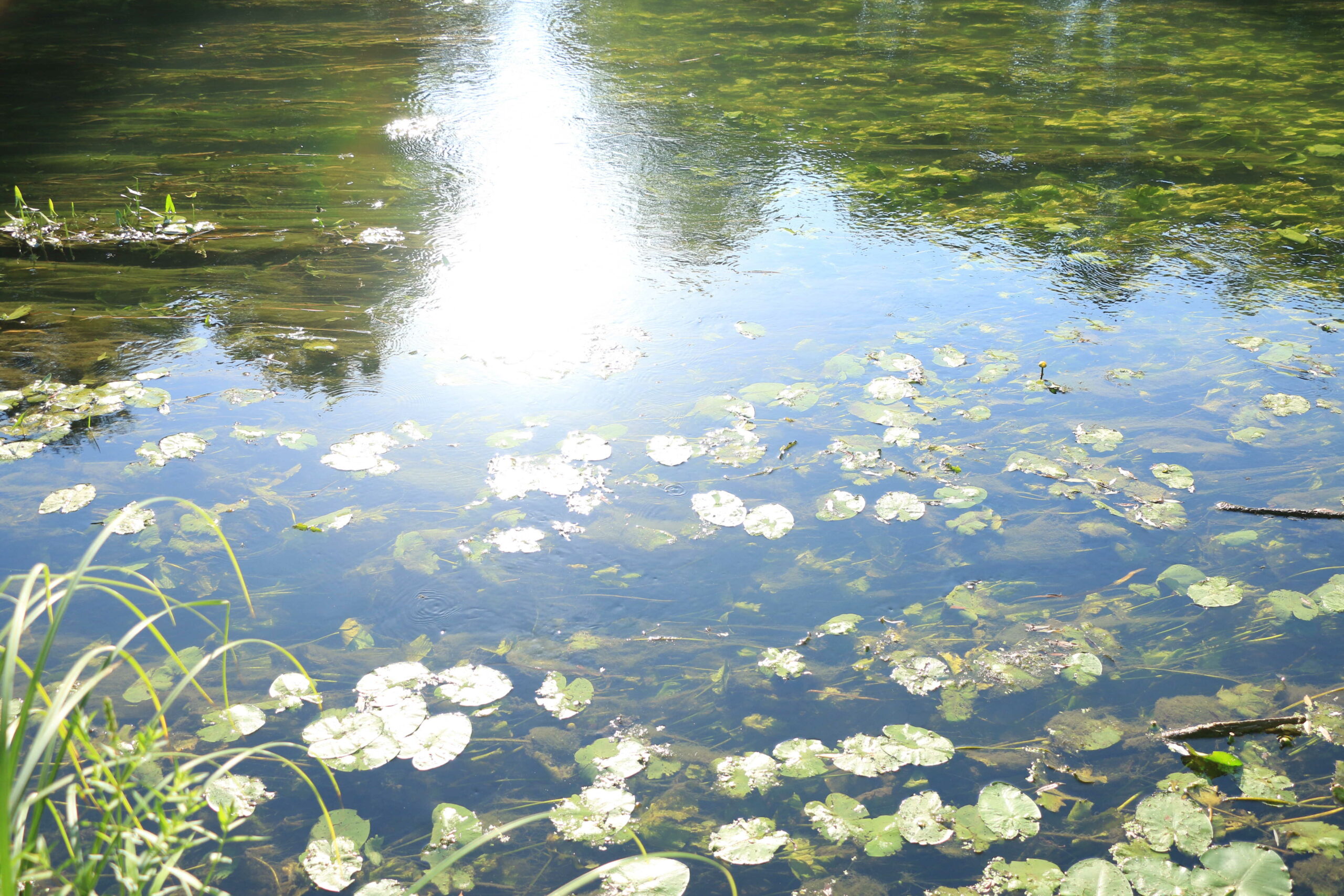
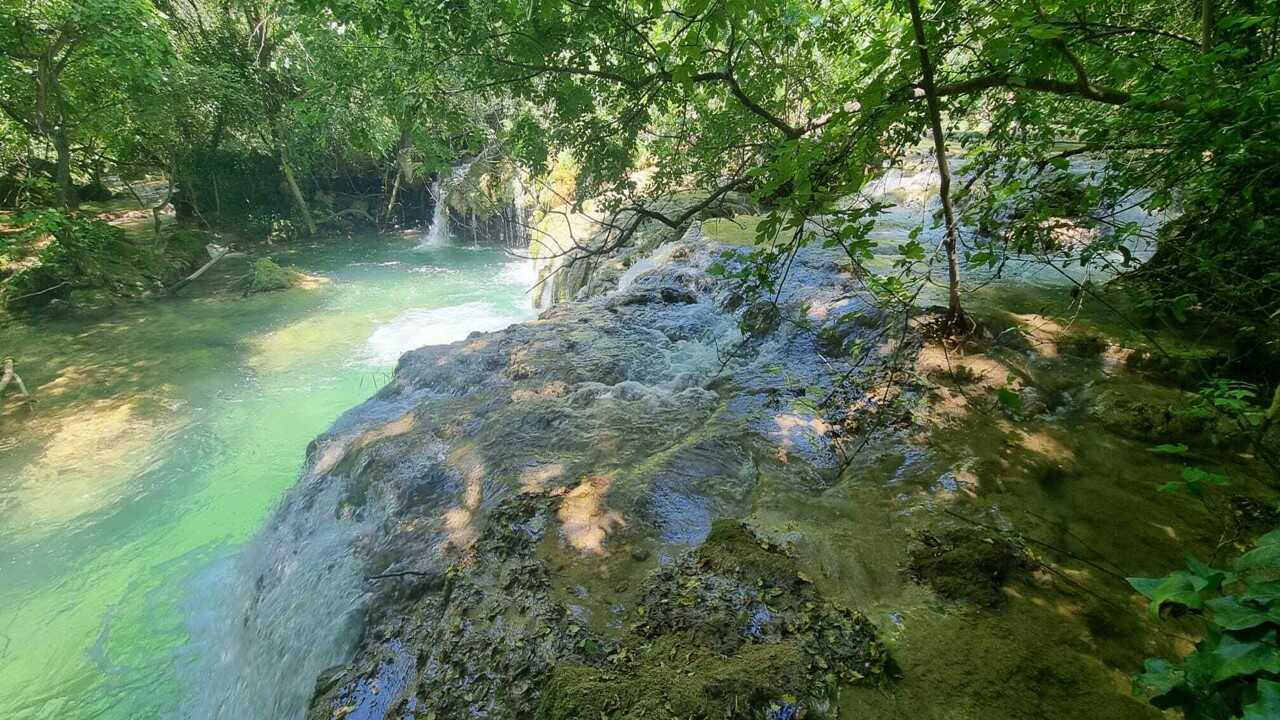
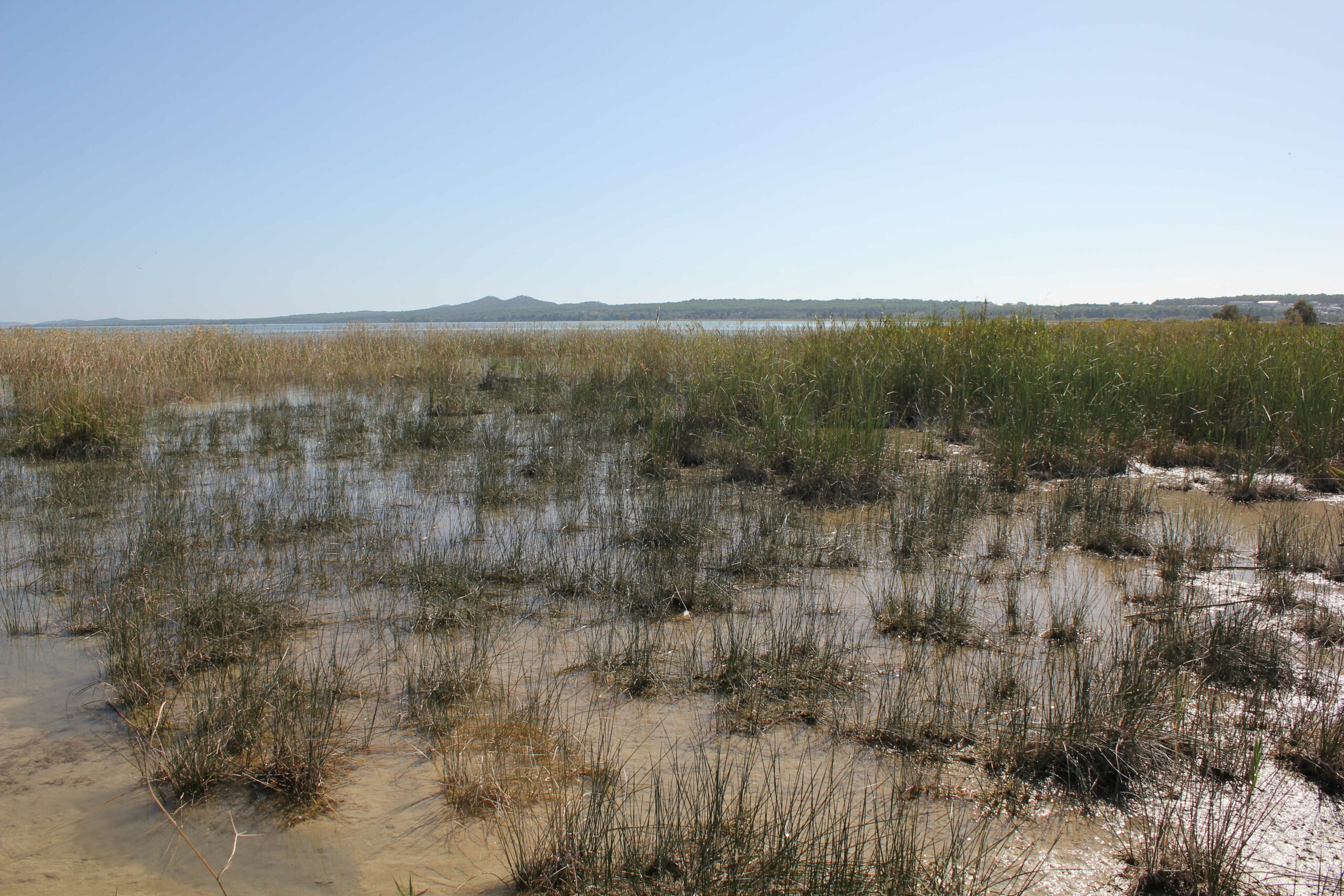
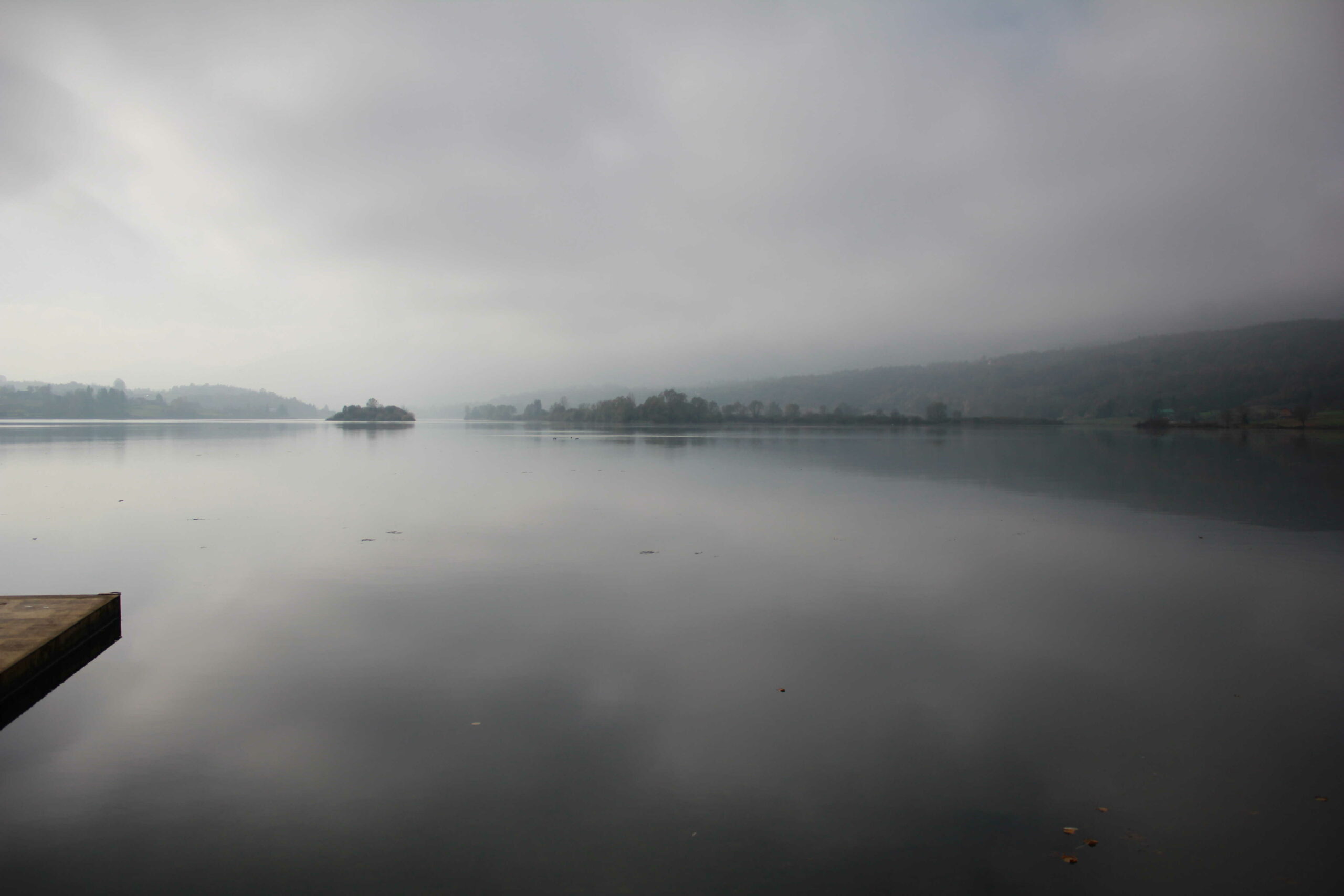
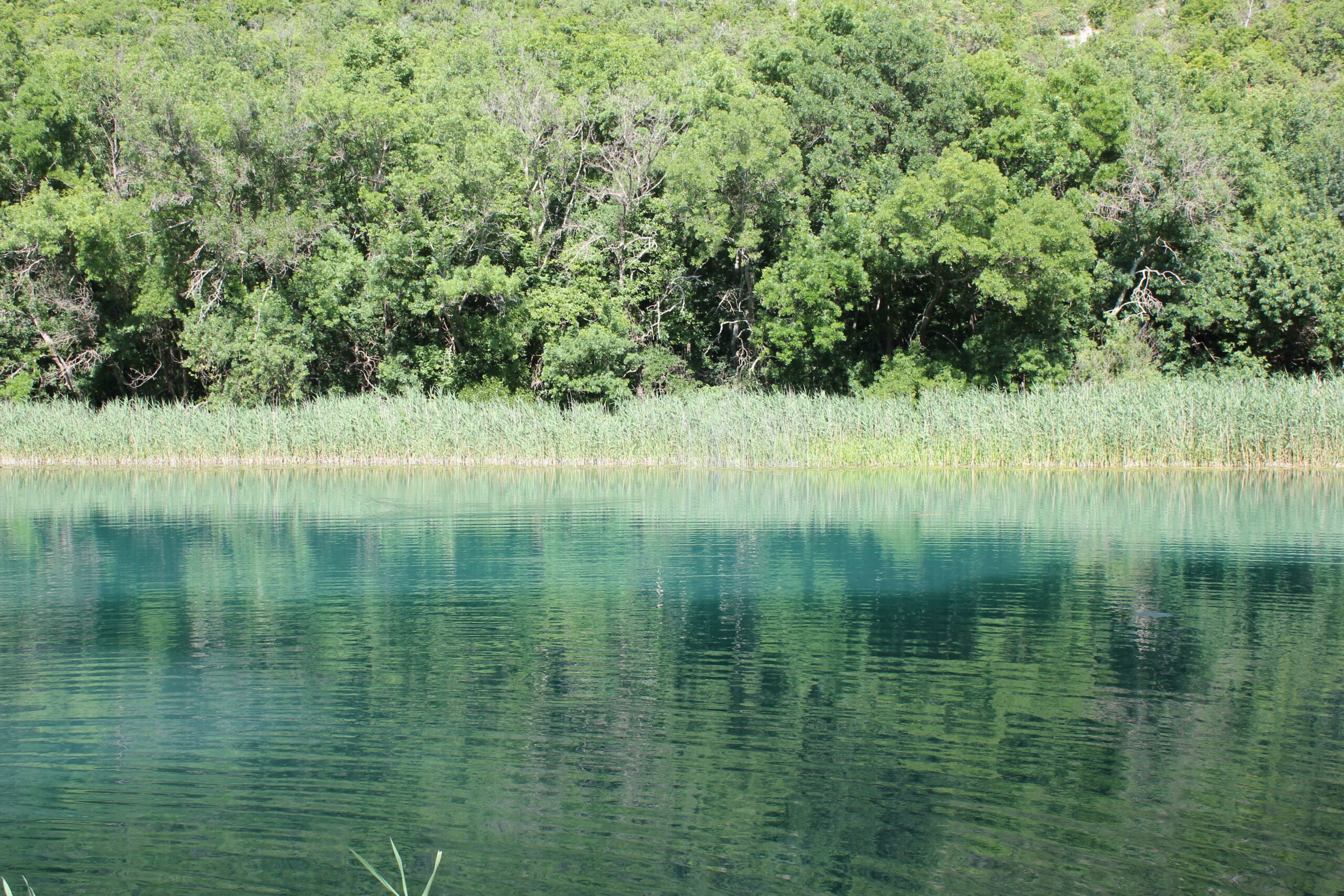
This year’s slogan, “Wetlands and Traditional Knowledge: Celebrating Cultural Heritage,” highlights the close connection between people and nature and the importance of local knowledge in preserving these areas. Wetlands are among the most productive ecosystems in the world and include reed beds, floodplain grasslands and forests, rivers with side arms, lakes, and other wet areas, providing a wide range of irreplaceable ecological functions.
They contribute to biodiversity conservation, water purification, flood mitigation, and climate regulation, while also serving as important reservoirs of carbon and freshwater. Although parts of these habitats have been lost in recent decades due to human activities, efforts towards their restoration and sustainable management are becoming increasingly strong.
Croatia is home to approximately 3,900 wetland sites, five of which are of international importance under the Ramsar Convention: Kopački Rit, Lonjsko Polje, the Lower Neretva River, the Crna Mlaka fishponds, and Lake Vrana near Biograd. Most of these areas are included in the Natura 2000 network and national nature protection systems, supporting their long-term conservation.
The “Josip Juraj Strossmayer” Water Institute participates in professional and scientific activities related to the conservation of Kopački Rit. Through continuous monitoring of water levels on the Drava and Danube rivers and participation in relevant professional meetings, the Institute contributes to a better understanding of hydrological processes and to the protection of the ecological balance of this unique area.
World Wetlands Day serves as a reminder of the importance of joint action – from science and public policy to local communities – to preserve ecosystems that play a crucial role for both nature and society.
Read more at the following link.