Danube Day is celebrated each year on 29 June, marking the anniversary of the signing of the Convention on Cooperation for the Protection and Sustainable Use of the Danube River in 1994. The Convention established a framework for international cooperation among the countries of the Danube River Basin in protecting and sustainably managing one of Europe’s most important river systems.
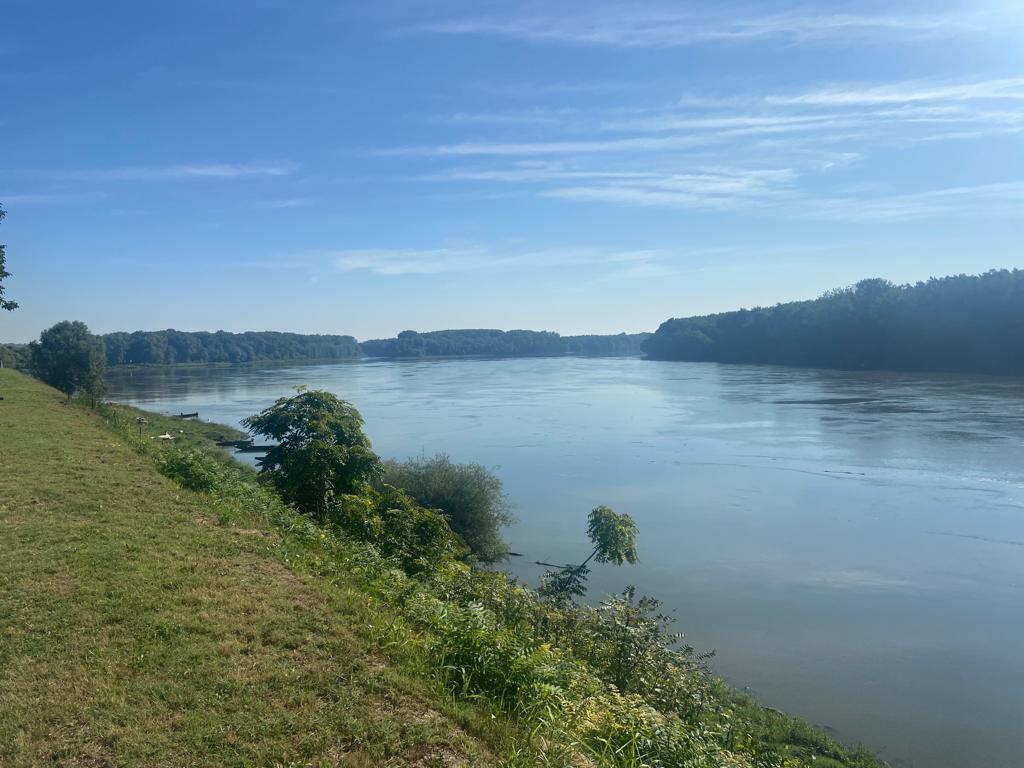
The Danube is Europe’s second-longest river. It flows through ten countries, and its river basin covers more than 800,000 km². In addition to serving as a vital source of water and an important transport and economic corridor, the Danube is one of Europe’s most valuable natural areas, supporting exceptional biodiversity.
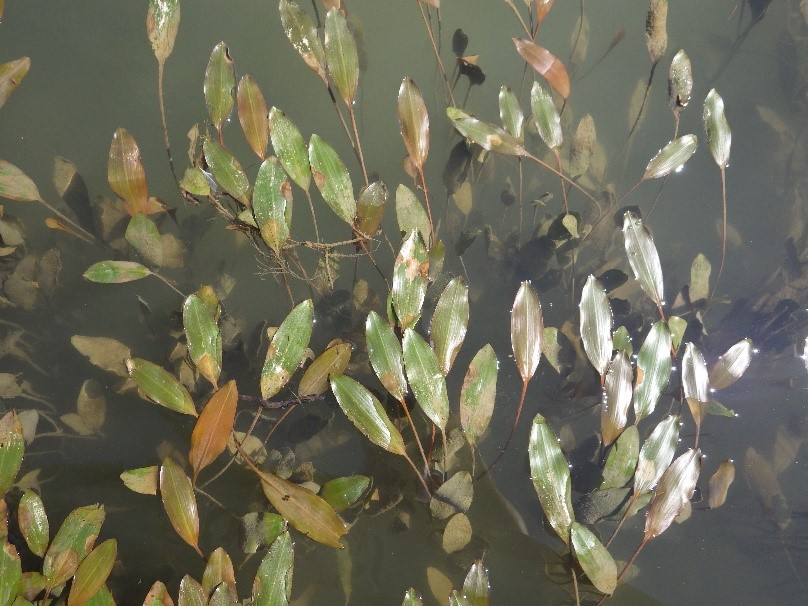
In Croatia, the Danube flows through the eastern part of the country, shaping Kopački Rit, one of Europe’s largest and best-preserved floodplain wetlands. The river’s natural dynamics, together with those of its tributaries, sustain valuable wetland habitats and provide essential conditions for a rich diversity of plant and animal species.
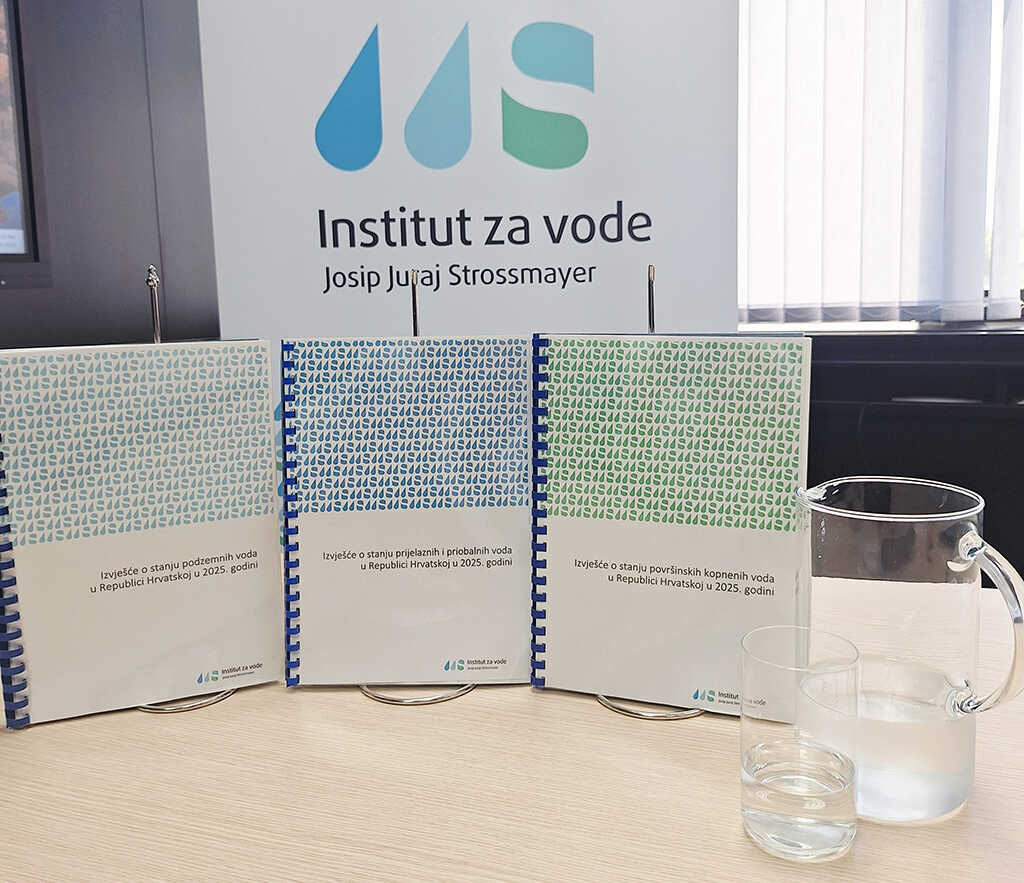
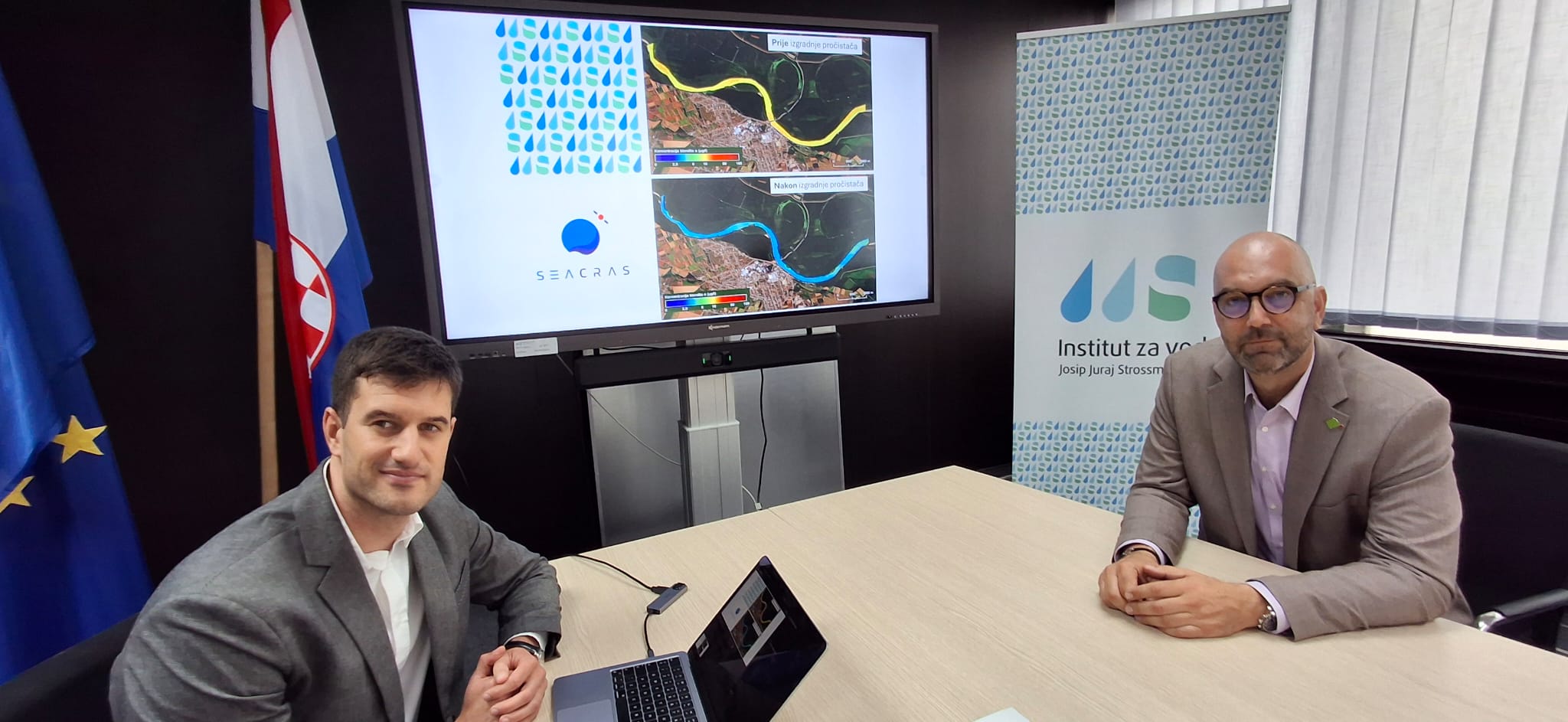
The Josip Juraj Strossmayer Water Institute actively contributes to the protection of the Danube through Croatia’s national surface water and groundwater monitoring programme and through its participation in the work of the International Commission for the Protection of the Danube River (ICPDR). The Institute systematically monitors physical-chemical, chemical, and biological indicators of water status and contributes to the development and application of modern monitoring methodologies.
A particularly important aspect of the Institute’s international engagement is its participation in the Joint Danube Survey (JDS), the largest coordinated scientific survey of the Danube River. The programme assesses the condition of river ecosystems while monitoring microplastics, environmental DNA (eDNA), priority pollutants, and other indicators that are essential for understanding changes within the river system.
Reliable data form the foundation of effective water management. The monitoring carried out by the Institute therefore provides an essential scientific and technical basis for protecting the Danube, implementing European water legislation, and supporting evidence-based decision-making in the management of water resources.
Danube Day serves as a reminder that great rivers do not recognise national borders. Their protection is possible only through shared responsibility, international cooperation, and science-based monitoring. In this effort, the Josip Juraj Strossmayer Water Institute plays an important and widely recognised expert role.