Every year on 8 June, the world marks World Oceans Day, a United Nations observance that reminds us that the future of the planet’s largest ecosystem depends not only on countries with ocean coastlines, but on each and every one of us. This year’s message emphasizes that the health of the oceans is inseparably linked to the health of rivers, lakes, and seas, which together form a single global water system.
Oceans cover more than 70 percent of the Earth’s surface, produce a significant share of the oxygen we breathe, help mitigate the effects of climate change, regulate the circulation of water and heat, and provide habitat for an extraordinary diversity of plant and animal life. At the same time, they face growing pressures from pollution, habitat loss, climate change, and increasing amounts of waste, particularly plastic and microplastic pollution.
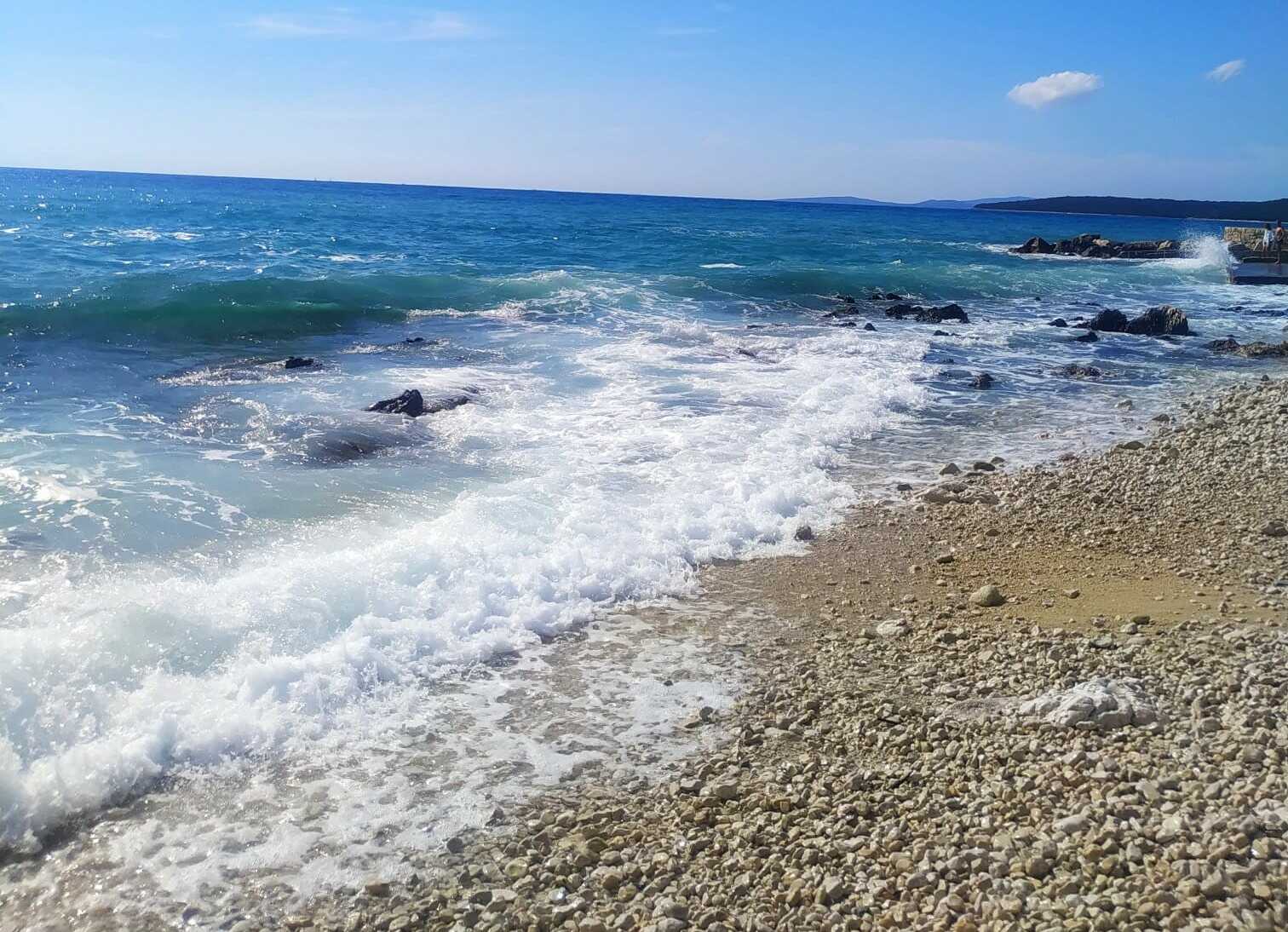
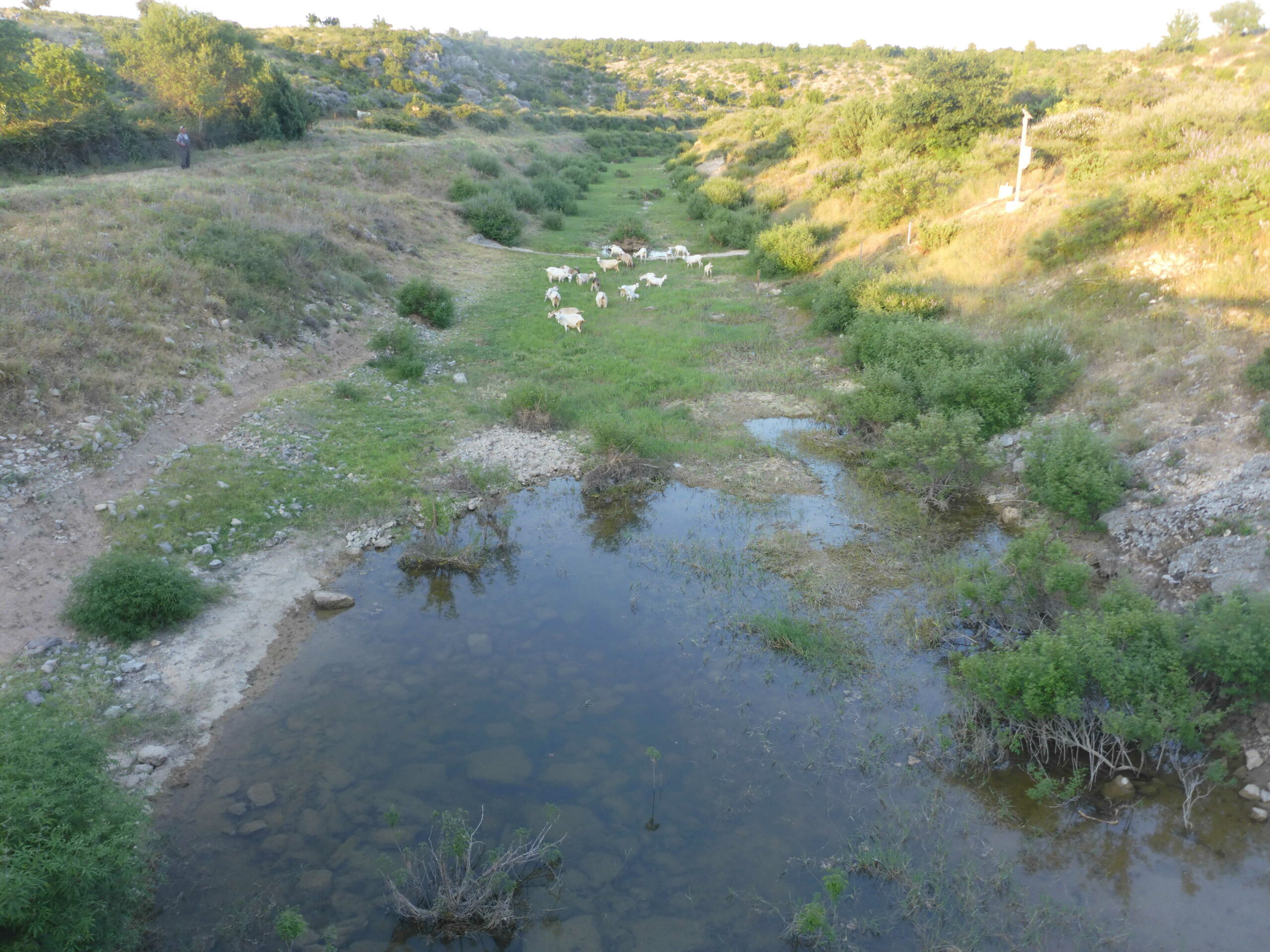
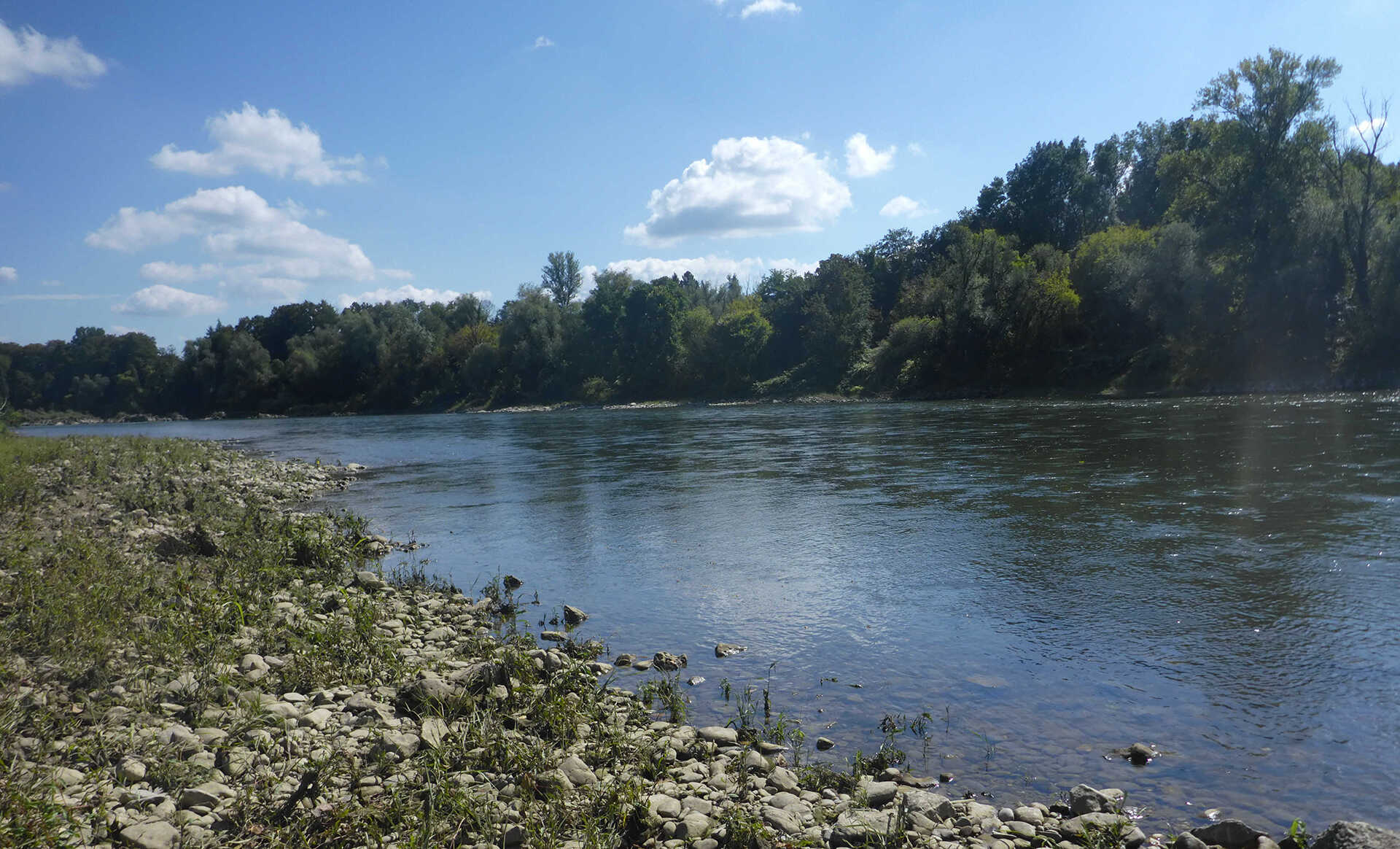
Although Croatia does not have an ocean coastline, its waters are an integral part of the global ocean system. Every drop of rain that falls on Croatian mountains, every stream and river, and every estuary and coastal water body ultimately becomes part of the Adriatic Sea, the Mediterranean Sea, and the world’s oceans. For this reason, ocean protection does not begin offshore—it begins much earlier, within river basins, cities, agricultural areas, and industrial zones.
This is one of the reasons why the Josip Juraj Strossmayer Water Institute carries out extensive monitoring of Croatia’s surface waters, transitional waters, and coastal waters on a daily basis. By monitoring physical-chemical, chemical, and biological indicators of water status, the Institute collects data that enable the timely detection of environmental changes and support the implementation of measures to protect aquatic ecosystems.
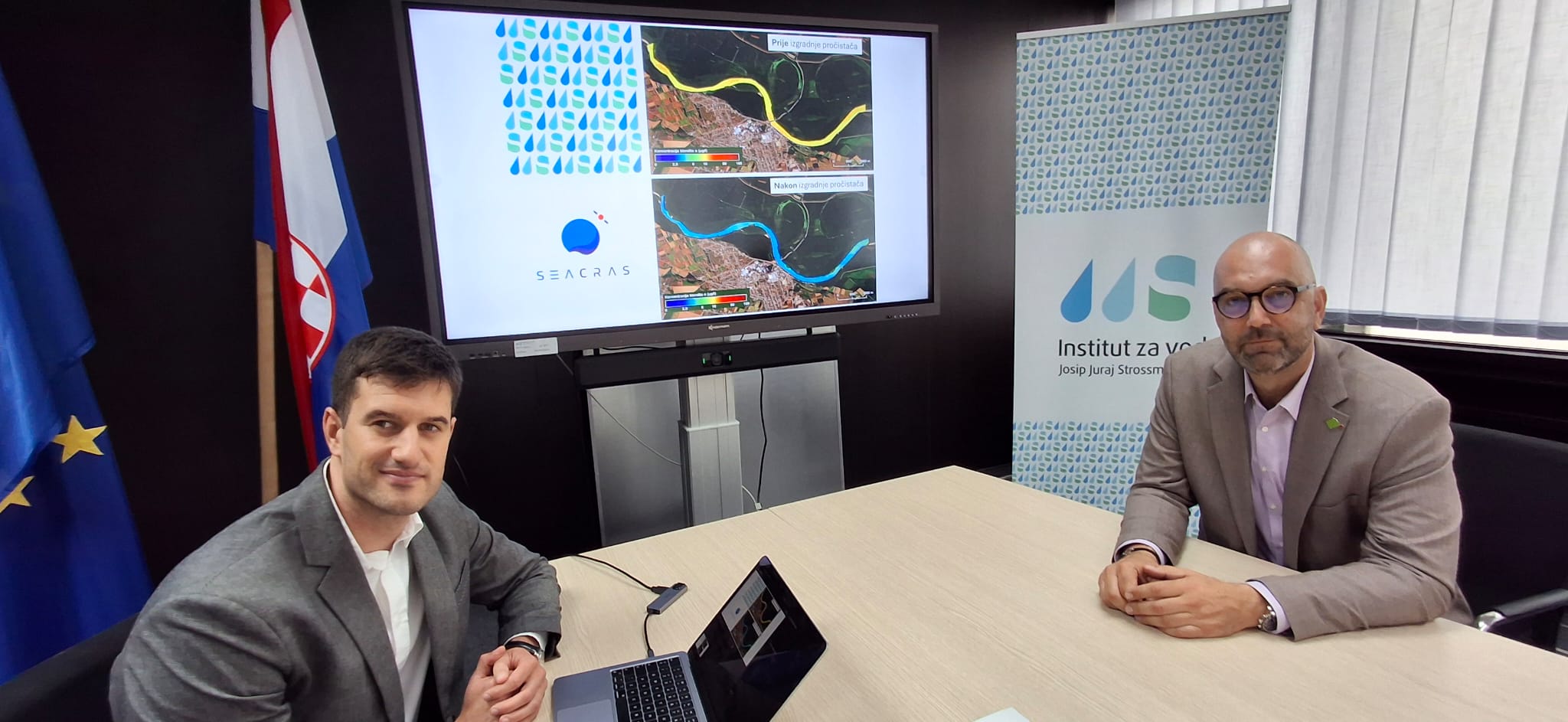
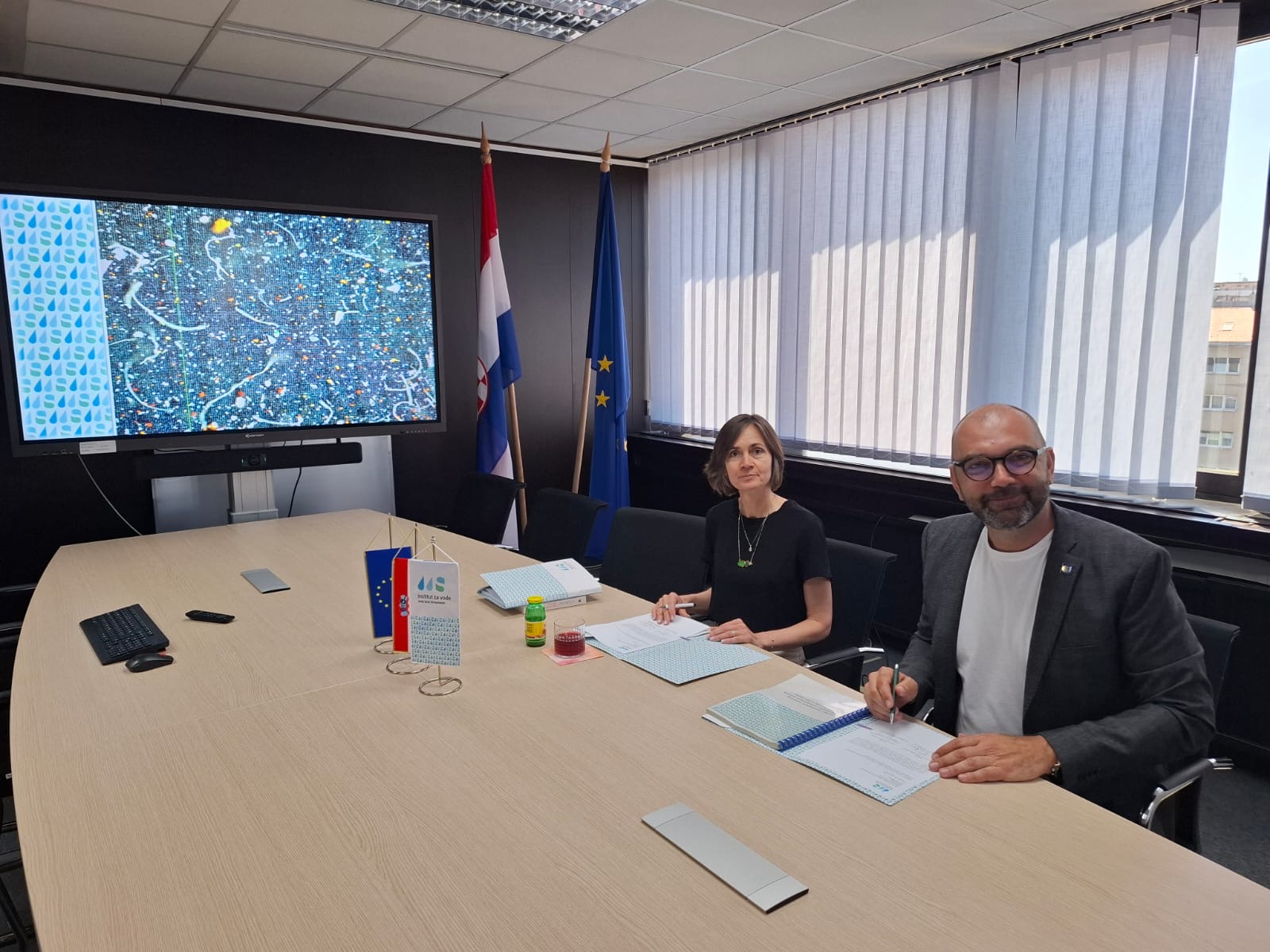
In recent years, the Institute has further advanced modern approaches to water and marine monitoring through microplastics research, the development of innovative sampling systems, the application of autonomous technologies and satellite-based monitoring, and participation in national and international marine protection projects. These solutions contribute to a better understanding of the connections between terrestrial and marine ecosystems and support more effective water resource management.
International cooperation is particularly important for the protection of the marine environment. The Adriatic Sea is part of the Mediterranean, and the Mediterranean is connected to the global ocean. Challenges such as microplastic pollution, climate change, and environmental contamination do not recognize national borders, making the exchange of knowledge and coordinated international action essential for the preservation of aquatic ecosystems.
World Oceans Day is therefore not only a reminder of the beauty and power of the sea. It reminds us that every river is connected to the sea, and every sea to the ocean. By protecting springs, streams, rivers, lakes, transitional waters, and coastal waters, we also protect the Adriatic, the Mediterranean, and the oceans that connect our planet.
Because ocean protection does not begin at the shoreline. By safeguarding Croatia’s waters, we contribute to the protection of the Adriatic Sea, the Mediterranean Sea, and the world’s oceans.