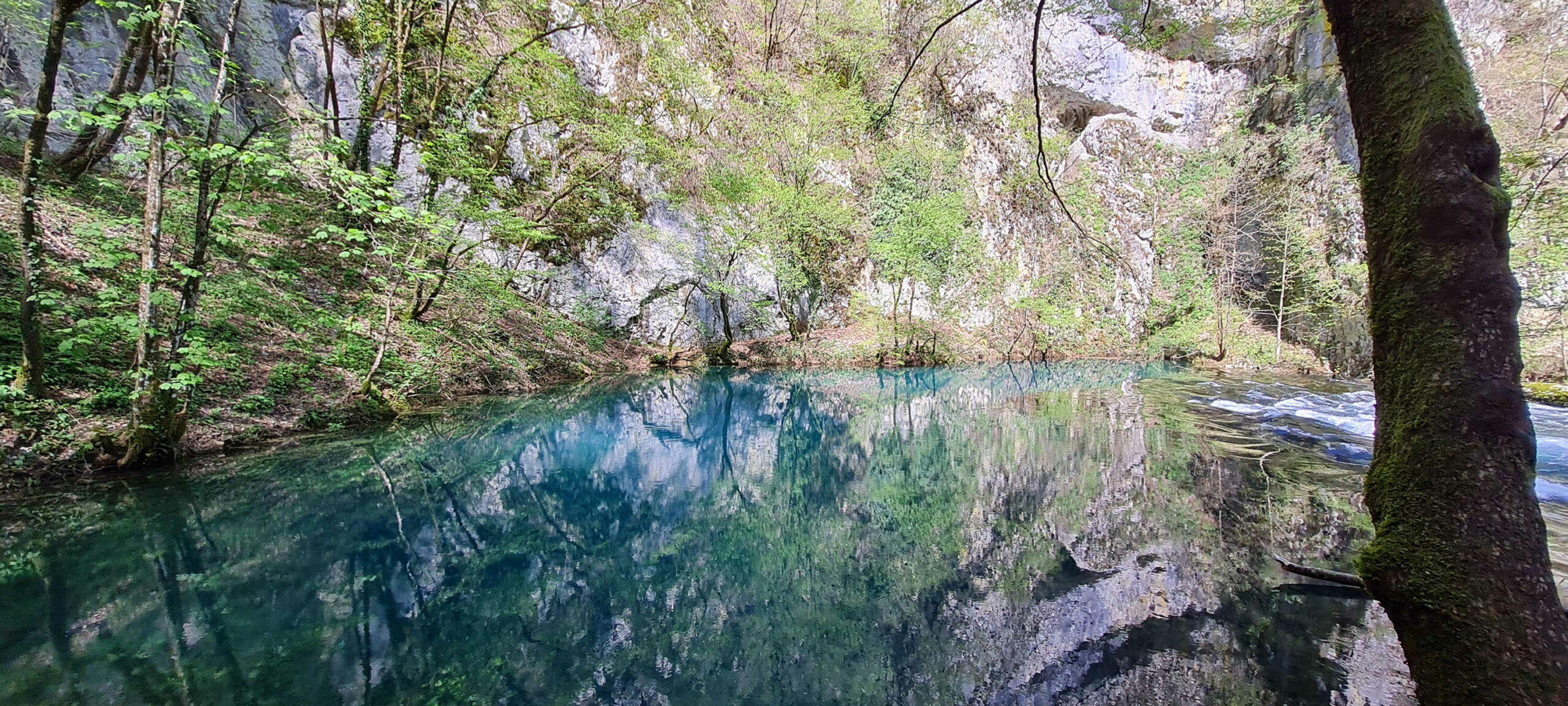
How can changes in rivers, lakes, and the sea be detected before their consequences become visible? This is precisely the question that the Josip Juraj Strossmayer Water Institute, in partnership with SeaCras, is addressing through the development of a next-generation system that combines satellite observations with field measurements, enabling water status monitoring in a manner comparable to the most advanced European approaches.
The system makes it possible to monitor a large number of water bodies simultaneously, including large and small rivers, lakes, reservoirs, coastal waters, and marine environments. It opens new opportunities for the early detection of environmental changes and for more effective evaluation of the impacts of water protection measures and environmental investments.
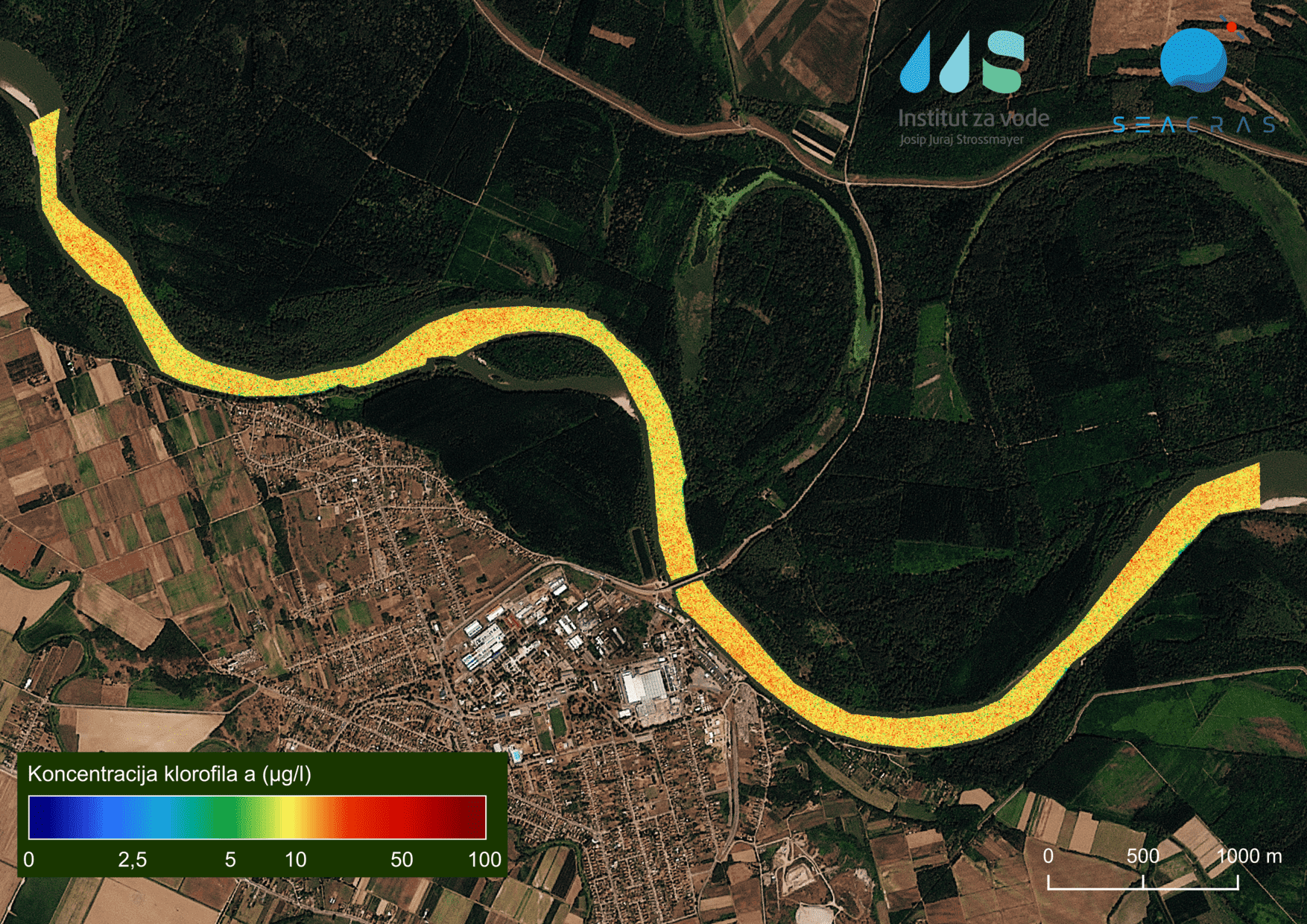
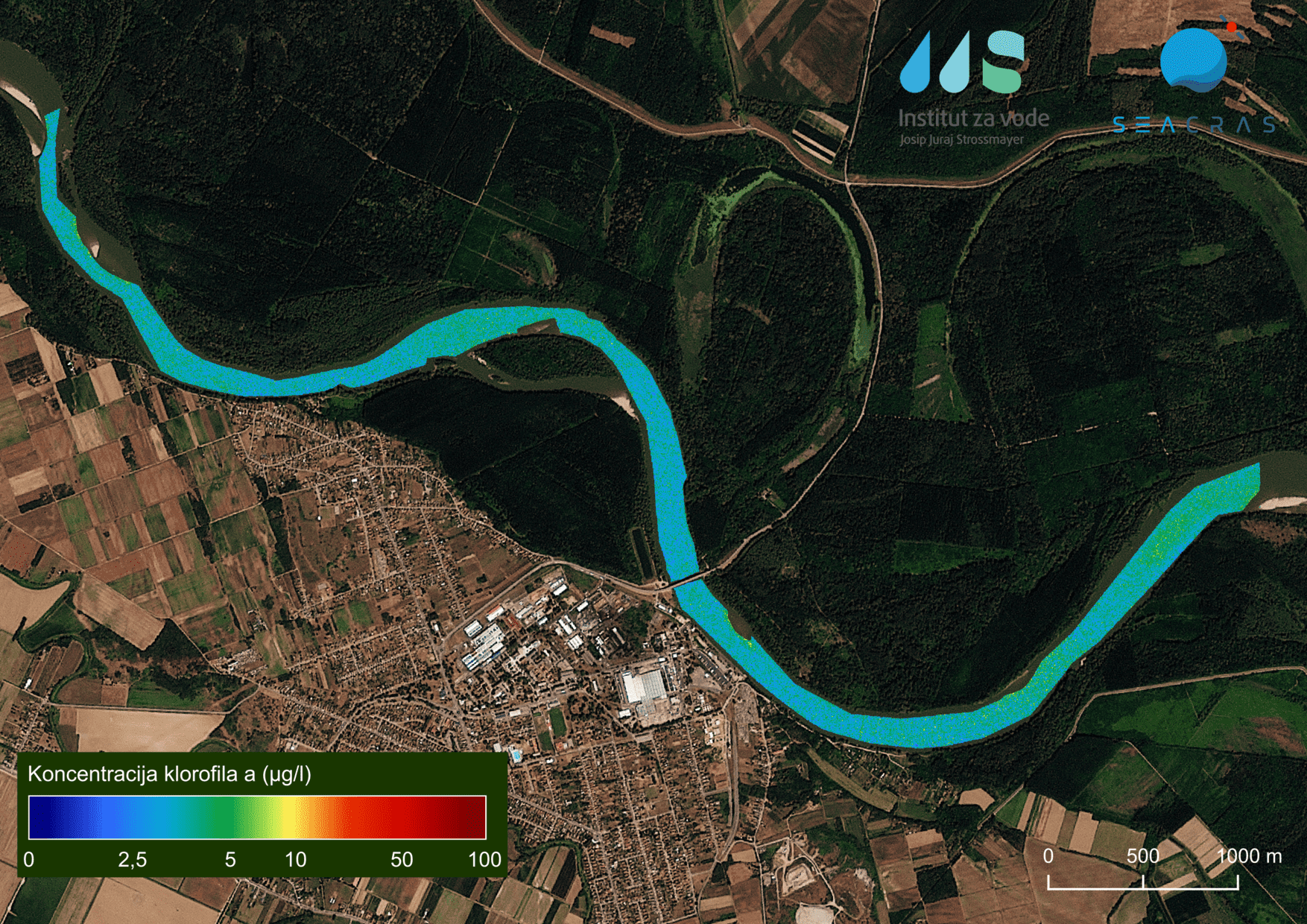
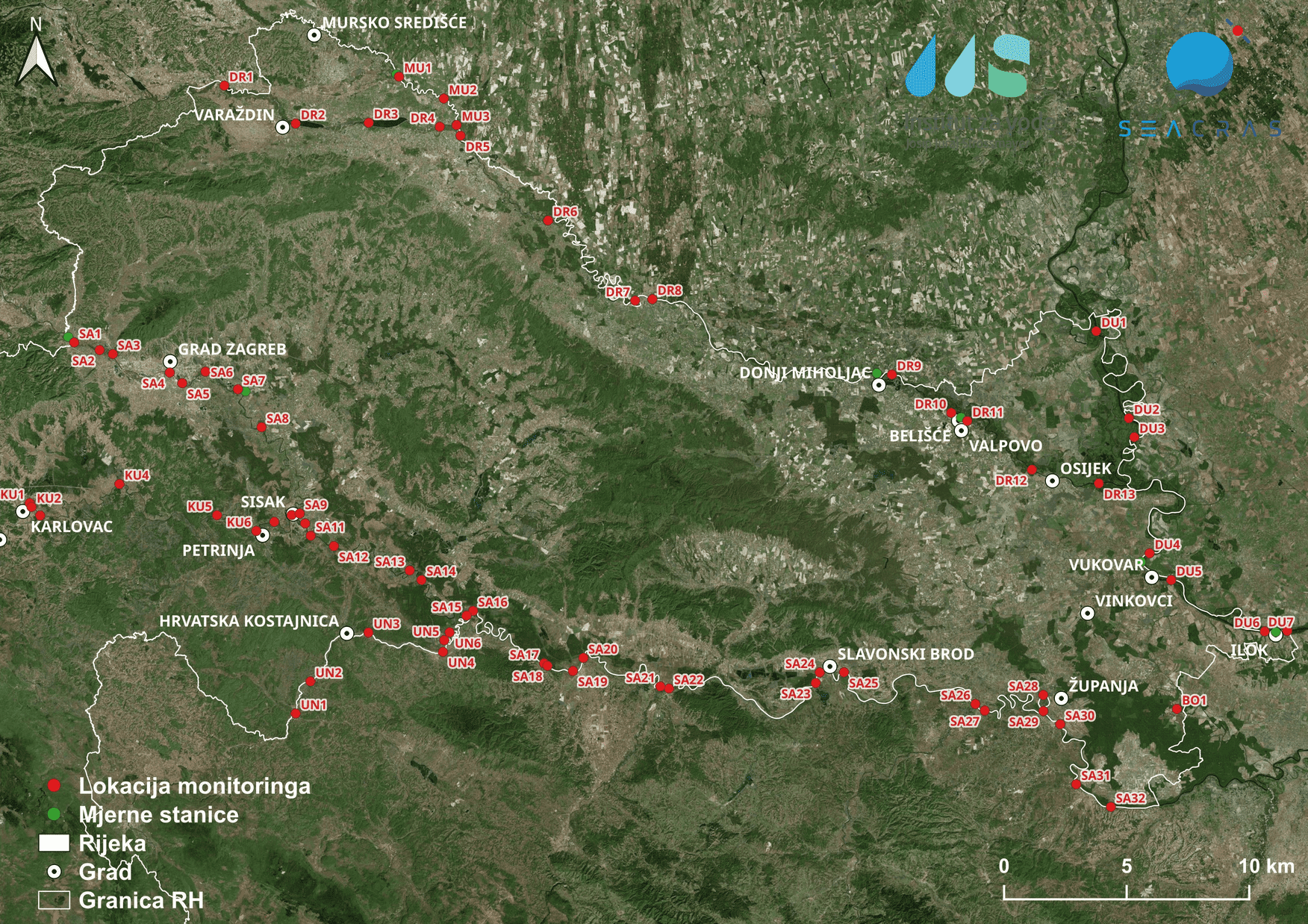
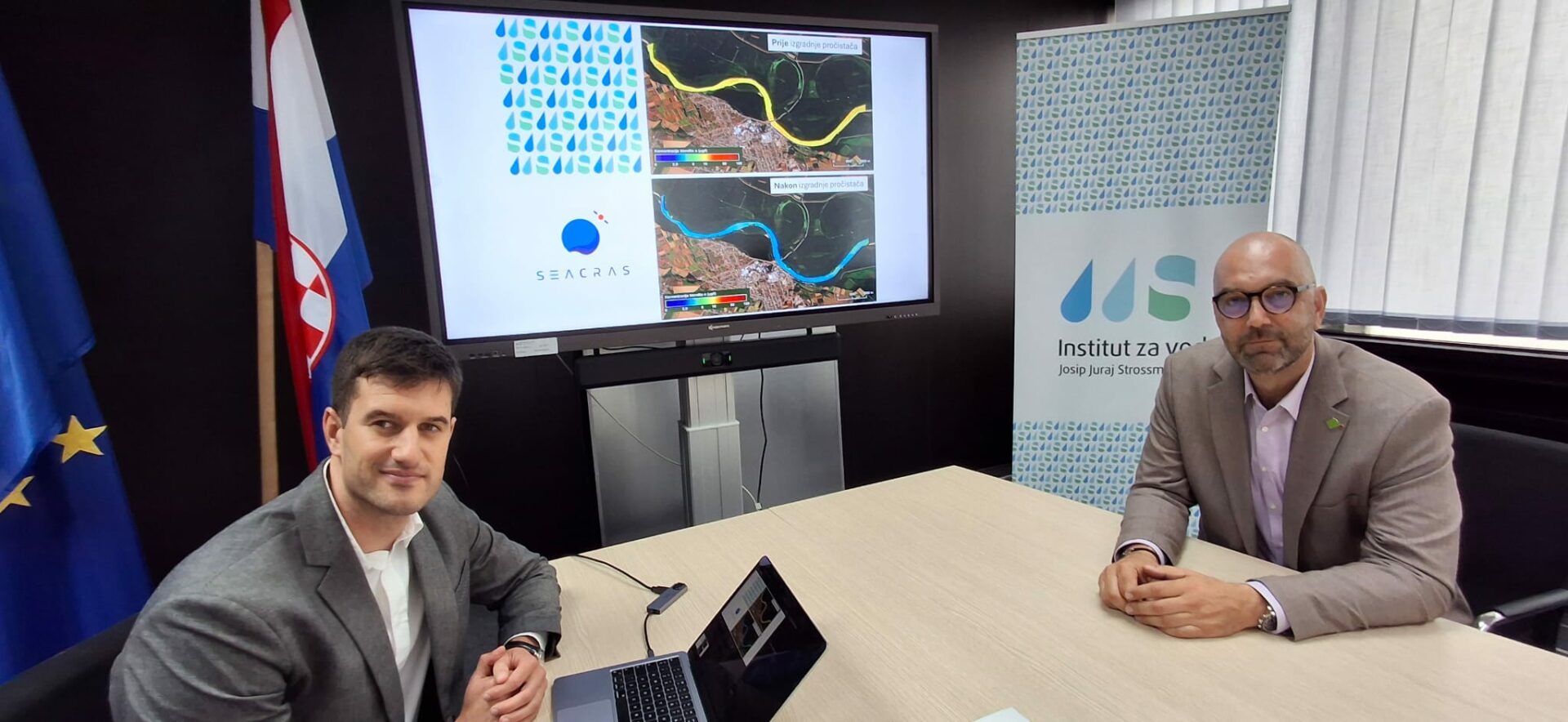
The first demonstration project was conducted on the Drava River following the commissioning of one of Croatia’s largest wastewater treatment plants. A comparison of conditions before and after the plant became operational revealed the first positive changes in water quality, while satellite observations confirmed the results recorded through field monitoring.
Among the indicators observed were changes in parameters commonly used to assess environmental pressures and eutrophication in river ecosystems, including biochemical oxygen demand (BOD₅), total phosphorus, and chlorophyll-a.
A particular strength of the system lies in its high spatial resolution, which allows monitoring not only of large rivers and lakes but also of smaller watercourses and multiple water bodies simultaneously. This creates opportunities for tracking environmental changes at local, national, and transboundary levels.
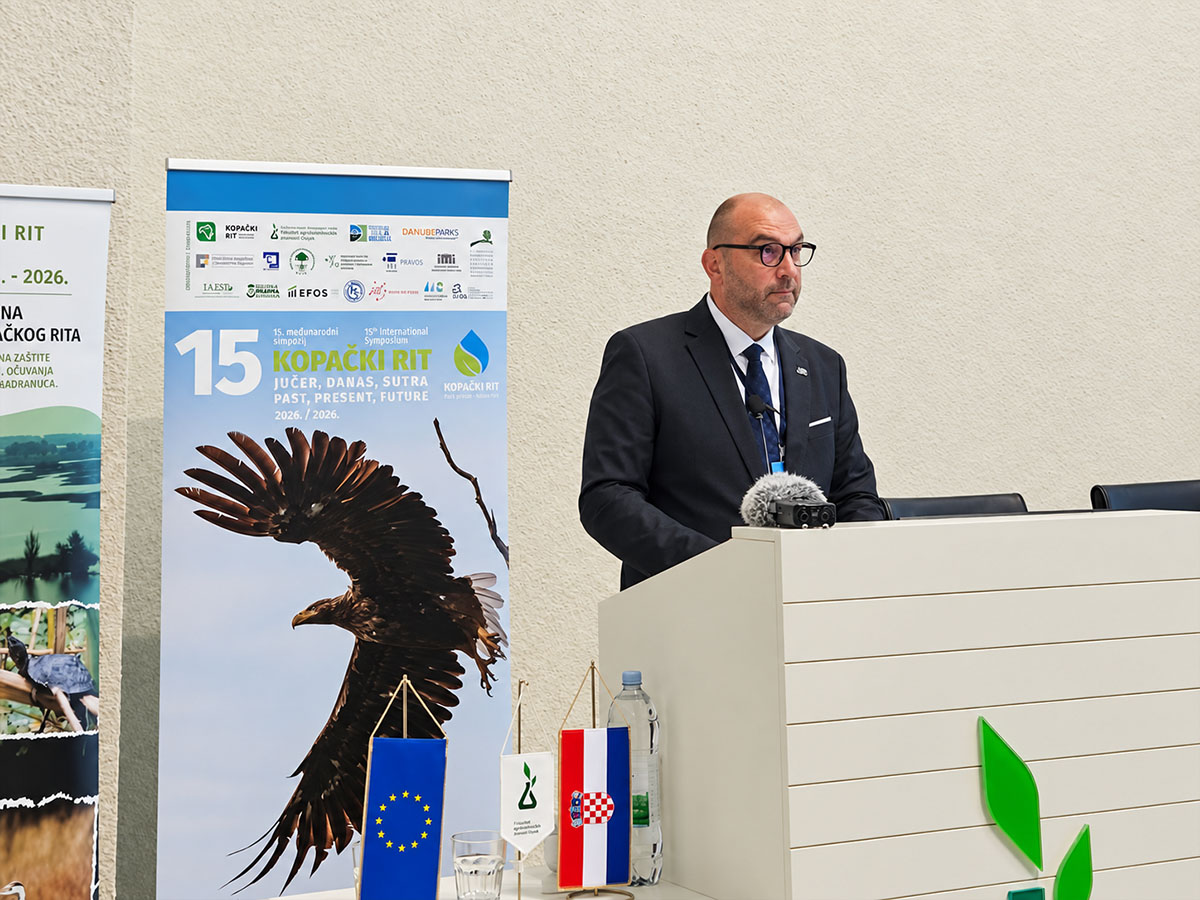
Mario Šiljeg, Director of the Josip Juraj Strossmayer Water Institute, emphasized that this approach opens, for the first time, the possibility of evaluating investments in water protection not only through the infrastructure that has been built, but also through measurable changes in the environment itself.
“Until now, we have mostly known how much something cost and what was built. Today, we can monitor what happens in the water afterwards. Using the Drava River as an example, we have demonstrated that changes can be tracked by combining conventional monitoring with satellite observations. This is particularly important because rivers are not merely watercourses—they are living systems that respond both to pressures and to the measures we take to protect them,” said Šiljeg.
The project also involves SeaCras, a Croatian technology company specializing in satellite-based monitoring of inland and marine waters. The initiative demonstrates the potential of cooperation between Croatian scientific and technological capacities in developing innovative solutions for water and environmental management.
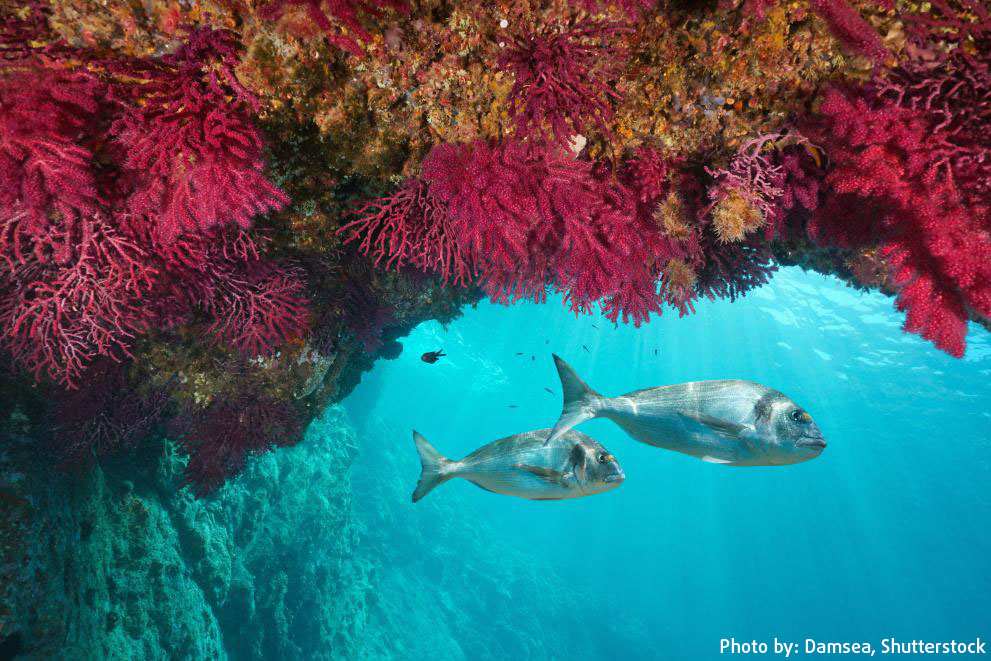
Across Europe, satellite data are already being used to monitor the condition of marine and coastal areas. This approach could also have broad applications in the Adriatic Sea, including the assessment of impacts from coastal urbanization, wastewater treatment plant operations, river inflows, climate-related pressures, and specific incidents that leave visible traces in water bodies or marine environments.
At a time when Croatia is investing substantial resources in wastewater collection and treatment systems, the need is also growing for tools capable of demonstrating the actual effects of these investments on water quality.
Systems that integrate satellite observations with field measurements make it possible to identify changes in rivers, lakes, and marine environments at an earlier stage, to provide evidence of the effectiveness of investments, and to support decision-making based on data rather than assumptions. For this reason, the development of such technologies is not merely a matter of monitoring—it is also a matter of the future management of one of Croatia’s most valuable natural resources.