World Day to Combat Desertification and Drought is observed each year on 17 June to raise awareness of the consequences of land degradation, the loss of water resources, and climate change. The day was established by the United Nations in 1994 with the aim of promoting the sustainable management of soil, water, and natural resources.
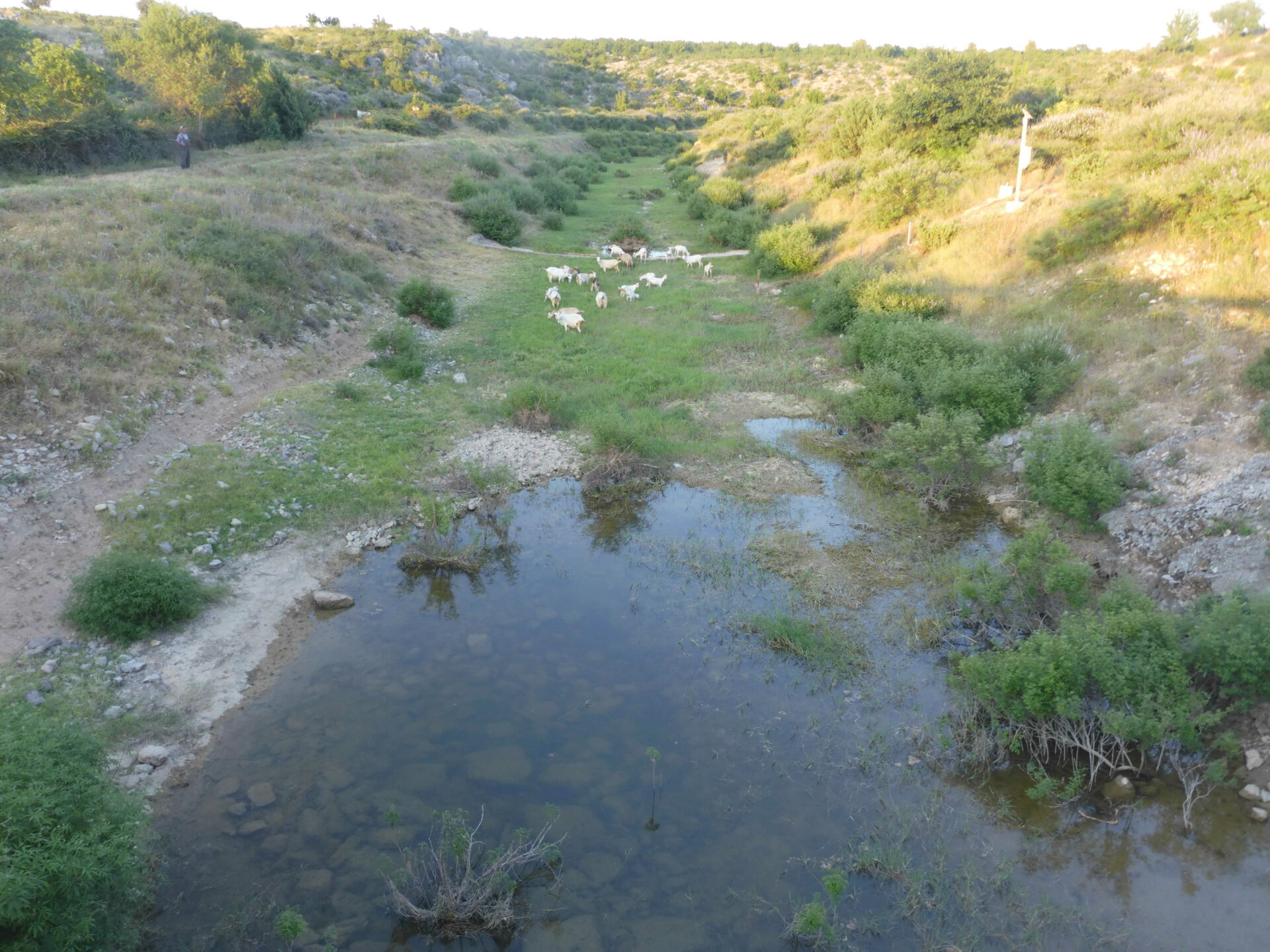
Today, desertification and drought are no longer challenges confined to specific regions of the world. Increasingly frequent extreme weather events, prolonged drought periods, and changes in precipitation patterns are affecting water availability, ecosystem health, and food security across Europe. As a result, the need for high-quality data and science-based management of natural resources is becoming increasingly important.
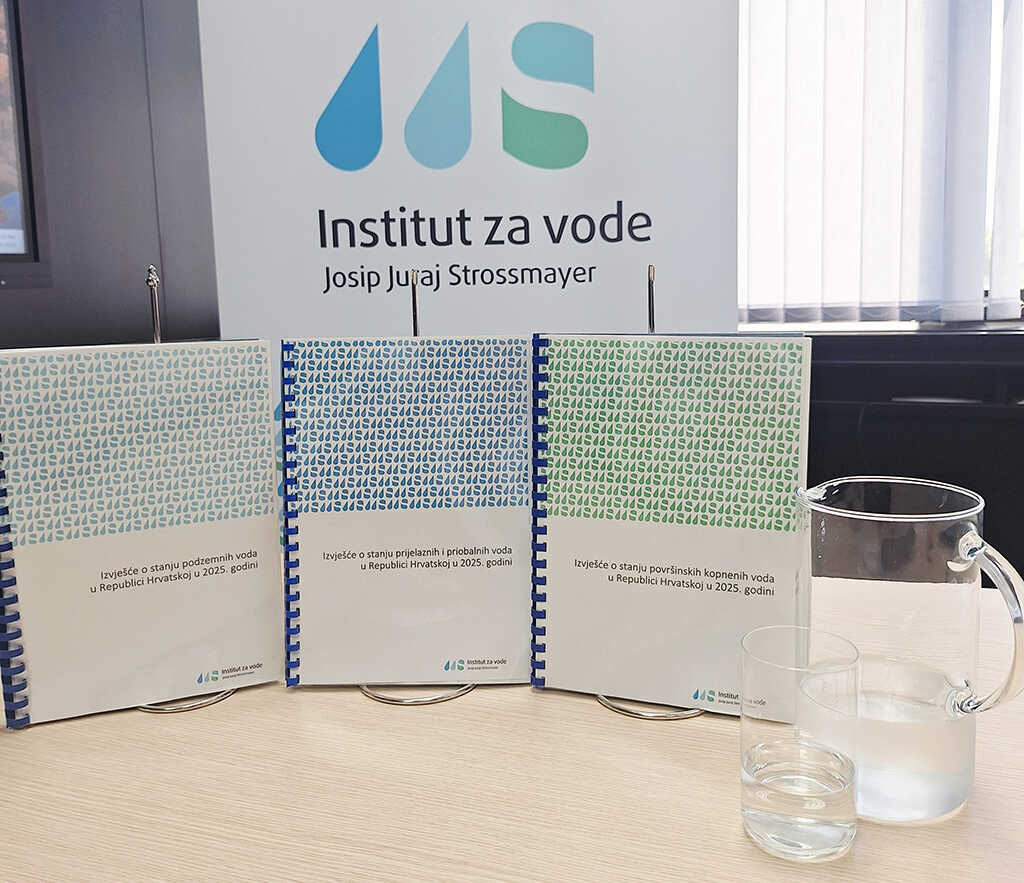
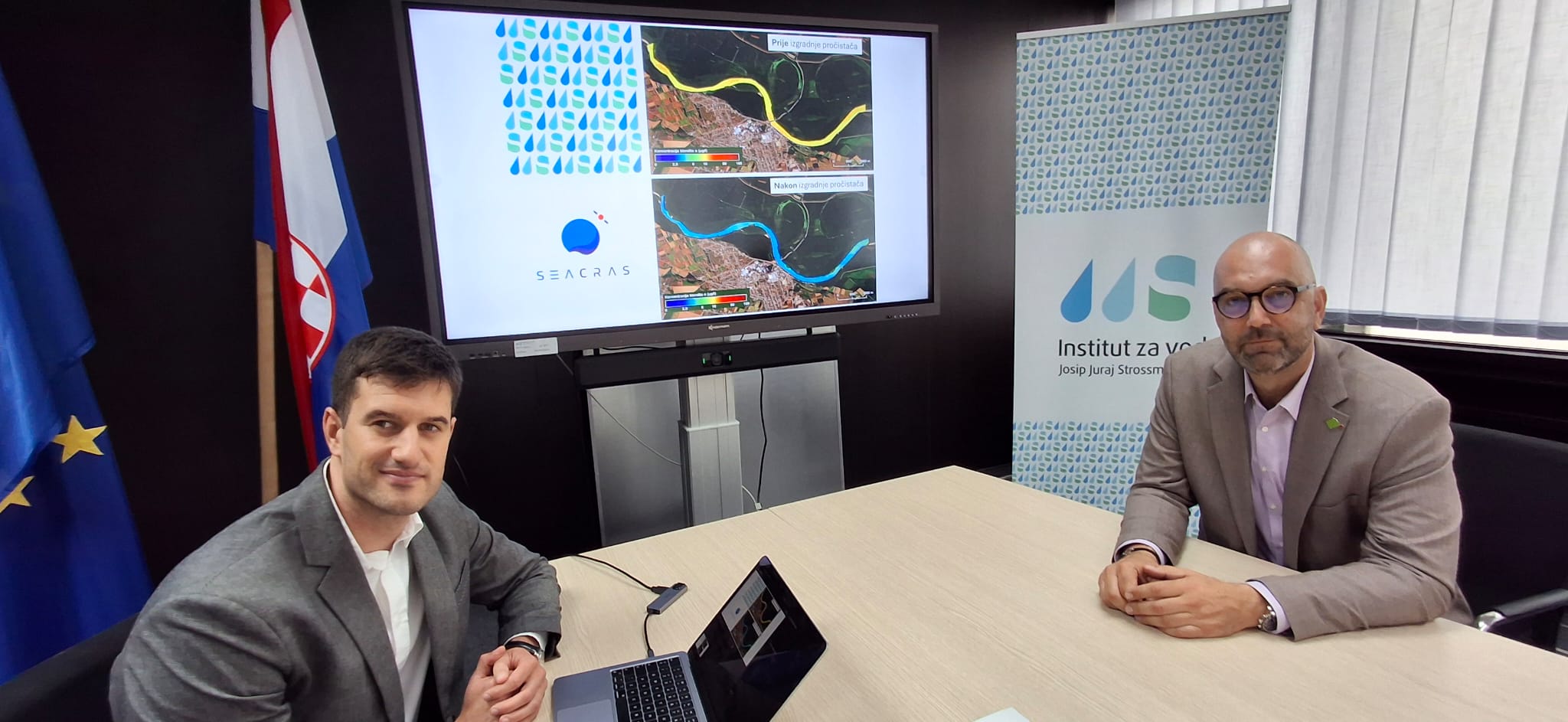
Water monitoring is one of the key tools for adapting to climate change. The Josip Juraj Strossmayer Water Institute carries out national monitoring of surface waters, groundwater, and coastal waters, providing the scientific and professional basis for the management of Croatia’s water resources. Through its network of monitoring stations, field investigations, and laboratory analyses, the Institute continuously tracks changes in both the quantity and quality of water resources, enabling the timely identification of risks associated with drought and environmental degradation.
In addition to routine monitoring activities, the Institute develops and applies modern approaches to water assessment that integrate field measurements, laboratory analyses, and advanced technologies. At the same time, it conducts research into emerging environmental challenges, including the presence of microplastics and other contaminants in aquatic environments, thereby contributing to a better understanding and protection of water resources.
Soil and water are inseparably connected. Healthy soils retain moisture, mitigate the impacts of drought, and reduce the risk of erosion. When soil degradation occurs, its capacity to retain water declines, resulting in falling groundwater levels, reduced river flows, and increased pressure on natural ecosystems.
Although Croatia is not traditionally considered a region affected by desertification, the impacts of prolonged droughts have become increasingly evident in recent years. For this reason, the Josip Juraj Strossmayer Water Institute continues to strengthen its monitoring capacities, develop new research methods, and participate in projects aimed at protecting water resources and supporting climate change adaptation.
World Day to Combat Desertification and Drought reminds us that water and soil are among our most valuable natural resources. Their protection requires knowledge, responsible management, and long-term planning. Through its professional work, research, and monitoring activities, the Josip Juraj Strossmayer Water Institute makes an important contribution to safeguarding water resources and enhancing society’s resilience to future challenges.