The official statement published today by the Croatian Institute of Public Health (HZJZ) regarding the presence of PFAS compounds, commonly referred to as “forever chemicals,” in water intended for human consumption in the areas of Gospić and Otočac has once again demonstrated the importance of systematic water monitoring and cooperation among competent institutions in protecting both human health and the environment.
In its statement, HZJZ notes that the monitoring of PFAS compounds in the Republic of Croatia is carried out in accordance with European and Croatian legislation and that the risk to human health in the observed area is considered negligible. At the same time, it emphasizes that the monitoring of potential impacts on surface water and groundwater in the environment falls within the responsibilities of Croatian Waters and the Josip Juraj Strossmayer Water Institute.
This division of responsibilities is an integral part of a modern water management system. While public health institutions monitor the safety of water intended for human consumption, professional institutions in the water sector assess the status of surface waters and groundwater and monitor the potential environmental impacts of various pressures and pollutants.
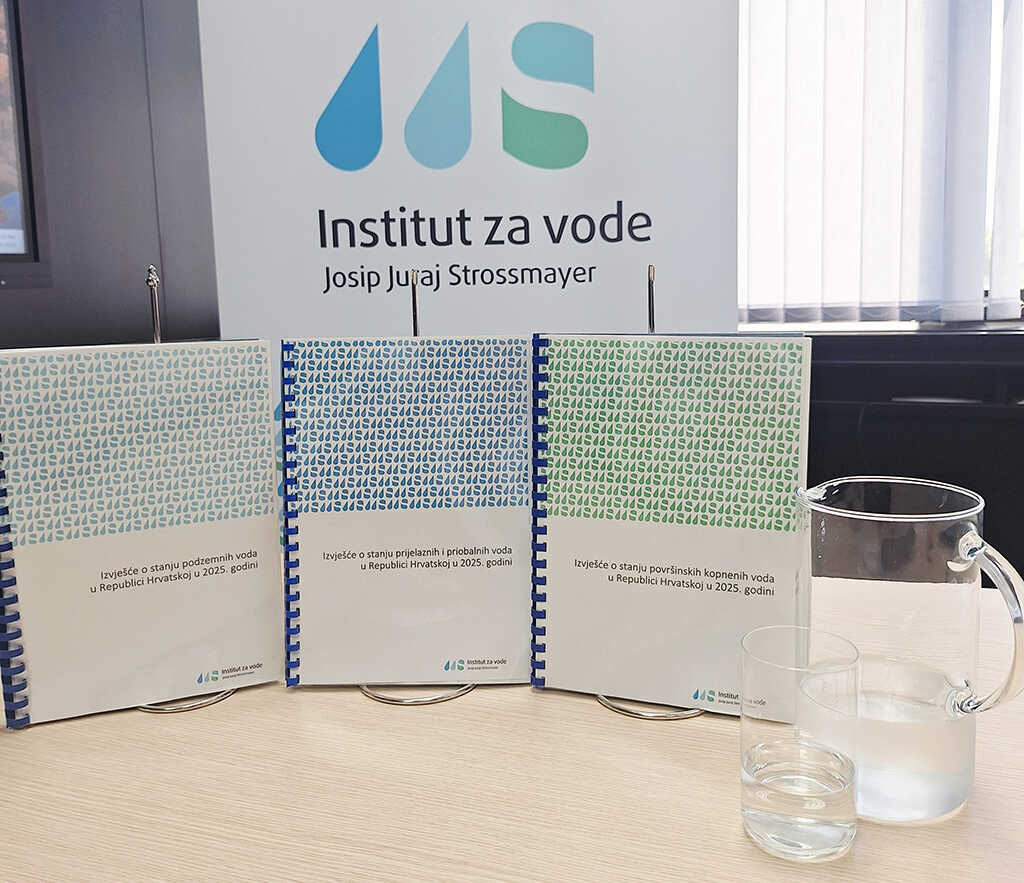
Through its monitoring programmes, the Josip Juraj Strossmayer Water Institute contributes to the assessment of Croatia’s water resources and the development of professional and analytical approaches that enable the timely identification of potential environmental changes and provide a sound scientific basis for water management decisions. Such a system is important not only for environmental protection but also for the early detection of potential risks and for ensuring that decisions are based on reliable and verified data.
Today’s statement by HZJZ once again confirms the importance of interinstitutional cooperation and the exchange of expert data in safeguarding both the environment and public health. By linking the monitoring of water intended for human consumption with the monitoring of surface waters and groundwater, a comprehensive approach to the protection of one of Croatia’s most valuable natural resources is ensured, while also reinforcing confidence in professional expertise and the coordinated work of competent institutions.
The case of PFAS compounds demonstrates that modern environmental challenges can be successfully addressed through cooperation, scientific knowledge, and clearly defined institutional responsibilities. These are the foundations upon which the daily efforts to protect water resources and safeguard public health are built.