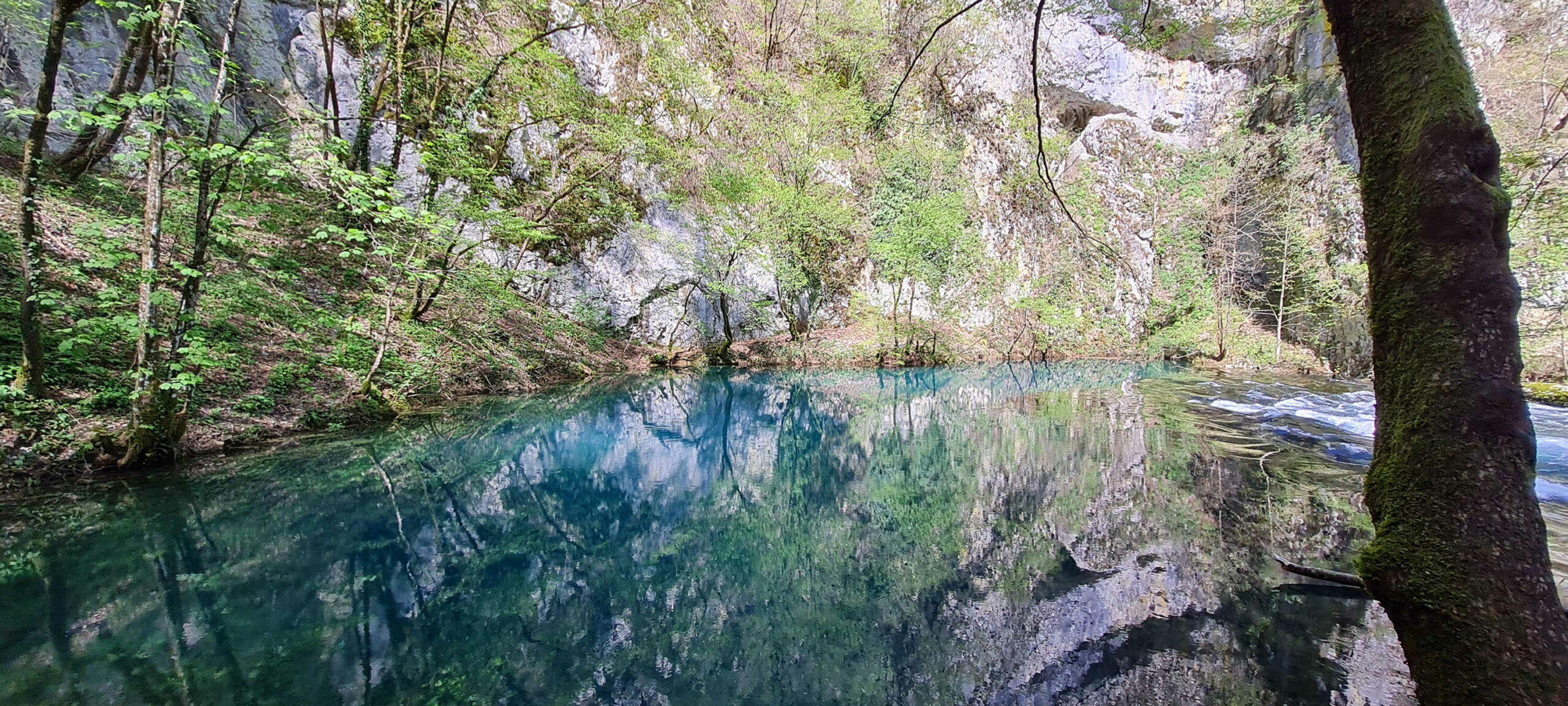
Groundwater continues to confirm its status as one of Croatia’s most valuable natural resources, while the protection of river ecosystems and coastal waters remains among the key priorities for future water management.
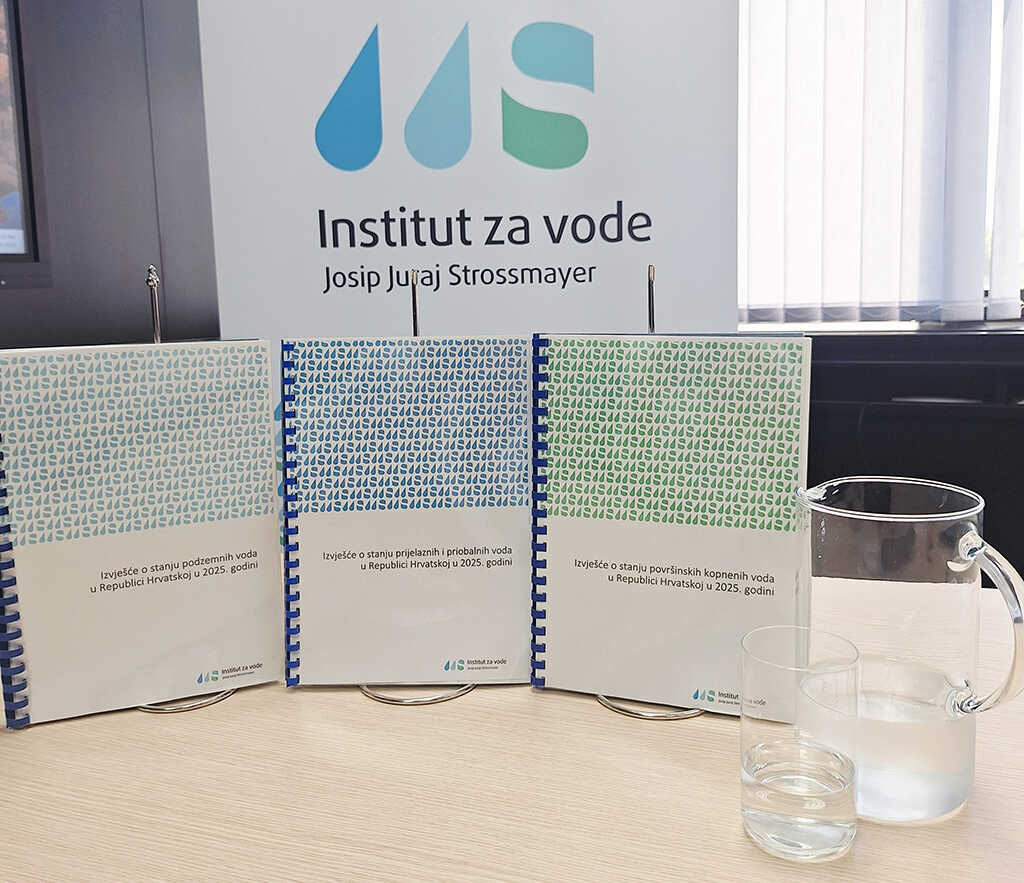
As the European Union increasingly highlights water as a strategic issue for future development, climate resilience, and security, the Josip Juraj Strossmayer Water Institute today published its 2025 Water Status Report. In accordance with the Croatian Water Act, the Report is an annual expert assessment covering the previous calendar year and is published by the end of June of the current year.
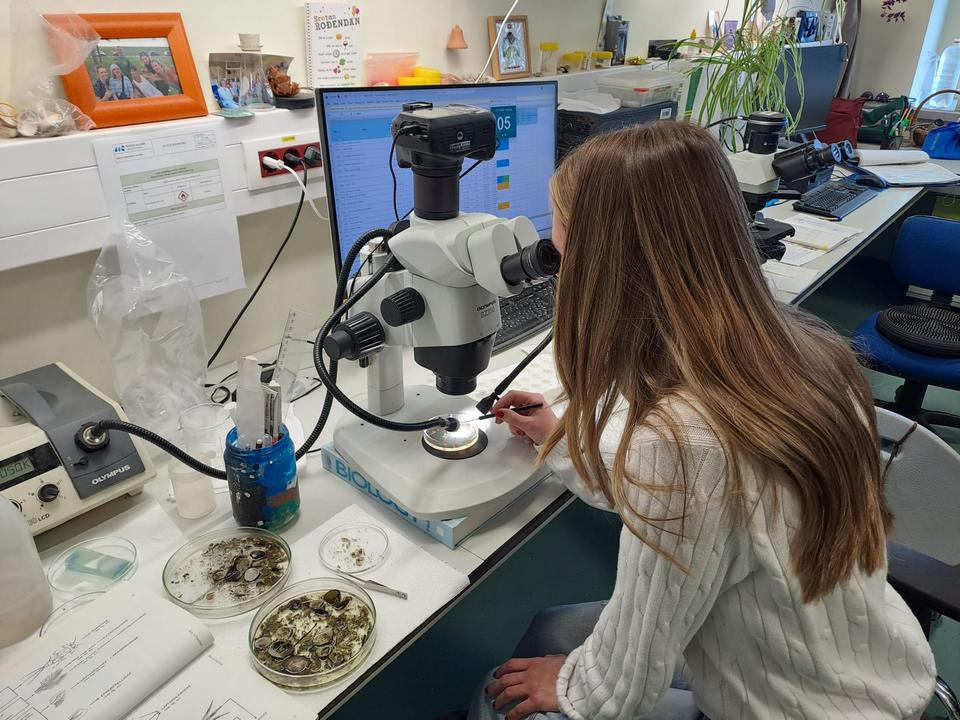
The Report provides the only comprehensive national expert assessment of the status of waters in the natural environment of the Republic of Croatia. It is based on monitoring carried out at more than 900 monitoring stations covering rivers, lakes, groundwater, transitional waters, and coastal waters, supported by thousands of field samples and tens of thousands of laboratory analyses.
It is important to note that the Report concerns the status of waters in the natural environment. The monitoring of drinking water intended for human consumption is carried out through a separate public health system, while this Report serves to assess the condition of Croatia’s water resources and to support the planning of measures for their protection.
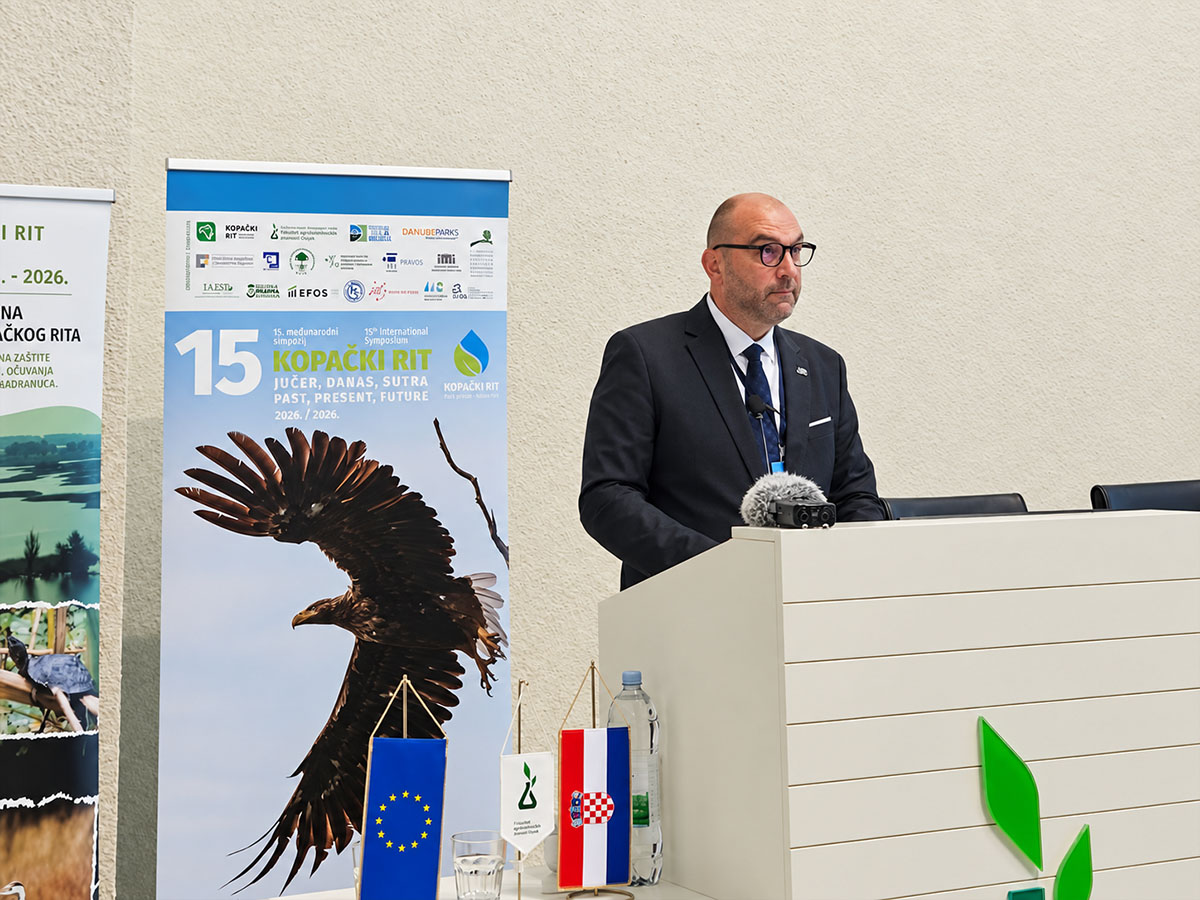
“Water is one of the few natural resources whose true value often becomes fully apparent only when it is under threat. Croatia still possesses exceptionally well-preserved water resources, which represent one of our greatest development assets but also a responsibility towards future generations. Systematic monitoring enables us to detect environmental changes at an early stage and make decisions based on reliable data. Such evidence is the foundation of responsible water management,” said Mario Šiljeg, Director General of the Josip Juraj Strossmayer Water Institute.
The results show that groundwater remains one of the best-preserved components of Croatia’s aquatic environment. At approximately 95% of the monitoring stations, no exceedances of the prescribed groundwater quality standards were recorded. At the same time, the assessment of the chemical status of groundwater bodies is based on very stringent criteria, meaning that even a single exceedance at one monitoring station may affect the classification of the entire groundwater body. This precautionary approach ensures a high level of protection for groundwater as a strategic natural resource.
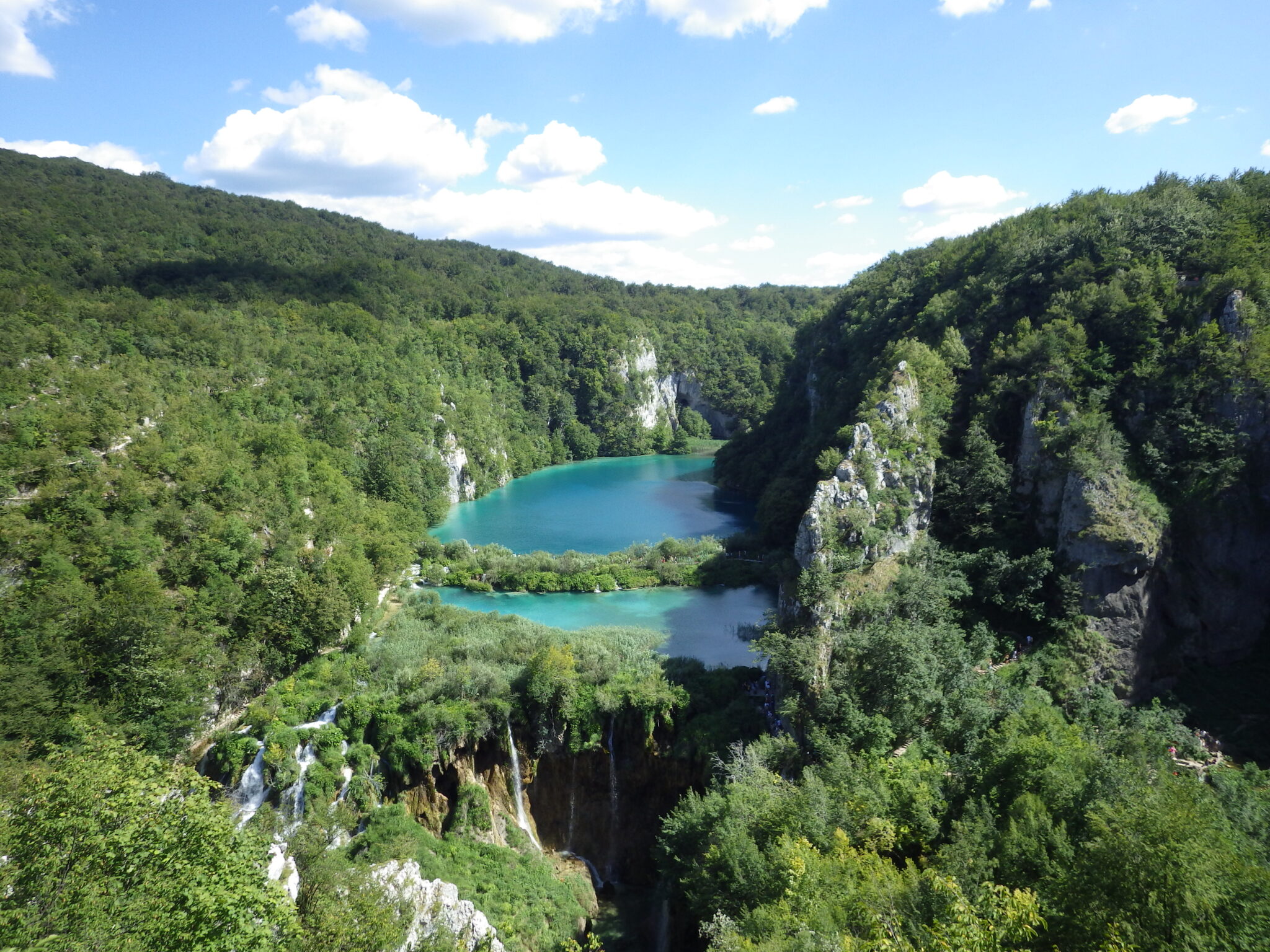
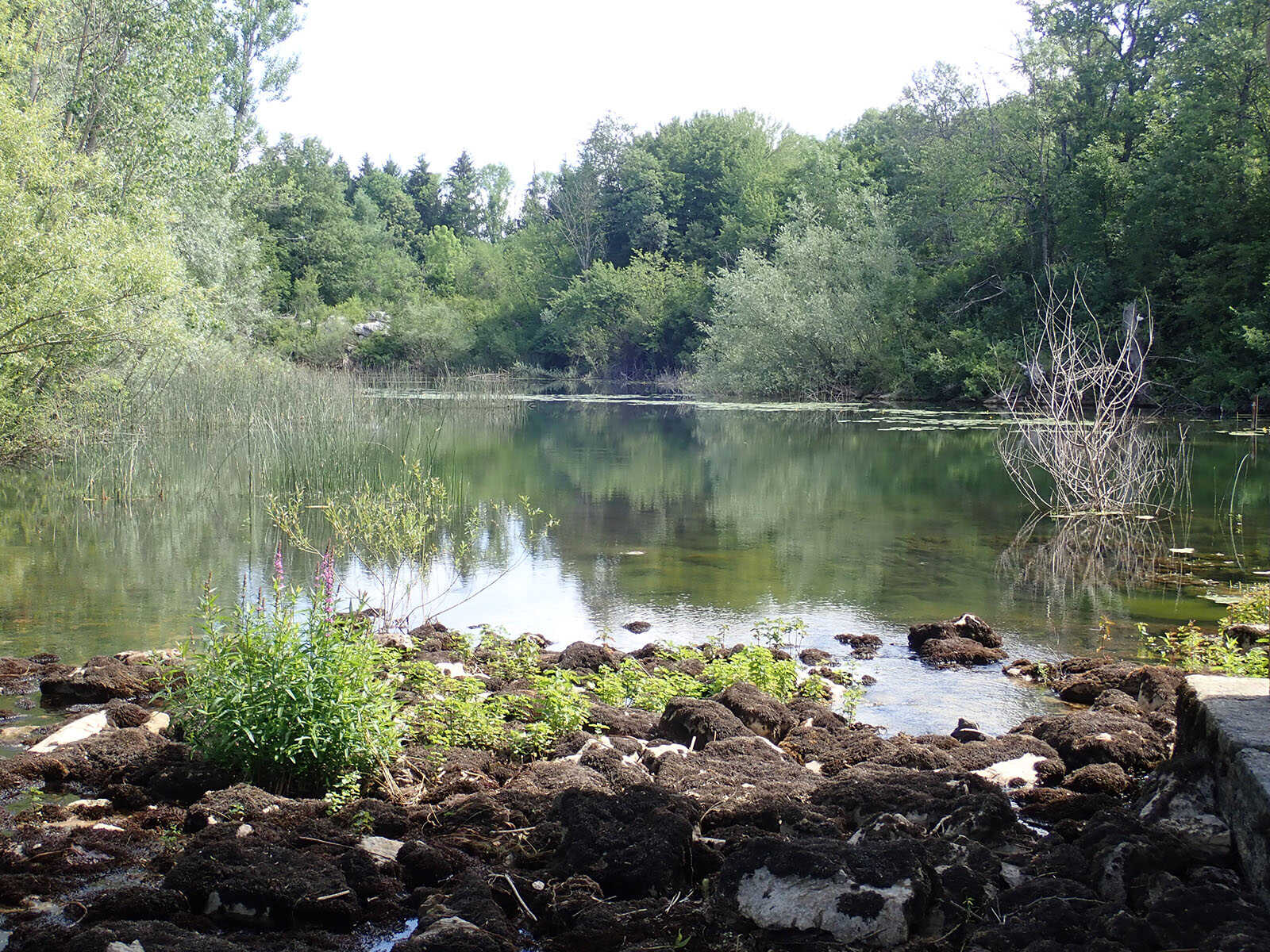
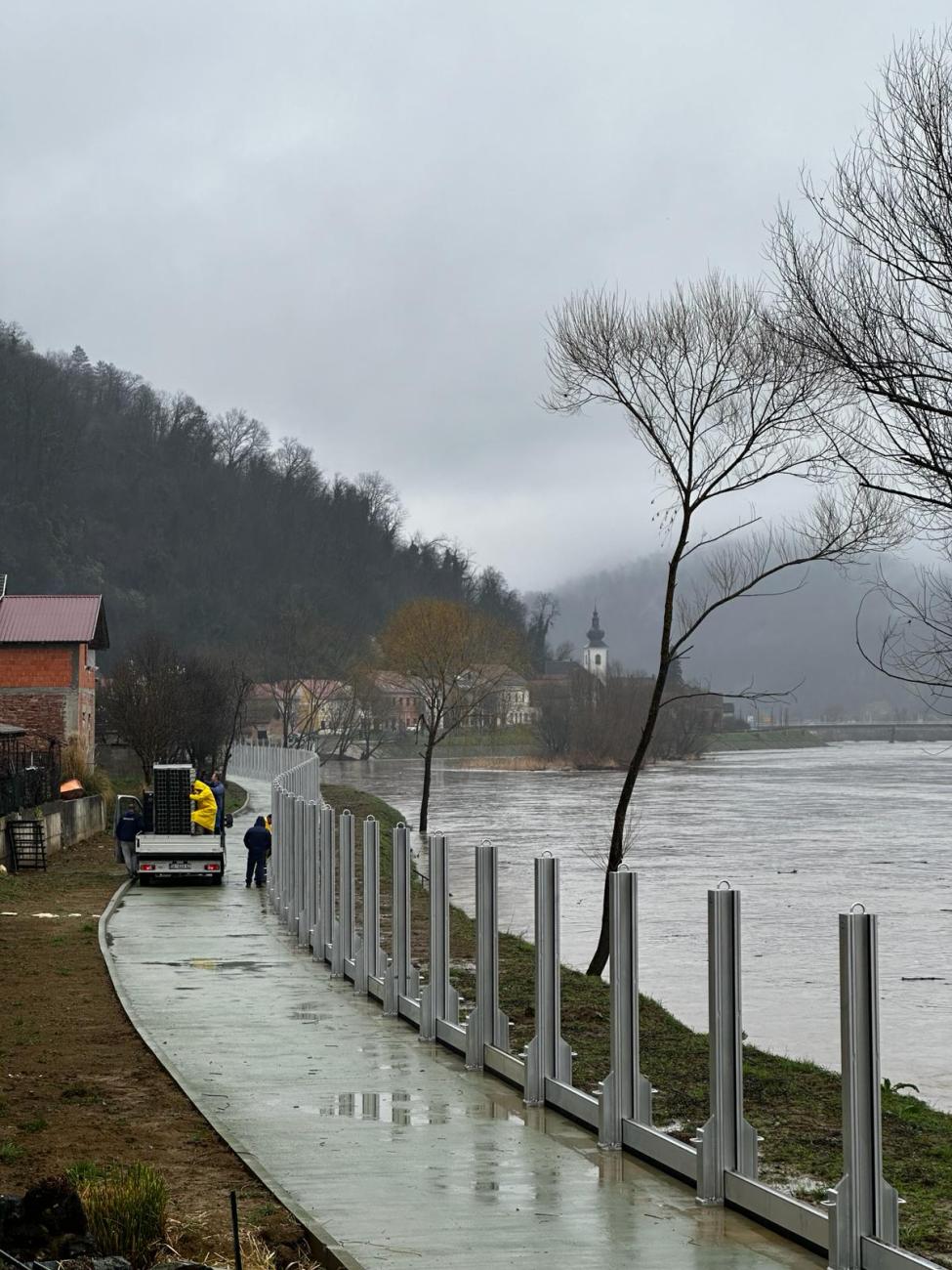
For rivers and lakes, the primary focus is no longer limited to water quality alone but increasingly includes the preservation of natural river ecosystems. Over the decades, many watercourses have been regulated, impounded, or otherwise modified for flood protection, hydropower generation, navigation, and other purposes. Such alterations affect the natural flow of rivers, their habitats, and the living conditions of numerous plant and animal species, making river restoration one of the most important prerequisites for the long-term protection of water resources.
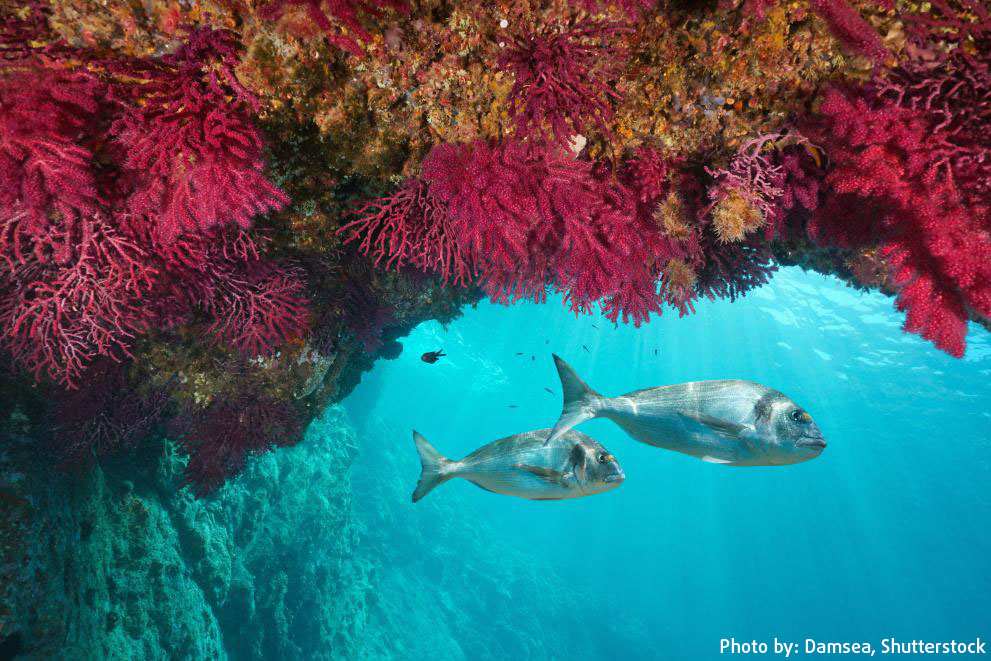
Transitional and coastal waters include river estuaries, where freshwater and seawater mix, as well as marine waters immediately adjacent to the coast. Most of these areas continue to maintain good or high ecological status. Particular attention is required with regard to priority substances – a group of specifically monitored pollutants that, due to their persistence, can remain in the environment for long periods and accumulate in living organisms.
The findings of Croatia’s national monitoring programme are consistent with European assessments, which identify climate change, alterations to river habitats, diffuse sources of pollution, and persistent priority substances as the principal challenges affecting water resources. The results of this year’s Report reaffirm the importance of continued investment in wastewater collection and treatment systems, reducing pollution at its source, and restoring watercourses through nature-based solutions. This approach is essential for safeguarding water quality and strengthening the long-term resilience of aquatic ecosystems.
The 2025 Water Status Report is now available on the website of the Josip Juraj Strossmayer Water Institute, together with the archive of all previously published annual Water Status Reports for the Republic of Croatia. The report can be accessed via the link.