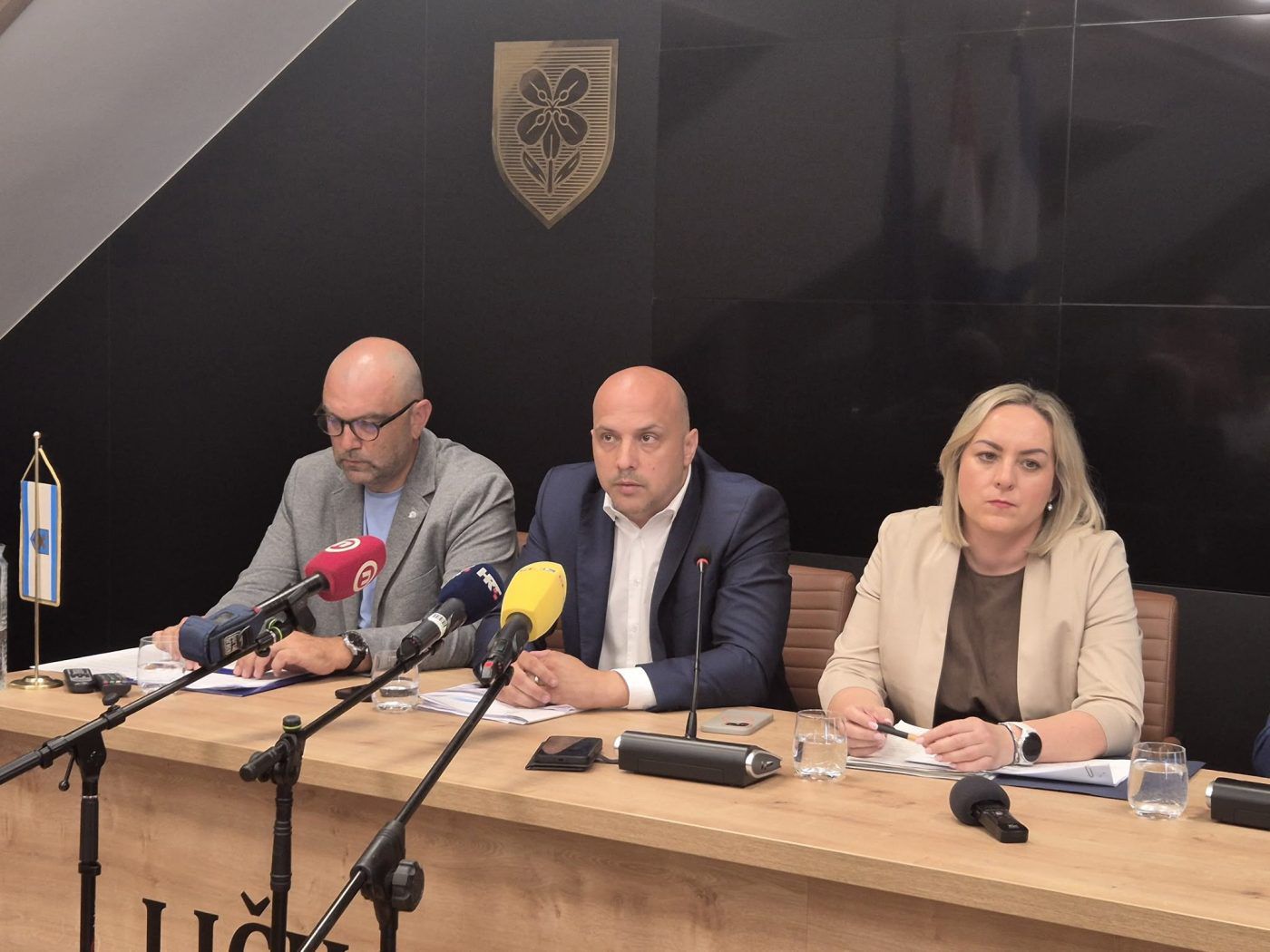
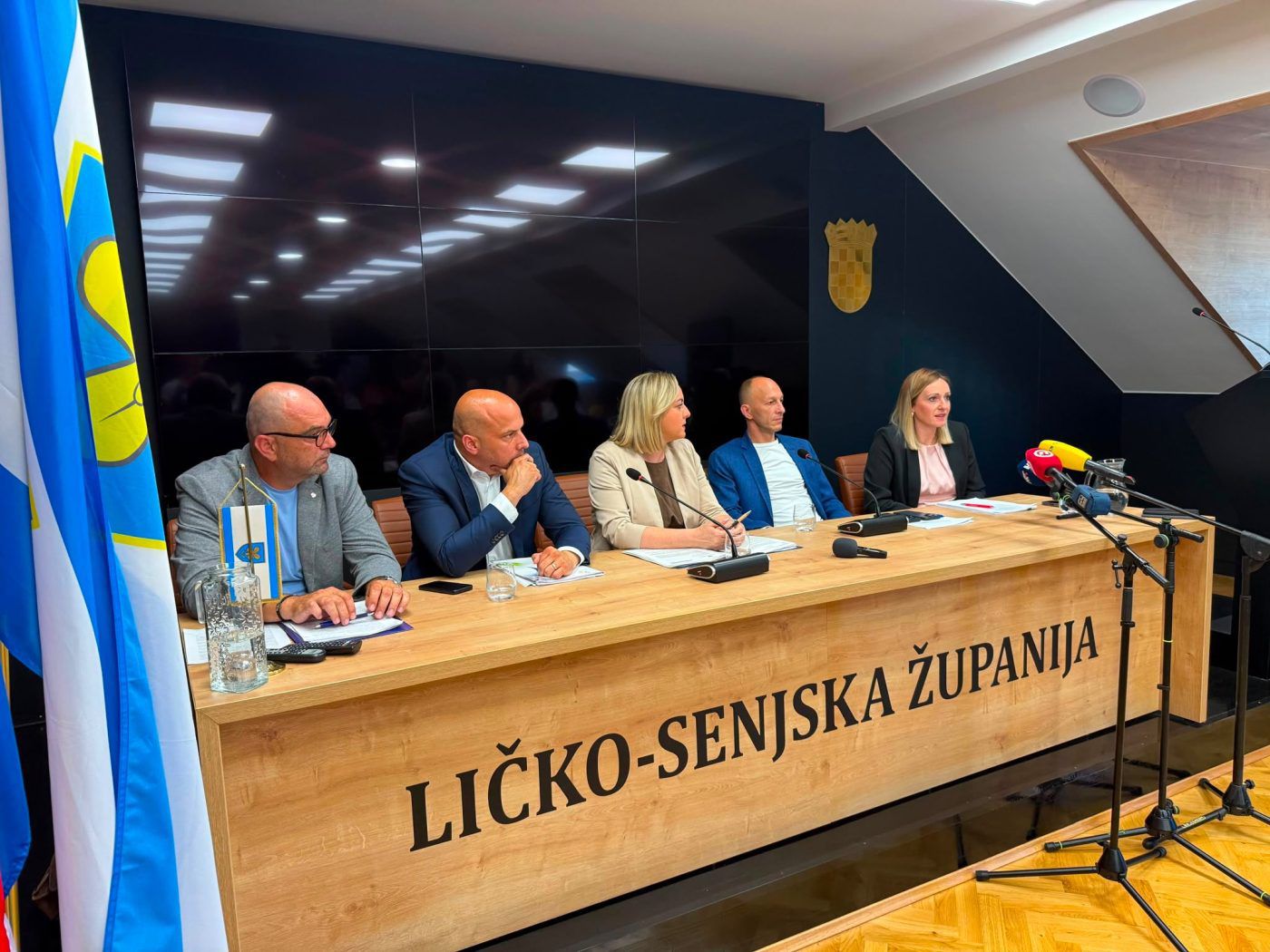
A press conference was held at the premises of the Lika-Senj County administration in Gospić to present activities related to the remediation of illegally disposed waste at the PPK Velebit site, as well as the results of the national surface water and groundwater monitoring programme conducted in Lika-Senj County.
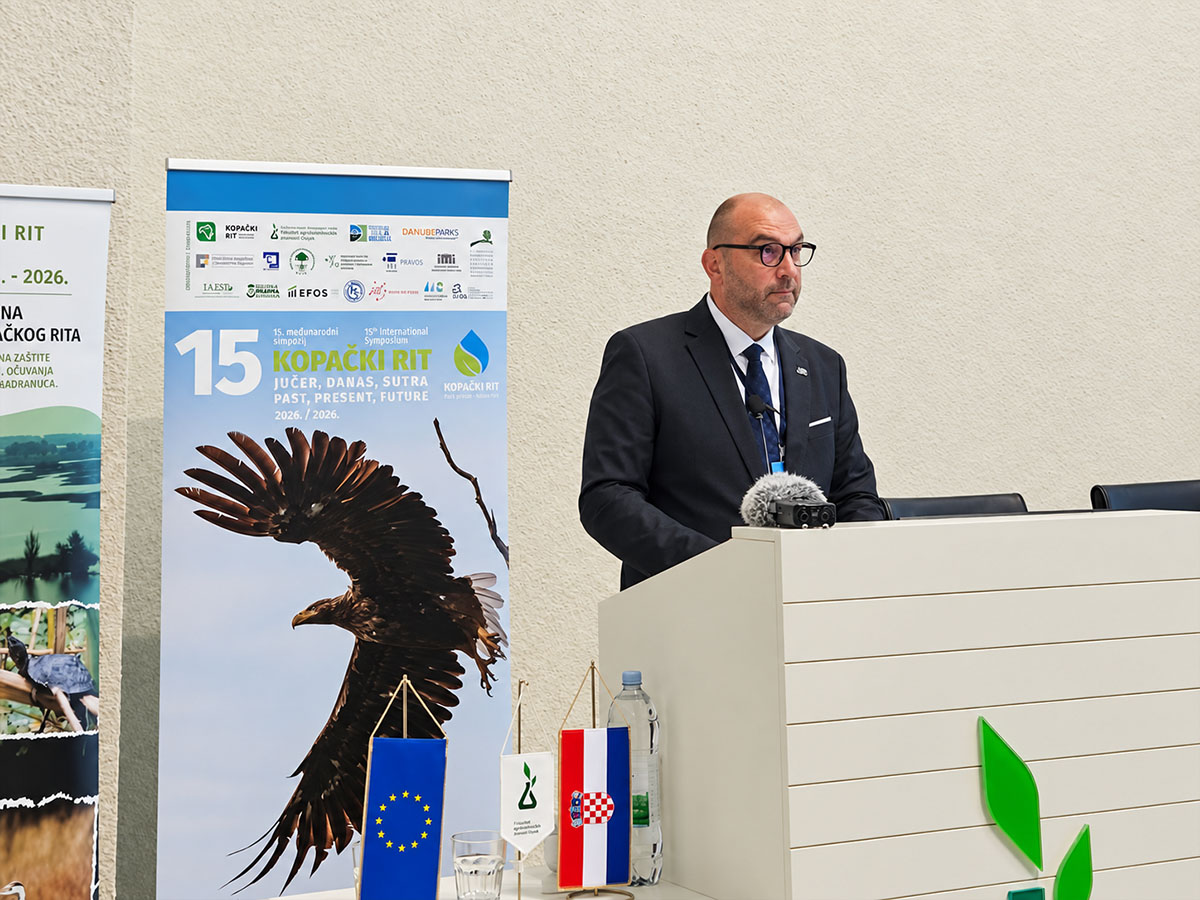
On behalf of the Josip Juraj Strossmayer Water Institute, the results of the national monitoring programme and the expert framework for their interpretation were presented by the Institute’s Director General, Mario Šiljeg.
In his address, he emphasised that illegally disposed waste requires prompt removal and a thorough investigation of all circumstances surrounding its disposal. At the same time, he stressed that, from a professional perspective, it is essential to distinguish between the existence of a potential source of pollution and a proven impact on water resources, which can only be established through monitoring results and laboratory analyses.
He recalled that the Institute has been implementing the national water monitoring programme in Lika-Senj County for many years. In 2024, the programme covered 21 surface water monitoring stations and 12 groundwater monitoring stations. In 2025, the surface water monitoring network was expanded with the addition of the Lika – Ostrvica Bridge monitoring station, while in 2026 the programme includes 23 surface water and 14 groundwater monitoring stations.
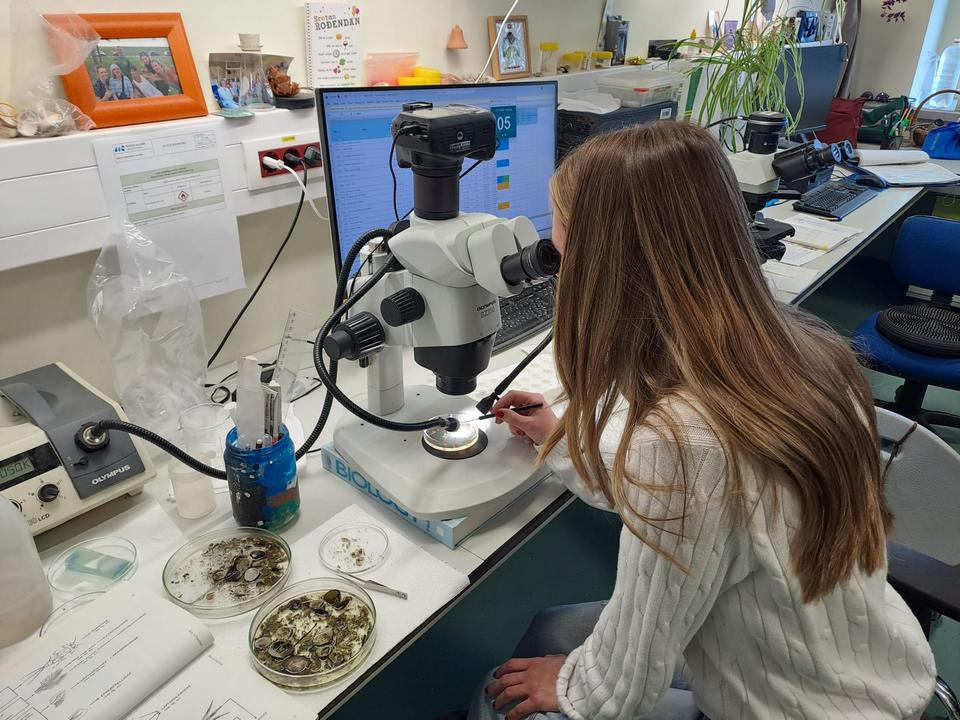
He further highlighted that the Institute analyses approximately 400 water samples of various types each year in Lika-Senj County, including more than 100 analyses of PFAS compounds. This extensive monitoring programme provides a reliable assessment of water status based on long-term monitoring and a large body of comparable data.
Referring to the monitoring results, he explained that the chemical status of waters is assessed through the analysis of priority substances prescribed under European legislation, which represent key indicators of potential chemical pressures on the aquatic environment. He emphasised that expert conclusions are based on measured concentrations, legally prescribed environmental quality standards, and a comprehensive interpretation of all monitoring results.
In conclusion, he stated that, based on all currently available results from the national monitoring programme, the additional monitoring conducted at the Lika – Ostrvica Bridge station, and the official data of the Croatian Institute of Public Health, there are no indications of any threat to the public water supply in the areas of Gospić and Otočac.
“Monitoring exists to detect any potential changes in the status of water resources through systematic measurements at the earliest possible stage. Expert conclusions can only be considered credible when they are based on verified data, standardised methodologies, and long-term monitoring,” the Director General of the Institute stated.
The Director General’s full presentation is available via the link.