In recent days, European media outlets have once again brought attention to the issue of drinking water quality and safety across Europe. In the Euronews article “Where in Europe is tap water the most and least safe?”, it is emphasized that most European countries today maintain very high standards of drinking water safety, but that Europe is also entering a period of new challenges related to climate change, microplastics, PFAS compounds, and increasing pressures on water resources.
In recent years, the European Union has further strengthened its regulatory framework through the new Drinking Water Directive, which introduces mandatory monitoring of emerging groups of pollutants, including PFAS compounds and microplastics. At the same time, European expert analyses indicate that water quality increasingly depends on the quality of monitoring, source protection, infrastructure resilience, and the ability of countries to identify risks in a timely manner.
Within this European context, Croatia possesses exceptionally valuable water resources, as confirmed by Eurostat data. A large part of Croatia’s public water supply system is based on groundwater of naturally high quality, particularly from karst springs. Several international sources state that water supplied through Croatian public water systems is generally safe for consumption and compliant with European standards.
However, European experience shows that high drinking water quality cannot be taken for granted. Climate change, droughts, extreme precipitation events, pressures on water sources, ageing infrastructure, and the emergence of new pollutants are gradually changing the way water resources are managed.
For this reason, systematic water monitoring and official reports on the status of waters in the Republic of Croatia are becoming increasingly important.
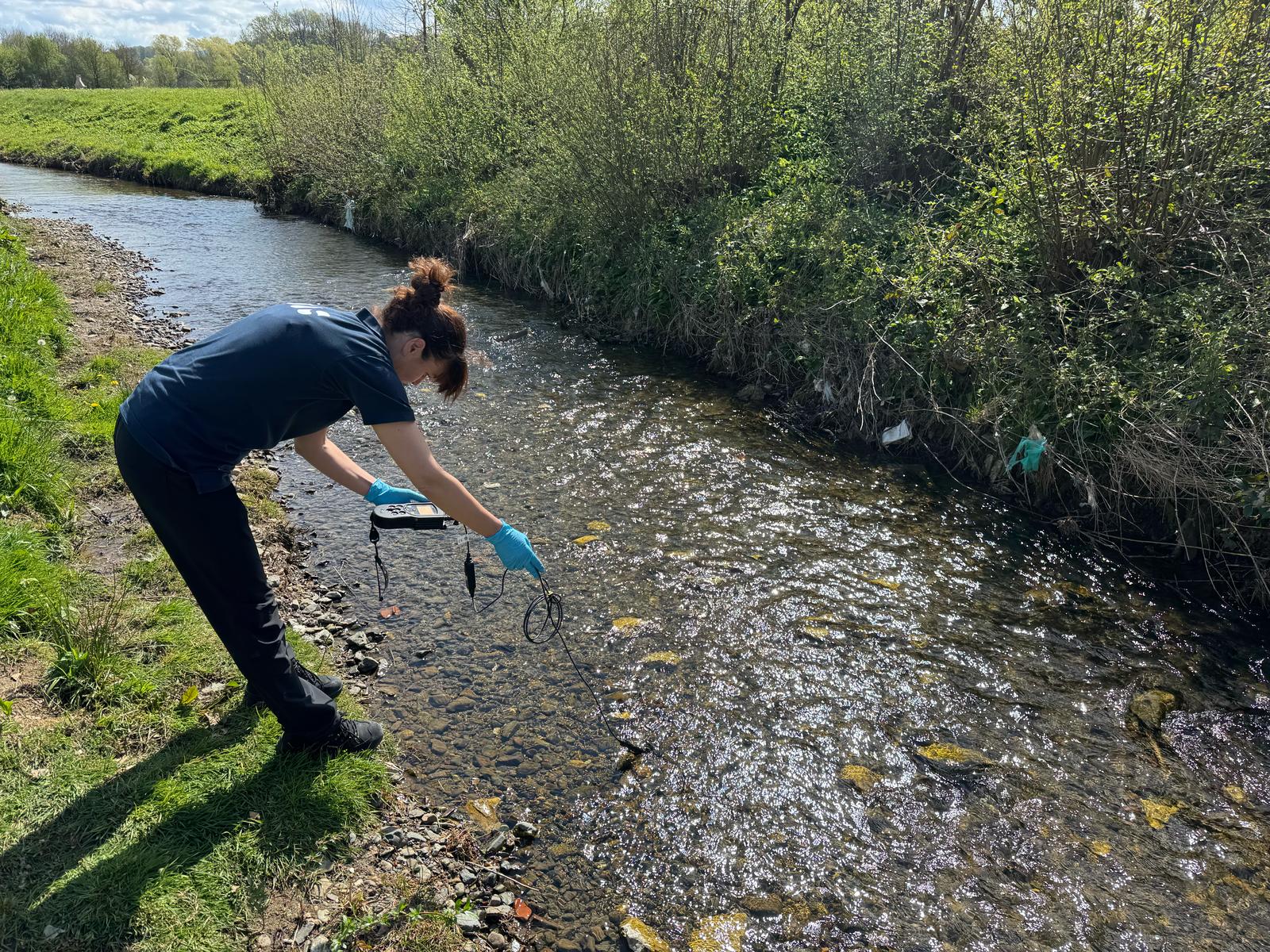
An important role in this system is played by the Josip Juraj Strossmayer Water Institute, which, in accordance with the Water Act, participates in the implementation of water monitoring and prepares official reports on the status of surface and groundwater in the Republic of Croatia.
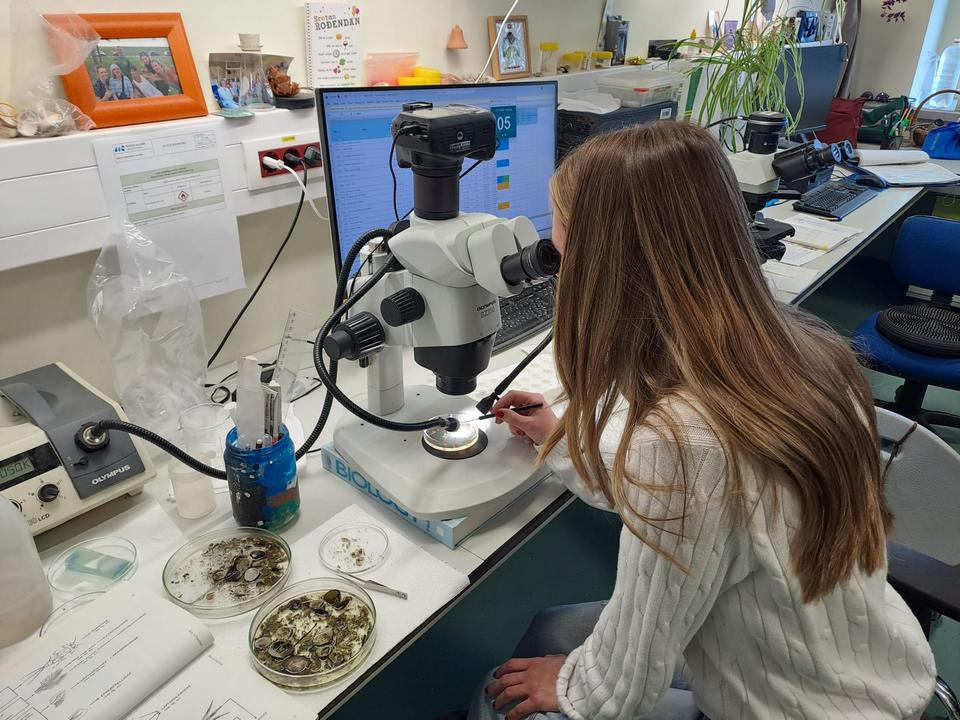
During 2025, the Institute further strengthened the national water monitoring system through its own capacities by taking over additional sampling and analyses at 177 monitoring stations, representing an increase of 66 percent compared to the previous period. Particular attention was focused on the development of systems for sampling and analysing microplastics in drinking water.
The importance of high-quality monitoring is growing further today, as water safety is no longer solely a matter of sanitary compliance, but also of the long-term resilience of water systems, environmental protection, and the ability of countries to respond promptly to emerging risks.
More information is available in the original article published by Euronews.