Climate change, ageing water infrastructure, increasingly complex water protection requirements, the emergence of new pollutants, and growing investment needs are among the key challenges shaping the European water sector today.
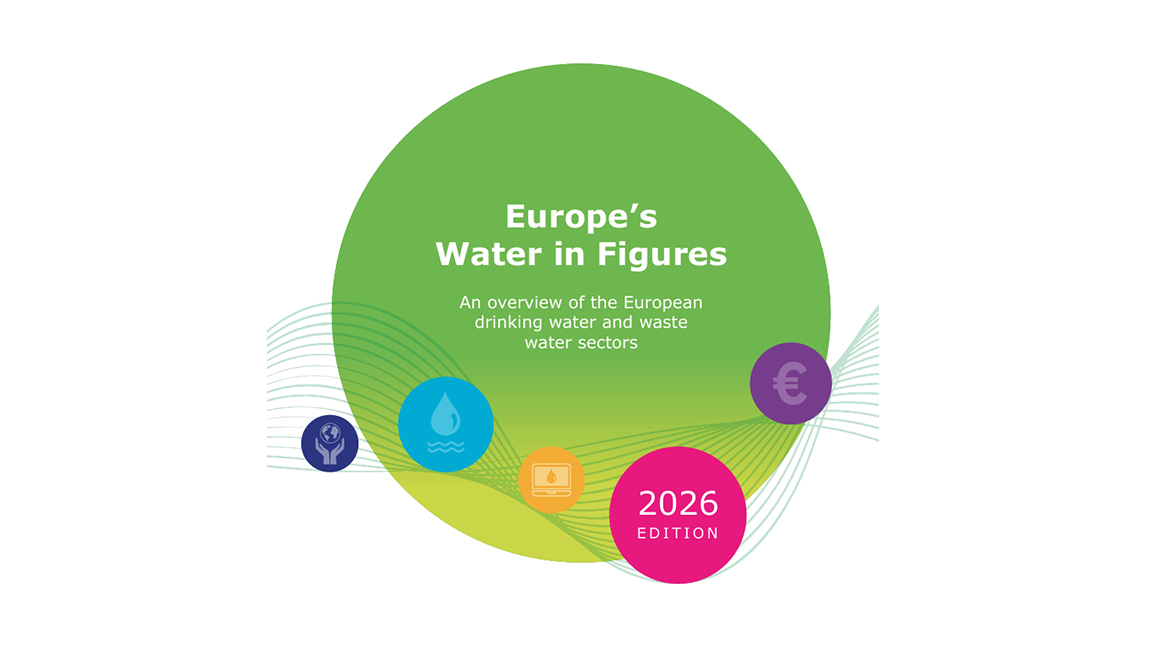
These issues are the focus of the latest edition of Europe’s Water in Figures 2026, published by the European federation of national water services, EurEau. The publication provides an overview of key indicators for the European drinking water and wastewater sector, based on data from 38 national member organisations. It highlights that, despite differences between countries, the challenges facing water systems are closely interconnected.
Behind every indicator are the systems that provide reliable water services every day to more than 550 million people. For this reason, the water sector is no longer viewed merely as a public utility, but as a critical infrastructure sector essential to public health, economic stability, and societal resilience.
Among the most significant challenges are infrastructure renewal, adaptation to climate change, rising operational costs, and increasingly demanding requirements for monitoring and removing pollutants. Particular concern is raised by PFAS and other emerging micropollutants, while pesticides and nitrates continue to place considerable pressure on water resources.
European water service providers invest approximately €52.5 billion annually in water infrastructure. However, the report indicates that in many countries the pace of investment still falls short of the actual needs for system renewal and modernisation.
The resilience of the water sector cannot be built through investment alone. Equally important are reliable data enabling the timely detection of changes in water status, effective risk assessment, and the planning of appropriate management measures.
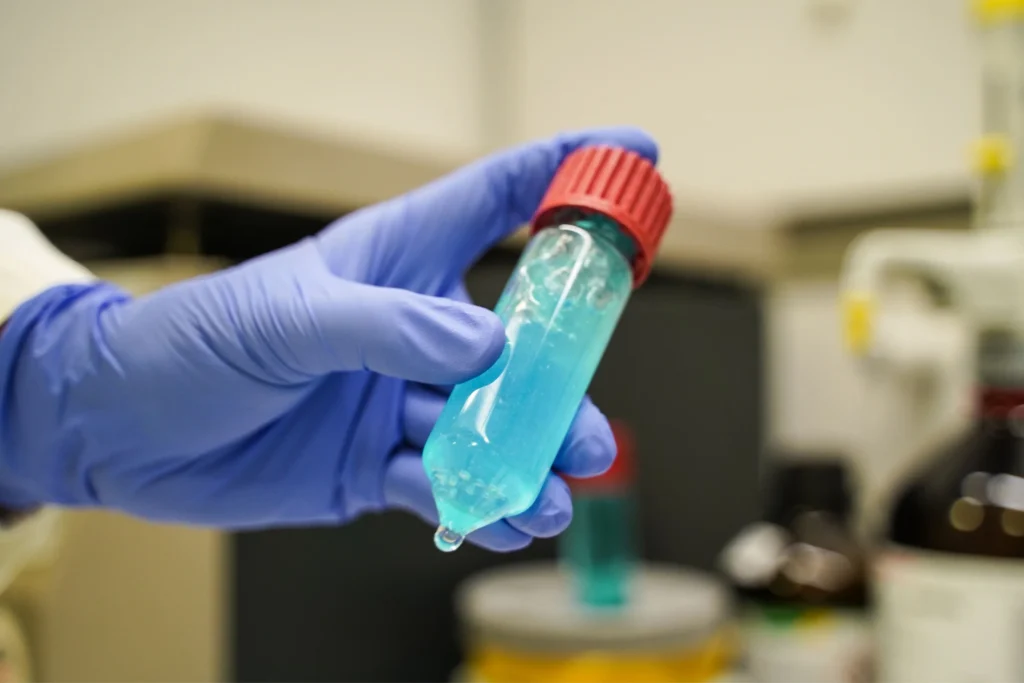
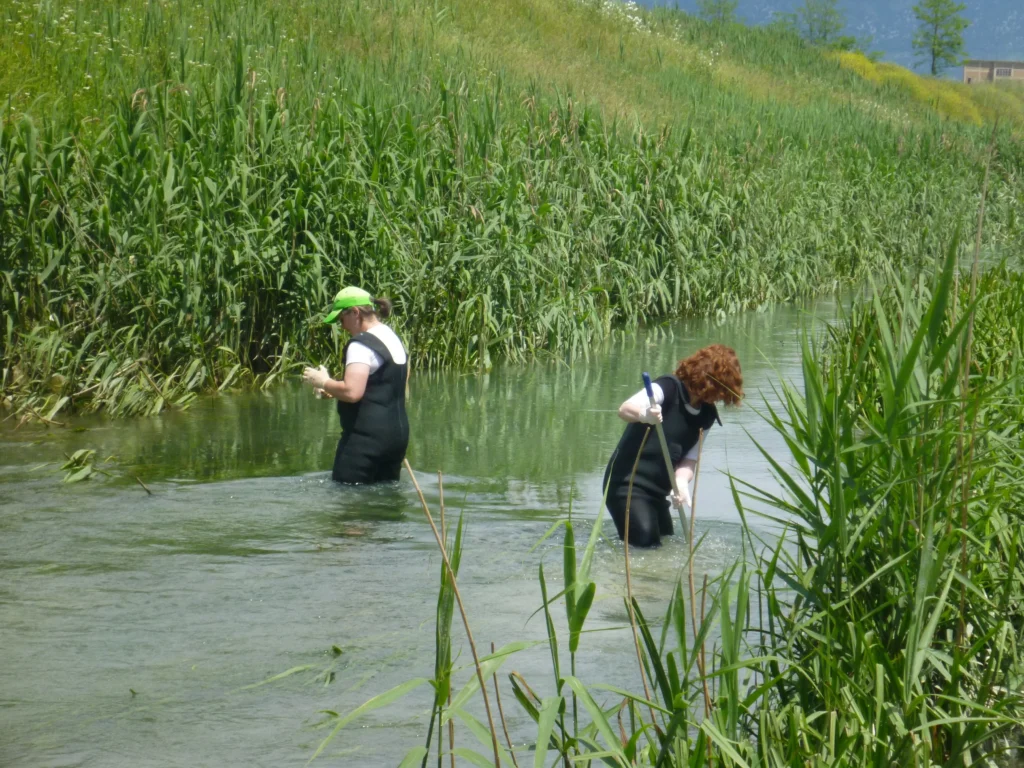
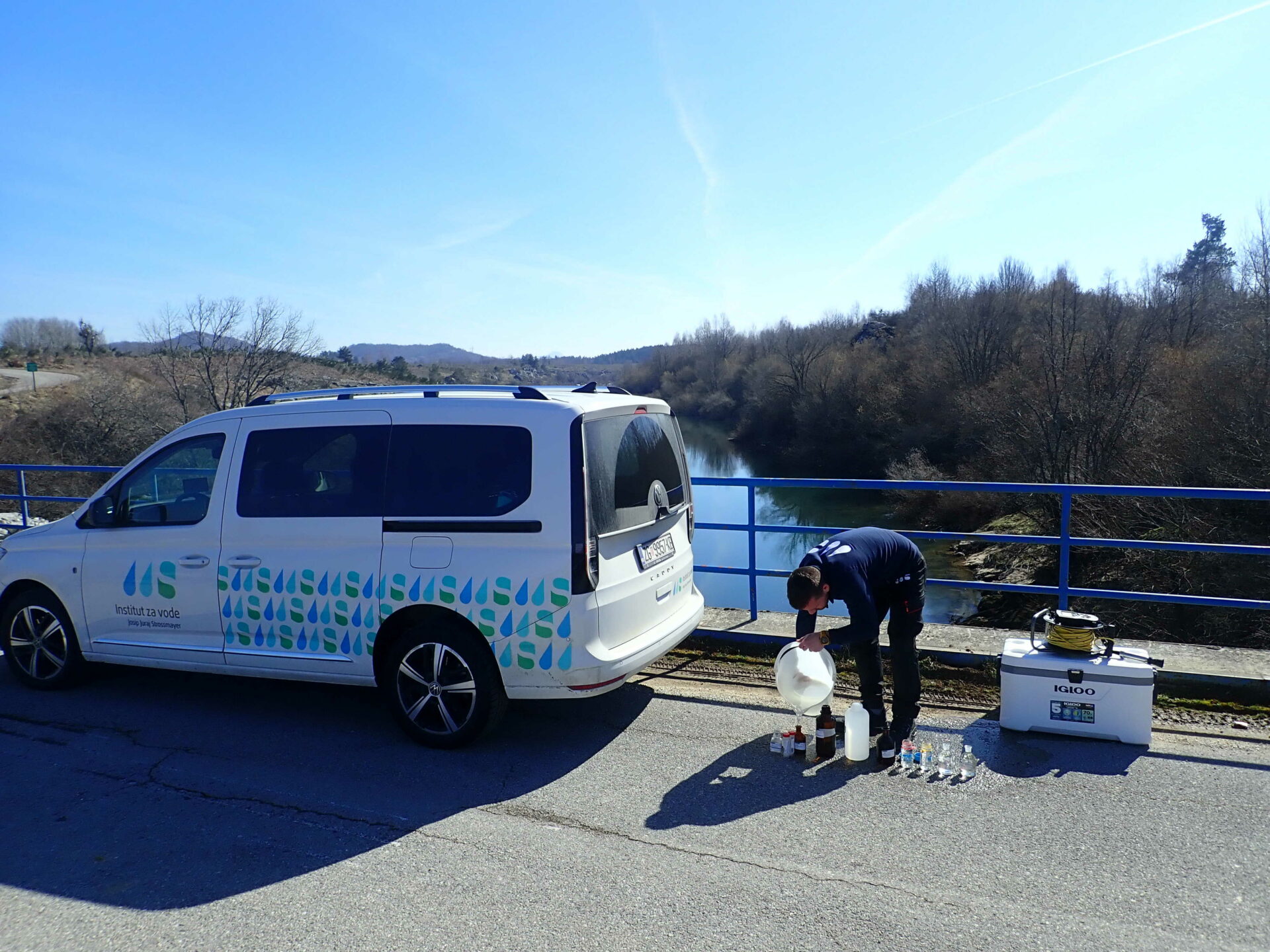
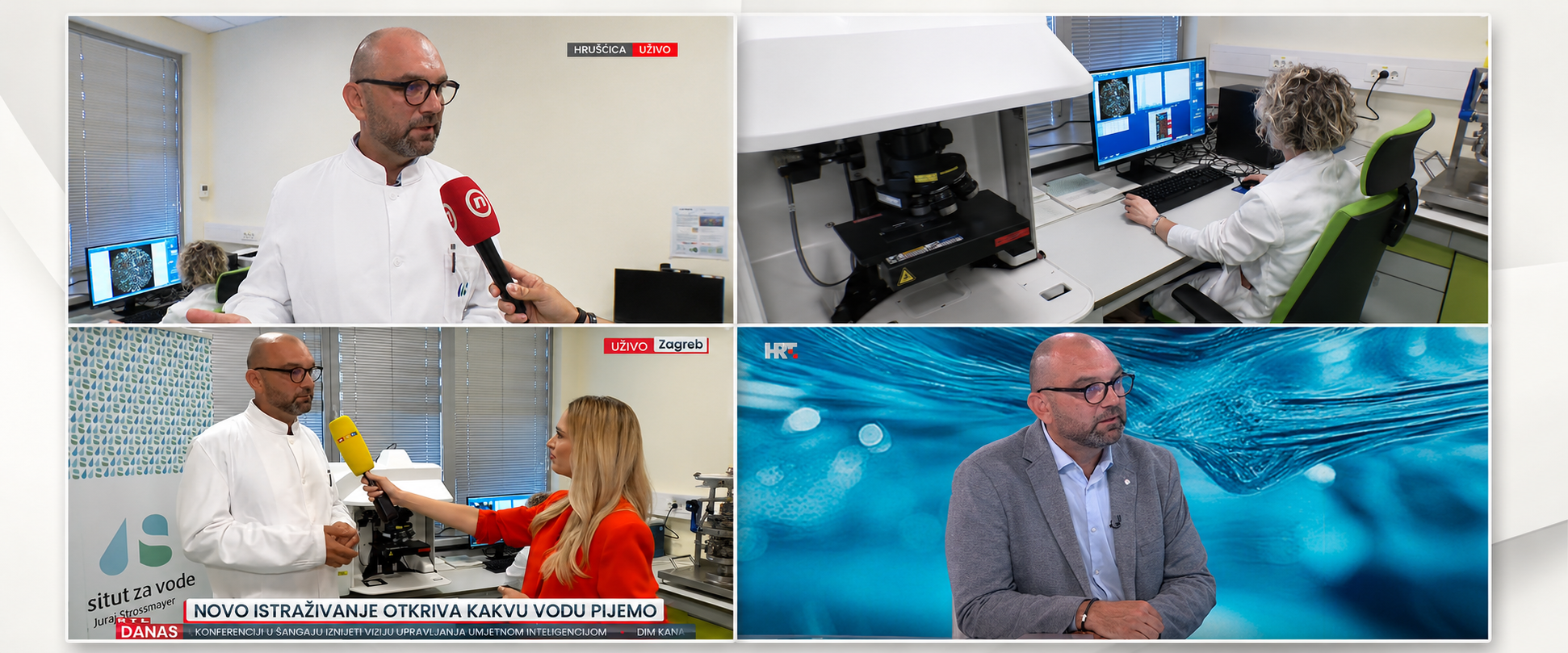
This is one of the core missions of the Josip Juraj Strossmayer Water Institute. The Institute monitors surface waters, groundwater, and coastal waters, conducts laboratory analyses, and transforms the resulting data into expert assessments and analytical foundations for the preparation of river basin management plans, flood risk management plans, strategic documents, and other decisions essential to Croatia’s water management system.
At a time of emerging pollutants and increasingly pronounced climate pressures, the development of new analytical methods, the integration of data from multiple sources, and the early identification of risks have become more important than ever. The Institute combines laboratory analyses, environmental monitoring, scientific research, and the needs of authorities responsible for water management into a comprehensive knowledge base supporting informed decision-making.
Its role is not only to determine the current status of water resources, but also to provide the scientific and technical foundation for decisions that will shape their condition in the future. Through close cooperation with Hrvatske vode (Croatian Waters), the competent ministries, public health institutions, water service providers, universities, and European partners, the Institute helps translate European experience into solutions tailored to the characteristics of Croatia’s water resources and national priorities.
Publications such as Europe’s Water in Figures 2026 make it possible to compare water systems across Europe and identify common challenges. The responsibility of national expert institutions is to transform those challenges into reliable data, scientifically sound assessments, and practical, implementable measures.
For the Josip Juraj Strossmayer Water Institute, this represents a continuous commitment to advancing knowledge and analytical capacity, ensuring that Croatia’s water management system is well prepared to respond to the changes shaping the future of the European water sector.
The full edition of Europe’s Water in Figures 2026 is available on the EurEau website and can be accessed here.