Can you drink rainwater? Is tap water just as good as bottled water? Does water have an expiry date? Can chlorine in tap water harm plants? Can crystal-clear water from a mountain spring still be unsafe to drink?
These are just some of the many questions answered by the new “Water Without Myths” service, launched by the Josip Juraj Strossmayer Water Institute. The service brings together answers to the most frequently asked questions about water in everyday life. Rather than stopping at one hundred answers, however, it invites the public to ask one more question: What else would you like to know about water? In this way, the project does not end with the initial collection of answers but continues to grow through new questions and expert responses, gradually expanding a national knowledge base on water.
Never before has so much information about water been available, yet it has never been more difficult to distinguish verified facts from inaccurate, incomplete or contradictory claims. For this reason, the Institute launched this service to provide reliable answers in one place, based on current legislation, scientific knowledge and the professional expertise of its staff.
Many of the questions that arise in public discussions extend beyond the remit of a single institution, but they all share one common theme: water. It was precisely these questions that inspired “Water Without Myths”. The answers are not always what most people expect, as demonstrated by topics such as: Is limescale in water the same as kidney stones? Does installing an advanced household water treatment device automatically guarantee the best drinking water? Can crystal-clear water from a mountain spring still pose a health risk?
Although responsibility for individual issues lies with different authorities, people naturally perceive them as questions about water. That is why this service brings together verified information from a wide range of disciplines in one place, drawing on the expertise of the Institute’s staff, the results of Croatia’s national water monitoring programmes, and the applicable legislative and professional framework.
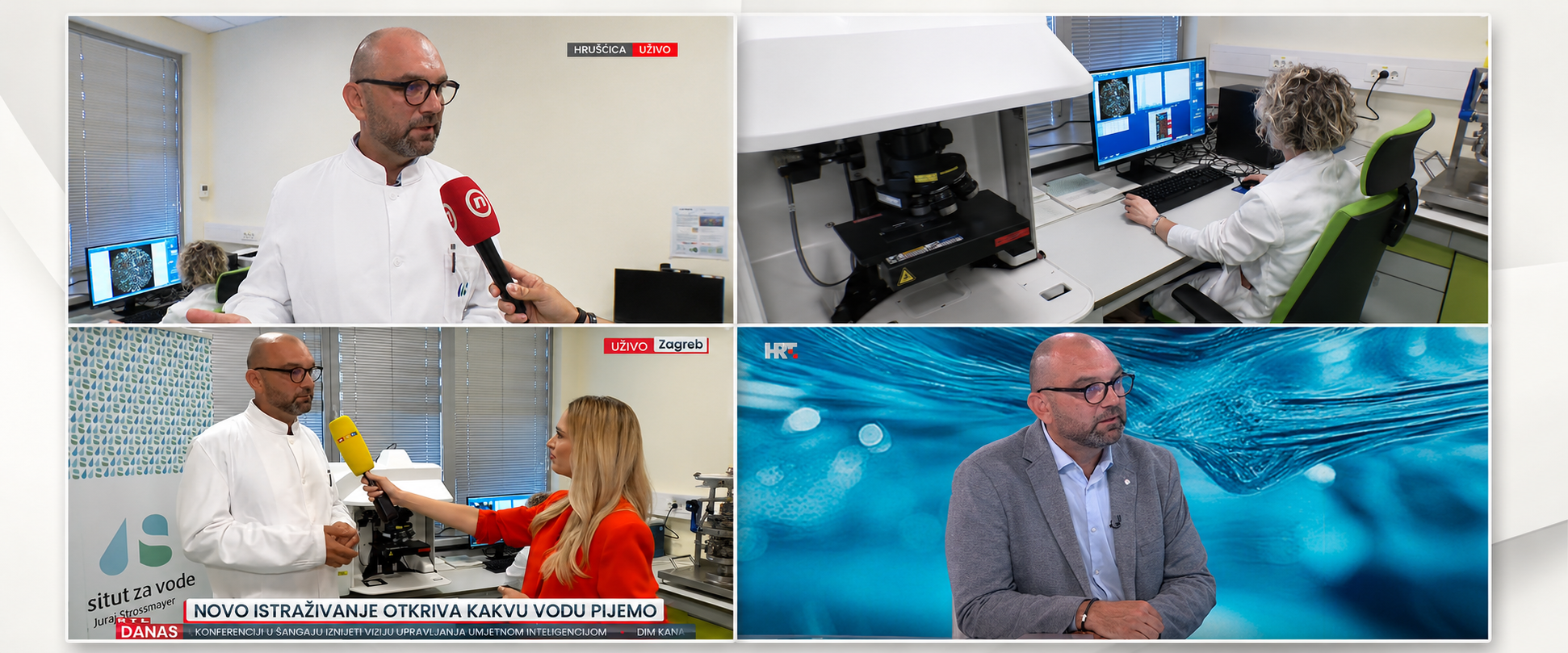
Mario Šiljeg, Director of the Water Institute, explained that the idea originated from a simple observation: water is discussed every day, yet verified information often reaches the public far more slowly than misconceptions.
“Water is one of the most extensively studied substances in the world, yet it is also one of the subjects surrounded by the greatest number of widely held misconceptions. That is why we wanted to make reliable answers just as accessible as the questions people ask every day. If this service helps replace at least some of those myths with knowledge, we will have achieved our goal,” said Šiljeg.
“The Institute currently provides 99 answers. How many there will be in the future depends on the questions we receive. Our ambition is for this project to grow into a permanent national knowledge base on water, continuously expanded with new questions, new answers and new scientific insights,” Šiljeg concluded.
The new “Water Without Myths” service is available from today on the website of the Josip Juraj Strossmayer Water Institute. New questions submitted by the public will be reviewed by the Institute’s experts and, once processed, will be gradually added to the platform, contributing to the ongoing development of Croatia’s national knowledge base on water.