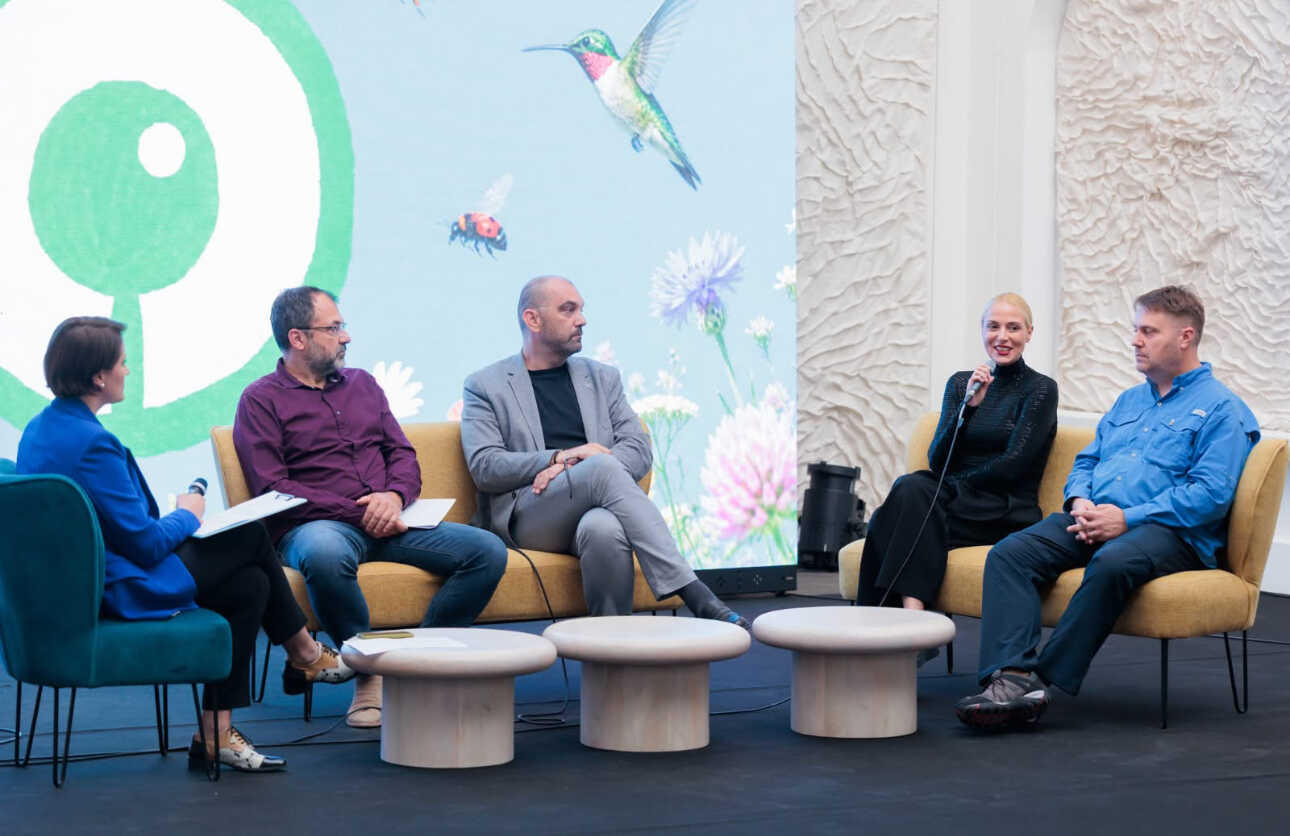
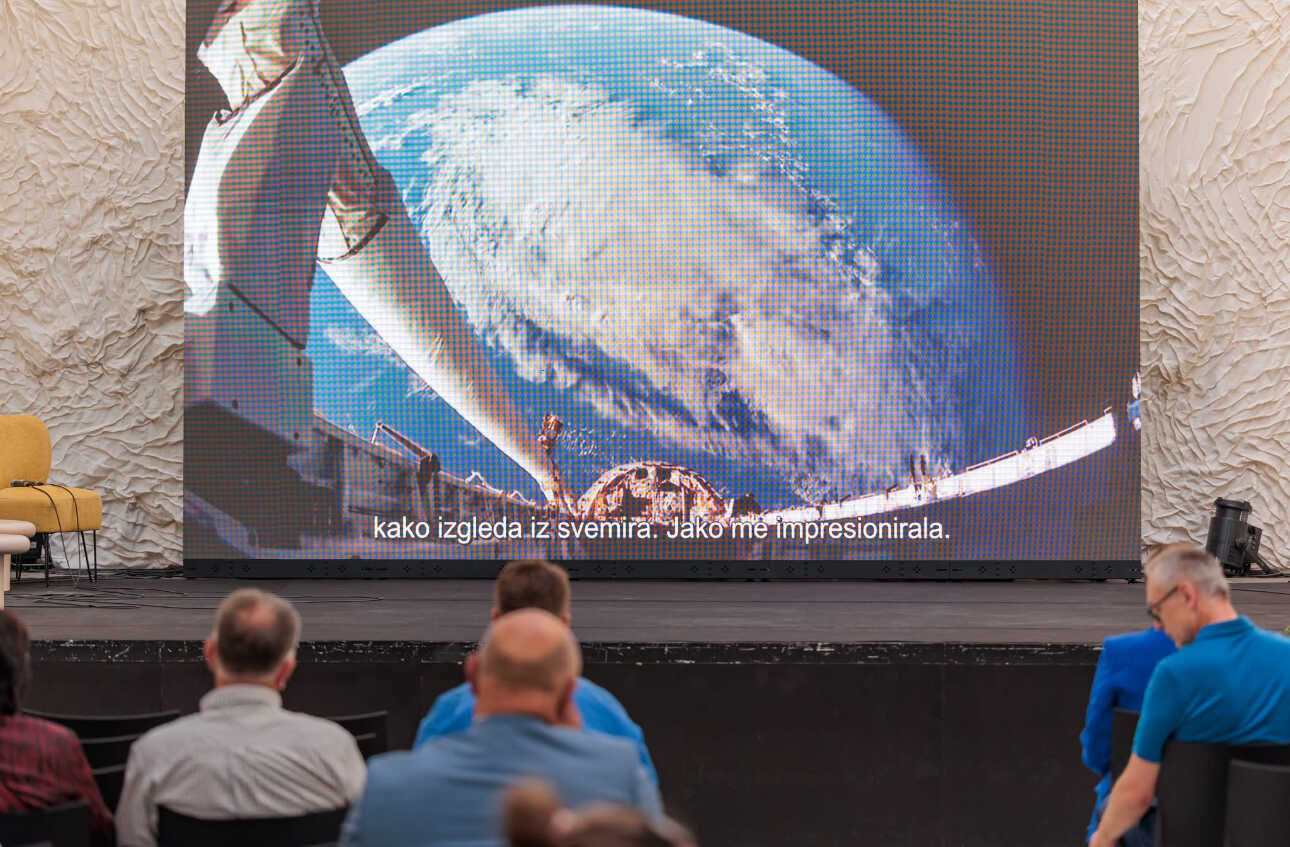
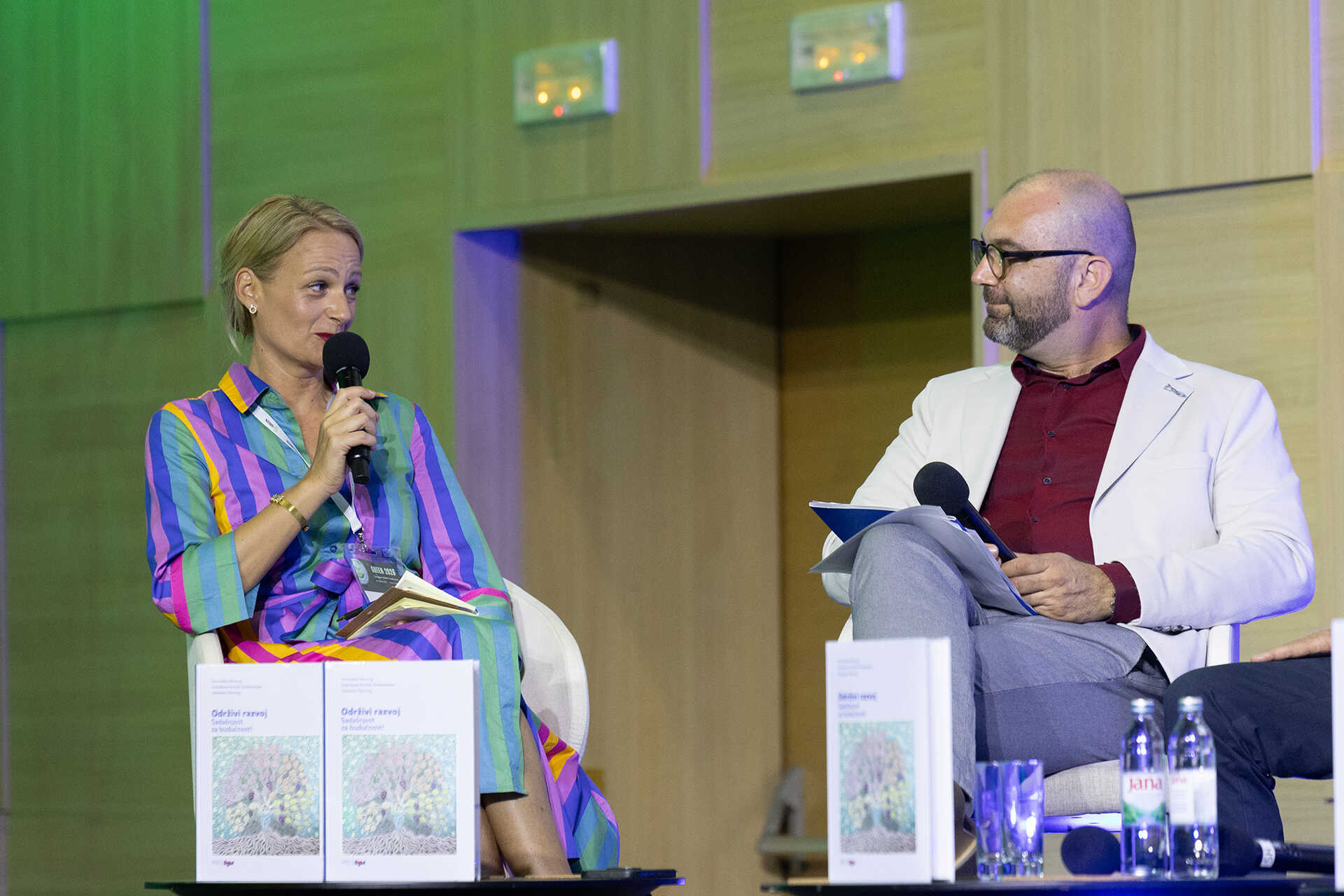
As part of the international environmental film festival organized by the Krka National Park Public Institution and the Ministry of Environment and Green Transition, a panel discussion entitled “Water – the Essence of Life” was held, focusing on the challenges of preserving aquatic ecosystems, climate change, and the future of water resource management.
Over recent years, the Green Eye Festival has established itself as one of the more recognizable regional events connecting themes of nature protection, sustainability, and the relationship between humans and the environment through film, science, and public dialogue.
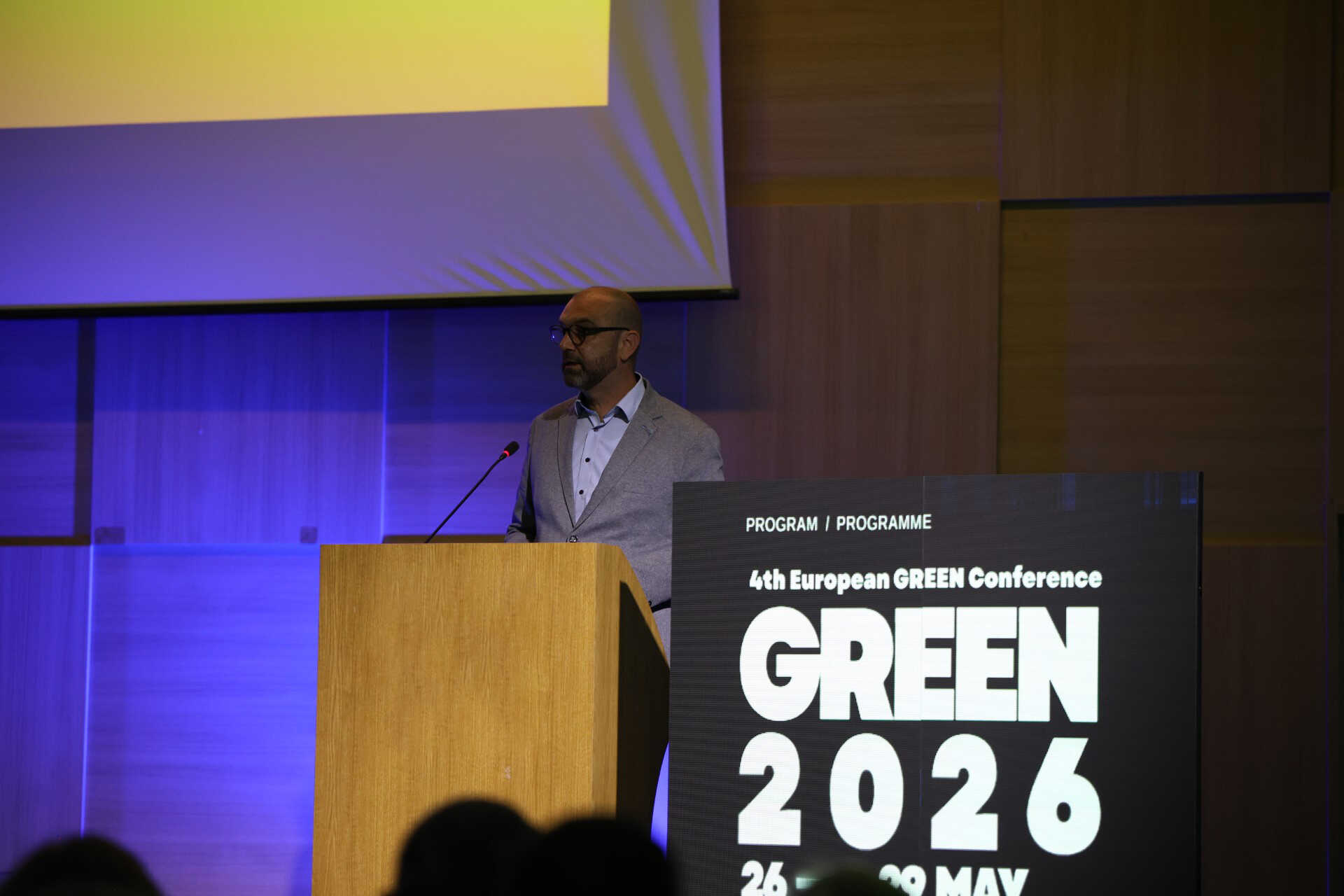
The panel featured Nella Slavica, Siniša Golub, Mario Šiljeg, and Draško Holcer. The discussion addressed issues related to the condition of rivers and seas, microplastics, climate change, and the resilience of water systems under increasingly pronounced environmental pressures.
Speaking about the perception of Croatia as a country rich in water resources, Mario Šiljeg, Director of the Josip Juraj Strossmayer Water Institute, warned that the very sense of security surrounding water availability could become one of the greatest risks to the future of water resources.
“The greatest danger is not that we may run out of water, but that we begin to believe we have so much of it that we no longer need to protect it,”
Šiljeg emphasized during the discussion on climate change, pressures on water sources, and the long-term resilience of water systems.
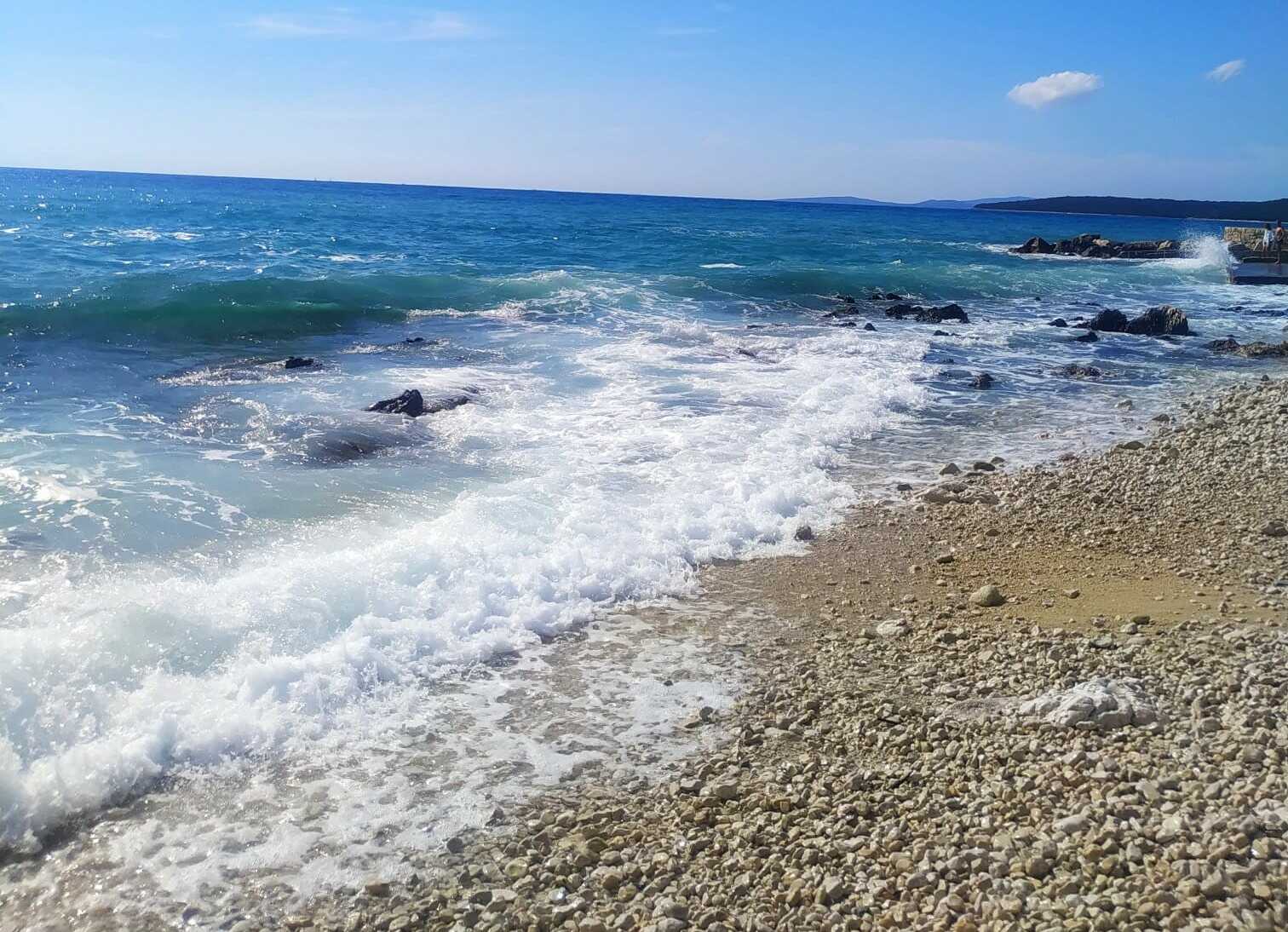
A special part of the panel was dedicated to the condition of the sea and the increasingly significant pressures that often remain outside the focus of public attention. Participants emphasized that excellent bathing water quality results do not automatically indicate a completely healthy marine ecosystem.
“Bathing water quality assessments reflect the safety of swimmers, but they do not say enough about the health of the marine ecosystem. A clean sea surface does not automatically mean the absence of environmental pressures,”
Šiljeg pointed out.
The discussion particularly highlighted the importance of monitoring and internationally comparable data in understanding contemporary environmental challenges. It was emphasized that the Institute is already carrying out systematic sampling of microplastics in water intended for human consumption using the harmonized European methodology prescribed by the Delegated Decision of the European Commission.
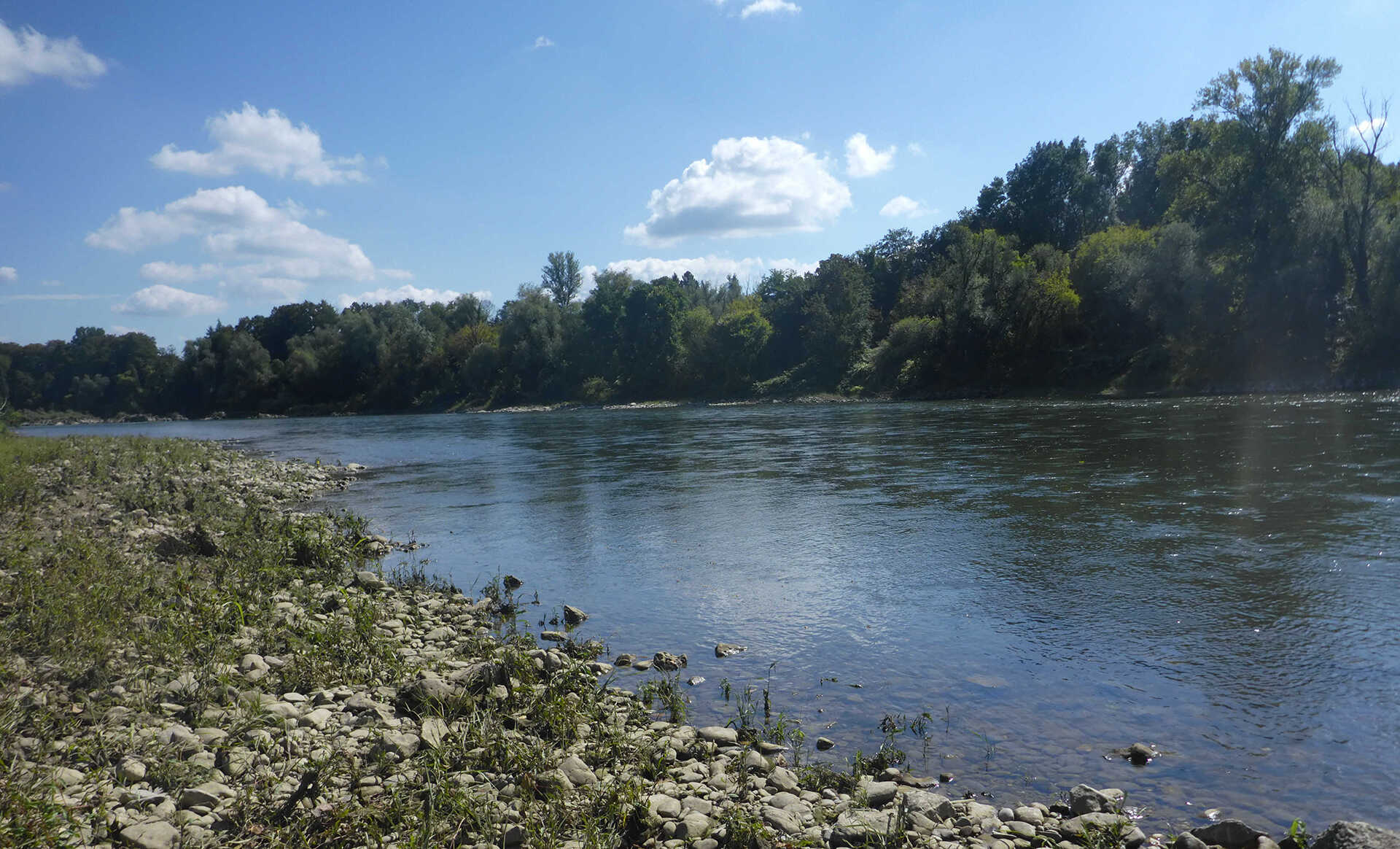
Panel participants stressed the importance of preserving aquatic ecosystems — from the Mura River and Drava River rivers, through the tufa-forming processes of Krka National Park, to the Adriatic Sea — as a shared responsibility of institutions, science, and society as a whole.
The panel “Water – the Essence of Life” once again demonstrated that water is no longer discussed solely in the context of utility infrastructure or natural resources. It is increasingly becoming one of the key issues of societal resilience, food and energy security, nature conservation, and the quality of life of future generations. For this reason, discussions such as this clearly confirm that protecting water is no longer a development choice, but the very foundation of development itself.