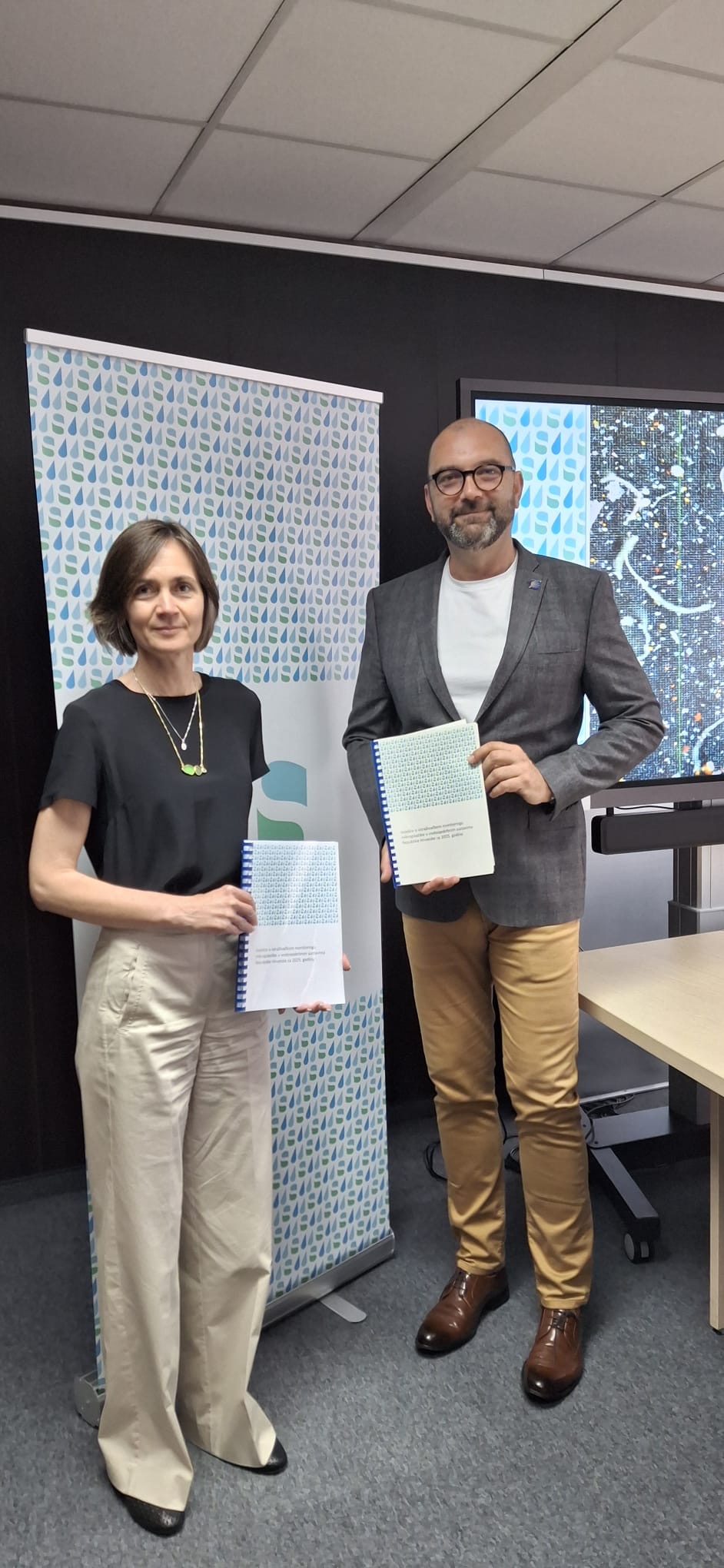
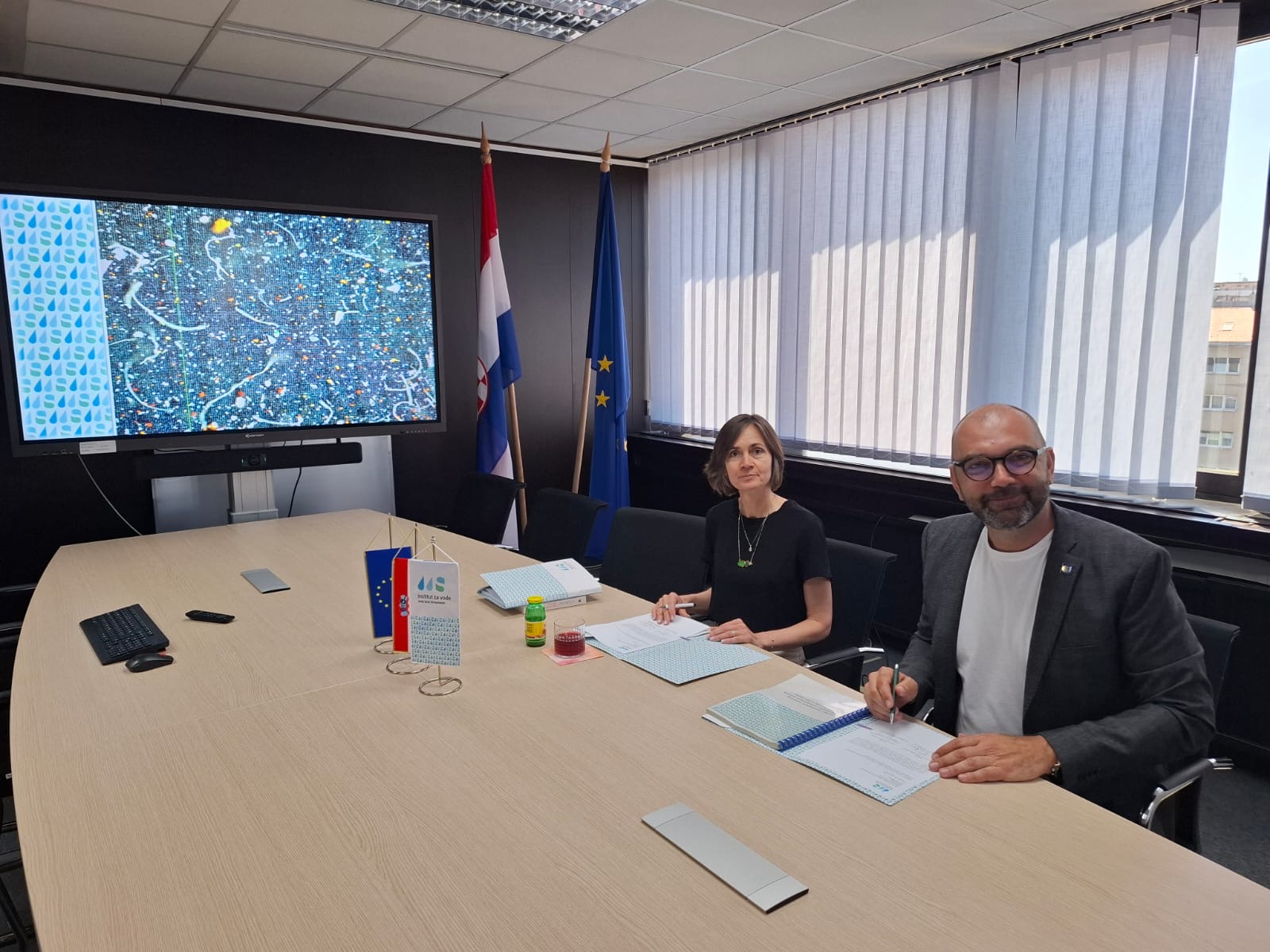
The Josip Juraj Strossmayer Water Institute has submitted the 2025 Report on Investigative Monitoring of Microplastics in Croatian Drinking Water Supply Systems to the Croatian Institute of Public Health. With this achievement, Croatia ranks among the first European Union Member States to conduct a national survey in accordance with the new European framework for monitoring microplastics in water intended for human consumption, while many Member States are still developing the methodologies and capacities required to meet the new obligations.
The new methodology enables the comparability of data across Member States and lays the foundation for a future European monitoring system.
Although most microplastic particles are invisible to the naked eye, research has confirmed their presence in water, food, and air. As a result, this issue is increasingly moving beyond scientific laboratories and into the fields of public health, environmental protection, and European water policy.
This represents the first systematic study of its kind in Croatia. The research covered representative drinking water supply systems with different hydrogeological characteristics, including groundwater aquifers, karst springs, rivers, and reservoirs. Samples were collected at water sources, after water treatment, and within distribution networks, creating—for the first time—an opportunity to understand the pathway of microplastics from source to tap.
The submission of the report comes shortly after the meeting of environment ministers of the MED9 countries held in Šibenik, where microplastics attracted significant interest among representatives of Member States, the European Commission, and the professional community as one of the emerging challenges in water and environmental protection.
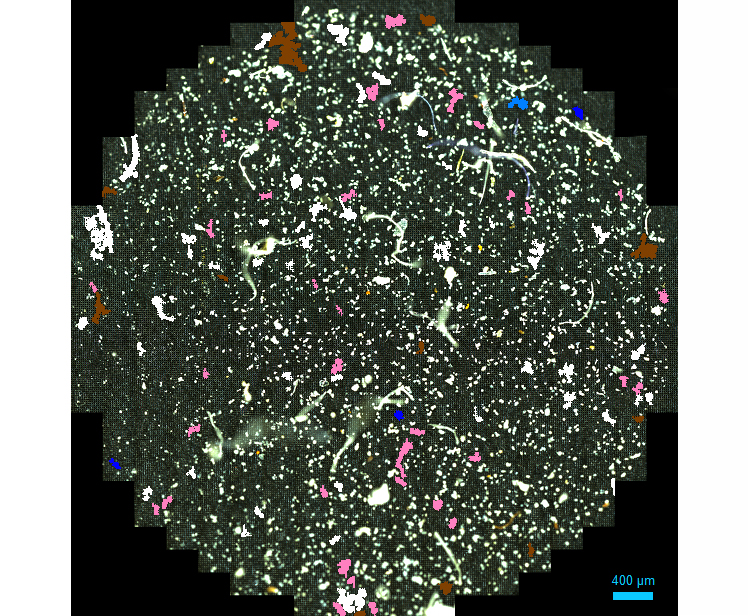
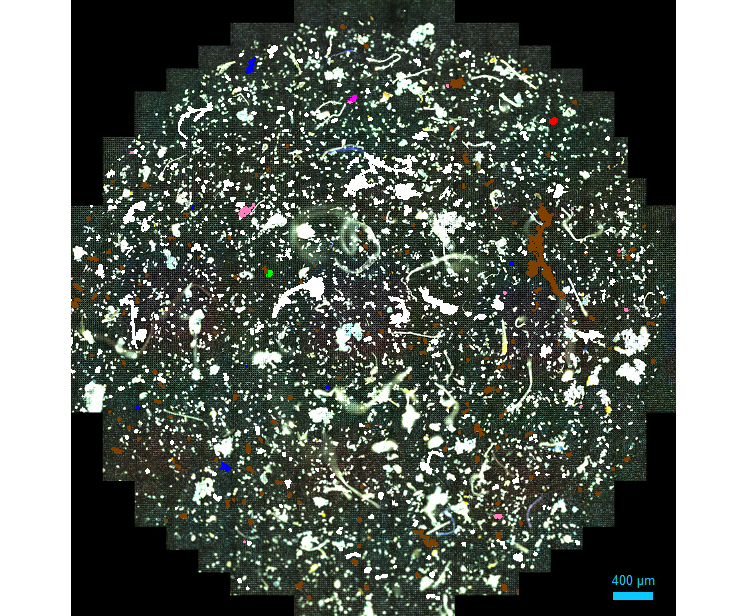
For the purposes of the study, the Institute used TinyTrap, its proprietary system developed for representative sampling of large volumes of water while maintaining strict control over potential contamination sources. Analytical processing was carried out using Raman microspectroscopy, one of the most advanced methods currently available in this field.
The specific results of the study will undergo further expert verification and will be incorporated into official national reporting processes coordinated by the competent authorities. However, it is already evident that Croatia has developed the technical and professional capacities required for future state-level monitoring of microplastics in water intended for human consumption.
One of the important scientific findings concerns the role of drinking water treatment processes. The results indicate that the proportion of microplastics is significantly reduced following the treatment of raw water, further confirming the importance of investments in public water supply systems and water treatment technologies.
For citizens, it is particularly important that studies such as this further reinforce confidence in public water supply systems. Croatia continues to rank among the European countries with very high-quality drinking water, and the systematic monitoring of emerging challenges such as microplastics is the best way to preserve this standard in the future.
Microplastics have been detected in the water we drink, the food we eat, the air we breathe, and even within the human body. For this reason, monitoring their presence is no longer solely an environmental issue—it is also a matter of understanding potential risks for future generations. Europe has decided to begin measuring what was until recently invisible, and Croatia is among the countries that have responded to this challenge at an early stage.
Because the question is no longer whether microplastics exist in the environment. The real question is how prepared we are to understand their pathway from the environment to humans, and how responsibly we will protect the water we drink before invisible problems become visible ones.