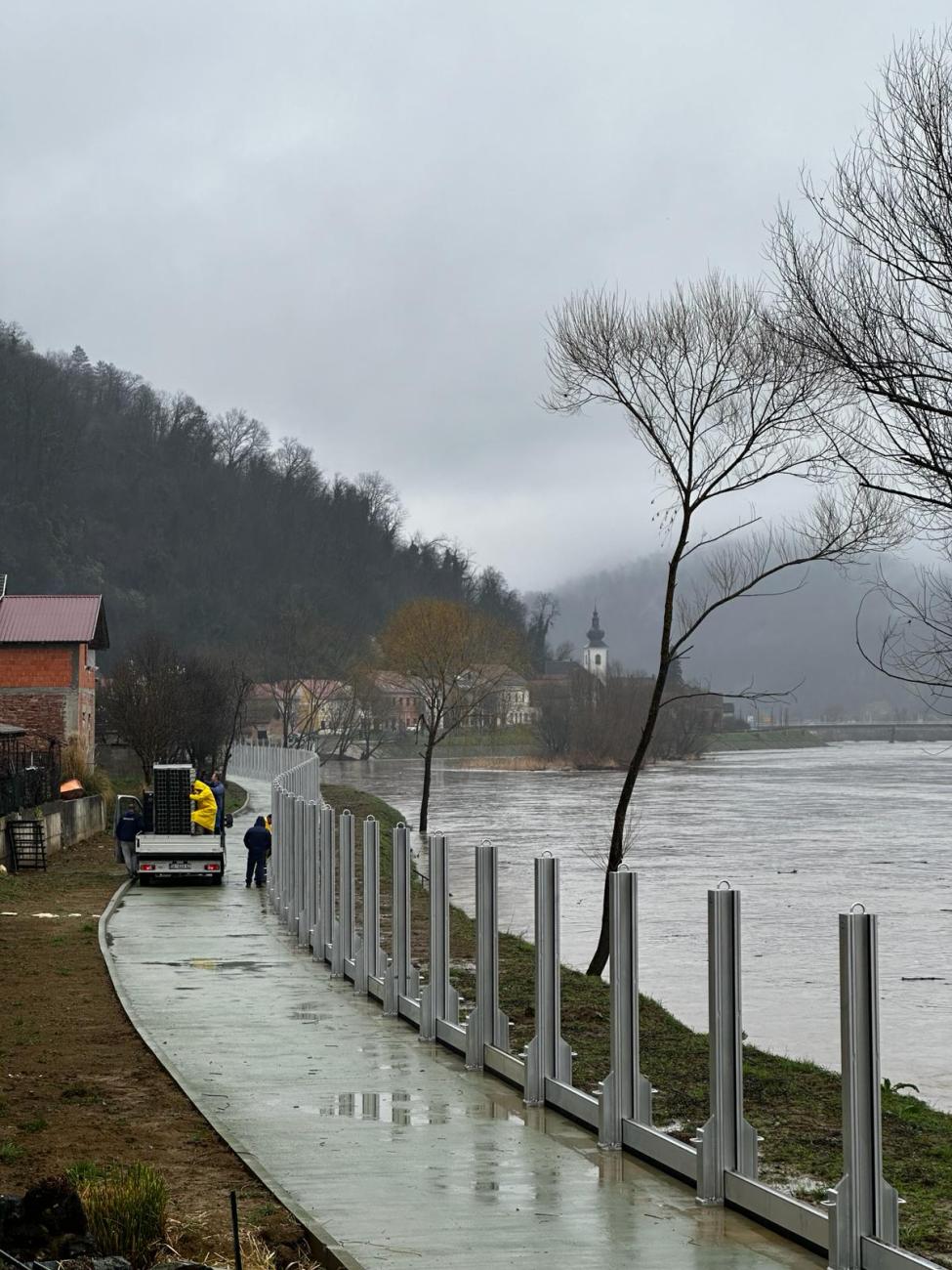
Croatian rivers and karst aquatic ecosystems are among the most valuable in Europe, but also among the most vulnerable. Climate change, invasive species, and increasing pressures on water resources have, in recent years, significantly altered the condition of freshwater habitats, including some of the most valuable areas of Croatia’s natural heritage.
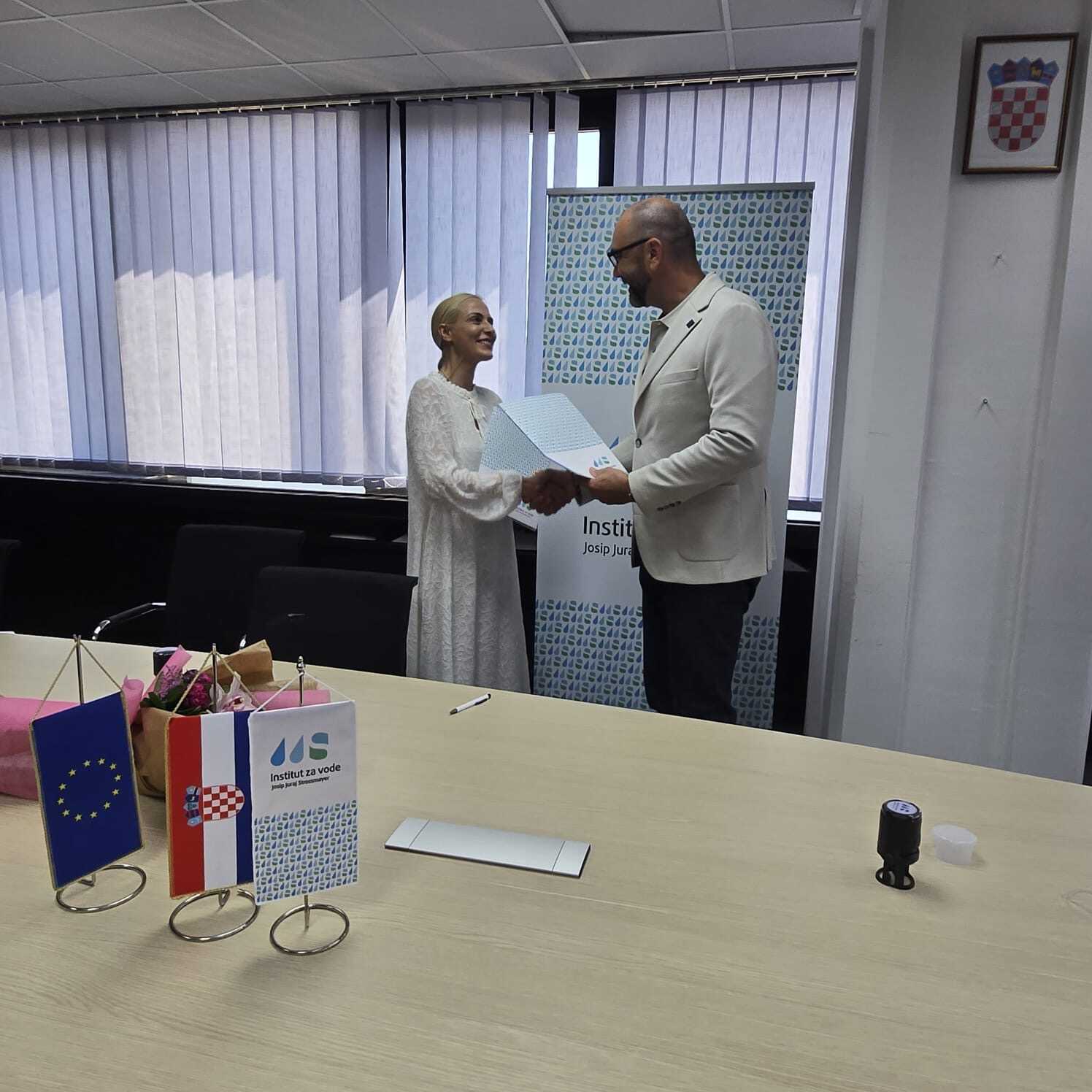
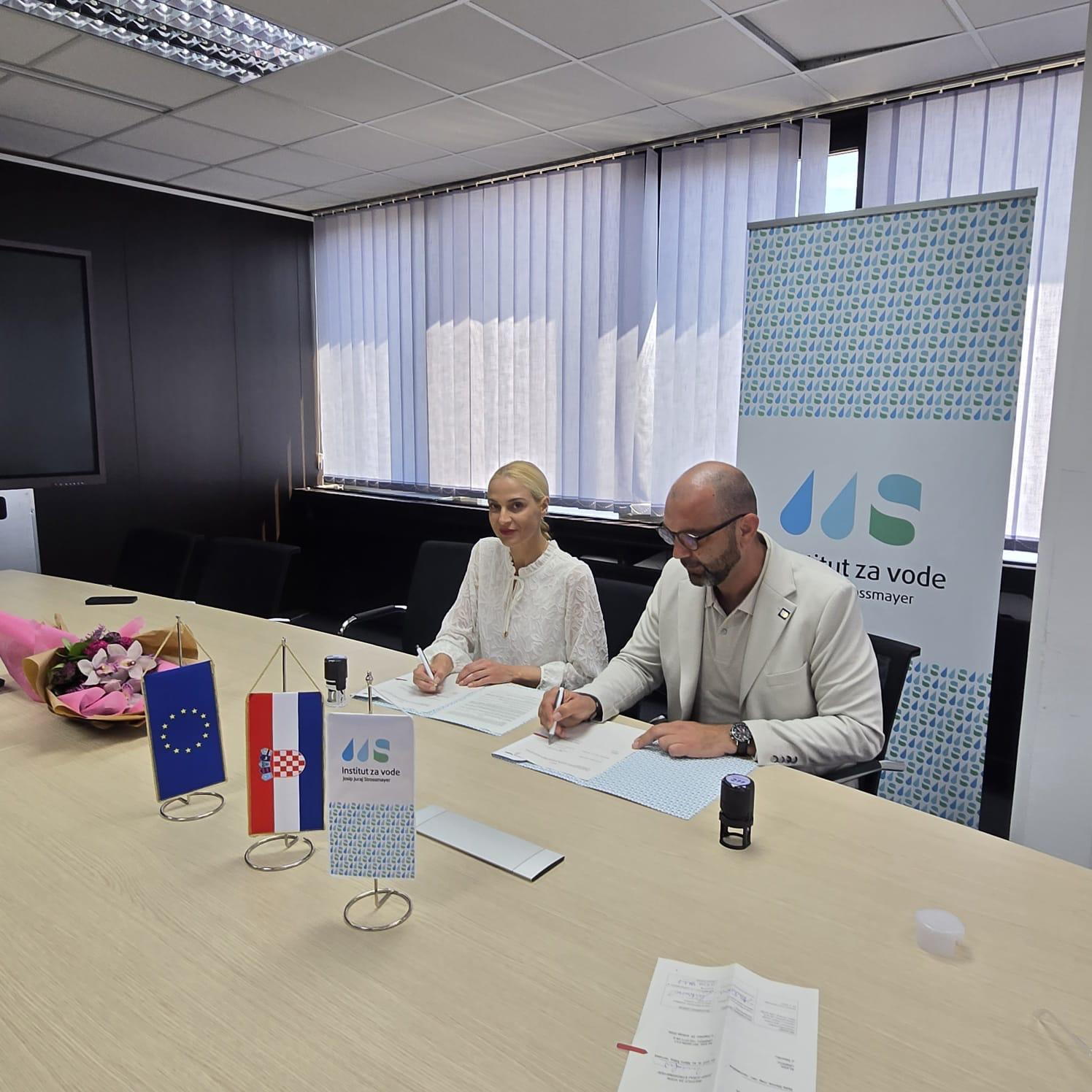
For this reason, a cooperation agreement was signed today at the Josip Juraj Strossmayer Water Institute between the Institute and the Krka National Park Public Institution for the implementation of the ReFresh Fish LIFE project, one of the most important current freshwater biodiversity conservation projects in Croatia.
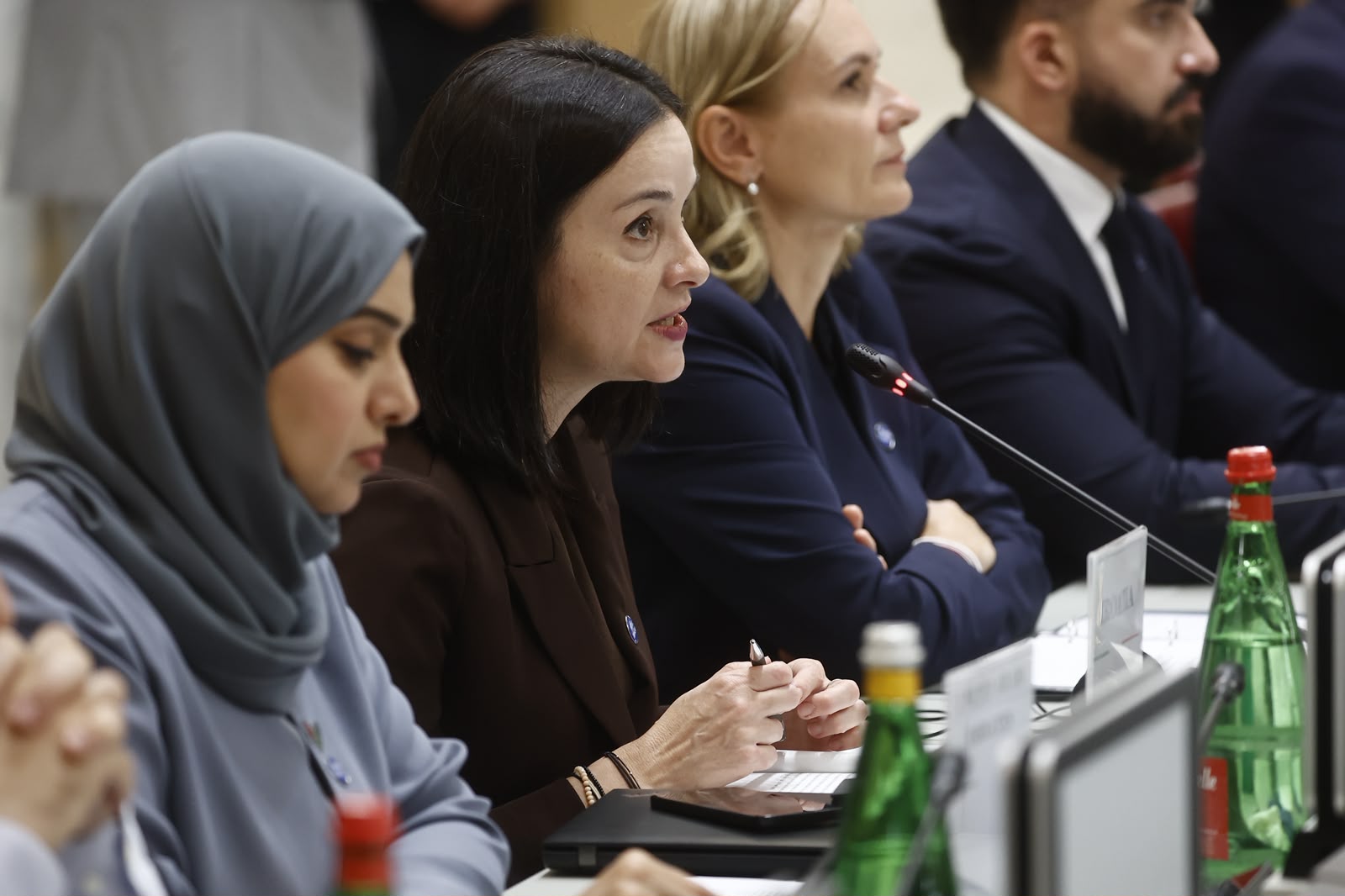
The agreement was signed by Nella Slavica, Director of Krka National Park, and Mario Šiljeg, Director of the Institute.
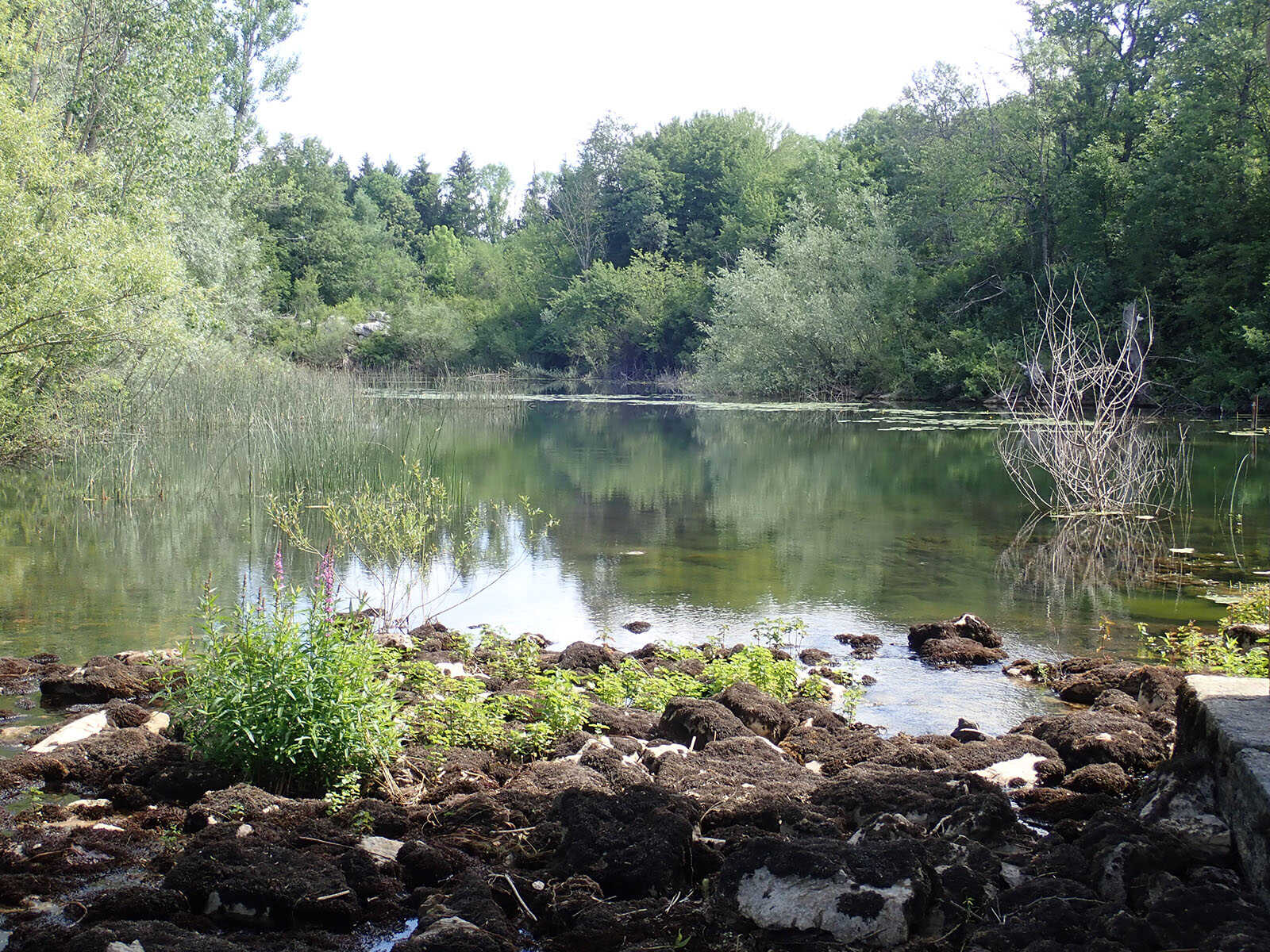
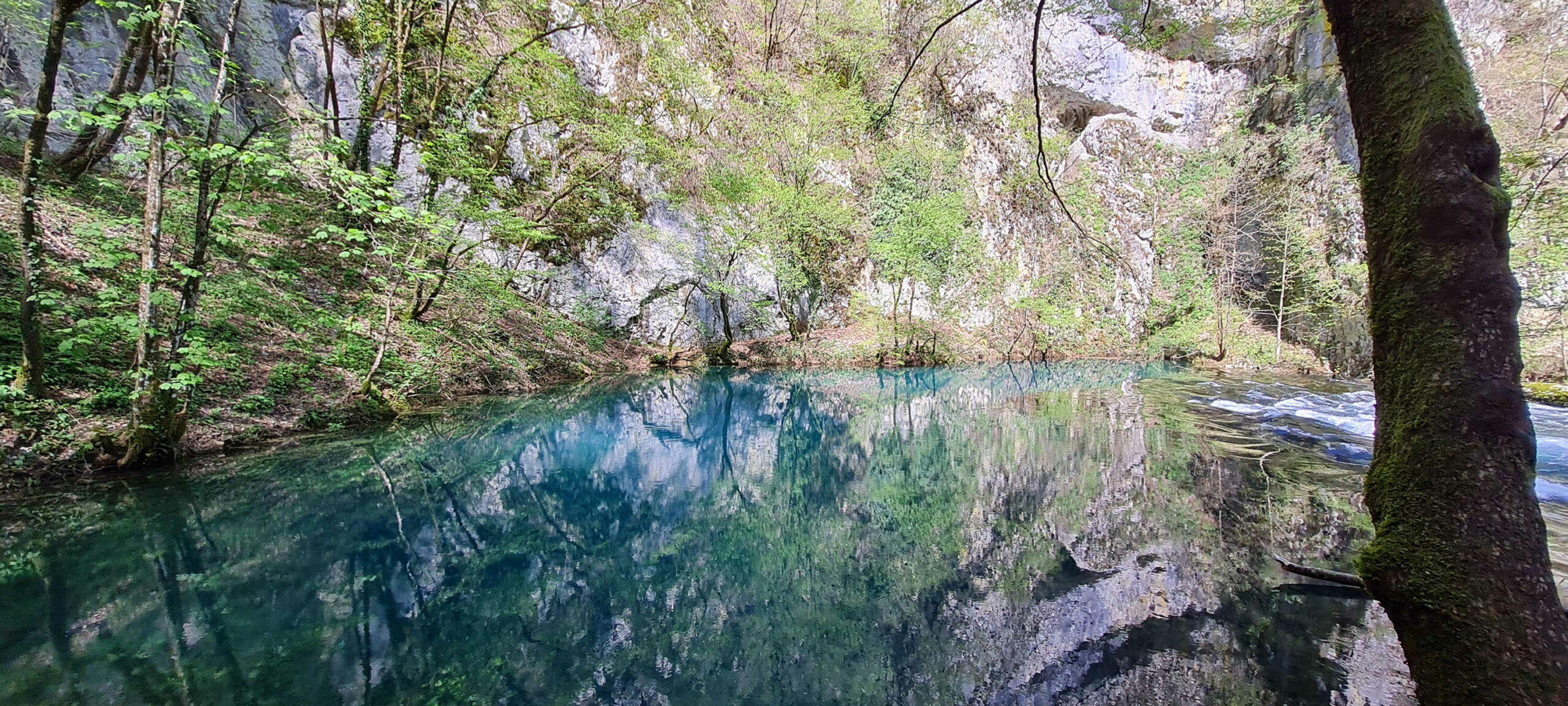
The ReFresh Fish LIFE project is being implemented under the European Union’s LIFE Programme with the aim of improving the conservation status of five endemic and threatened freshwater fish species in the Šibenik-Knin County and Split-Dalmatia County. The project covers Natura 2000 sites within Krka National Park, the Čikola River, the Vrba River, and the middle reaches of the Cetina River, including the Sinj and Hrvace fields. The total value of the project exceeds four million euros, with the European Union co-financing 75 percent of its budget.
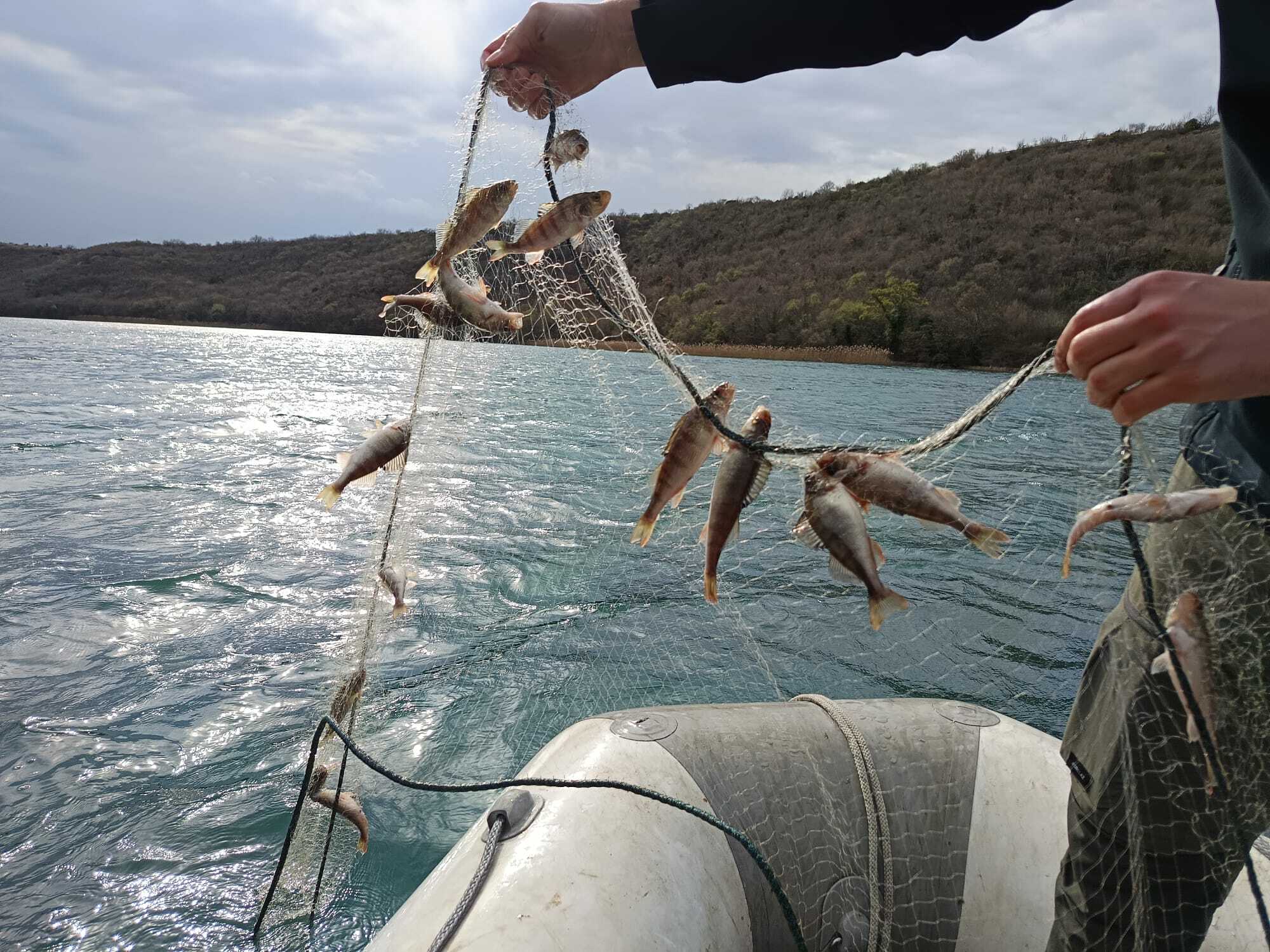
The project includes the restoration of degraded habitats, the removal of invasive alien species, the development of modern monitoring models, and the strengthening of the resilience of river ecosystems in some of Croatia’s most valuable freshwater habitats.
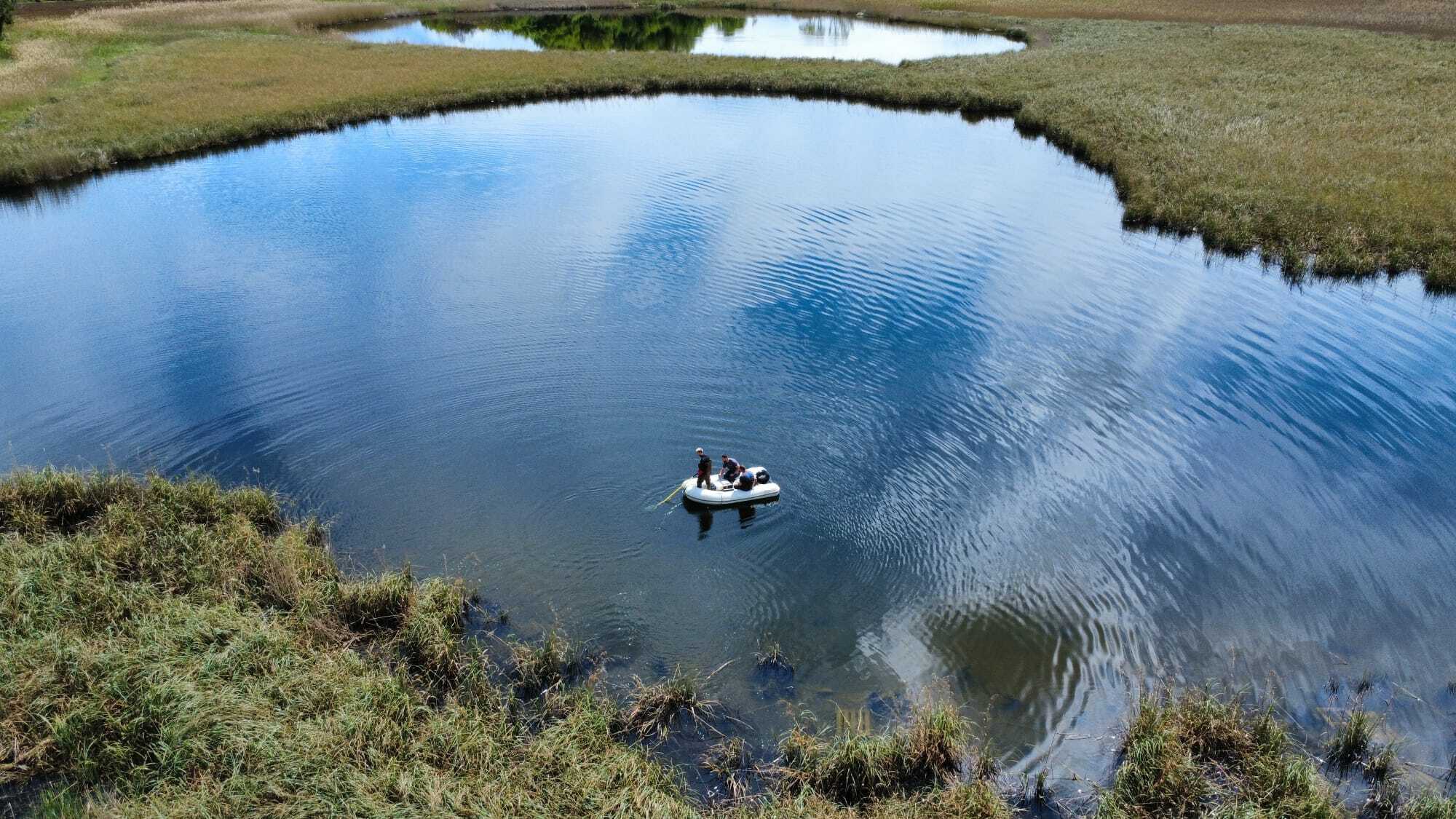
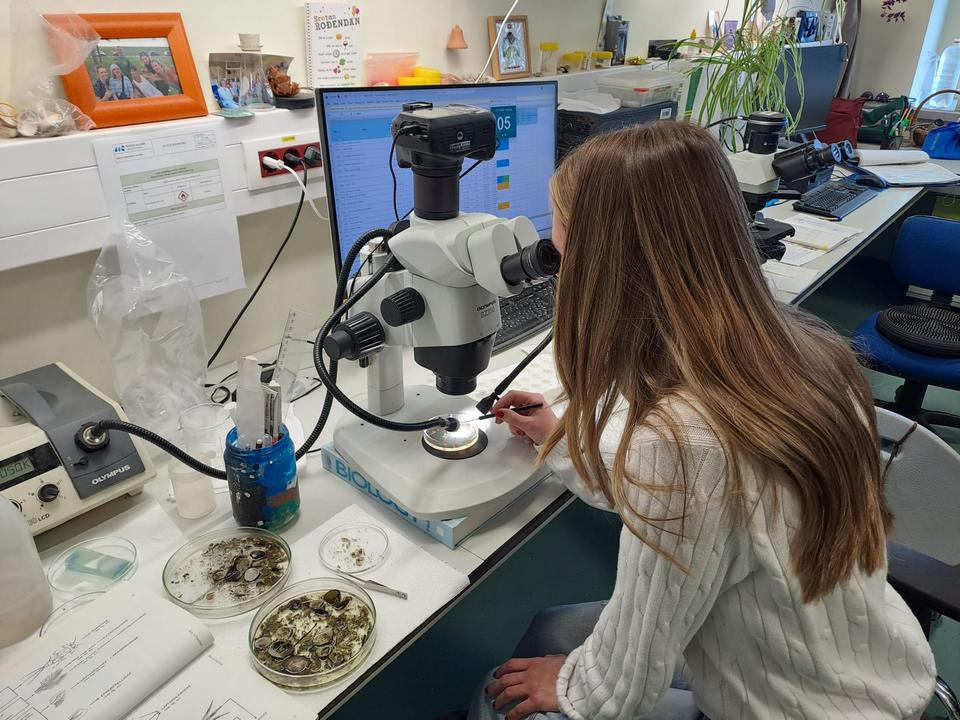
The Institute participates as an expert partner through the development of aquatic ecosystem monitoring, analytical and research support, and the application of modern methods for assessing the condition of waters and habitats.
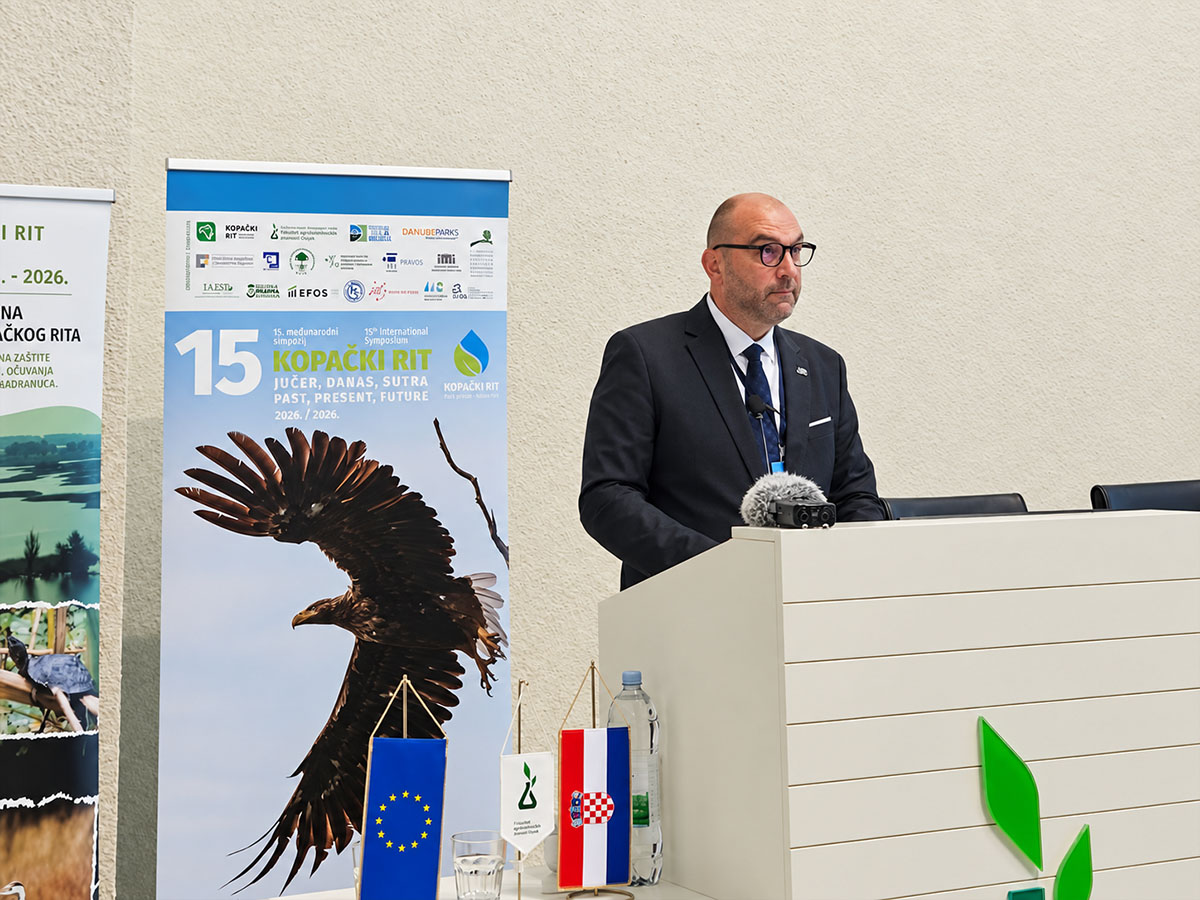
Director Mario Šiljeg emphasized that river conservation is becoming one of the key issues of long-term environmental security and societal resilience to climate change.
“When a river begins to lose its native species, we are no longer speaking only about a problem affecting nature; we are witnessing a warning sign that the area is gradually losing its resilience. Europe is increasingly warning that freshwater ecosystems are among the most threatened on the continent, yet they are fundamental to water security, food security, and life itself. That is why projects such as this have a significance that extends far beyond the protection of individual species—they represent the defence of the natural balance without which there can be no sustainable development in the long term,” said Šiljeg.
Nella Slavica, Director of the Krka National Park Public Institution, highlighted that the project represents an important step towards the active management and restoration of river ecosystems.
“The endemic species of our rivers are important indicators of ecosystem health and form part of the natural identity of these landscapes. The particular value of this project lies in its integration of expert knowledge, field research, and practical habitat restoration measures aimed at the long-term preservation of the Krka and Cetina rivers and their tributaries,” Slavica stated.
The approval of the ReFresh Fish LIFE project for funding under the EU LIFE Programme confirms that the protection of freshwater ecosystems and the restoration of threatened river habitats are recognized as key priorities of European nature conservation policy and water resource security.
In an era of climate change and growing pressures on water resources, projects such as this are becoming the line between conservation and the irreversible loss of natural balance. Rivers do not disappear overnight. They first lose their species, then their resilience, and ultimately their ability to sustain life in the landscapes through which they flow. For this reason, the protection of freshwater ecosystems is no longer solely a matter of nature conservation—it is a matter of water security, food security, and the future of life as we know it.