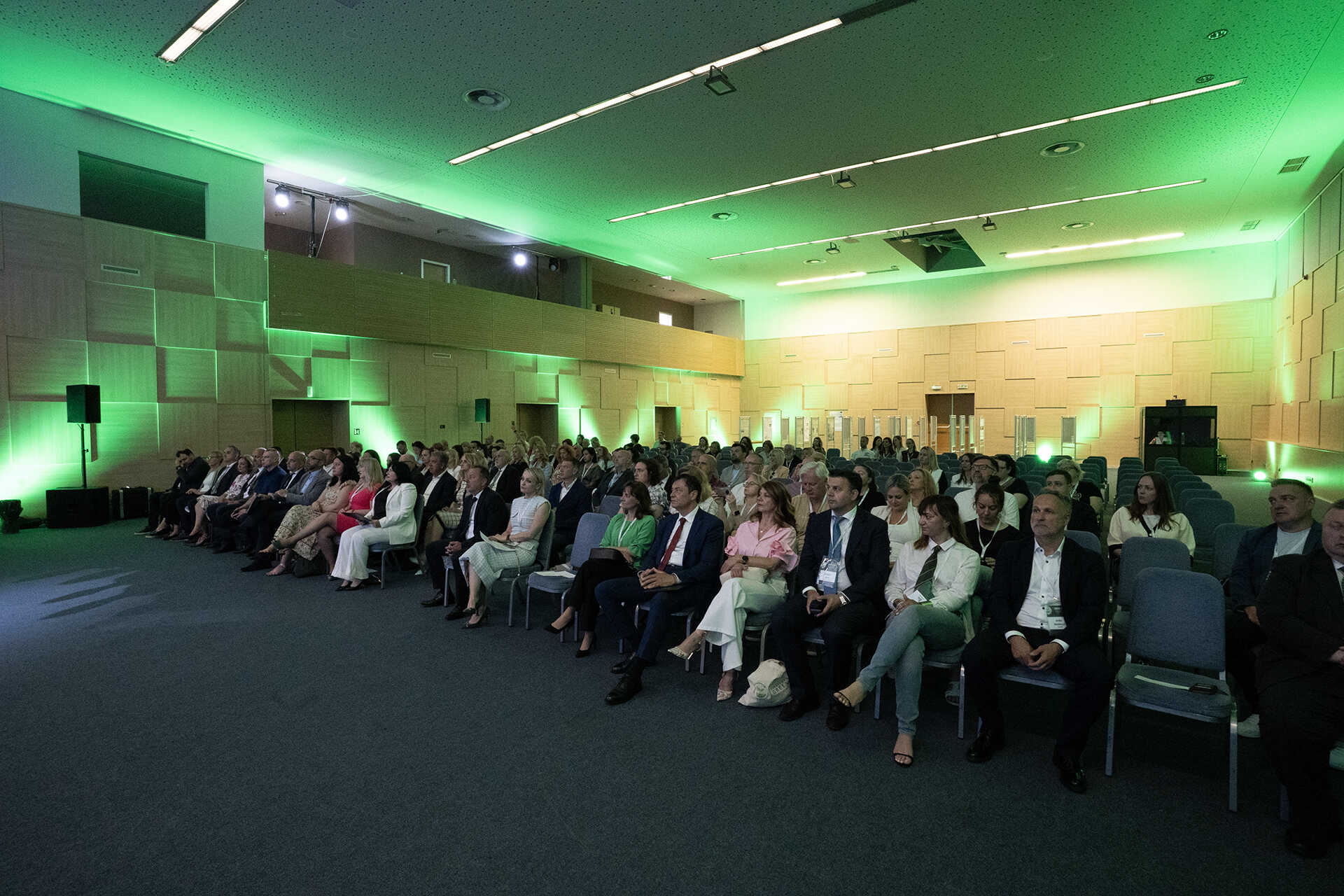
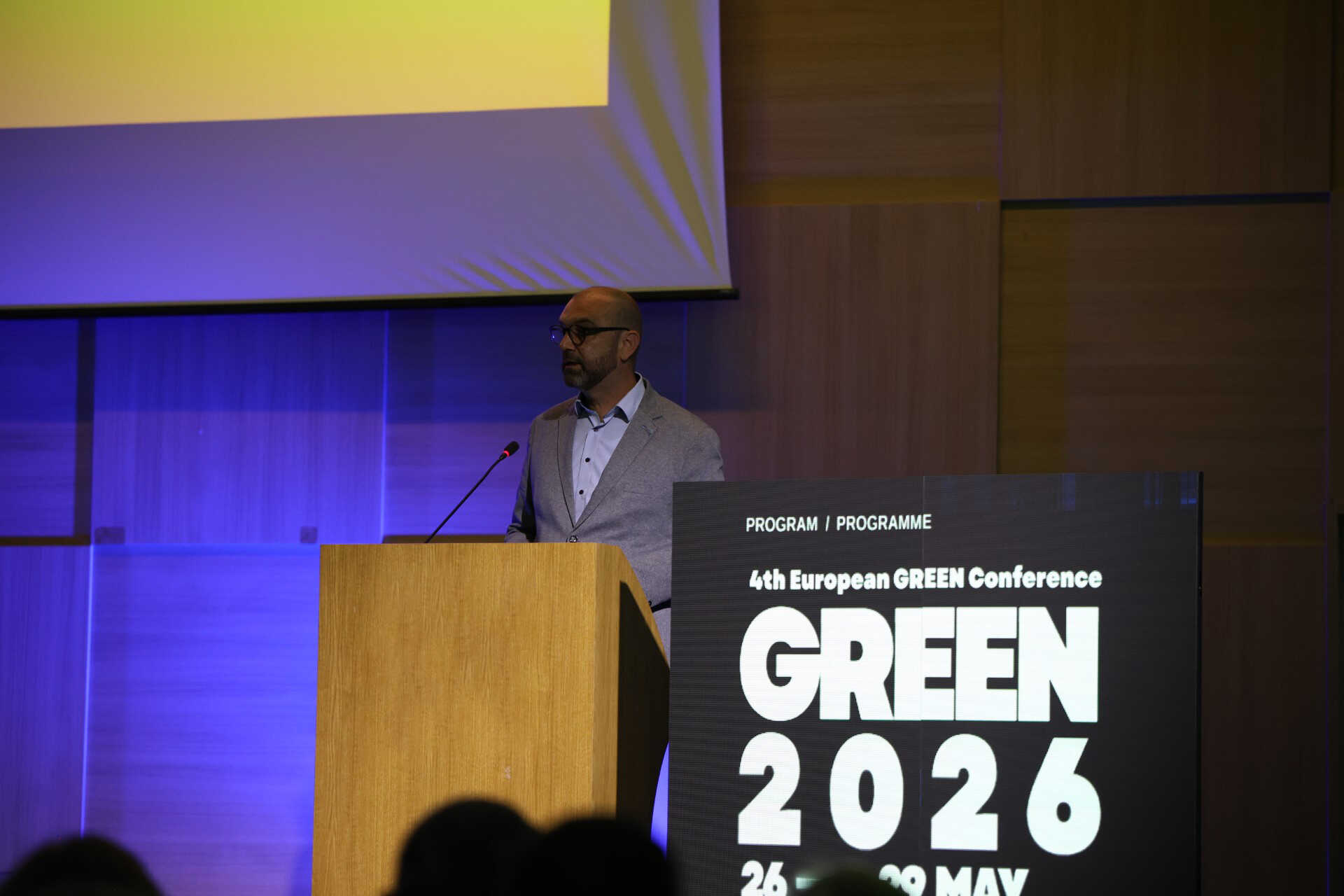
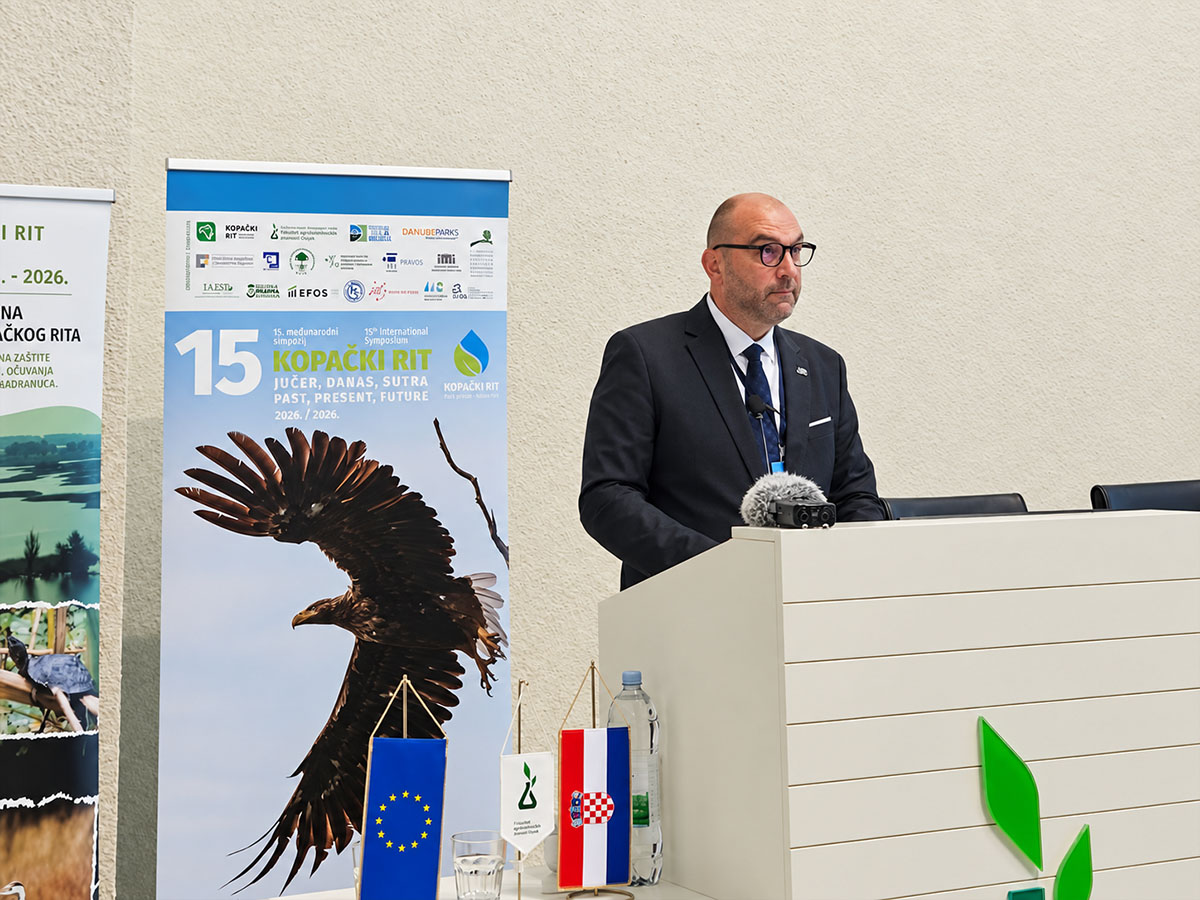
The Director of the Institute, Dr. Mario Šiljeg, officially opened the 4th European GREEN Conference – GREEN 2026 – in Vodice, one of the region’s internationally recognized conferences dedicated to the environment, sustainable development, nature protection, and green technologies. Over the years, the conference has grown into an important meeting place for scientists, experts, institutional representatives, entrepreneurs, innovators, and young researchers from various fields related to sustainable development and the green transition.
This year’s edition of the conference is being held in Vodice from 26 to 29 May, organized by the International Association of Environmental Protection Professionals in cooperation with the Faculty of Food Technology Osijek, with the support of partner institutions. To date, GREEN conferences have gathered more than 600 participants, including 285 participants from 17 countries this year, with more than 80 selected professional and scientific papers, further confirming the conference’s international significance and strong multidisciplinary character.
Opening the conference, the Director of the Institute emphasized that environmental protection, resource management, and sustainable development are no longer issues belonging to a single profession or sector, but topics that determine the quality of life and the future of society as a whole.
“Today, we no longer speak about environmental protection as an issue belonging to a single sector or profession. We are speaking about how we produce food, develop cities, manage energy, and protect natural resources, but also about the kind of society we want to leave to future generations.”
Speaking about the importance of a multidisciplinary approach, he highlighted that climate and environmental challenges cannot be addressed in isolation and that real solutions emerge through cooperation between science, institutions, the economy, and development policies.
“Solutions emerge where science and practice meet, where academia and the economy, institutions and society come together. And this conference does exactly that.”
Particular emphasis was also placed on water-related issues, with a warning that in the era of climate change, water will become one of Europe’s key development and security resources.
“Water is no longer merely an environmental issue. It is a development, economic, security, and civilizational issue.”
Director Šiljeg also expressed gratitude to Prof. Mirna Habuda-Stanić, who, as he noted, has for the fourth consecutive year brought together an increasing number of experts and institutions while continuously developing the conference into one of the recognized international gatherings in the fields of environmental protection and sustainable development.
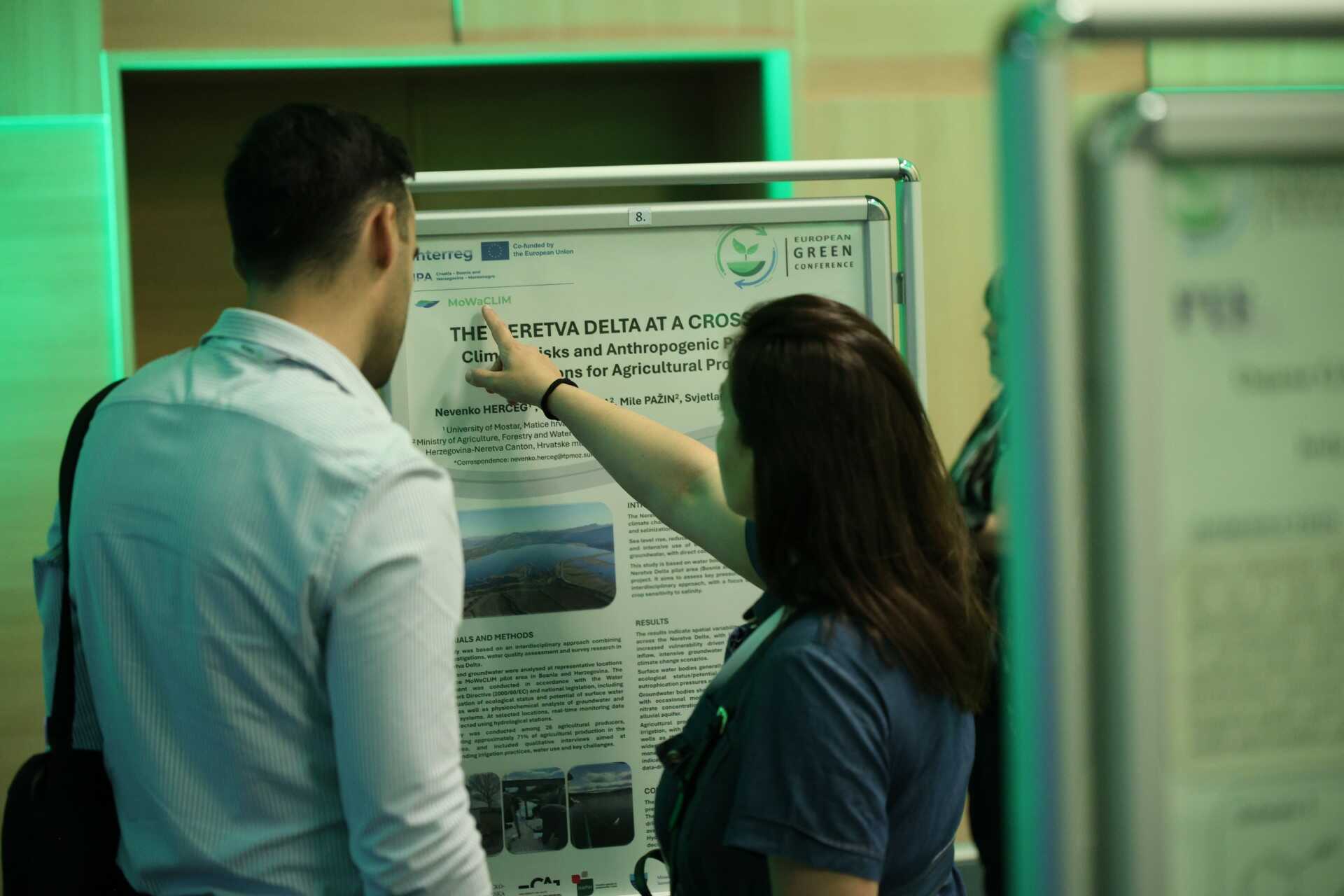
This year’s conference has been further expanded through the introduction of the Multidisciplinary Student LAB and the GREEN Projects Zone, platforms aimed at connecting young researchers, project teams, businesses, and institutions through the presentation of innovative solutions and EU-funded projects.
The conference programme covers topics including climate change, water management, nature protection, the circular economy, renewable energy sources, green technologies, sustainable tourism, green construction, waste management, and security challenges related to climate change.
The GREEN 2026 conference further strengthens its role in connecting science, professional practice, and development policies in the fields of water, the environment, and sustainable development, while also reinforcing international cooperation in the protection of natural resources.
At the same time, the conference clearly demonstrates that issues related to water, climate resilience, and sustainable resource management are becoming some of Europe’s key development and security challenges, making cooperation between science, institutions, and the economy no longer a choice, but a necessity.