Sava River Day: One River, Six Countries, and a Shared Responsibility
Sava River Day is celebrated on 1 June to highlight the importance of one of Europe’s most significant rivers and to remind us of the need to preserve it for future generations.

Sava River Day is celebrated on 1 June to highlight the importance of one of Europe’s most significant rivers and to remind us of the need to preserve it for future generations. The date marks the signing of the Framework Agreement on the Sava River Basin in 2002, through which the countries within the basin established a unique model of international cooperation in water management, environmental protection, and sustainable development.
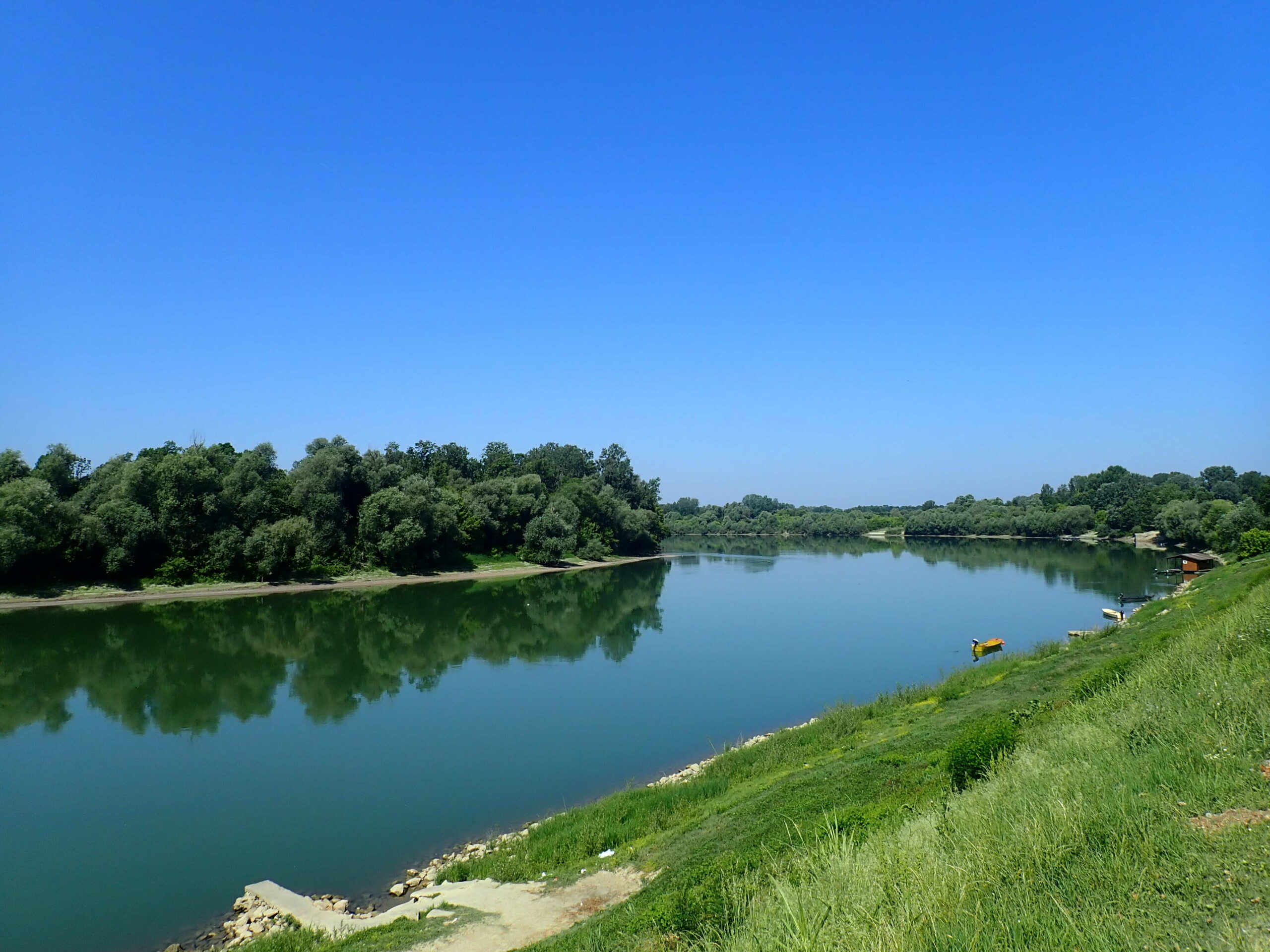
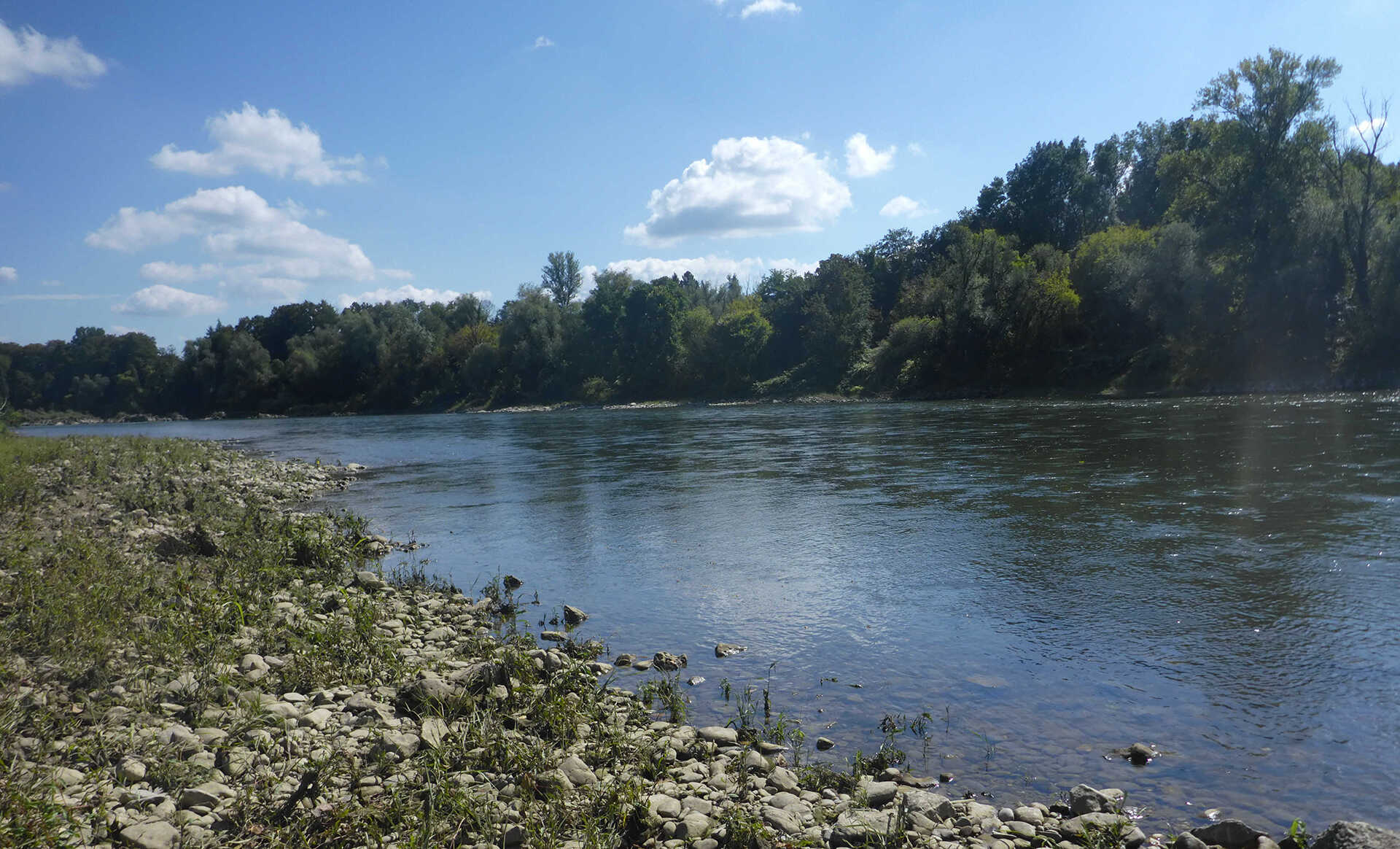
The Sava is the longest river in Croatia and one of the largest tributaries of the Danube. It is formed by the confluence of the Sava Dolinka and Sava Bohinjka rivers in Slovenia and, after flowing for nearly one thousand kilometres, joins the Danube in Belgrade. Its basin connects six countries in Southeast Europe and more than eight million people, making the Sava one of the most important natural links in this part of the continent.
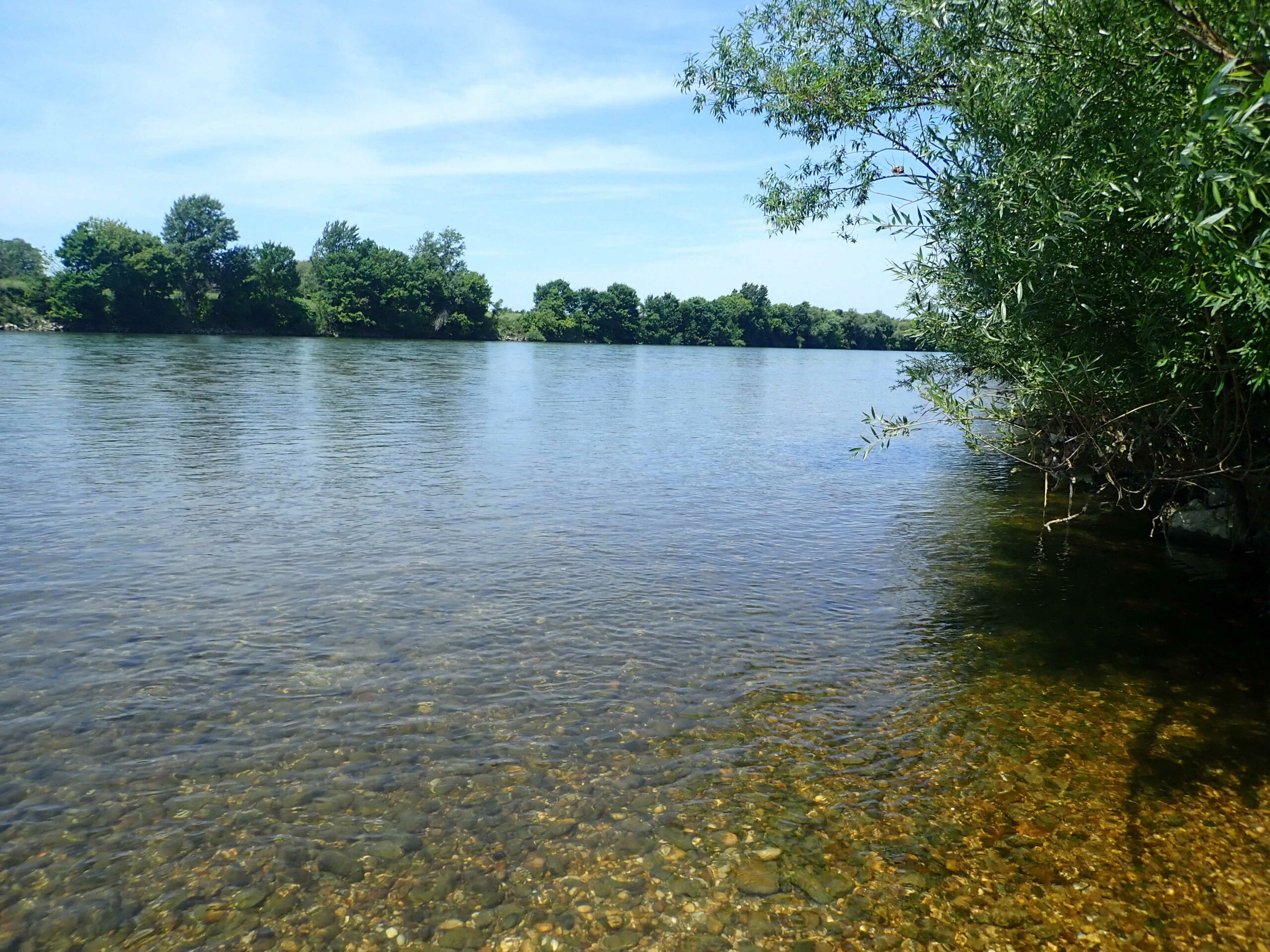
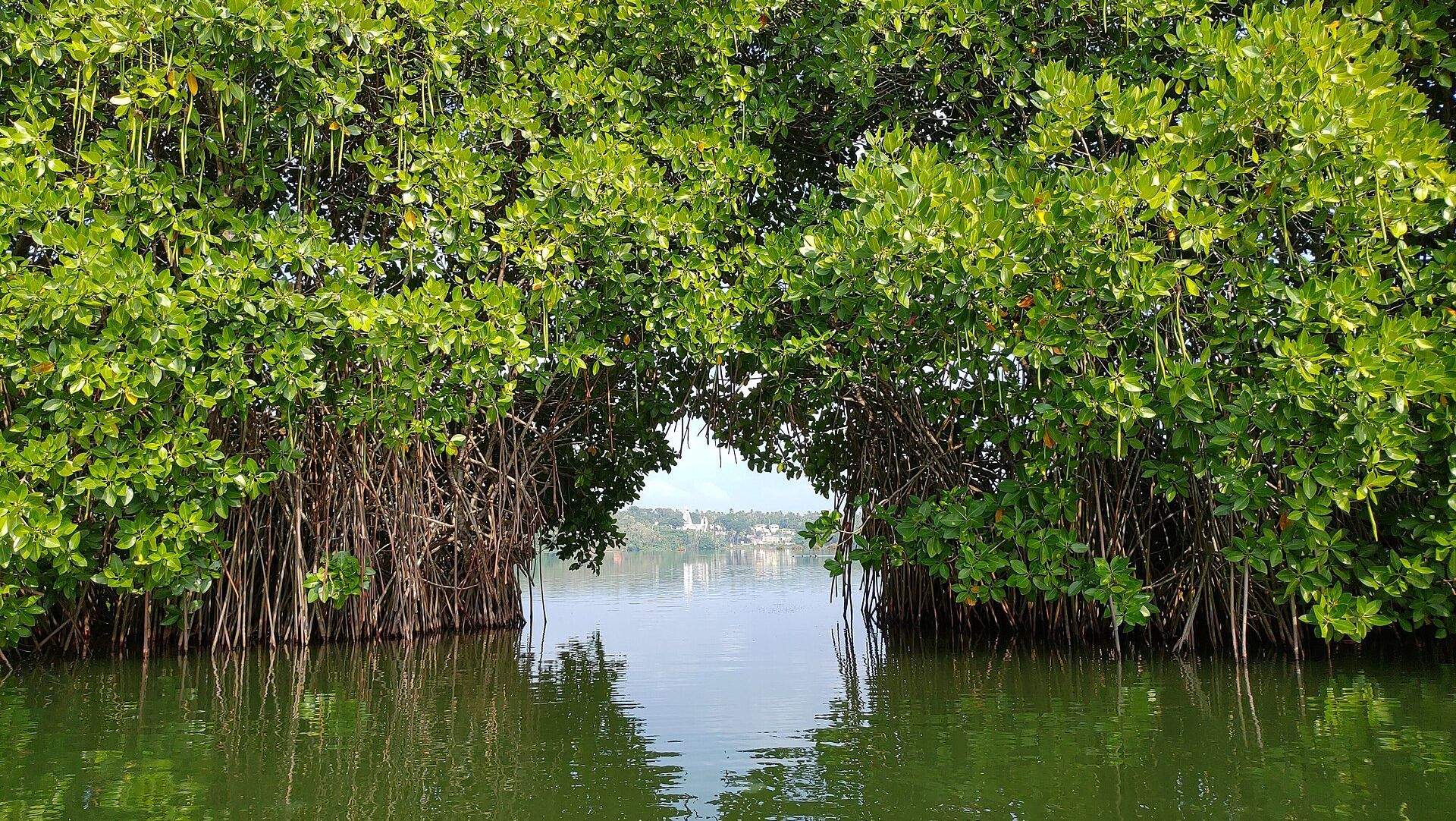
Along its course, the Sava flows through an exceptionally diverse range of landscapes, from mountainous regions and river valleys to vast lowland floodplains. These floodplain areas are among the most valuable natural habitats in Europe. They help mitigate floods, purify water, store carbon, and provide habitats for numerous plant and animal species.
In addition to its natural value, the Sava plays a vital role in people’s daily lives. Its waters are used for drinking water supply, agriculture, economic activities, and recreation.