As part of the meeting of environment ministers of the MED9 Member States — the Mediterranean members of the European Union — held in Šibenik during Croatia’s presidency of the initiative, the Josip Juraj Strossmayer Water Institute and Innovamare presented an integrated microplastics monitoring system developed in Croatia.
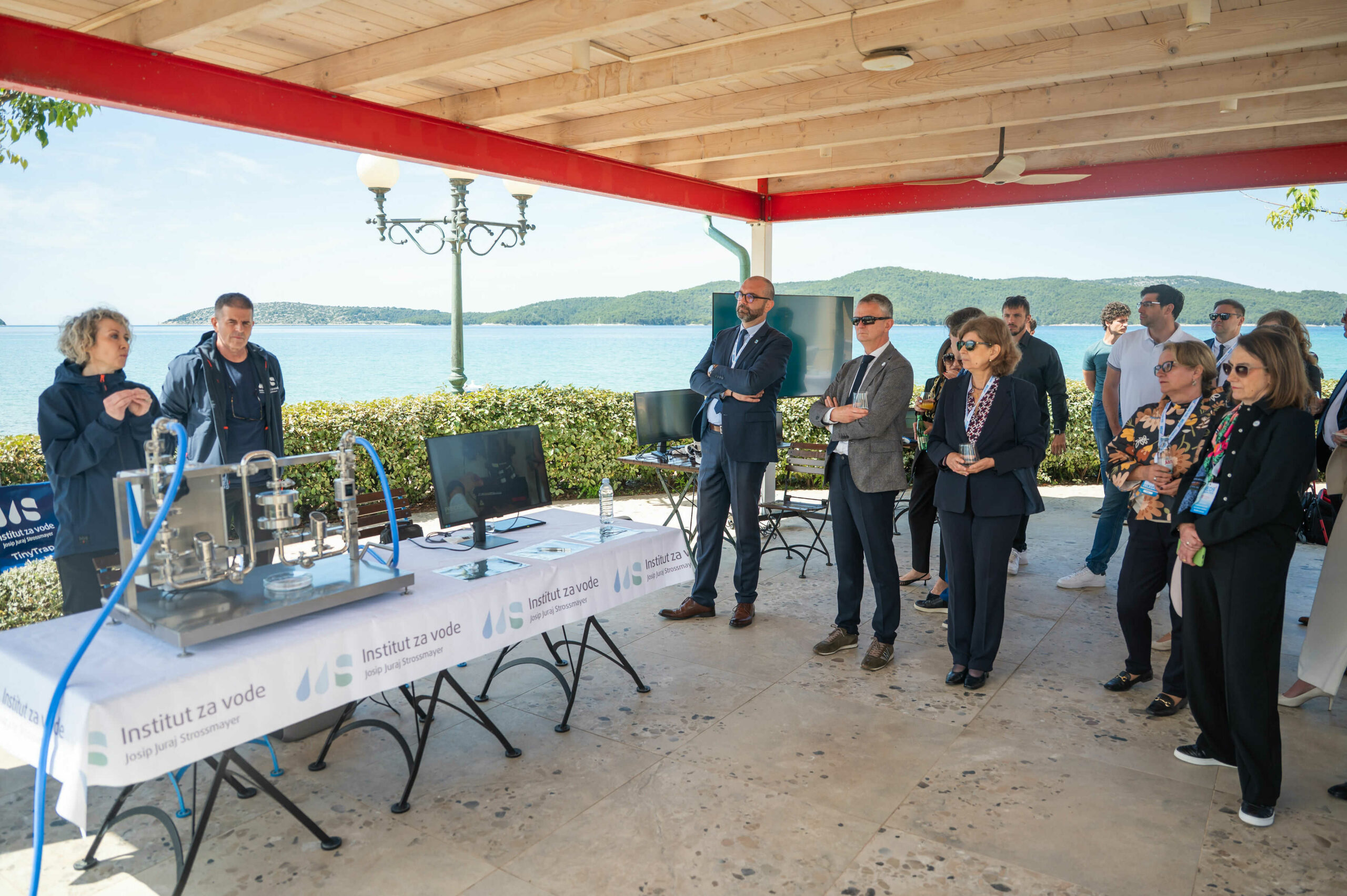
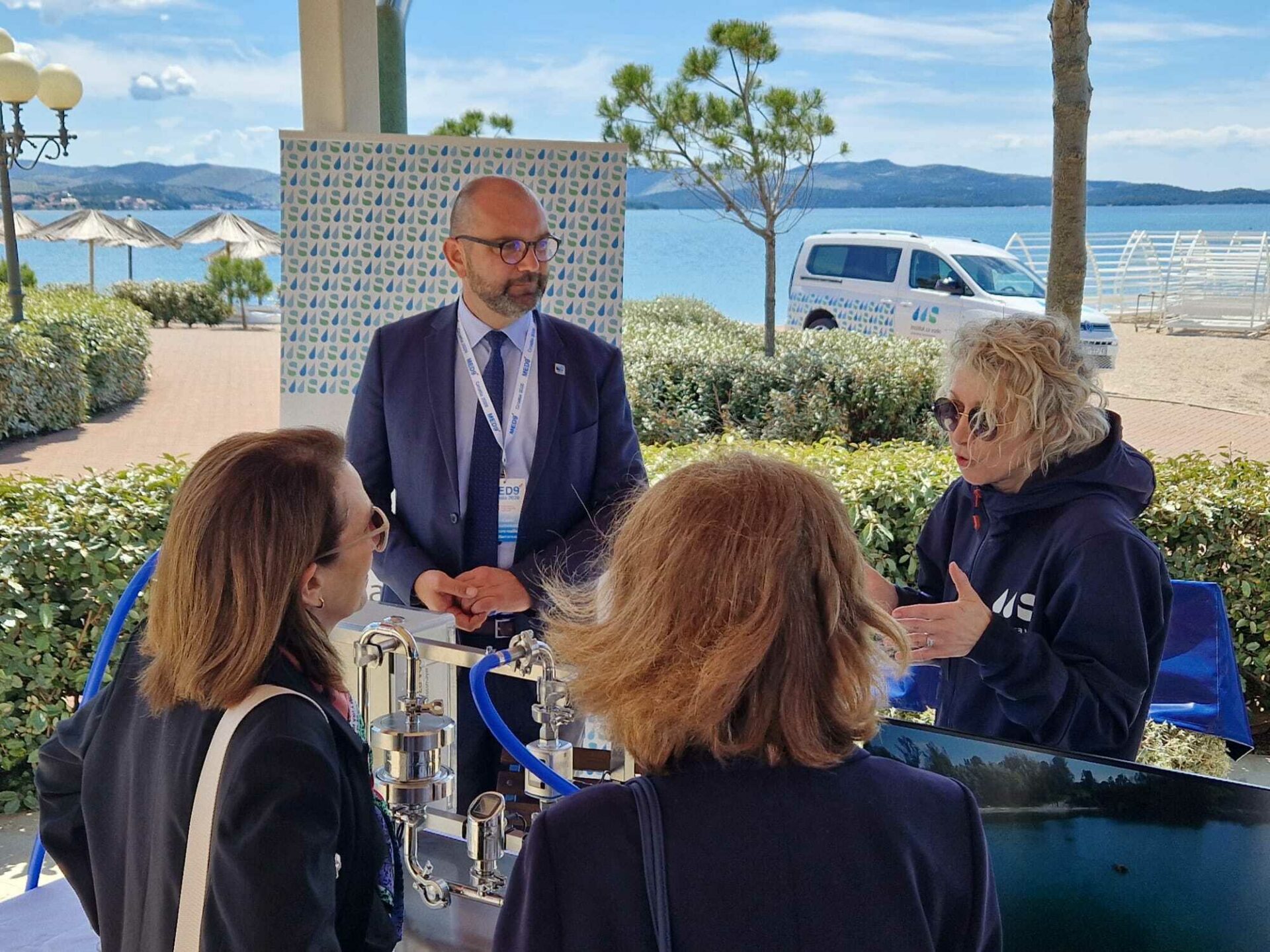
The demonstration took place directly on the waterfront in Šibenik, under real operational conditions for marine environmental monitoring, in the presence of environment ministers from MED9 Member States, representatives of the European Commission, and experts in the fields of water, marine environments, and environmental protection.
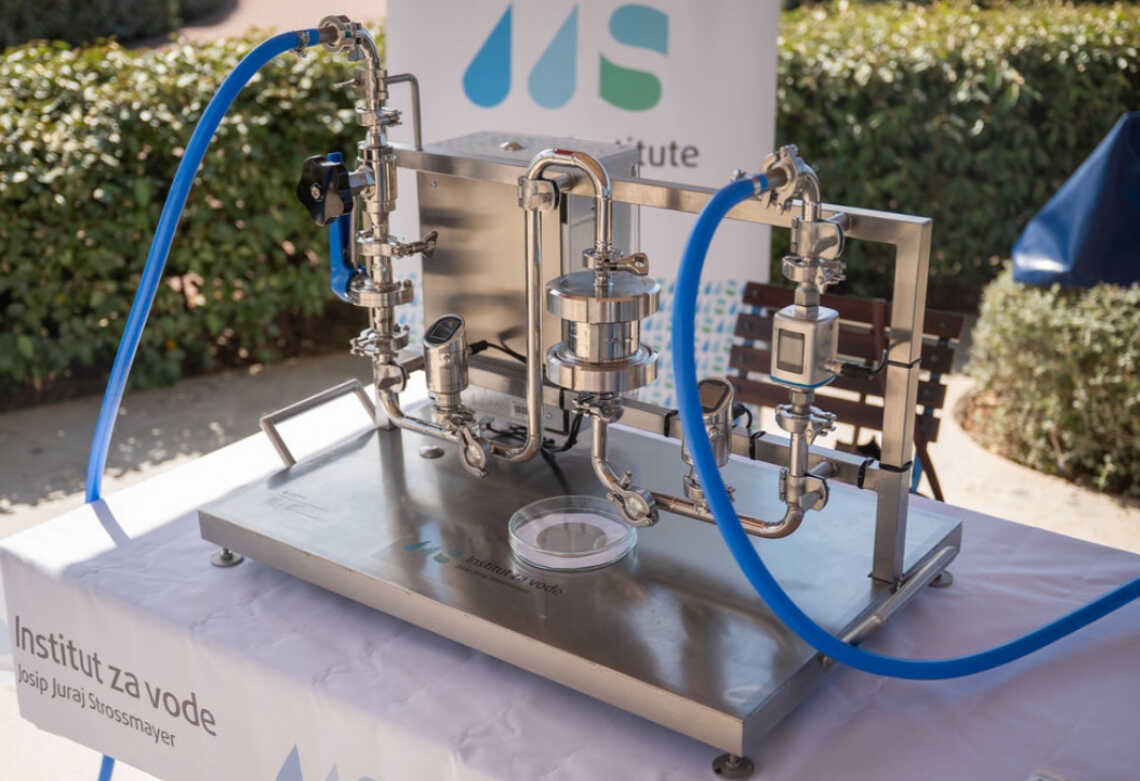
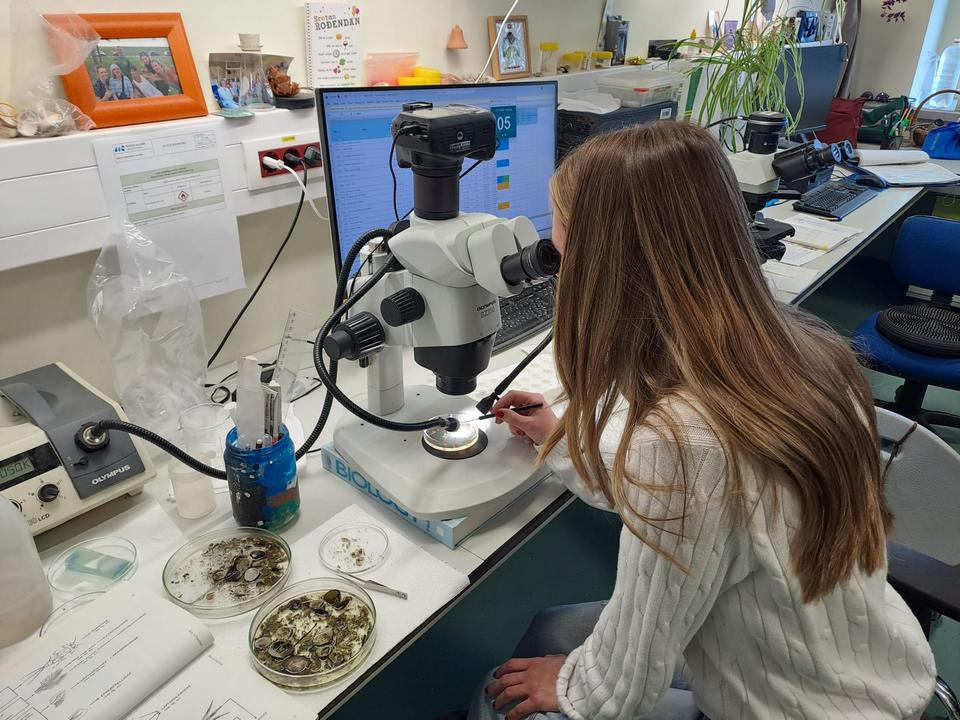
At the centre of the presentation was the “Tiny Trap” system developed by the Josip Juraj Strossmayer Water Institute, designed for representative sampling of large volumes of water while ensuring high standards of data quality control and reliable microplastics analytics. The system integrates field sampling, large-volume water filtration, and laboratory analytics into a single operational framework.
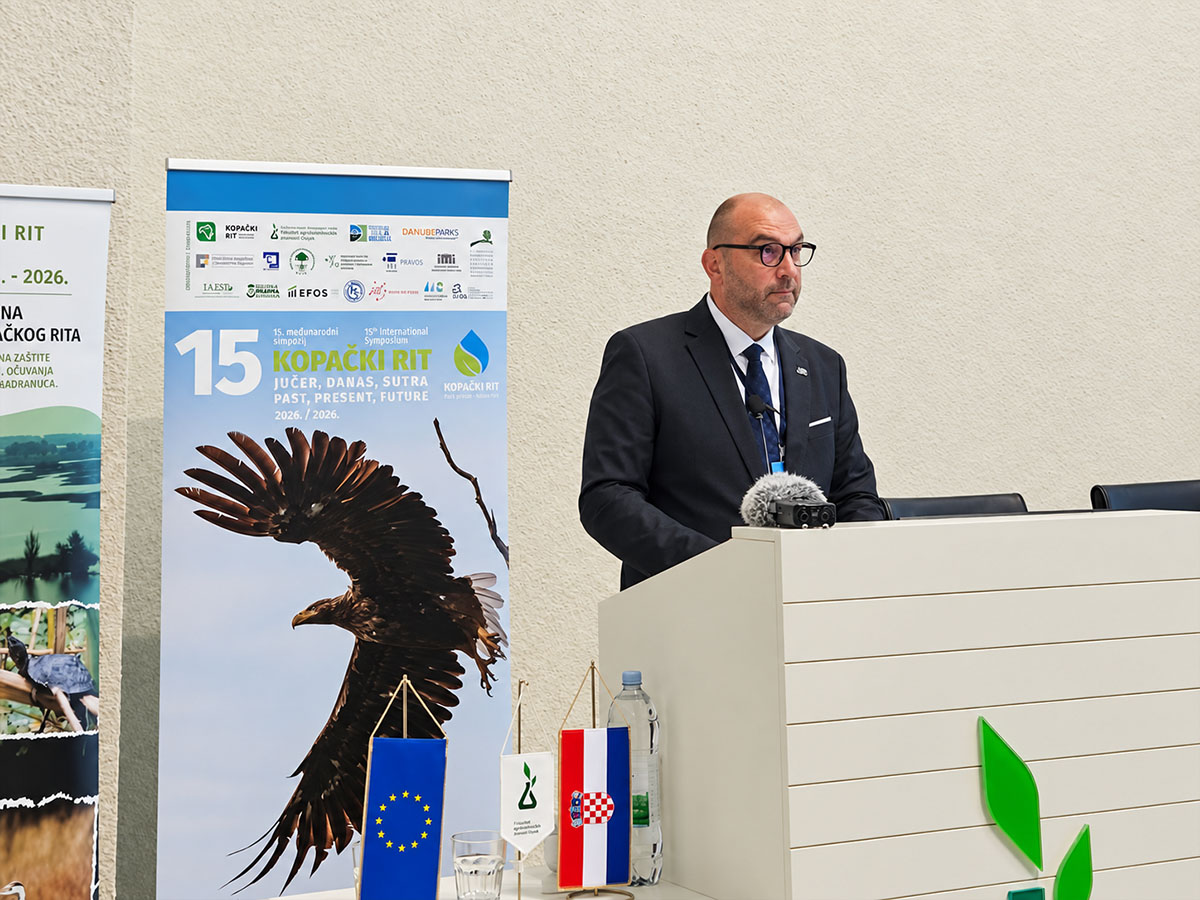
The Director of the Institute, Associate Professor Mario Šiljeg, emphasized that microplastics currently represent one of the fastest-growing environmental challenges, particularly within aquatic ecosystems.
“Recent research shows that a single bottle of water may contain more than 200,000 microplastic and nanoplastic particles, while a person may ingest an amount of plastic approximately equal to the weight of a credit card in just one week. This is precisely why it is essential to develop technologies capable of providing representative and reliable samples from the natural environment, because without high-quality samples there can be no high-quality data or effective water and marine protection policies,” stated Director Šiljeg.
Particular emphasis was placed on the fact that the entire system is the result of Croatian expertise, cooperation between the scientific, public, and innovation sectors, and the development of domestic interoperable solutions for water and marine monitoring.
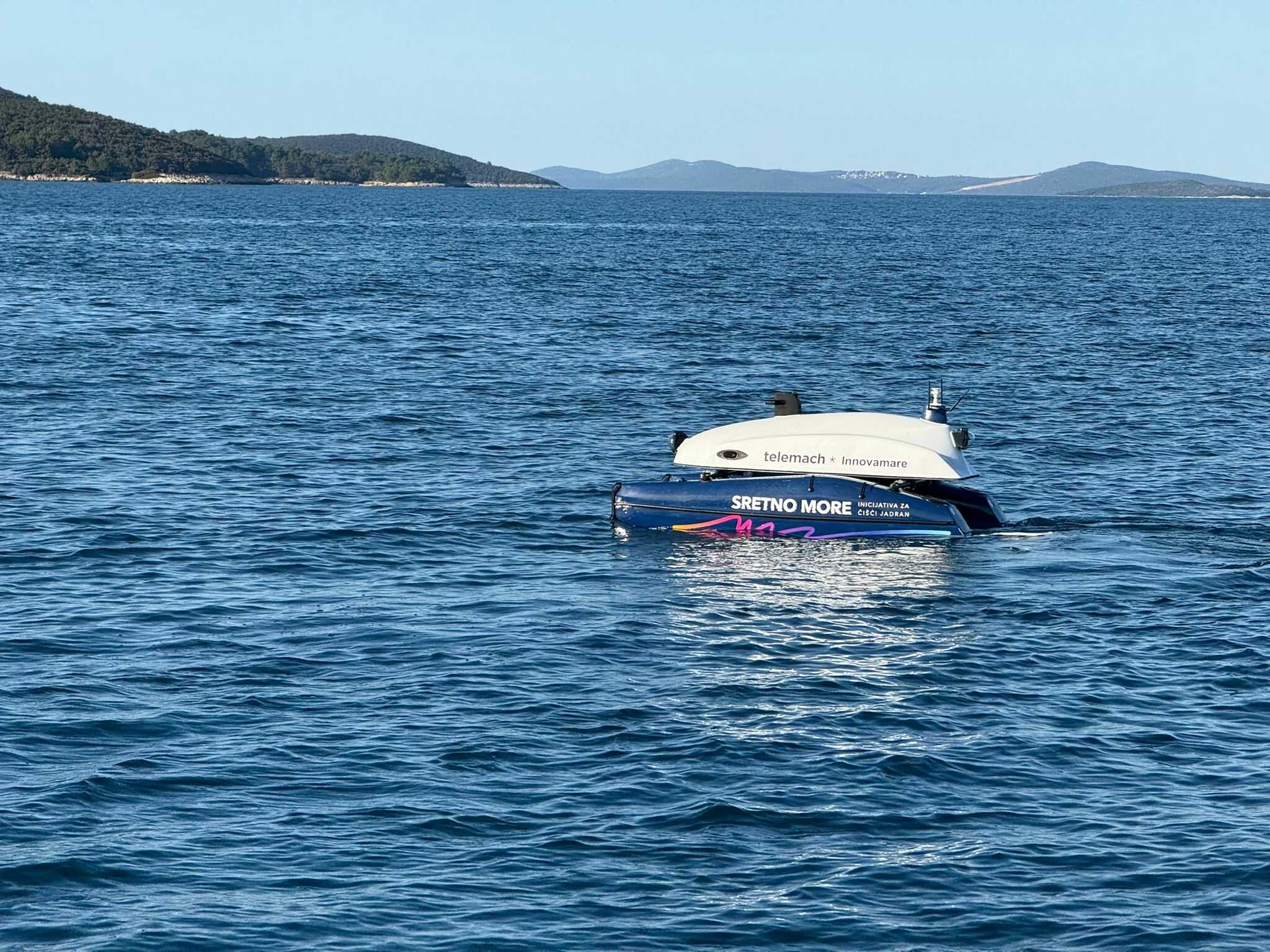
Innovamare presented the autonomous surface vessel Faust V and an underwater drone (ROV), which enable data collection and seabed inspections under real conditions, including the detection of waste and other pressures affecting the marine environment.
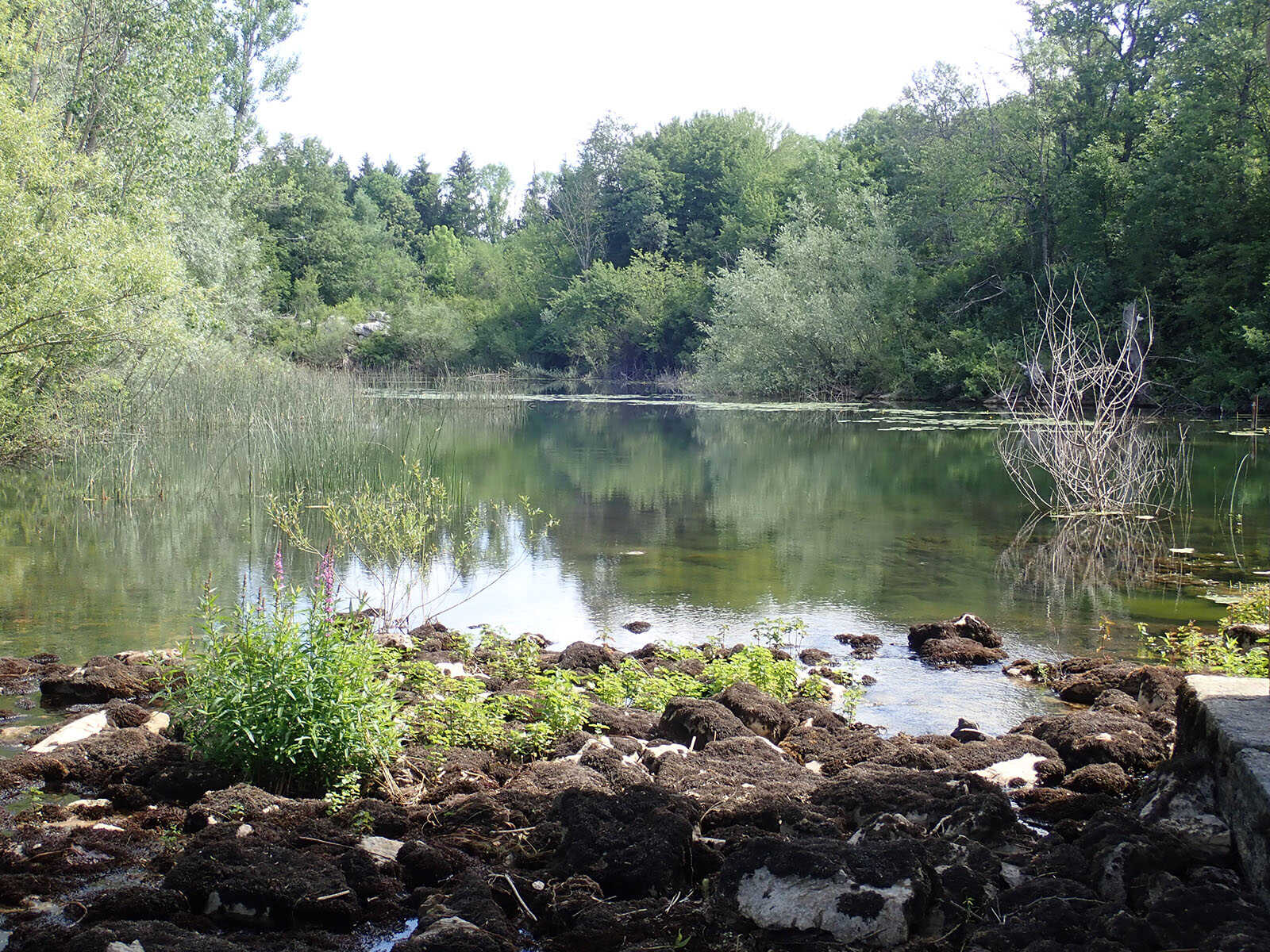
A special value of the presented solution lies in its integrated “source-to-sea” approach, which connects river, coastal, and marine monitoring into a unified system for tracking microplastics and environmental status.
The presentation was organized with the aim of demonstrating the capabilities of modular and interoperable solutions to MED9 countries, particularly in the context of strengthening the resilience of Mediterranean ecosystems and developing more effective water and marine protection policies.