The term acid rain has been known since the mid-19th century, when scientist Robert Angus Smith first pointed out the harmful effects of industrial emissions on the environment. Greater attention was later given to this issue when changes in freshwater quality and declines in populations of certain fish species were observed.
Acid rain forms when sulfur dioxide and nitrogen oxides in the atmosphere combine with moisture. Unlike natural rainwater, which is slightly acidic, acid precipitation has a lower pH value and reaches the environment in the form of rain, snow, fog, or fine particles. Human activities are the main contributors to its formation, particularly the combustion of fossil fuels in industry, energy production, and transport. The consequences are visible in soil, waters, and living organisms. In soils, nutrients are leached out, while increased water acidity may negatively affect fish and other aquatic organisms.
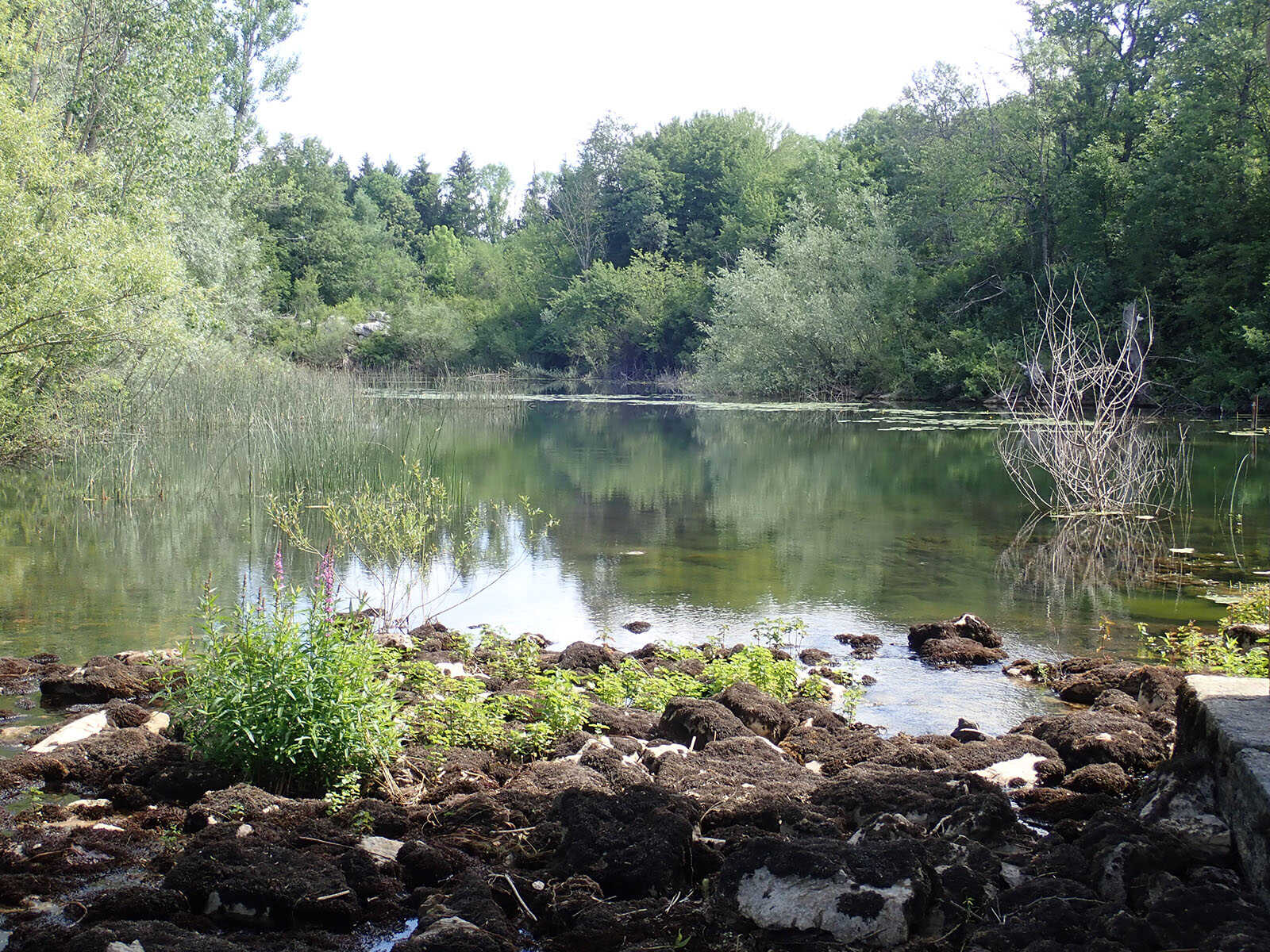
Acid rain highlights the interconnectedness of the atmosphere, soil, and water. Changes in the composition of precipitation can have long-term effects on the chemical properties of waters, especially on pH and alkalinity, which are important indicators of the stability of aquatic ecosystems.
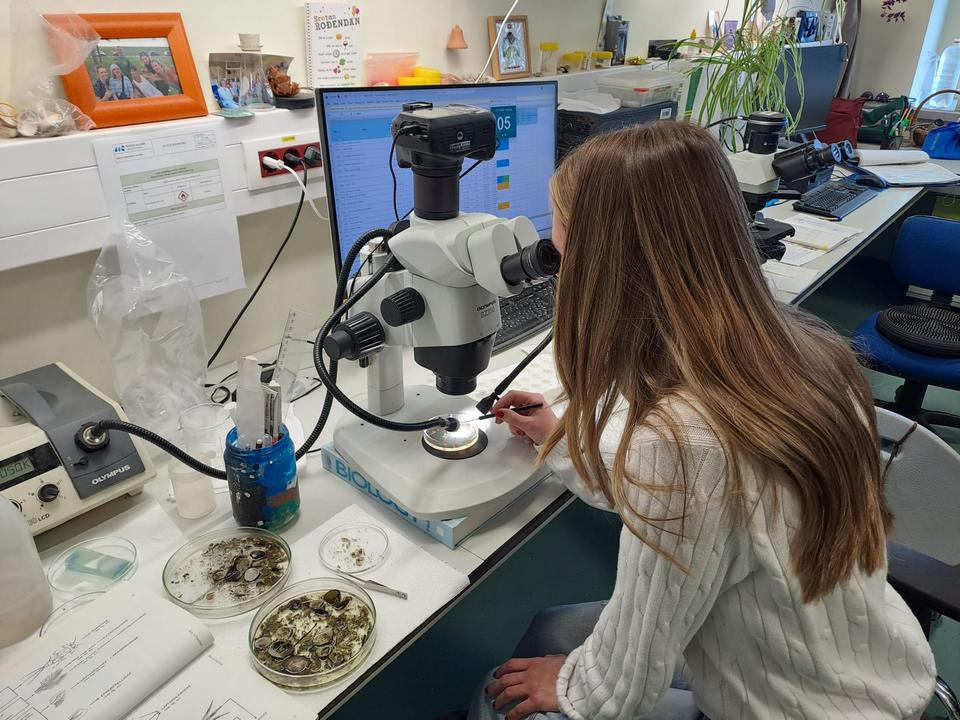
Through the national monitoring of surface and groundwater, the Josip Juraj Strossmayer Water Institute continuously monitors the physical-chemical and biological indicators of water status and prepares the annual Reports on the Status of Waters in the Republic of Croatia. Monitoring includes parameters such as pH, electrical conductivity, and alkalinity, which enable the tracking of potential changes related to water acidification. Results from long-term monitoring show that, in most surface and groundwater bodies in the Republic of Croatia, acidity indicators generally remain within the range characteristic of stable aquatic systems. At the same time, systematic and long-term monitoring allows the timely detection of possible changes caused by atmospheric pollution and other environmental pressures.
Such data provide an important expert basis for understanding the relationship between air quality, precipitation, and waters, as well as for planning measures aimed at protecting aquatic ecosystems.
Text prepared by: Lucija Podrug