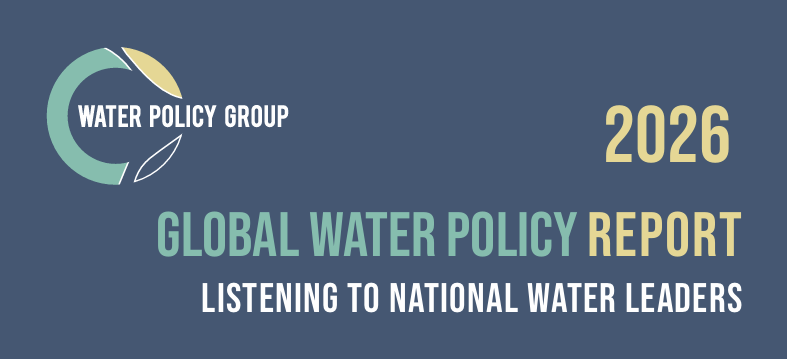
How will countries manage their water resources in the decades ahead? This question lies at the heart of the Global Water Policy Report 2026, which presents the perspectives and experiences of ministers, heads of national water authorities and other senior officials responsible for water governance across 102 United Nations Member States.
The report was prepared by the Water Policy Group – an international network of former ministers, leaders of water institutions and water policy experts – in partnership with the UNSW Global Water Institute. Published in advance of the 2026 United Nations Water Conference, it aims to ground discussions on the future of water governance in the practical experience of those who make decisions on water resources management every day.
The survey findings confirm that climate change remains the most significant global challenge facing water governance. It is closely followed by droughts, floods and growing water demand, highlighting that the water sector is entering an era of continuous adaptation to increasingly pronounced climatic and societal change.
Equally important is the report’s message that the resilience of water systems can no longer rely solely on investment in infrastructure. National water leaders emphasise that effective water governance increasingly depends on high-quality data, strong institutions and the capacity to make informed decisions based on reliable information.
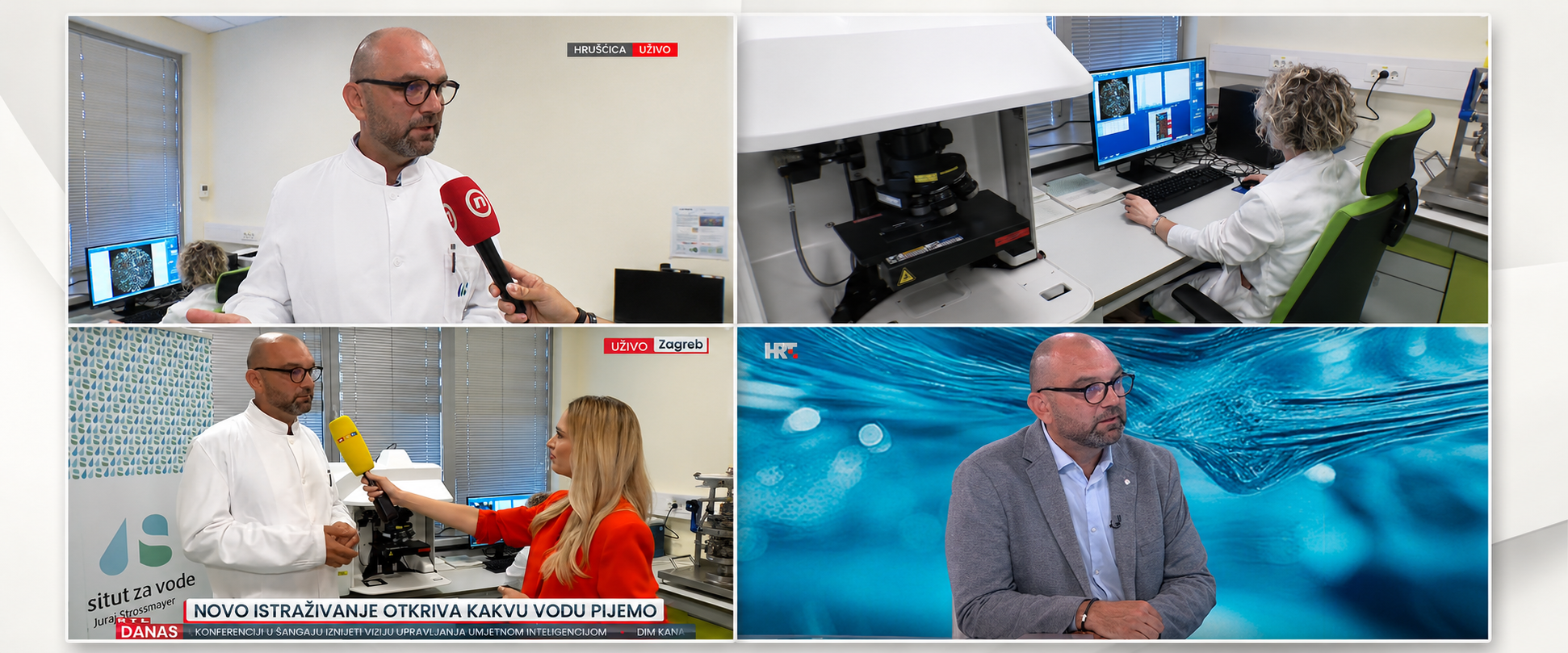
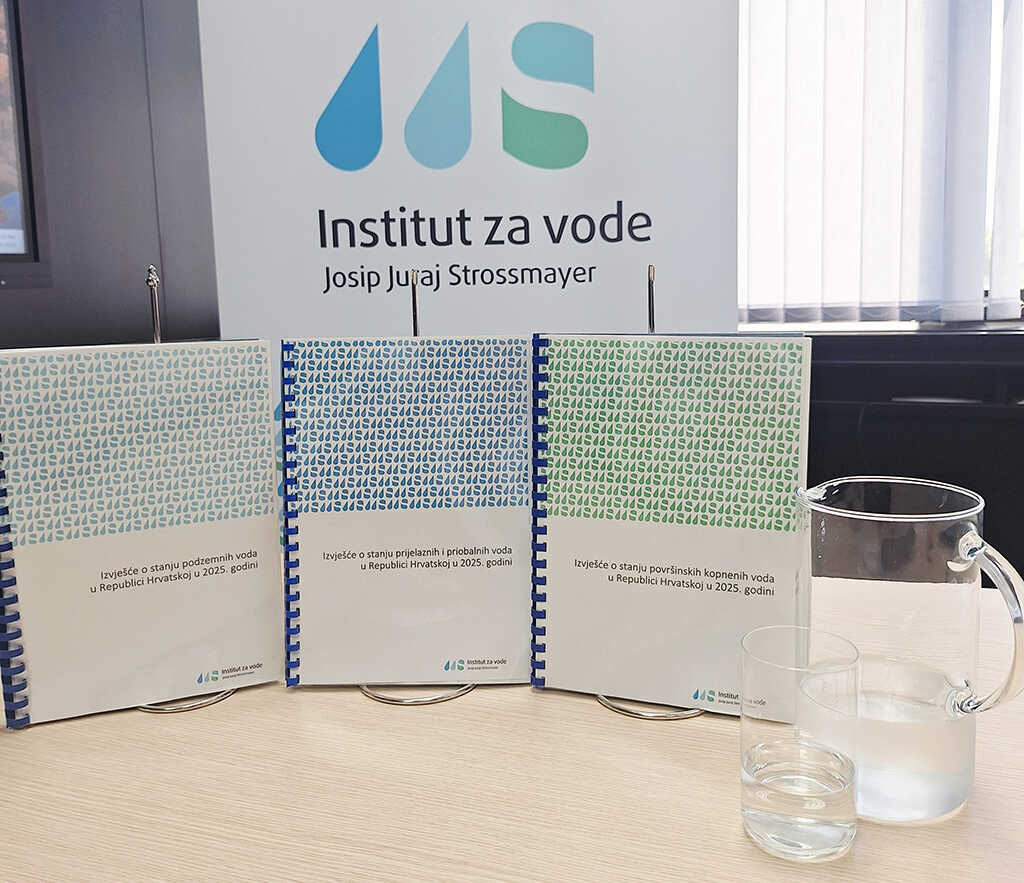
These conclusions reinforce the direction of modern water science. Monitoring the condition of surface water and groundwater, developing advanced analytical methods, processing large datasets and providing science-based support for public policy have become just as important as infrastructure itself. These are precisely the areas in which the Josip Juraj Strossmayer Water Institute, through research, laboratory testing, monitoring programmes and the preparation of expert studies, contributes to a better understanding of water resources and supports more informed decision-making in water management.
The report also shows that Sustainable Development Goal 6 (SDG 6) continues to serve as the primary framework for the development of national water policies. At the same time, governance challenges and securing adequate financial resources remain the greatest obstacles to achieving this goal. The report further highlights the growing importance of international cooperation, knowledge exchange and the application of scientific evidence in shaping public policy.
The messages of the Global Water Policy Report 2026 therefore extend well beyond the report itself. They show that the future success of water governance will be measured less by the number of infrastructure projects completed and more by the ability to integrate data, scientific knowledge and effective institutions into a system capable of responding promptly to climate, environmental and societal challenges. Within such a system, the role of scientific and professional institutions is not only to monitor change but also to provide reliable, independent expertise through research, analysis and evidence-based knowledge that supports decision-making and safeguards water resources and the public interest over the long term.
The full report, Global Water Policy Report 2026: Listening to National Water Leaders, is available at link.