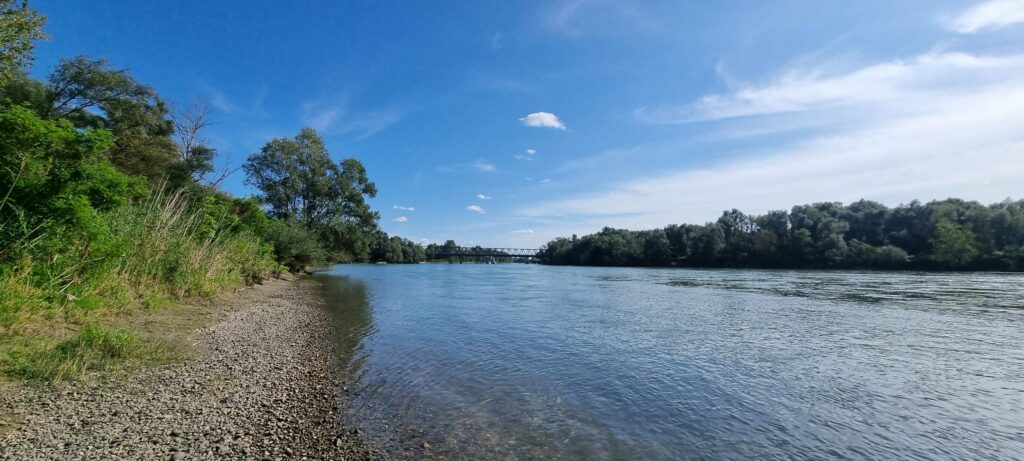
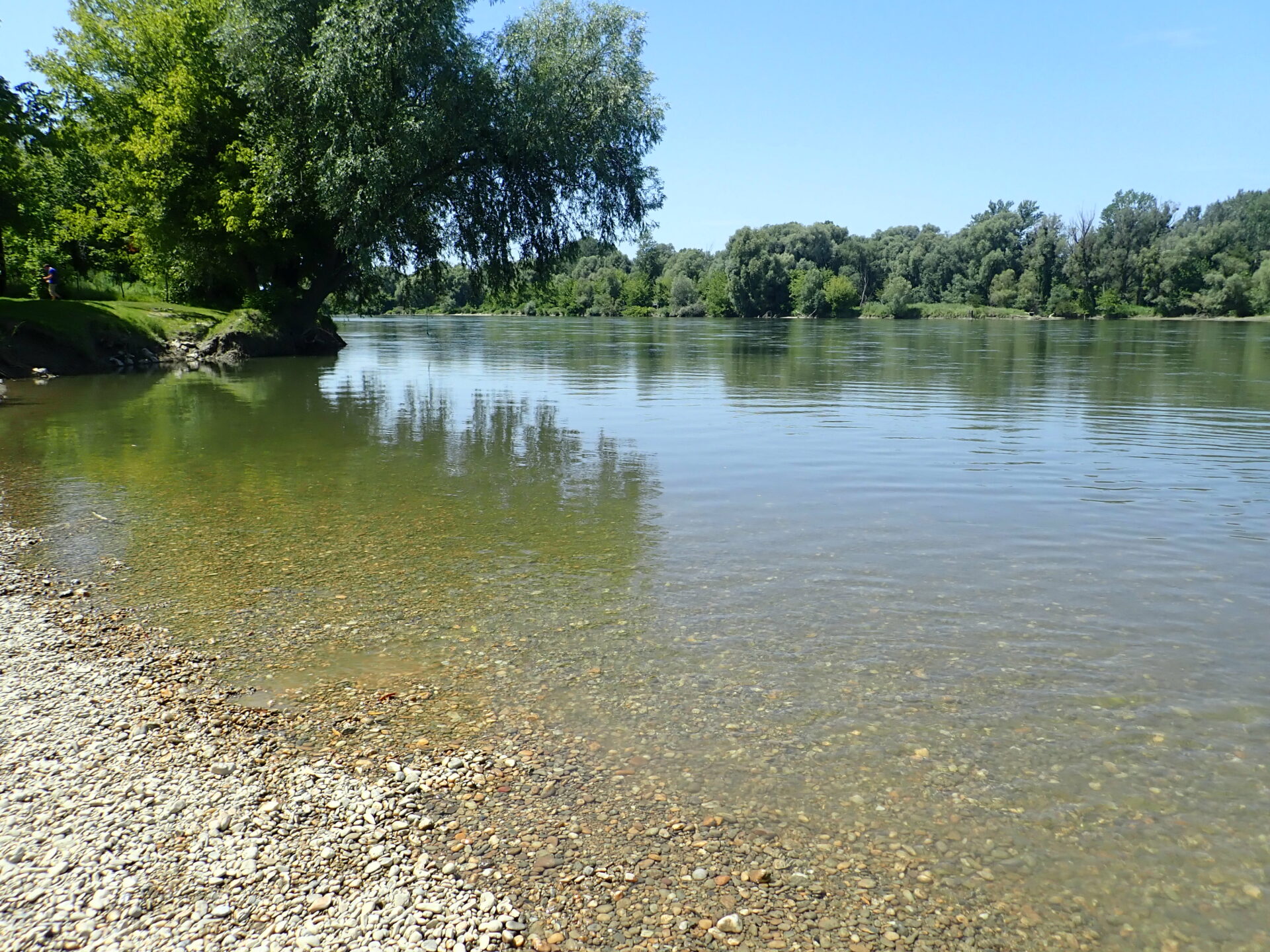
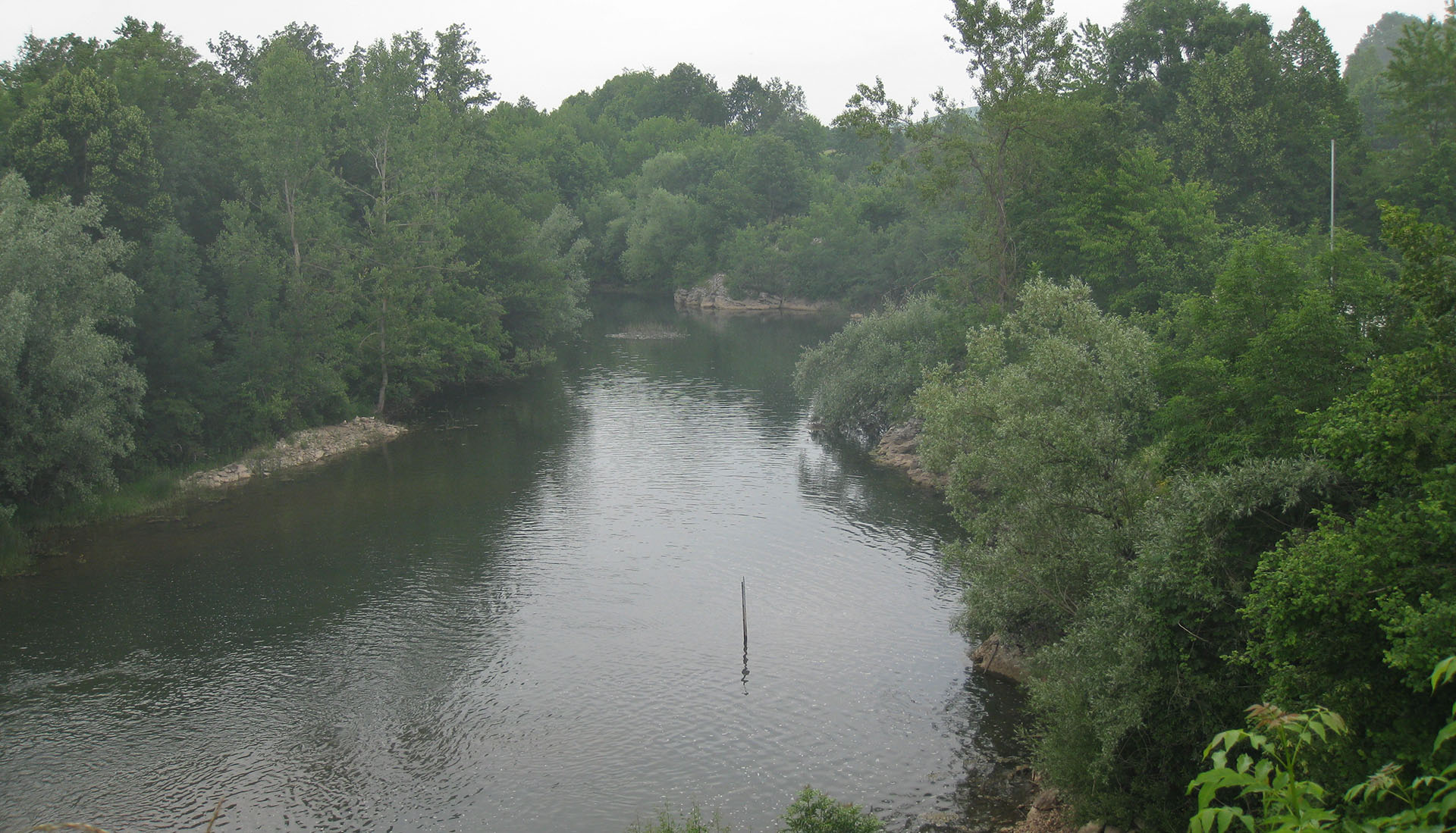
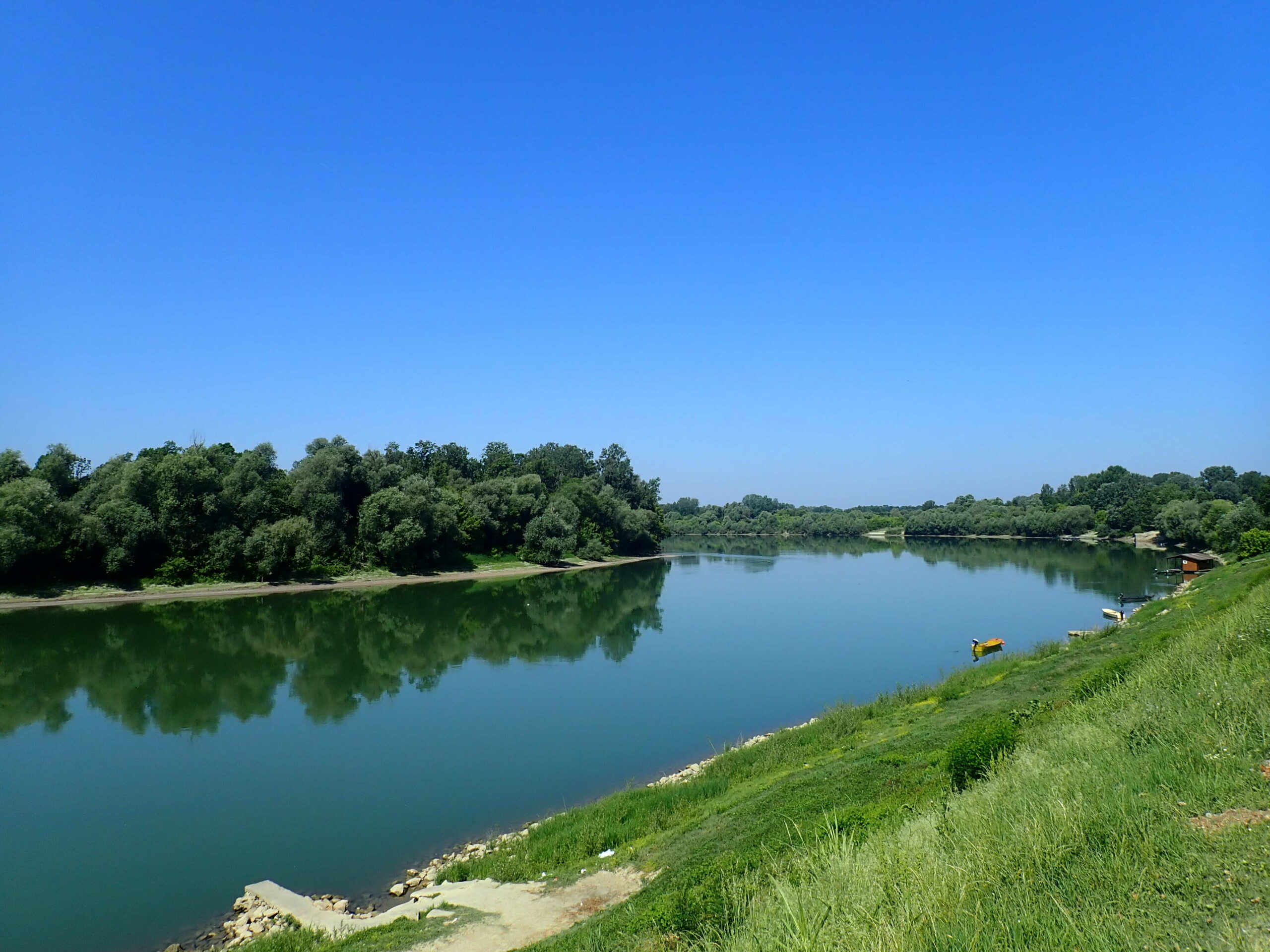
International Drava River Day is observed on 23 September to promote the protection of the natural, landscape and cultural values of the Drava region. The Drava links Austria, Slovenia, Croatia, Hungary and Serbia and is an important part of the Danube River Basin, the European ecological network and the system of transboundary water management.
For Croatia, the Drava is not merely a river along its northern border. It is connected to tributaries, groundwater, floodplains, agriculture, settlements and ecosystems that depend on the natural dynamics of water. Its protection is therefore not simply a matter of water quality in the river channel, but also of preserving flows, riverbanks, side channels, floodplains and the connections between surface water and groundwater.
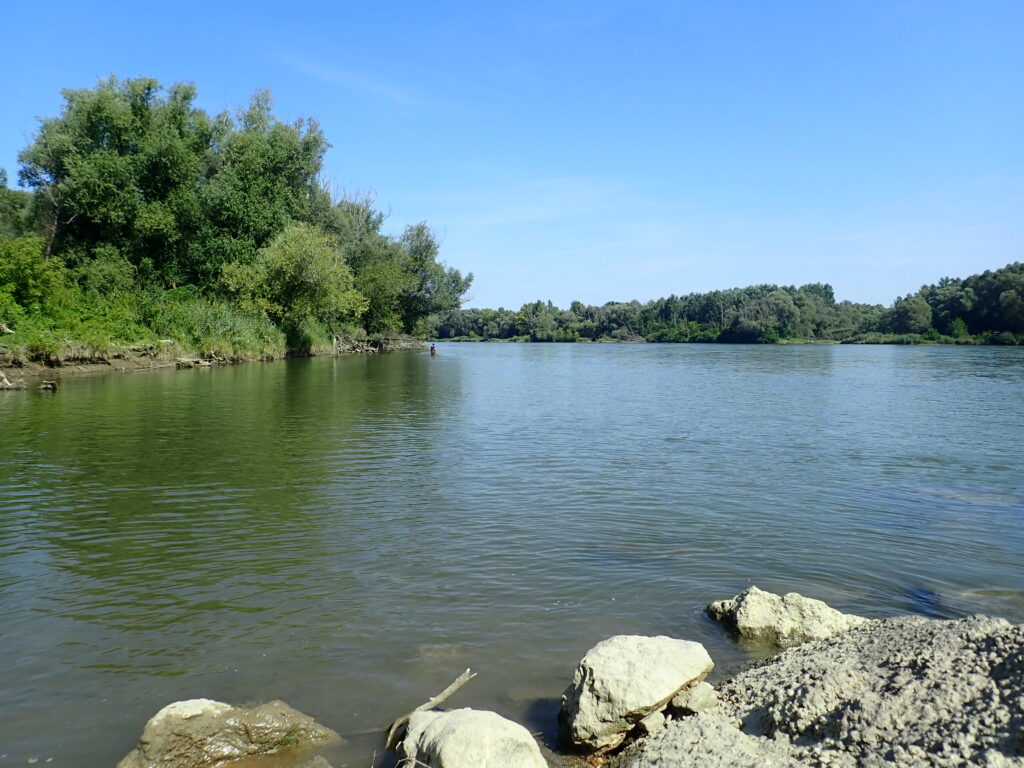
The importance of the Drava became particularly evident this summer. At the Osijek 1 hydrological station, a water level of −192 centimetres was recorded on 1 August 2026, at the time representing a new absolute minimum. By mid-August, the water level had fallen further to −194 centimetres. Prolonged precipitation deficits and high temperatures had visible effects on the river regime, but the significance of such an event goes beyond the sight of an exposed riverbed: low water levels alter river habitats, make use of the river more difficult and increase the vulnerability of ecosystems, particularly when they occur alongside pressures on groundwater and water quality.
The report of the Croatian Institute for Water, State and Changes in Water Resources in the Republic of Croatia 2022–2024 shows that the condition of rivers cannot be assessed using a single indicator. The assessment combines biological, physico-chemical and hydromorphological quality elements, with the final result determined by the least favourable of the relevant elements. This is particularly important for the Drava: favourable results from an individual measurement are not sufficient if natural flow dynamics, river habitats, connectivity with floodplains or groundwater are under pressure.
The findings for the Drava and Danube sub-basins are not a reason for oversimplified conclusions about a single river, but rather an argument for sustained attention and room for improvement. They show that achieving good ecological status of river ecosystems remains a demanding objective, particularly in relation to biological and hydromorphological indicators. In the Varaždin area, exceedances of nitrate levels in groundwater were recorded at certain monitoring stations throughout the entire three-year period. Such recurring findings do not, in themselves, determine the source of the pressure, but they call for targeted monitoring, source-water protection and closer integration of water management with agriculture and land use.
Drava River Day is a reminder that rivers are not protected through declarations alone. Protecting the Drava requires reliable data, the preservation of natural processes, reducing pollution at its source, and cooperation among the countries that share the same river basin.