How are climate change and changing water conditions affecting Europe?
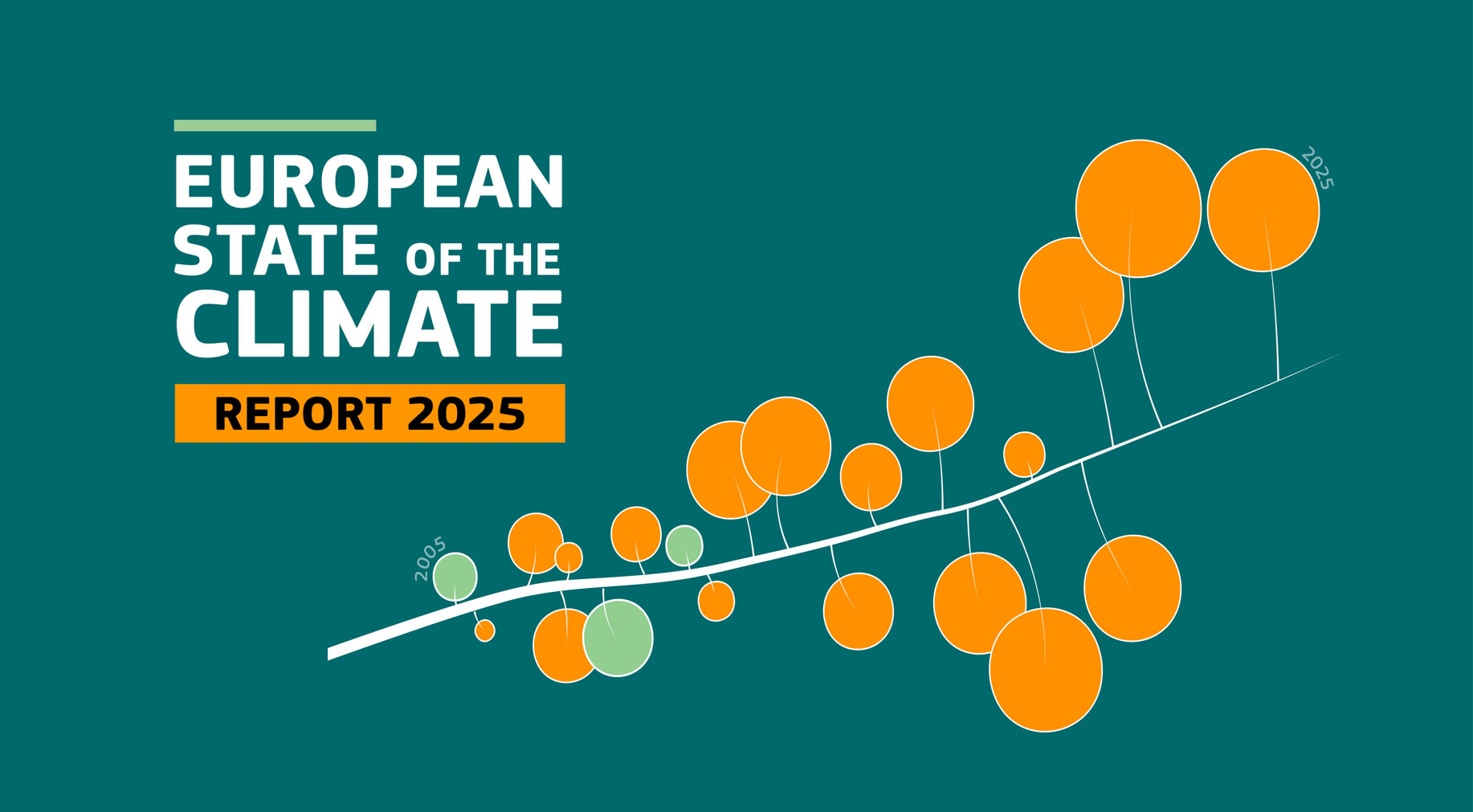
The answer is provided by the European State of the Climate 2025 report, jointly published by the Copernicus Climate Change Service (C3S), implemented by the European Centre for Medium-Range Weather Forecasts (ECMWF) on behalf of the European Commission, and the World Meteorological Organization (WMO). The report presents climate conditions, extreme events, and their impacts on people, water resources, ecosystems, and the economy.
Europe is warming at more than twice the global average rate. In 2025, almost the entire continent recorded above-average temperatures. Europe experienced its second most pronounced heatwave in the available observational record, while sea surface temperatures around Europe were the highest since comparable records began.
For water management, the pronounced regional contrasts are particularly important. Based on soil moisture conditions, 2025 was among the driest years in Europe, with large parts of the continent experiencing below-average precipitation and river flows. At the same time, certain areas were affected by intense rainfall, storms, and flooding. These conditions confirm that climate change does not simply mean more or less water, but rather greater variability in the water cycle, more frequent extreme events, and increasing demands for water risk management.
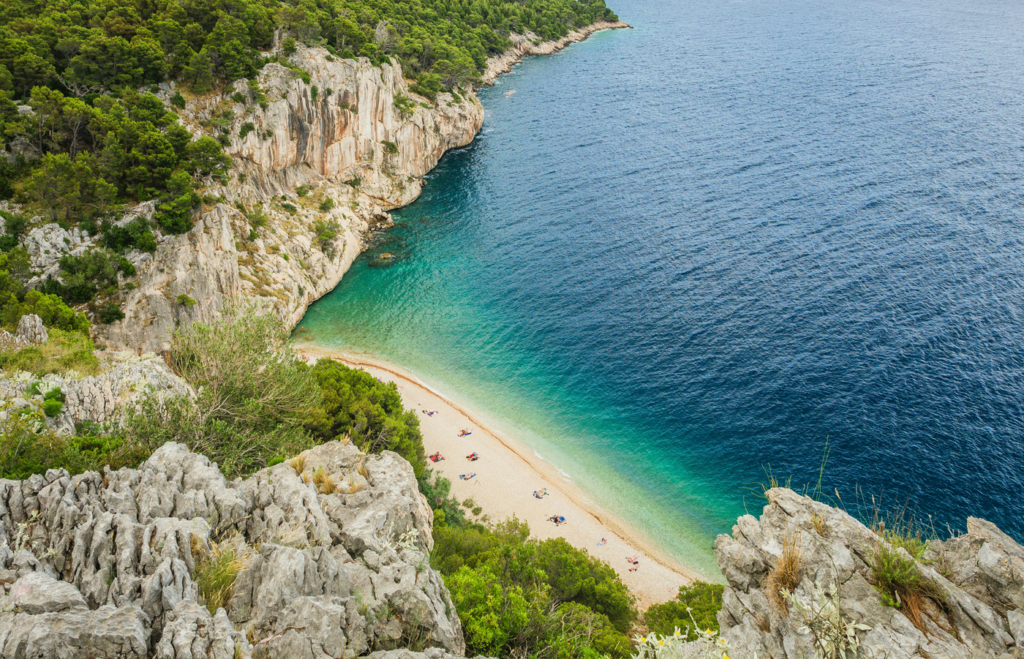
The report also highlights the links between heatwaves, drought, and wildfires, as well as growing pressure on marine and coastal ecosystems. The entire Mediterranean Sea experienced at least strong marine heatwaves for the third consecutive year, from 2023 to 2025. Such events can affect species distribution, the condition of marine habitats, and the resilience of coastal ecosystems.
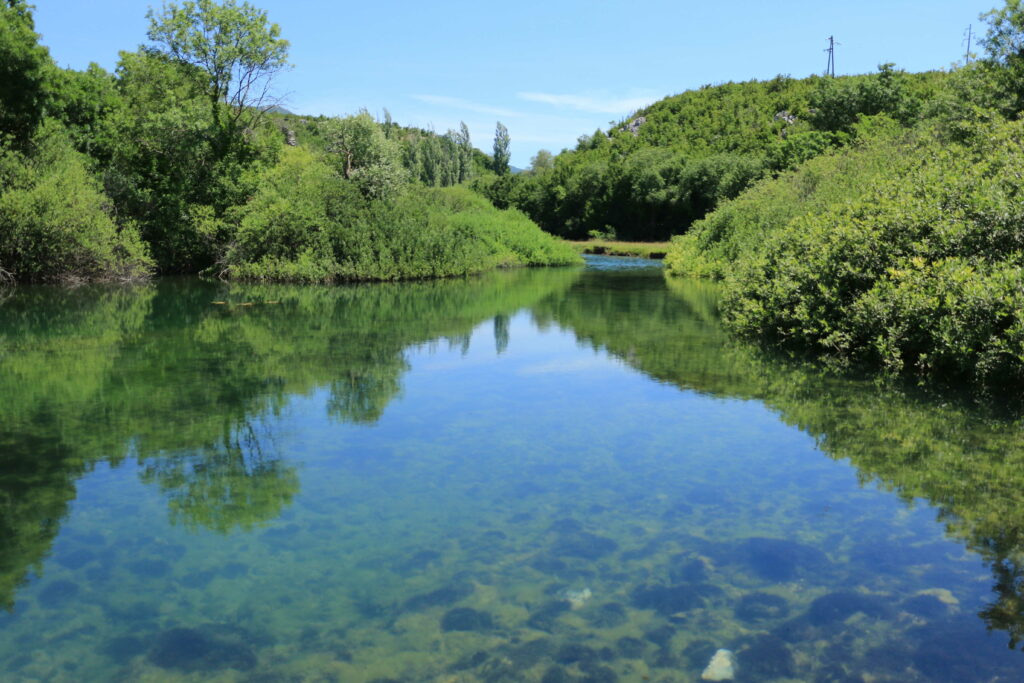
The findings are also relevant to Croatia, where climate risks overlap with existing pressures on rivers, lakes, groundwater, transitional waters, and the Adriatic Sea. In its report State and Changes in Water in the Republic of Croatia 2022–2024, the Josip Juraj Strossmayer Institute for Water identifies salinisation, nutrients, and eutrophication as issues requiring continuous monitoring and targeted management.
The occurrence of salinisation in the Adriatic River Basin District is of particular importance. During the three-year period, monitoring in certain areas, including the Neretva Valley, identified recurrently elevated levels of electrical conductivity, sodium, and chloride in surface water and shallow groundwater. Such findings do not in themselves constitute evidence that climate change is the cause, but they are directly relevant in the context of rising sea levels, longer periods of drought, reduced freshwater inflows, and increasing pressure on water use in coastal areas.
The Institute’s report also shows that, in certain lakes, changes in trophic status are associated with changes in various eutrophication indicators. Under conditions of higher temperatures and altered water regimes, such pressures may have more pronounced effects on the condition of aquatic ecosystems.
The European climate report and the results of national monitoring together point to the need for water management that simultaneously addresses droughts, floods, salinisation, eutrophication, and the protection of aquatic ecosystems. Continuous monitoring, expert interpretation of data, and the timely implementation of appropriate measures are therefore essential for adapting to climate change and ensuring the long-term protection of water resources.
The full European State of the Climate 2025 report is available here.