The United Nations Global Risk Report 2026 warns that climate inaction and natural resource scarcity are among the most significant global risks. Water is a key link between climate resilience, food production, health, and economic development.
The report is based on responses from 1,300 participants from governments, international organisations, the business sector, civil society, and the expert community. Climate inaction was identified as the most significant global risk. Natural resource scarcity also encompasses the unsustainable use of renewable resources, including water and land. Climate change, environmental degradation, and growing demand are further increasing pressure on their availability.
Water-related risks do not exist in isolation. Changes in water availability and quality can affect agriculture, food production, health, the economy, and societal resilience. The report also shows that climate inaction can act as a driver of other risks, including natural resource scarcity and natural hazards.
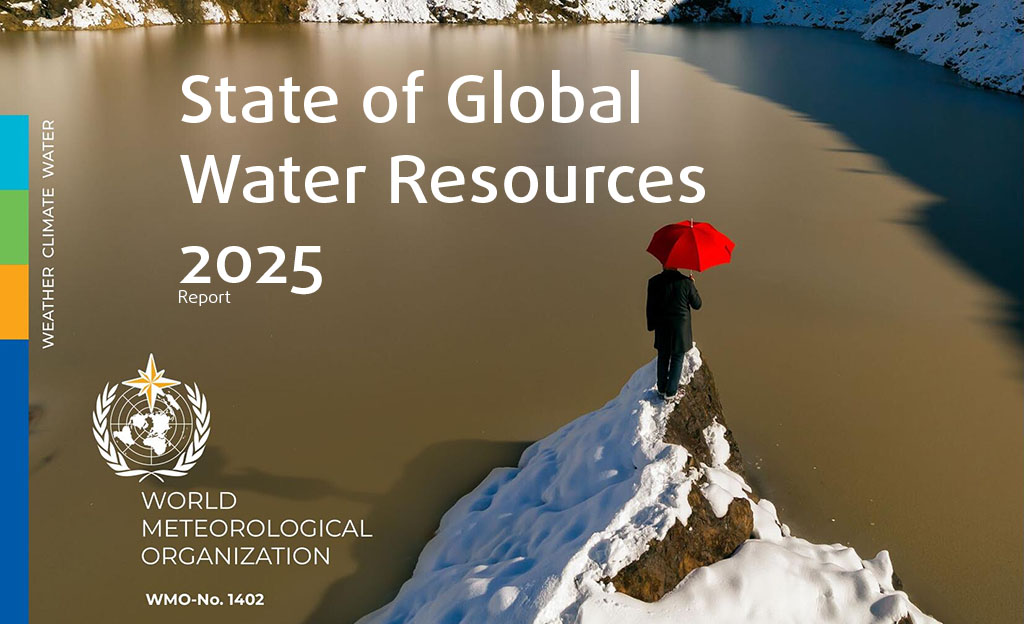
At the same time, data from the World Meteorological Organization (WMO) confirm that the water cycle is changing and becoming less predictable. The year 2025 was one of the driest years for global river flows in the past 35 years, while the last seven years have been characterised by unusual flow patterns. Such changes increase the risk of drought, water shortages, flooding, and deteriorating water quality.
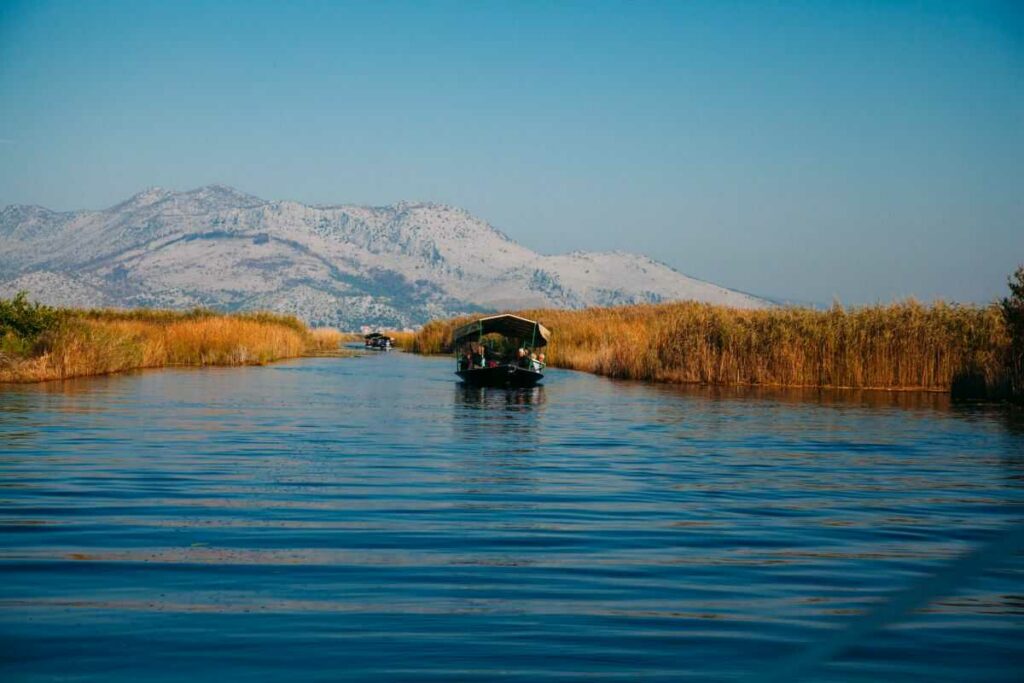
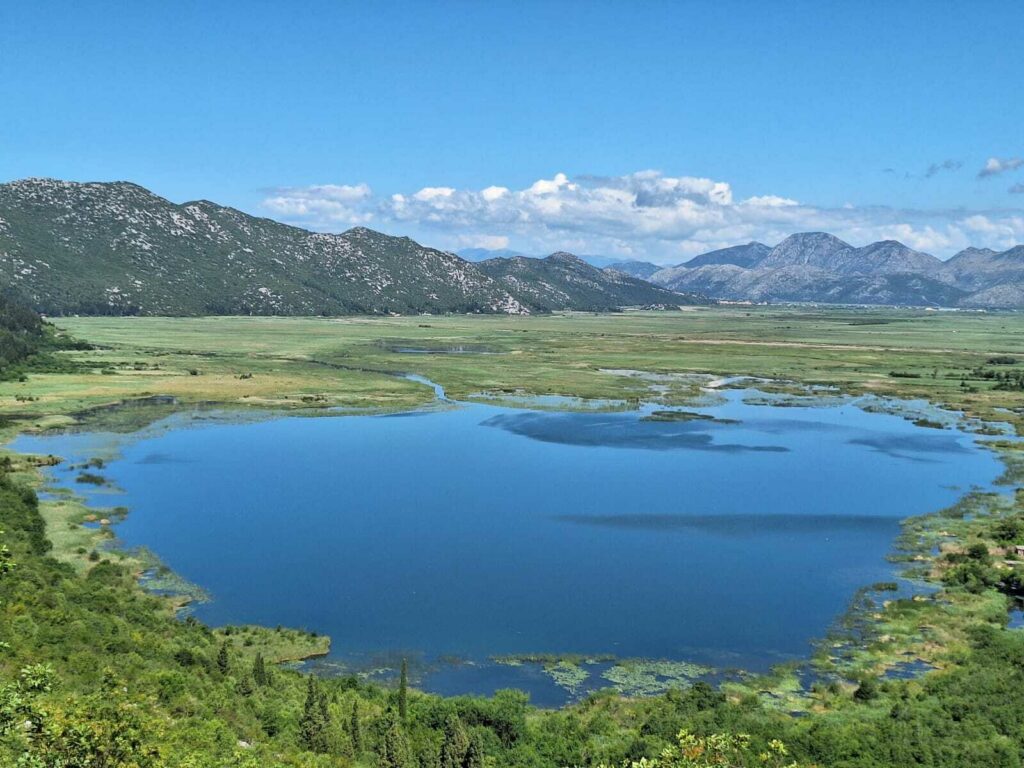
In Croatia, the interconnectedness of water, soil, agriculture, and climate resilience is clearly illustrated by the example of salinisation in the Neretva Valley. The Josip Juraj Strossmayer Institute for Water report State and Changes in Water in the Republic of Croatia 2022–2024 confirms that salinisation is not uniformly distributed, but occurs repeatedly and is particularly pronounced in certain parts of the lower Neretva and in the drainage and irrigation system.
Salinisation in the lower Neretva results from the interaction between seawater and freshwater inflows, with the additional influence of groundwater, precipitation, irrigation, and the drainage and irrigation system. Climate change may further increase vulnerability through higher temperatures, periods of drought, and reduced leaching of salts from the soil.
The risk is not solely climate-related. The Trebišnjica–Neretva hydrological system has already been altered by hydraulic engineering interventions, while the Upper Horizons (Gornji horizonti) project in Bosnia and Herzegovina envisages the further diversion of part of the water from the Neretva basin towards the Trebišnjica basin. Reduced freshwater inflows may facilitate the upstream intrusion of the salt wedge and increase pressure on agriculture, water supply, and delta ecosystems.
Salinisation should therefore be viewed as a cumulative risk resulting from both climate change and changes in the upstream water regime.
The United Nations report demonstrates that climate risks, natural resource scarcity, and societal security are not separate issues. For the water sector, this means the need for continuous monitoring, the protection of water and land resources, cross-border cooperation, and measures that integrate climate change adaptation, agriculture, and water management.
The full UN Global Risk Report 2026 is available on the United Nations website at the following link.