The European Environment Agency (EEA) has published its latest update on indicators of freshwater resource use across Europe. The data show that although total water abstraction in the European Union decreased by 14% between 2000 and 2023, the area affected by seasonal water stress has remained at approximately the same level. In 2023, seasonal water stress was recorded across 28% of EU territory during at least one quarter of the year, confirming that climate change and increasing pressures on water resources pose growing challenges for their sustainable management.
The EEA assesses water stress using the Water Exploitation Index Plus (WEI+), which measures the ratio between total water abstraction and available renewable freshwater resources. Unlike annual national indicators, WEI+ evaluates water stress at the river basin level and across different seasons, making it possible to identify local and seasonal pressures that may remain unnoticed when only national averages are considered.
According to the EEA’s 2023 maps, Croatia was not among the countries experiencing significant seasonal water stress at the national level. At the same time, the findings confirm that maintaining the favourable status of water resources requires continuous monitoring, timely identification of changes, and evidence-based decision-making, particularly in the context of increasingly pronounced climate change.
The EEA’s findings also reinforce current European priorities in water management. The European Water Resilience Strategy highlights the need to improve water-use efficiency, strengthen resilience to the impacts of climate change, and support decision-making based on high-quality data and sound scientific evidence.
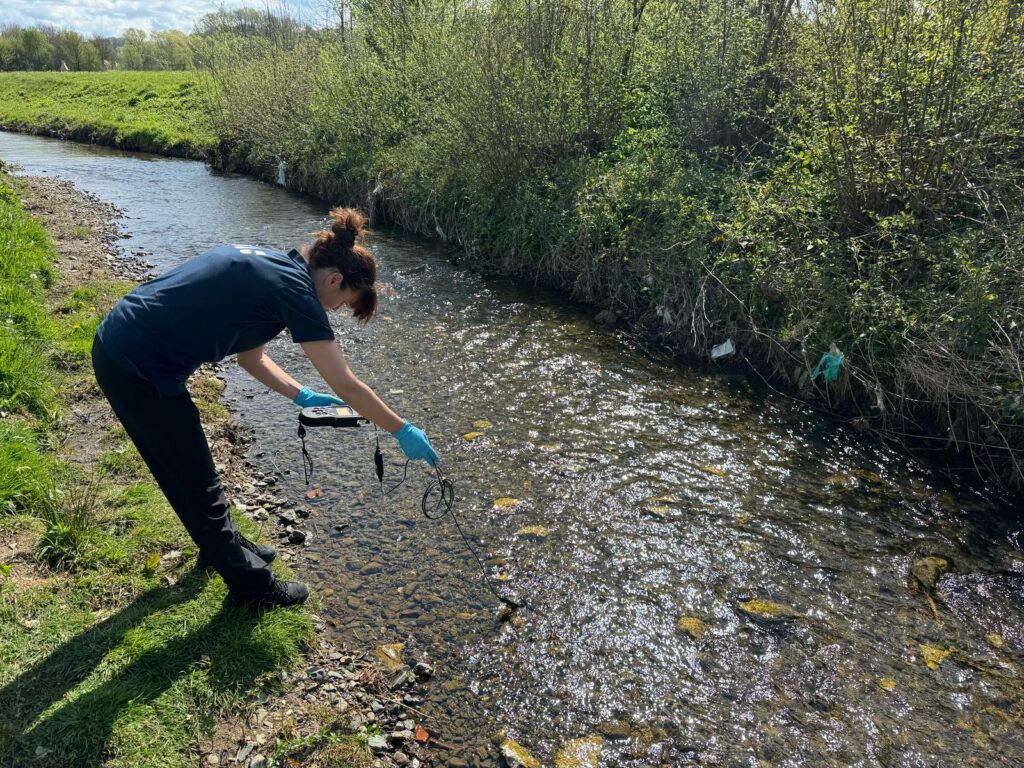
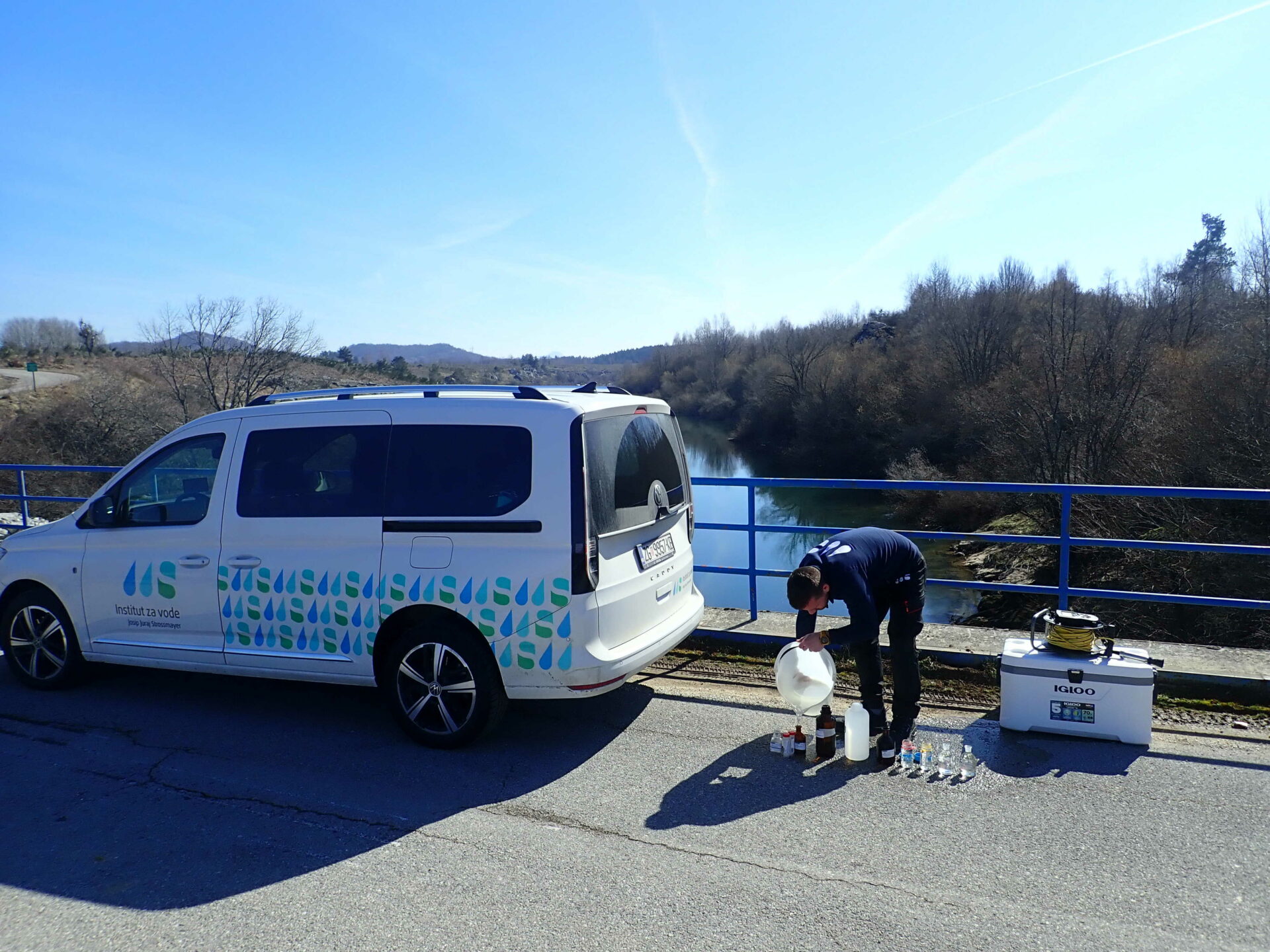
In the Republic of Croatia, the “Josip Juraj Strossmayer” Water Institute, in accordance with the Water Act, establishes and operates the national monitoring system for surface waters, groundwater, transitional waters and coastal waters. The Institute analyses and interprets monitoring results and prepares expert studies and annual reports, providing an essential basis for planning and implementing national water management policy. Long-term, comparable datasets enable the timely detection of changes in water status, assessment of climate change impacts, and planning of measures for the protection and sustainable use of water resources.
The latest EEA indicators once again confirm that the long-term preservation of water resources is only possible through systematic monitoring, high-quality data and effective water management. Croatia is currently endowed with valuable water resources, and safeguarding them requires continuous professional and scientific investment to ensure that they remain the foundation of secure water supply, ecosystem protection and sustainable development for generations to come.