Record-Low water levels Reveal a New European Reality
The Danube’s record-low water levels have become Europe’s first major stress test of resilience to climate extremes.

The Danube’s record-low water levels have become Europe’s first major stress test of resilience to climate extremes. Within just a few days, the same hydrological disruption has restricted nuclear power generation, reduced hydropower production, severely disrupted international inland navigation, and increased pressure on valuable natural ecosystems. It has shown just how interconnected water resources, energy, transport, the economy, and nature have become. Europe is no longer merely discussing drought. For the first time, Europe is testing its own water resilience.
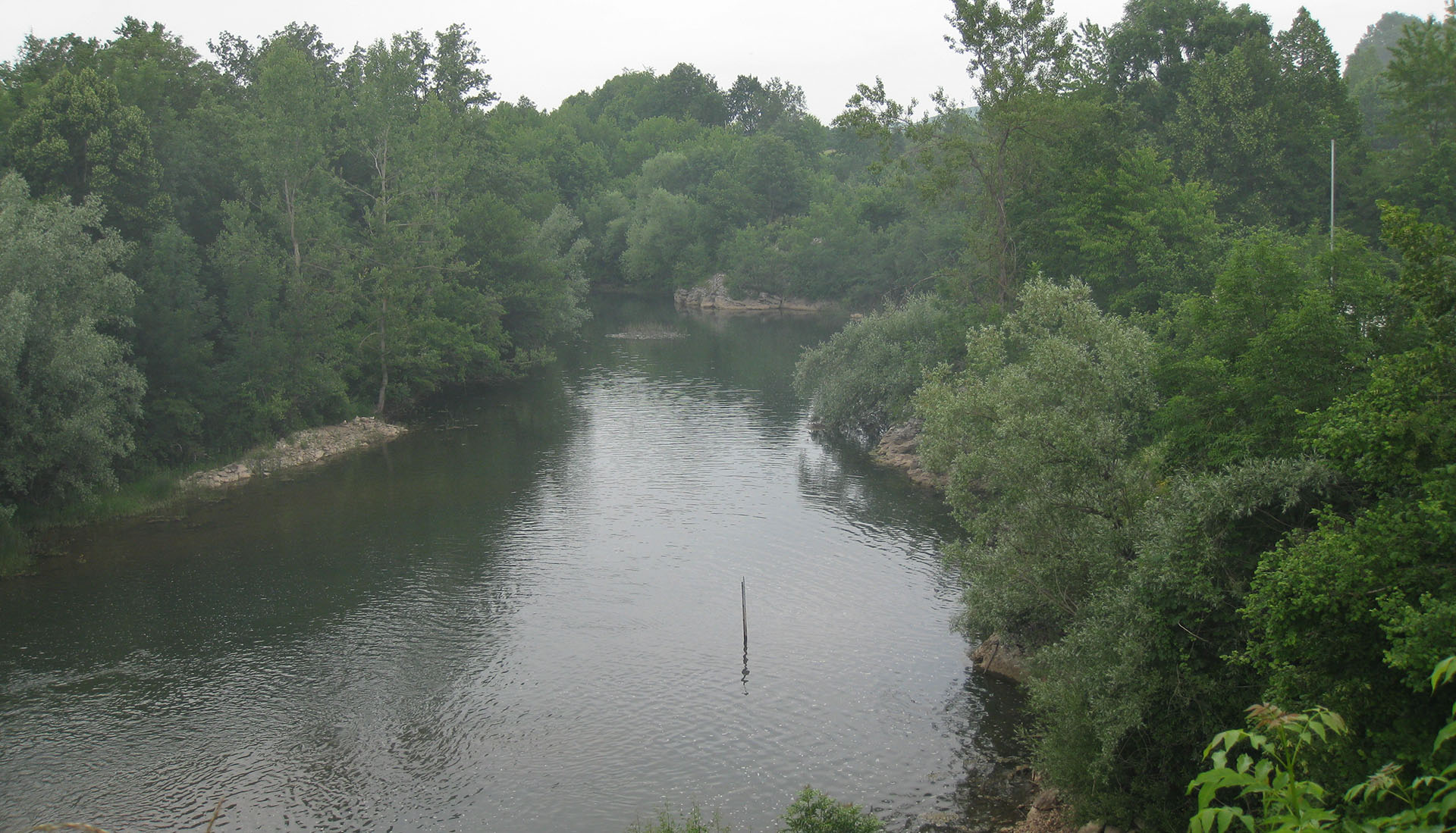
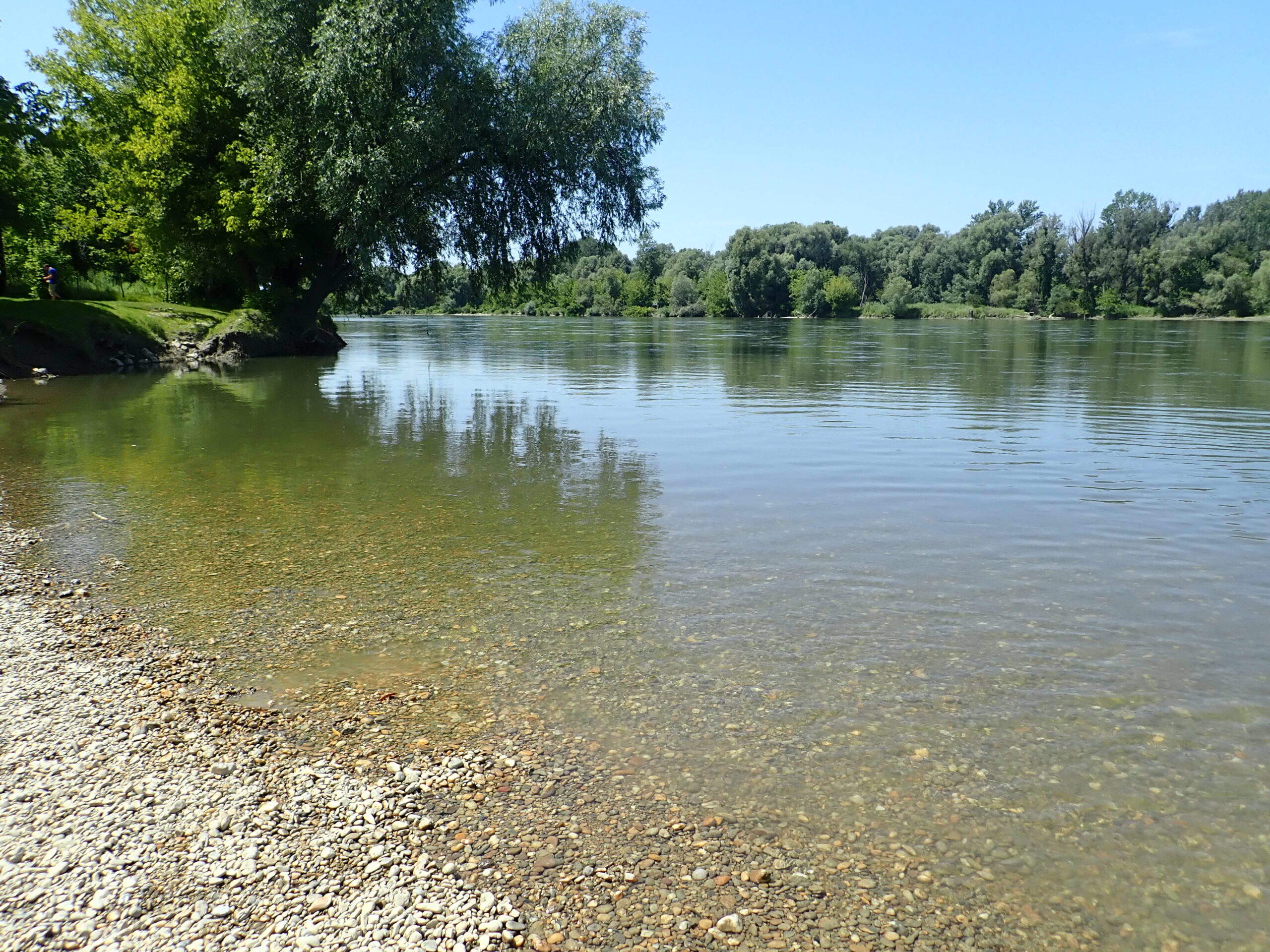
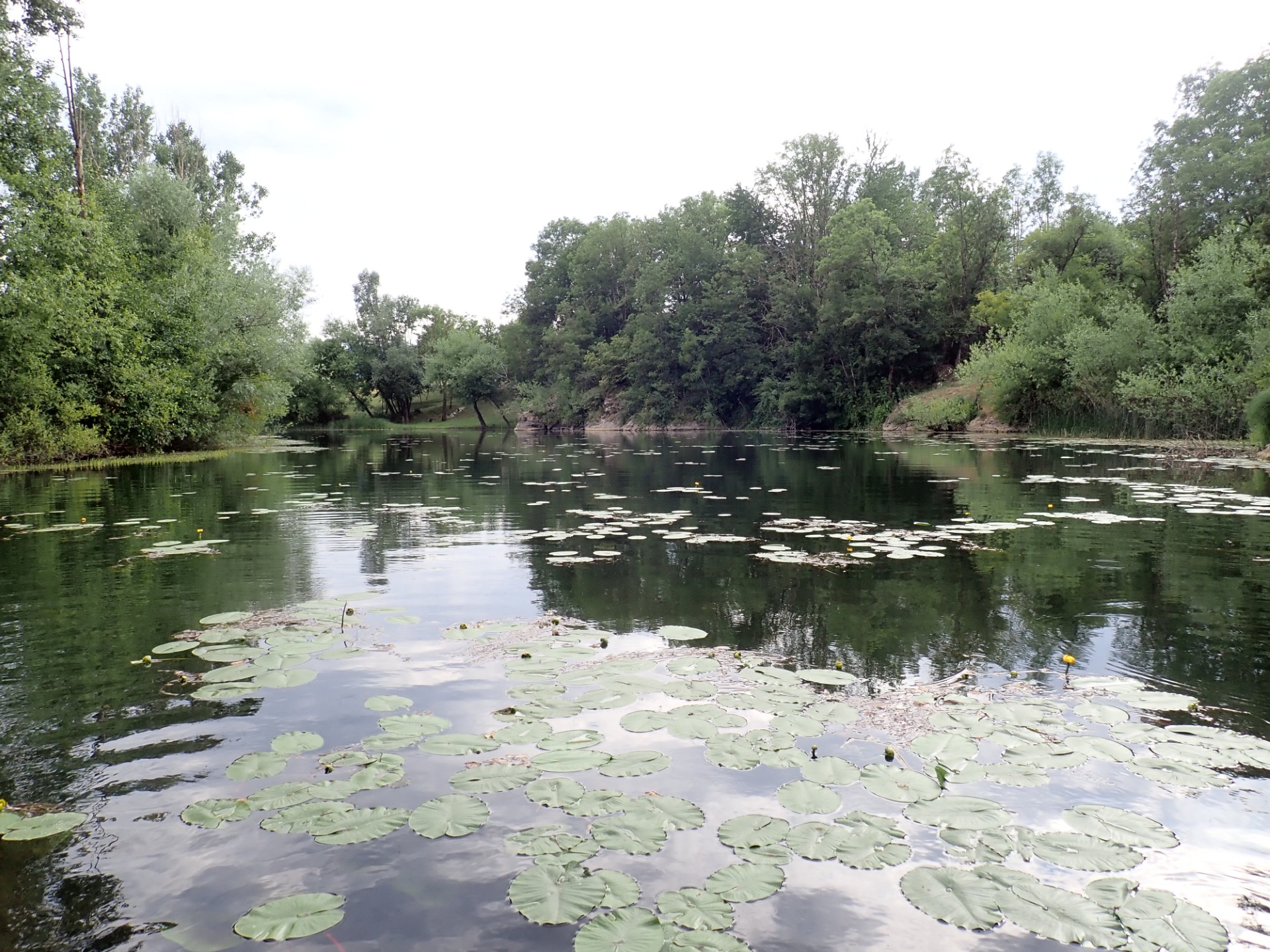
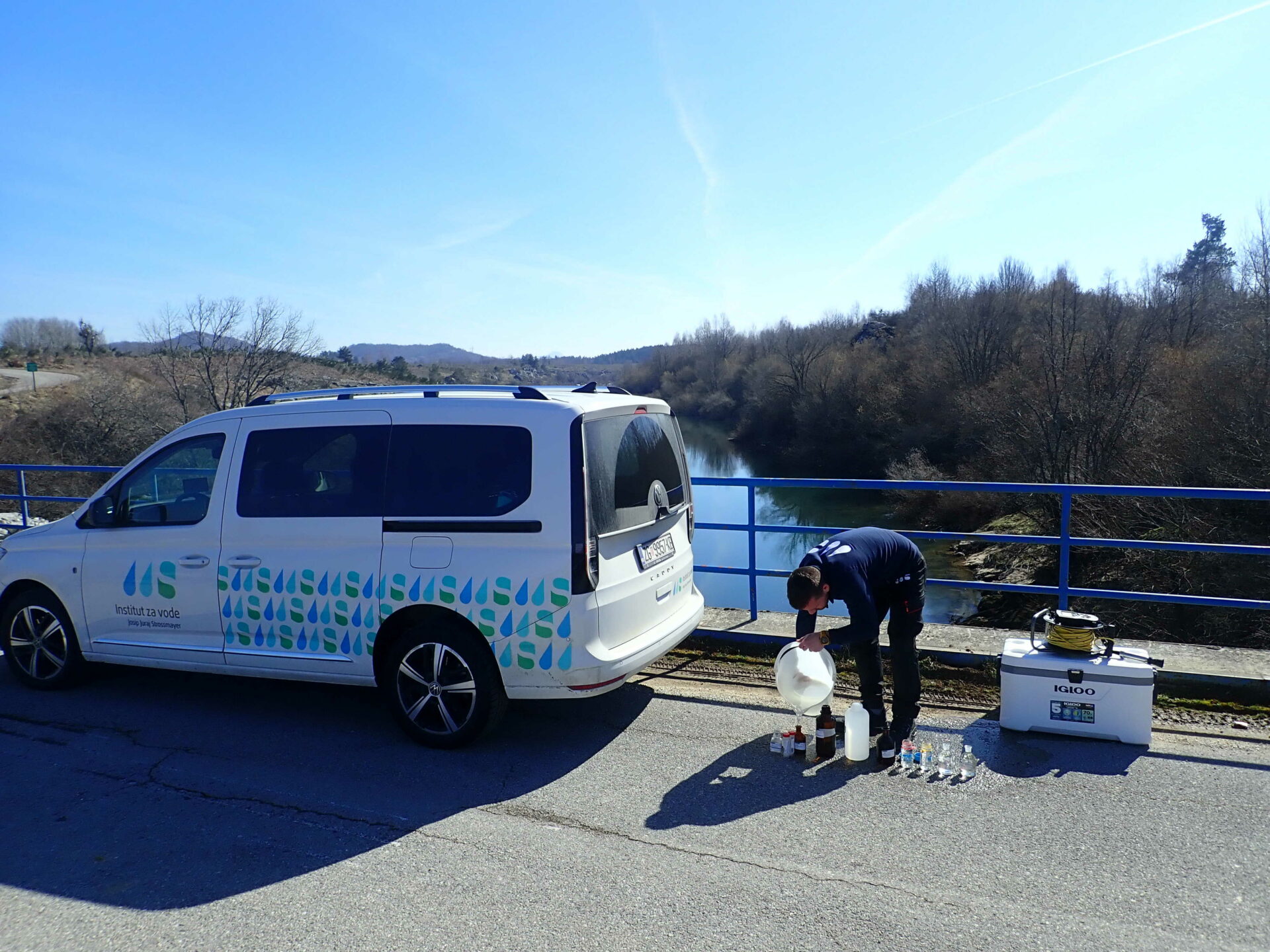
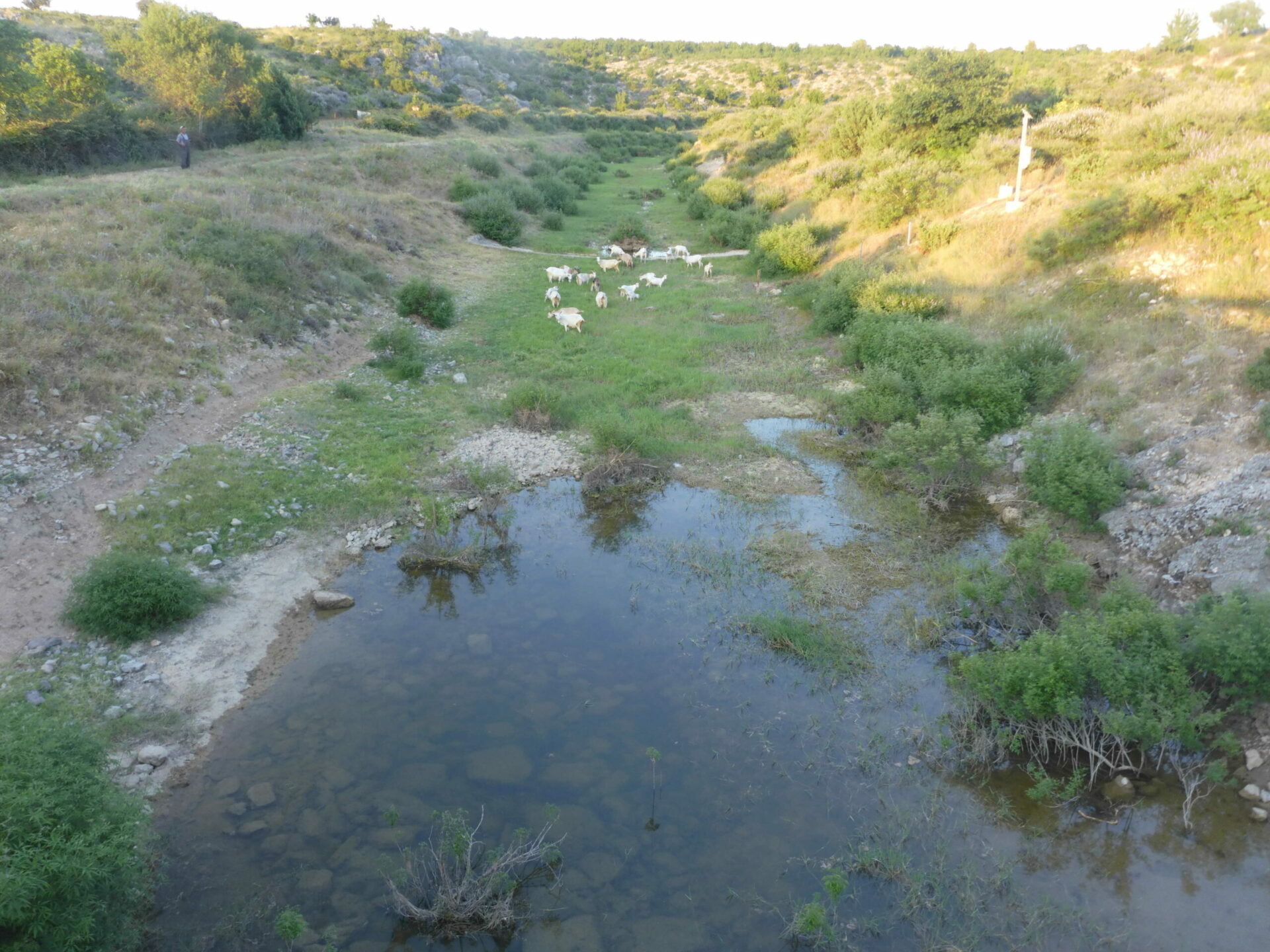
Data from the national monitoring programme conducted by the Josip Juraj Strossmayer Water Institute show that the impacts are also evident in the Croatian section of the Danube River Basin. Monitoring data from the Siphon Canal station in the Croatian Danube region between 2021 and 2026 reveal an increasing trend in the frequency and duration of dry periods. While, in the earlier years, the absence of water was largely confined to late summer and autumn, in 2026 dry conditions were recorded as early as January and recurred throughout the winter, spring, and summer. At the same time, the Danube water level in Croatia has reached its lowest point since records began at this monitoring station in 2021.
Similar trends are being observed across other countries in the Danube Basin. In Romania, insufficient water availability has limited the operation of the Cernavodă Nuclear Power Plant. In Hungary, three of the four reactor units at the Paks Nuclear Power Plant were taken offline due to record-low river levels, while the fourth operated at significantly reduced capacity. Serbia has reported declining hydropower generation, and low water levels in Bulgaria are increasing pressure on valuable riverine and wetland ecosystems. Developments across the Danube Basin clearly show that a single hydrological disturbance can simultaneously affect energy production, transport, the economy, and biodiversity.
According to the Director of the Josip Juraj Strossmayer Water Institute, Associate Professor Mario Šiljeg, PhD, the greatest mistake would be to view the current situation solely through the lens of exceptionally low river levels.
“This summer, the Danube did not merely expose the vulnerability of a single river. It revealed how water, energy, transport, the economy, and nature have become one interconnected system. Climate change no longer creates isolated problems. It triggers cascading effects that simultaneously affect multiple sectors and multiple countries.”
Šiljeg emphasises that developments along the Danube show that water resilience is becoming one of Europe’s defining development challenges.
“The twentieth century taught us that there can be no development without energy. The twenty-first century is showing us that there can be no energy, food production, or nature conservation without reliable water resources. That is why water resilience is no longer solely an environmental issue – it is a matter of the long-term resilience of society, the economy, and the state.”
Speaking about the role of monitoring, he stresses that its value is now measured differently than in the past.
“Experience shows that the greatest mistakes in water management do not occur because solutions are lacking, but because changes are recognised too late. This is precisely why monitoring is not merely a scientific or technical activity – it is one of the key instruments of responsible governance. Its value lies in enabling decisions to be made on the basis of evidence before hydrological risks escalate into economic, energy, or environmental consequences.”
The most important lesson of the summer of 2026 is that the costs of a disrupted water cycle are not borne solely by the water sector. Power plants, transport, food production, natural ecosystems, and the entire economy are equally affected. This summer has shown that climate change is no longer a future scenario. It is already a matter of national security. For Croatia, the conclusion is clear: data must arrive before the consequences, because a country that recognises change only after damage has occurred is no longer managing risk – it is merely managing its consequences.