When rivers run low, the consequences extend far beyond their riverbeds. Ships carry smaller loads, transport costs rise, and power plants and industries face greater difficulties securing the water they need to operate. On 3 November 2026, the European Environment Agency (EEA) published an analysis showing how droughts and heatwaves create interconnected risks for transport, energy and the economy. This year’s low water levels on the Danube and Drava rivers provide a direct Croatian context for this Europe-wide issue.
According to the analysis, by the end of July, drought was affecting approximately half of the combined territory of the European Union and the United Kingdom. At the same time, during heatwaves, daily electricity demand increased by as much as 25% in some countries. Water shortages can therefore constrain production precisely when energy demand is rising.
On the Rhine, ships were often carrying only around 20% of their usual cargo at the end of July. The cost of transporting goods by river tanker from Rotterdam to Karlsruhe rose from approximately EUR 45 per tonne at the end of June to EUR 150–155 by 31 July. Redirecting freight to road and rail transport could not fully compensate for the lost capacity, passing the consequences on to costs and industrial supply chains.
The dependence of transport on water is not just a European issue. The Panama Canal, which connects the Atlantic and Pacific oceans, relies on freshwater to operate its locks. In February 2024, the United Nations Conference on Trade and Development (UNCTAD) reported that drought had forced a reduction in the number of daily transits from an average of 36 to 22. Although traffic subsequently returned to normal, this example shows how water shortages in one location can constrain a major global trade route.
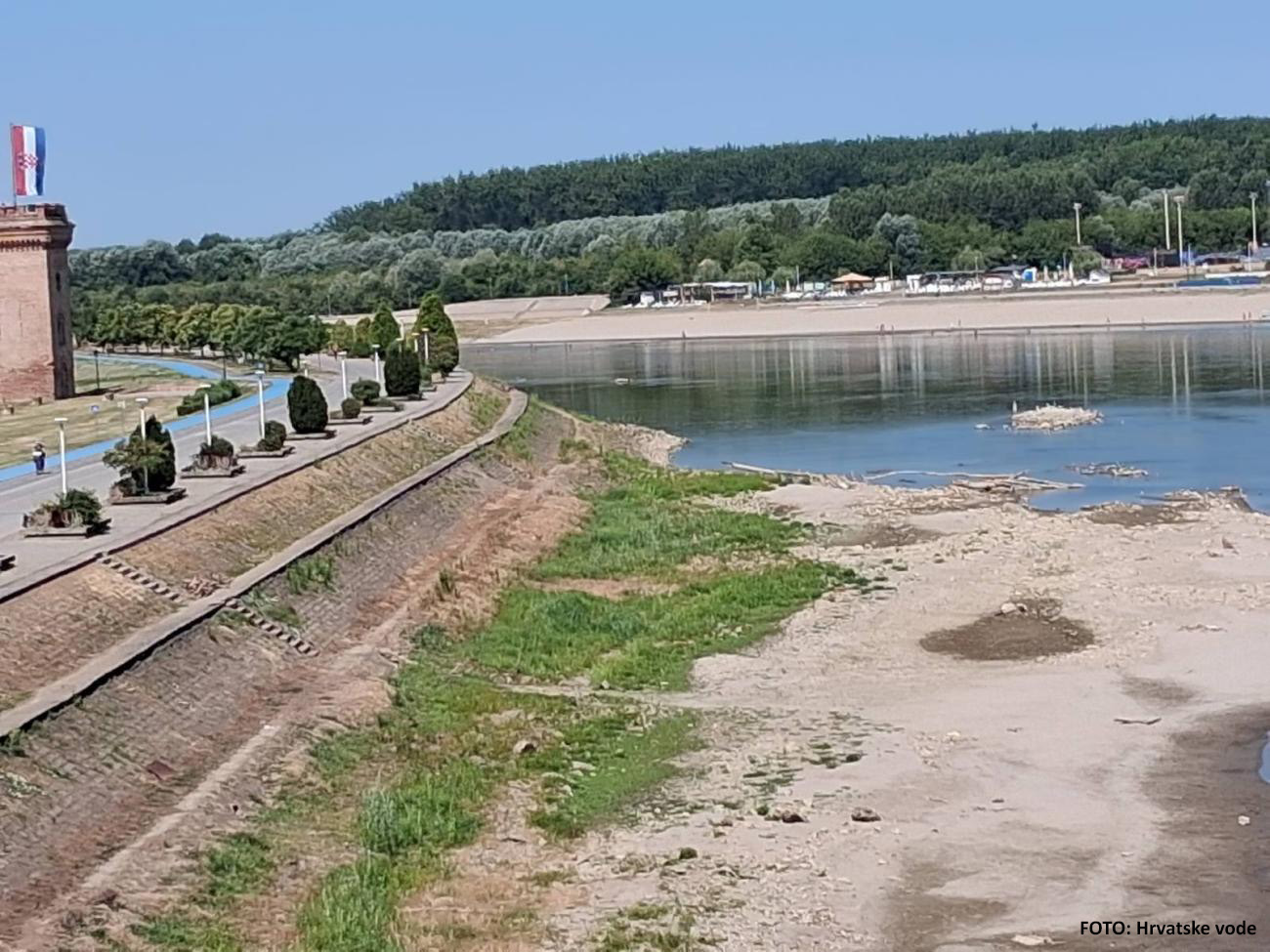
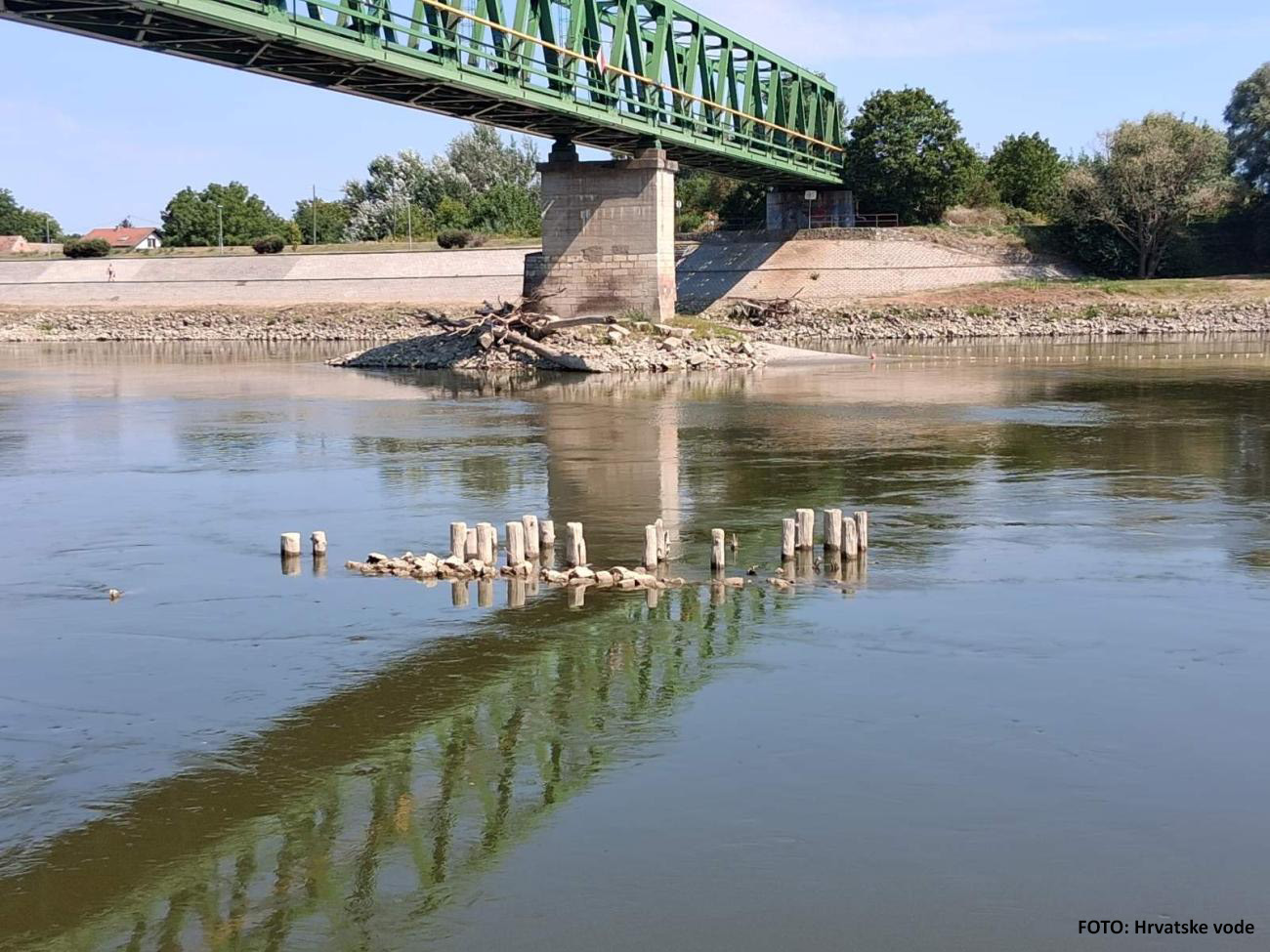
Exceptionally low water levels have also affected the Croatian part of the Danube River Basin this year. According to data from the Croatian Meteorological and Hydrological Service (DHMZ), the Drava River at Osijek reached −192 centimetres on 1 August, 20 centimetres below the previous minimum recorded in 2022. Croatian Waters subsequently reported that the Danube at Batina fell to a record low of −149 centimetres on 22 August. These figures indicate the position of the water surface relative to the reference zero level at each gauging station, not the depth of the river.
The duration of such conditions is also important. By early August, the Danube at Batina had spent 142 days, or 66% of the year up to that point, below the hydrological drought threshold. In addition to prolonged rainfall deficits and high temperatures, the situation was aggravated by low winter snow reserves in the Alps. Less snow also means less water released gradually through melting to sustain river flows during spring and early summer.
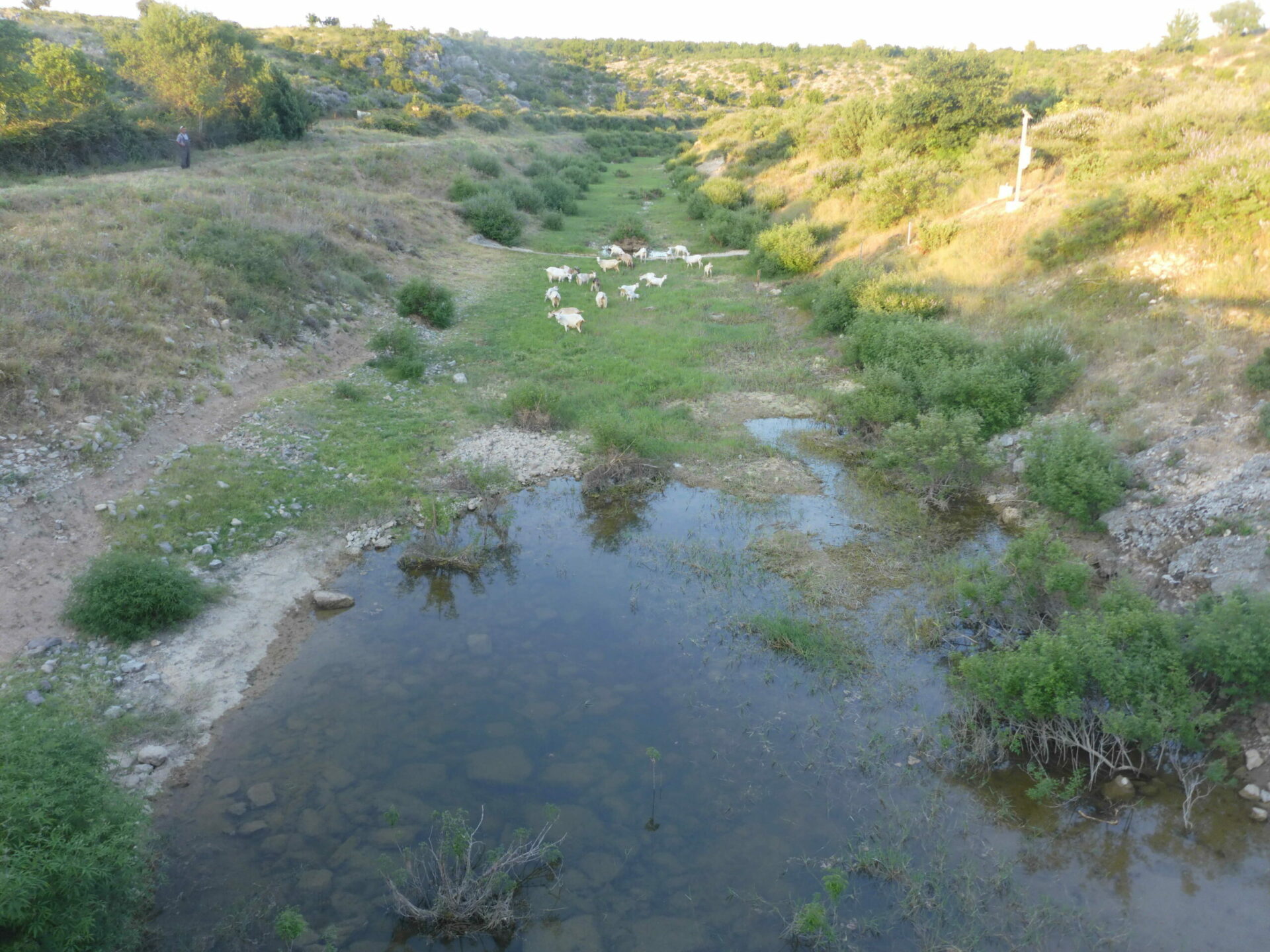
Drought does not affect surface water alone. At the Repaš piezometer near the Drava River, the groundwater level at the end of July was only eight centimetres above the previous minimum recorded in 2022. Groundwater responds more slowly than rivers, and its recovery is correspondingly slower. Short-lived local showers therefore do not necessarily replenish water reserves: more substantial and sustained rainfall across a wider part of the river basin is needed.
Nevertheless, Croatian data should be distinguished from the economic consequences described in the European examples. A record-low water level does not automatically mean that water supplies will be disrupted. In early August, Croatian Waters stated that water abstraction facilities in the Danube and lower Drava areas were not experiencing any problems with water yield or quality at that time. Assessing the actual consequences requires hydrological measurements to be considered alongside operational data from individual water supply systems.
The EEA emphasises that resilience requires more than simply responding to individual extreme events. It calls for reliable data, planning based on future climate conditions, resilience testing, and alternative sources and supply routes. From the Rhine and the Panama Canal to the Danube and the Drava, the message is the same: water security depends not only on the total amount of water available, but also on whether it is available at the right time and whether interconnected systems are capable of withstanding prolonged pressures.
The original European Environment Agency analysis, which presents European examples and recommendations for strengthening infrastructure resilience to climate extremes, is available at link.