6 October marks International Geodiversity Day, proclaimed by the UNESCO General Conference to highlight the importance of geoscience and geodiversity in understanding the Earth and addressing the challenges of sustainable development.
Geodiversity encompasses the variety of geological and geomorphological features, including rocks, minerals, fossils, landforms, soils, and the processes that shape the Earth’s surface and subsurface. Although often less visible than biodiversity, geodiversity provides the foundation for many natural processes and resources on which we depend every day.
A particularly important connection between geodiversity and water is seen in groundwater. The geological structure of an area determines how water infiltrates into the subsurface, how it moves and is stored in aquifers, and what its natural quality will be. Different types of rocks, geological structures, and geomorphological features create different hydrogeological conditions. Understanding geodiversity is therefore a crucial basis for the sustainable management of groundwater resources.
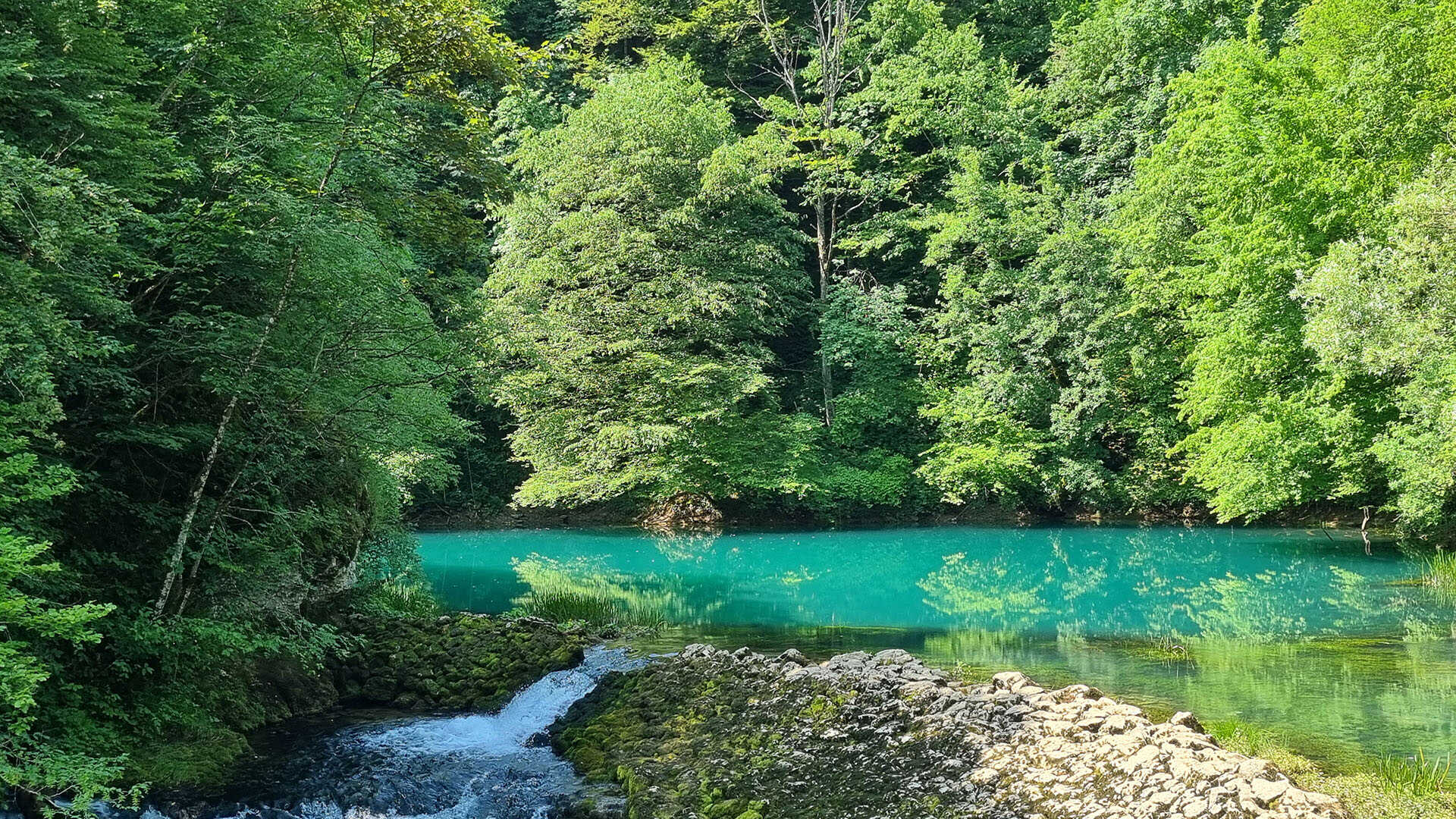
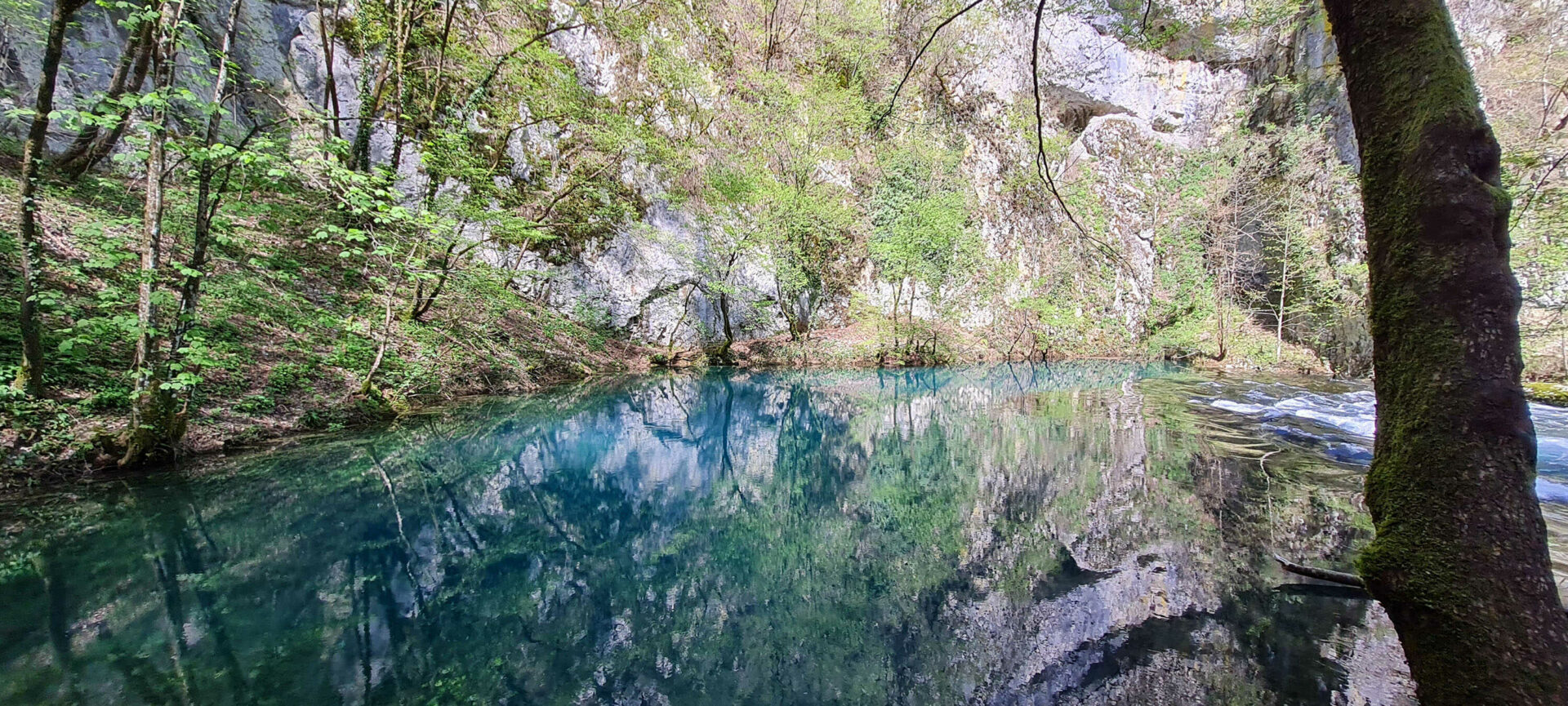
This is particularly significant for the Republic of Croatia, which is characterised by remarkable geodiversity, especially karst landscapes. Karst covers approximately half of Croatia’s territory and is characterised by complex systems of surface and groundwater, sinkholes, caves, springs, and aquifers. The geological and geomorphological diversity of Croatia is therefore closely linked to the richness and variety of its water resources.
Groundwater plays an exceptionally important role in supplying water for various societal needs and in maintaining water-dependent ecosystems. Its status and quality depend on natural hydrogeological characteristics, as well as on pressures resulting from human activities. Protecting groundwater therefore requires a thorough understanding of the links between geological structure, groundwater, surface water, soil, and ecosystems.
Systematic water monitoring is one of the key foundations for water protection and sustainable management. Reliable assessment of groundwater status requires monitoring both groundwater quantity and quality, while taking into account the hydrogeological and physicochemical diversity of groundwater.
Through its professional and scientific work, water monitoring activities, and the preparation of expert and analytical studies, the Josip Juraj Strossmayer Institute for Water contributes to a better understanding and protection of the water resources of the Republic of Croatia. International Geodiversity Day is therefore an opportunity to reflect on the fact that sustainable water management cannot be considered separately from the natural characteristics of the areas in which these waters occur.
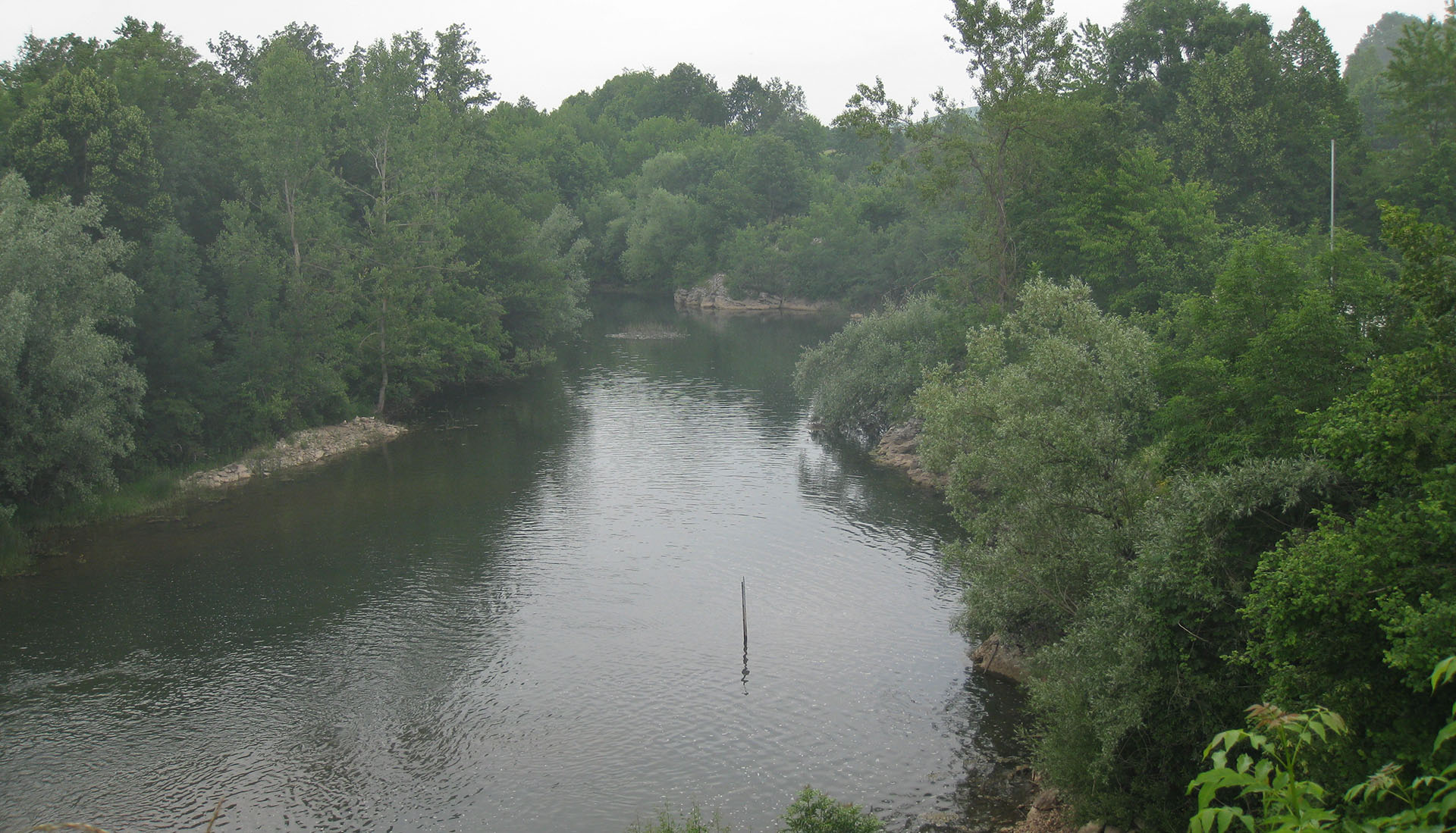
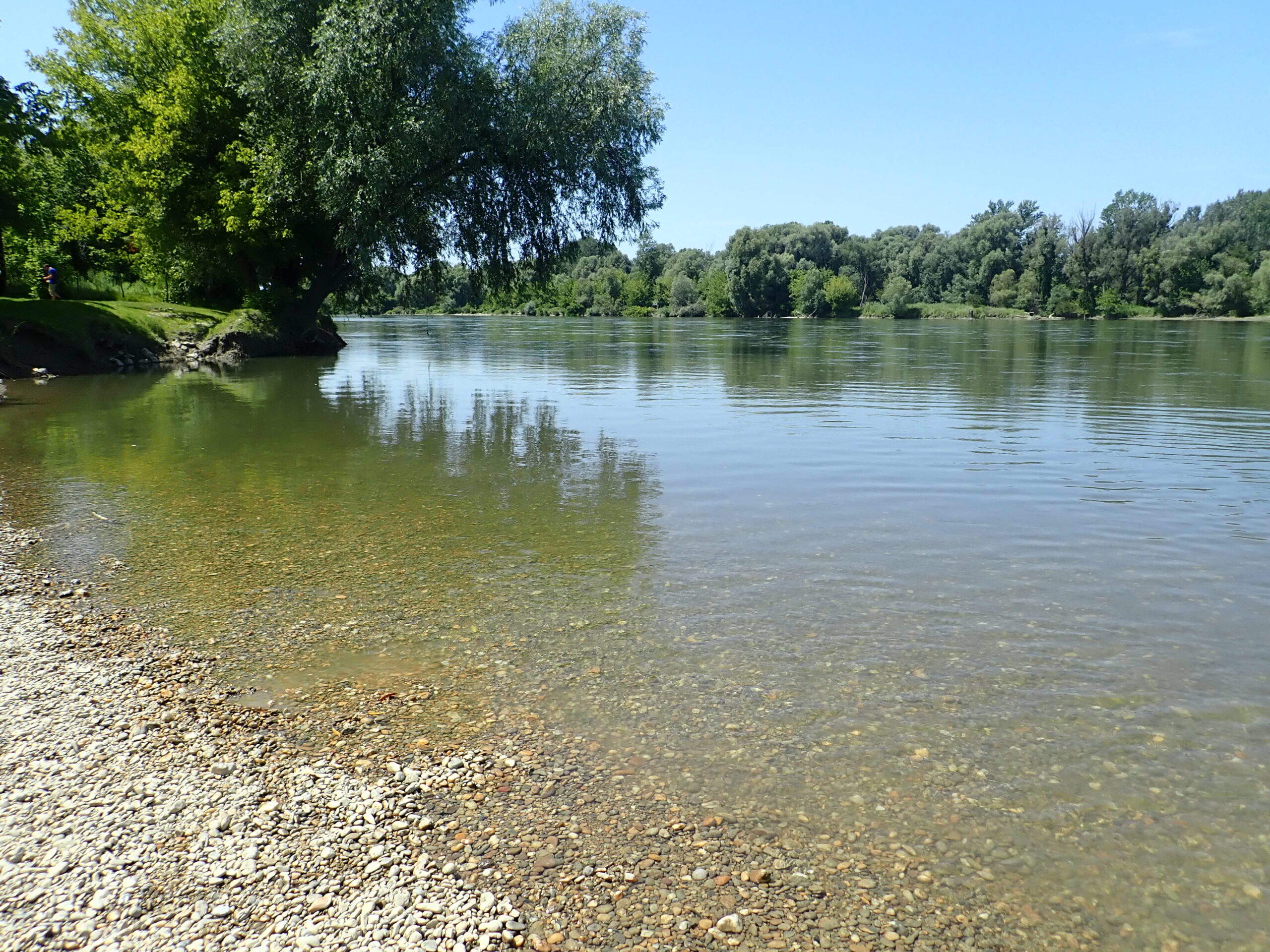
Understanding geodiversity means better understanding the waters around us – from surface watercourses and springs to the complex groundwater systems hidden beneath our feet.
By preserving geodiversity, we preserve the foundations of the natural processes and resources on which life depends – including our water resources.
International Geodiversity Day is an opportunity to once again emphasise the importance of knowledge, research, and monitoring of natural processes as the foundation for responsible water resource management and for preserving these resources for future generations.