The International Day for Disaster Risk Reduction is observed on 13 October under the United Nations message, “Resilience Starts at Home.” The focus is on the safety of homes and communities, responsible planning, and reducing vulnerability before disasters occur. For the water sector, this means linking flood protection, drought preparedness, water resource conservation and timely early warning systems.
Floods and droughts depend on more than just the amount of precipitation. Their impacts are also determined by the condition of river basins, land development, the soil’s ability to retain water, infrastructure maintenance, and the exposure of populations and economic activities. Risk reduction therefore begins with decisions about where we build, how we use water, and how much space we leave for its natural movement.
Data from the Croatian Meteorological and Hydrological Service (DHMZ) confirm that climatic conditions in Croatia are changing. According to the DHMZ’s climate assessment, 2024 was classified as extremely warm throughout the country. Deviations in mean annual temperature from the 1991–2020 average ranged from 1.3°C in Makarska to 2.7°C in Bilogora. In 2025, most of Croatia was classified as very warm. These figures highlight the importance of long-term water resource monitoring and preparedness for pressures on water supply, agriculture and ecosystems.
The Mediterranean is particularly vulnerable. The European Environment Agency (EEA) reports that water stress affects around 30% of Europe’s land area and 34% of its population each year, with the most pronounced impacts in southern Europe and densely populated areas. Drought and water scarcity are not the same: drought refers to a shortage of water relative to normal conditions, whereas water scarcity can also occur when demand exceeds sustainably available supplies. In addition to climate, it is therefore necessary to consider consumption, water abstraction, network losses and ecosystem needs.
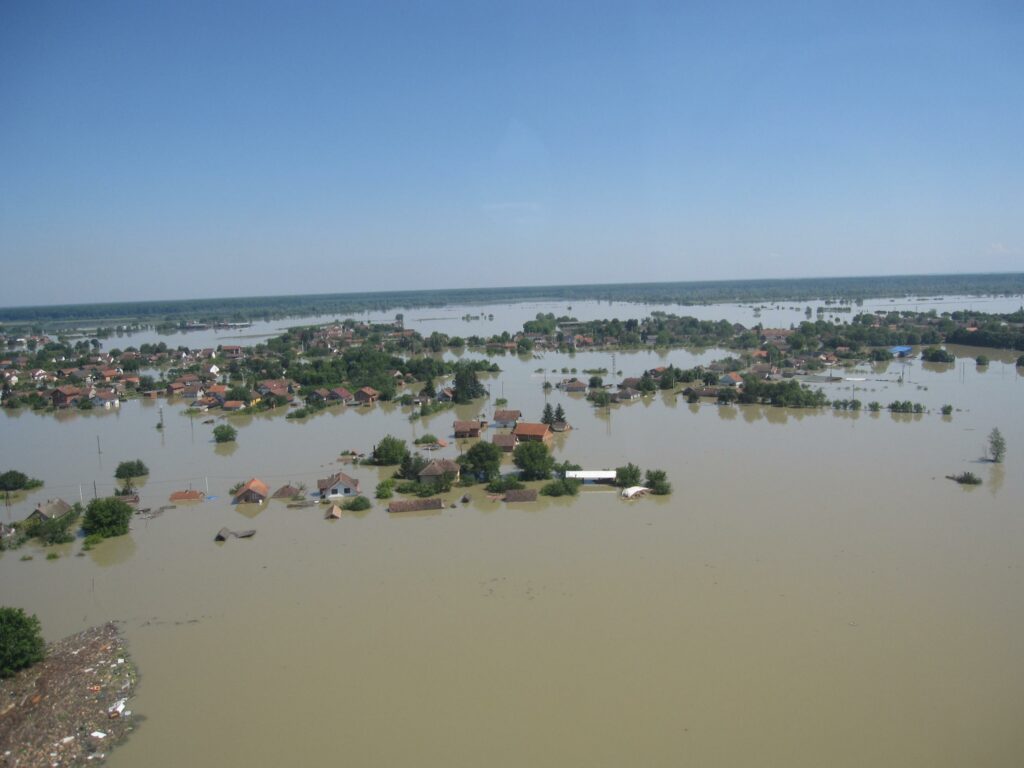
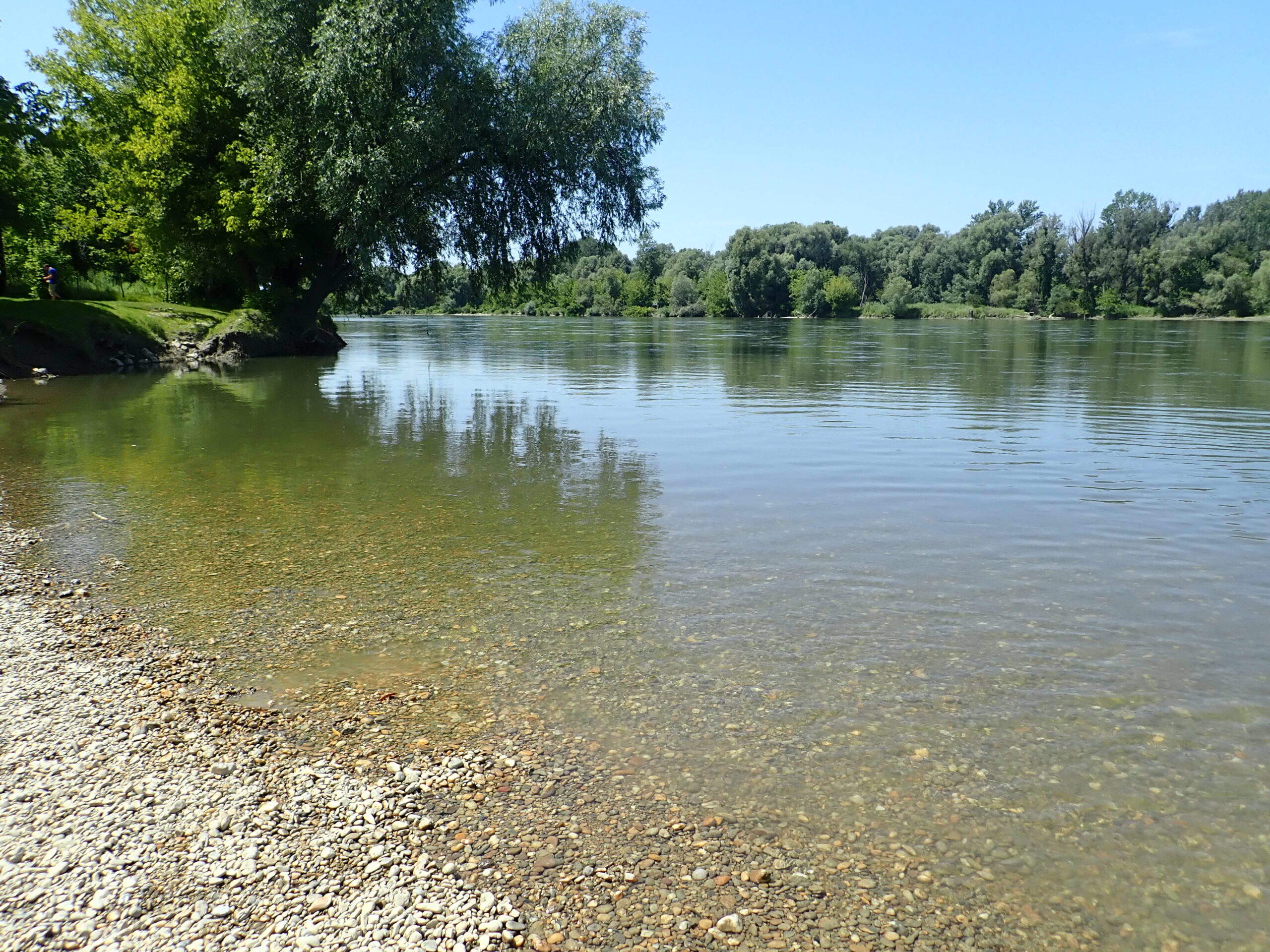
Croatia’s experience demonstrates the importance of preparing for different types of flooding. In May 2014, the highest water levels in the history of measurements were recorded at stations along the lower Sava River in Slavonski Brod, Slavonski Šamac, Županja and Gunja. Flash floods and urban flooding, such as the events in Zagreb in 2020 and Rijeka in 2022, develop much more rapidly and require an understanding of local catchments, drainage systems and potential runoff pathways.
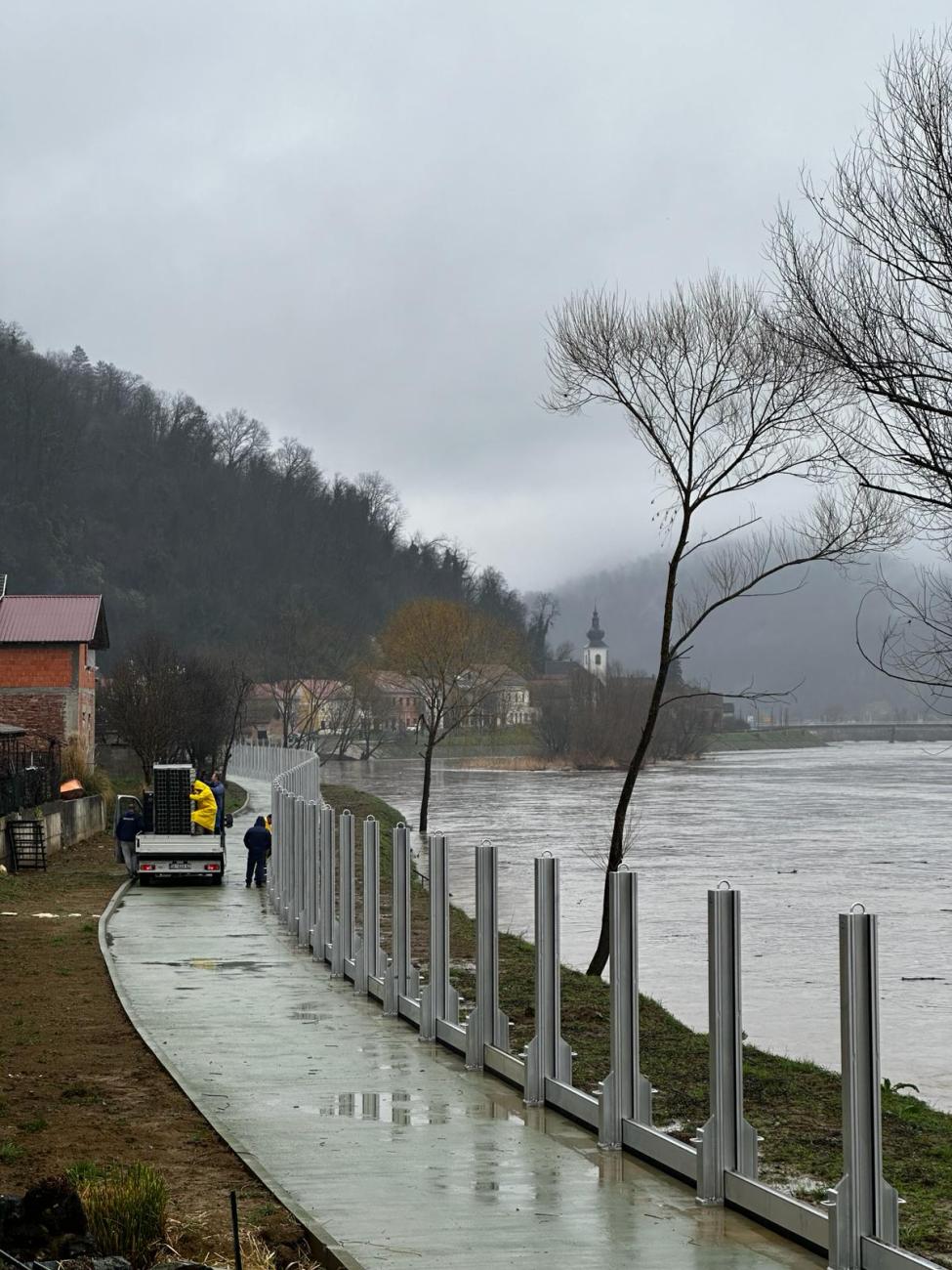
Early warning is an important part of prevention. According to the DHMZ, the SEEFFGS system enables warnings of potential flash floods to be issued up to six hours in advance for catchments ranging in size from 25 to 200 square kilometres. However, a warning can only be fully effective when it is understandable, available in a timely manner, and linked to procedures that emergency services and the public already know how to follow.
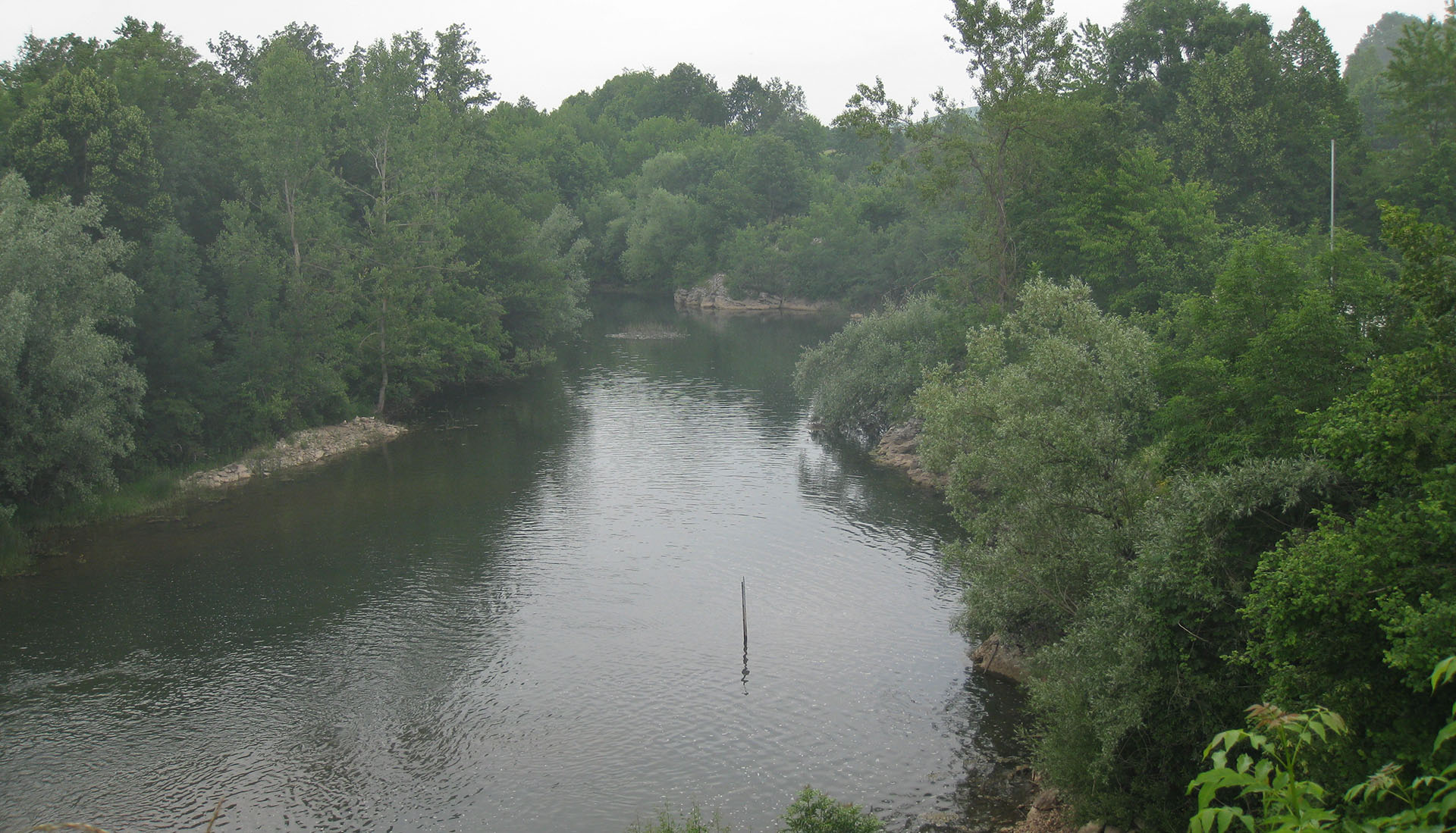
The role of the Josip Juraj Strossmayer Water Institute in reducing water-related risks begins where water level or precipitation data alone are insufficient. By monitoring the chemical and ecological status of water, nutrients and pollutants, and aquatic organisms, the Institute provides the scientific and technical basis for assessing pressures on and vulnerabilities of water systems. Monitoring also covers surface water bodies used as sources of water intended for human consumption, enabling pressures within drinking water abstraction catchments to be identified. These results concern raw source water, not the health safety of treated water supplied to consumers.
Multi-year analyses make it possible to identify locations where deviations recur and to establish priorities for further investigations and protective measures. The results also demonstrate why resilience cannot be assessed through chemical water analysis alone: favourable physico-chemical indicators do not necessarily coincide with good fish community status, while pollution in organisms can affect the overall assessment of chemical status even when measurements taken directly in the water are more favourable. Water quality must therefore be considered alongside biology, habitats and the hydrological regime.
Such data support decisions on where to reduce pressures, provide additional protection for water sources, investigate the causes of deteriorating conditions and evaluate the effectiveness of measures already implemented. When combined with meteorological and hydrological data and risk assessments, monitoring becomes part of prevention rather than simply a record of consequences. This is precisely why the European Water Resilience Strategy links the restoration of the water cycle with more efficient water use and the security of water services.
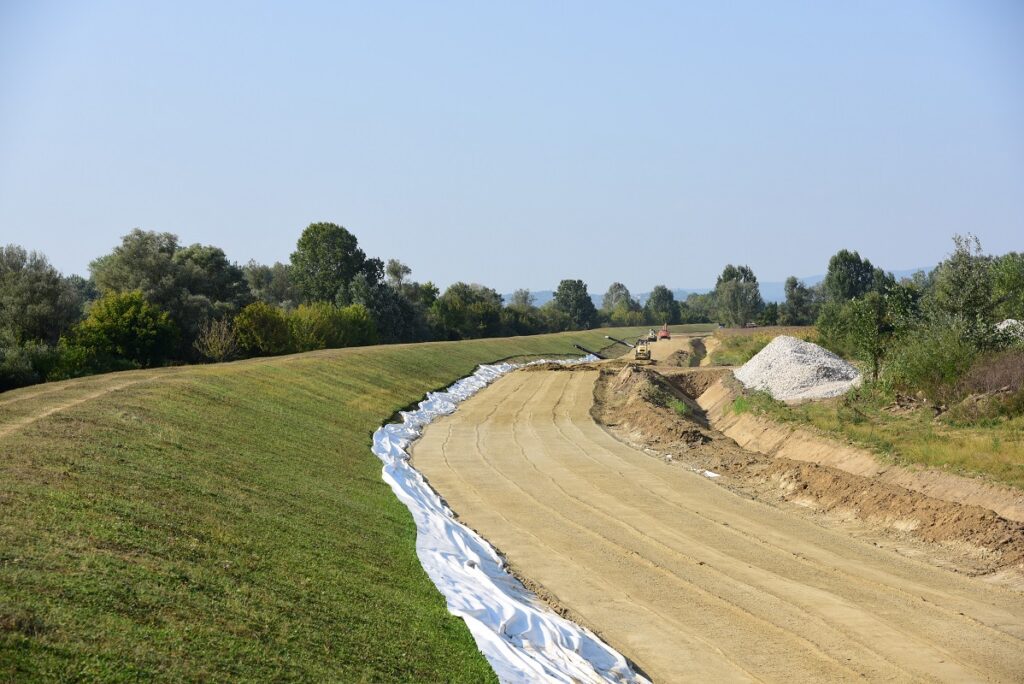
For Croatia, this means investing simultaneously in reliable infrastructure, the protection of water sources, the reduction of water losses, and the conservation of floodplains and wetlands that retain water. Community safety depends not only on whether water arrives or fails to arrive, but also on the condition of water systems when extreme events occur. Resilience is therefore built before a crisis through continuous monitoring, responsible planning and the translation of scientific and technical data into timely decisions.