How can we ensure that access to water, sanitation and hygiene is not only about infrastructure, but also the sustained protection of human health? The World Health Organization (WHO) has published its annual report on water, sanitation and hygiene for 2025. Despite progress, the report warns that the world is seriously off track in achieving Sustainable Development Goal 6, which focuses on ensuring the availability and sustainable management of water and sanitation for all.
Billions of people still lack access to safely managed drinking-water and sanitation services, as well as adequate hygiene facilities. More than one billion people receive healthcare in facilities that lack even basic water services. Access to water therefore remains a matter of health security and equity, not merely infrastructure development.
WHO estimates that inadequate water, sanitation and hygiene conditions contribute to approximately 1.4 million deaths each year. This figure reflects the combined impacts of inadequate water supply, sanitation and hygiene, collectively referred to as WASH, rather than the consequences of unsafe drinking-water alone.
The report outlines WHO’s work throughout 2025, a year marked by tighter funding, climate pressures and conflicts. Cholera outbreaks and climate shocks further expose the vulnerability of essential services. Progress therefore cannot be measured solely by expanding these services; it is equally important to assess whether they can remain safe and functional under adverse conditions.
WHO does not directly build water supply and sanitation infrastructure. Instead, it translates scientific evidence on health risks into standards, guidelines, tools and data. Particular emphasis is placed on monitoring, regulation and cooperation. Reliable data are not merely a reporting tool; they provide the basis for identifying gaps and directing action. Infrastructure development must go hand in hand with the capacity to operate systems safely and sustainably.
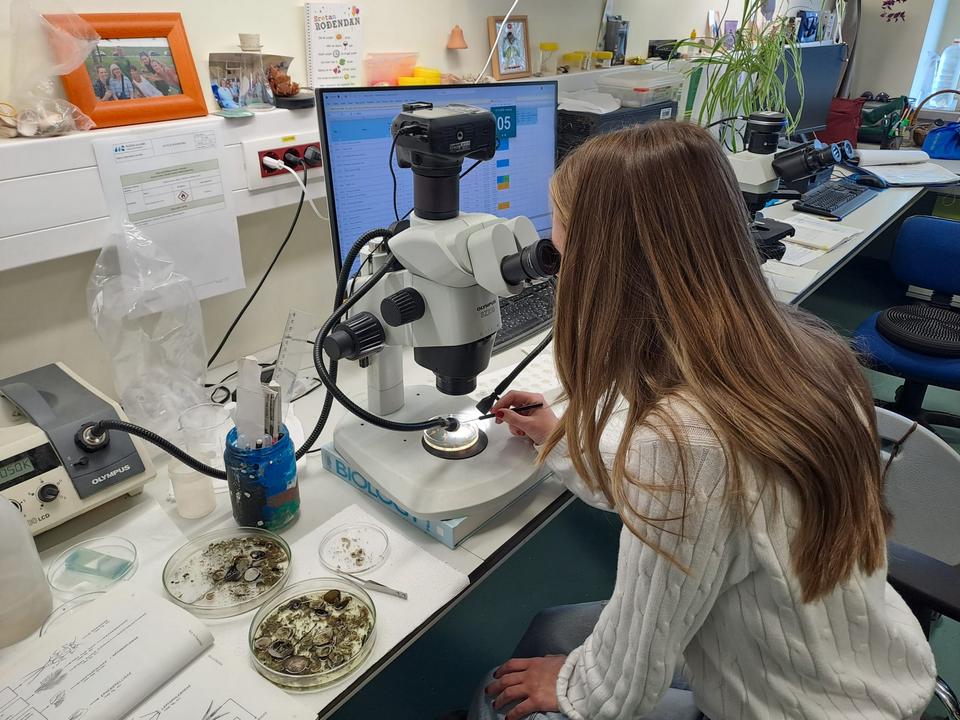
This message is also relevant to the Josip Juraj Strossmayer Water Institute, which, through water monitoring, laboratory analyses and expert interpretation of results, provides the evidence needed to understand the condition of the aquatic environment and protect it. National water status monitoring is not the same as health surveillance of water intended for human consumption. The two serve different purposes, but both depend on high-quality data and their appropriate use in decision-making.
For Croatia, the report highlights the importance of linking the protection of water resources with service reliability and preparedness for disruptions. Global indicators of inadequate access should not be directly extrapolated to national circumstances. Nevertheless, the principle that infrastructure must be supported by monitoring, risk assessment and effective management also applies in settings where access to services is widespread.
WHO’s transition to its strategy for the 2026–2035 period underscores the need for safe, equitable, resilient and sustainable services. The report’s central message is the importance of prevention: protecting health requires scientific evidence, reliable data and actionable measures to work together, rather than relying solely on responses after problems arise.
The full report is available here.