Europe is entering a period in which water can no longer be seen as a stable, readily available resource. Droughts, floods, growing demand, pollution, network losses and increasing pressure on ecosystems are simultaneously raising risks for people, the economy, agriculture, energy and nature.
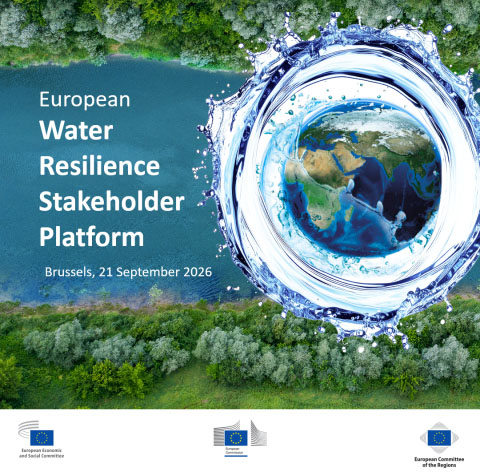
Against this backdrop, on 21 September in Brussels, the European Commission launched the Water Resilience Stakeholder Platform and the European Water Academy. More than 50 representatives from the water sector, scientific and professional institutions, public authorities, business, the financial sector, cities and regions attended the first meeting. The aim is to accelerate the implementation of measures to make Europe more resilient to growing water pressures.
The Platform will focus on three areas that are already transforming the water sector: digitalisation, greater water efficiency and the safe reuse of water. This means improving data collection and use, detecting faults and losses earlier, managing consumption more efficiently, and reducing pressure on water resources where treated water can be safely used for irrigation, industrial purposes or other appropriate applications.
The European Commission stresses that water security is no longer simply a question of quantity. What matters is when water is available, what its quality is, how exposed a system is to droughts or floods, and whether water services, agriculture, industry and ecosystems can withstand increasing pressures at the same time.
This is also important for Croatia. Croatia has significant water resources, but it is not immune to changes in the water cycle. Differences between water regions, seasonal droughts, flash floods, pressures on water sources, agricultural pollution, climate extremes and losses in water supply networks show that water security cannot be assessed solely on the basis of the total quantity of water available.
The response therefore needs to be technical, environmental and governance-oriented at the same time. Reliable data on the state of water resources are needed, along with the protection of water sources and groundwater, the reduction of water losses, better pollution control, the preservation of retention areas and aquatic ecosystems, and investment in systems that can continue to function during droughts, floods and other emergency situations.
The European Water Academy is intended to help strengthen precisely this type of knowledge and expertise. Its purpose is to connect existing educational programmes, experts, water service providers, research institutions and innovators, enabling faster transfer of solutions that can be applied in practice.
The new European platform is not a fund in itself, nor is it an open call for proposals. Rather, it signals that water is increasingly being recognised as a development, economic, public health, environmental and security issue. For Croatia’s water sector, this represents an opportunity to engage in European discussions and projects with concrete priorities: protecting water resources, managing risks, reducing losses, adapting to droughts and floods, and preserving water bodies and water-dependent ecosystems.
More information about the European Commission’s initiative is available on the following page.
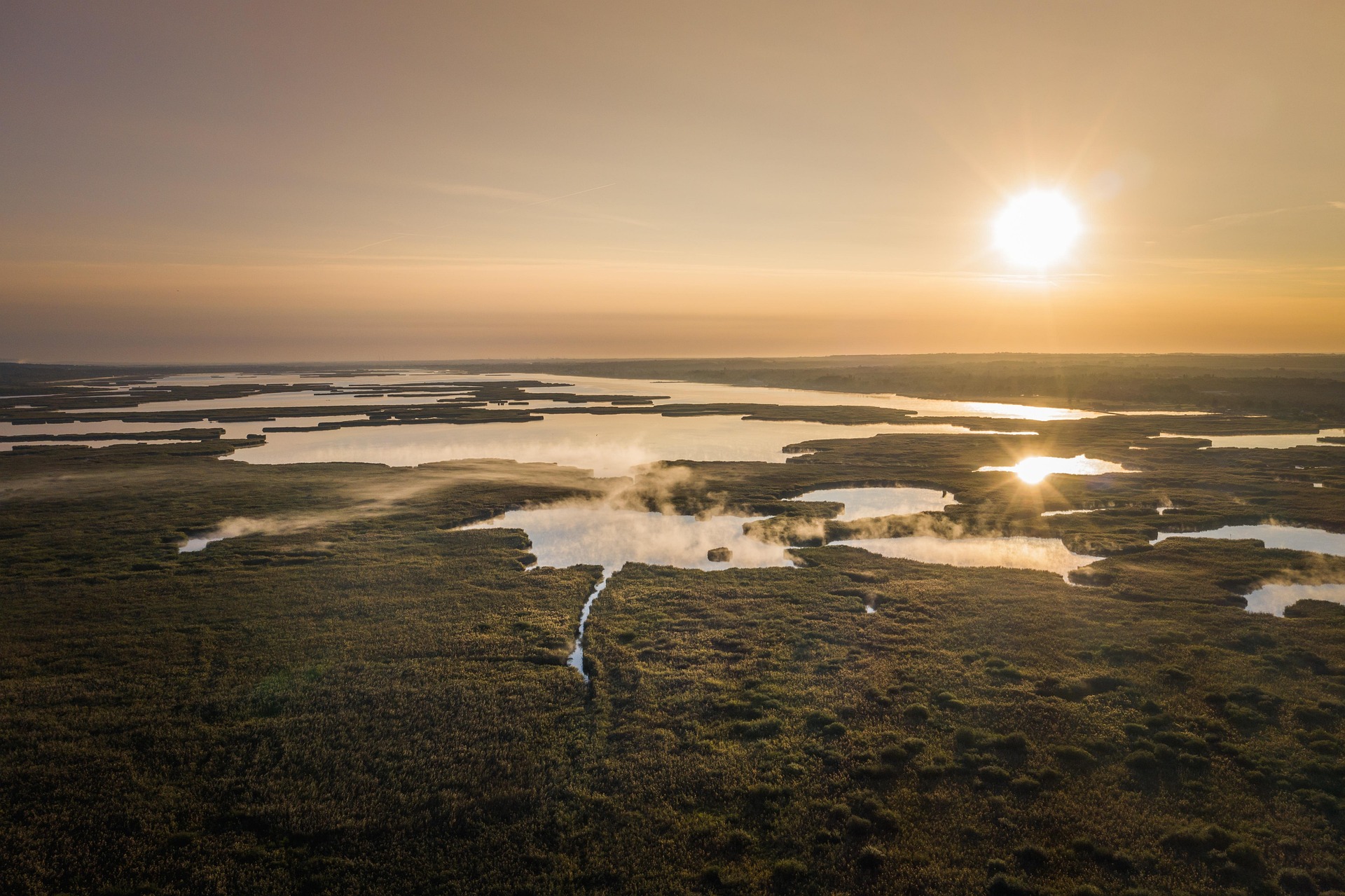
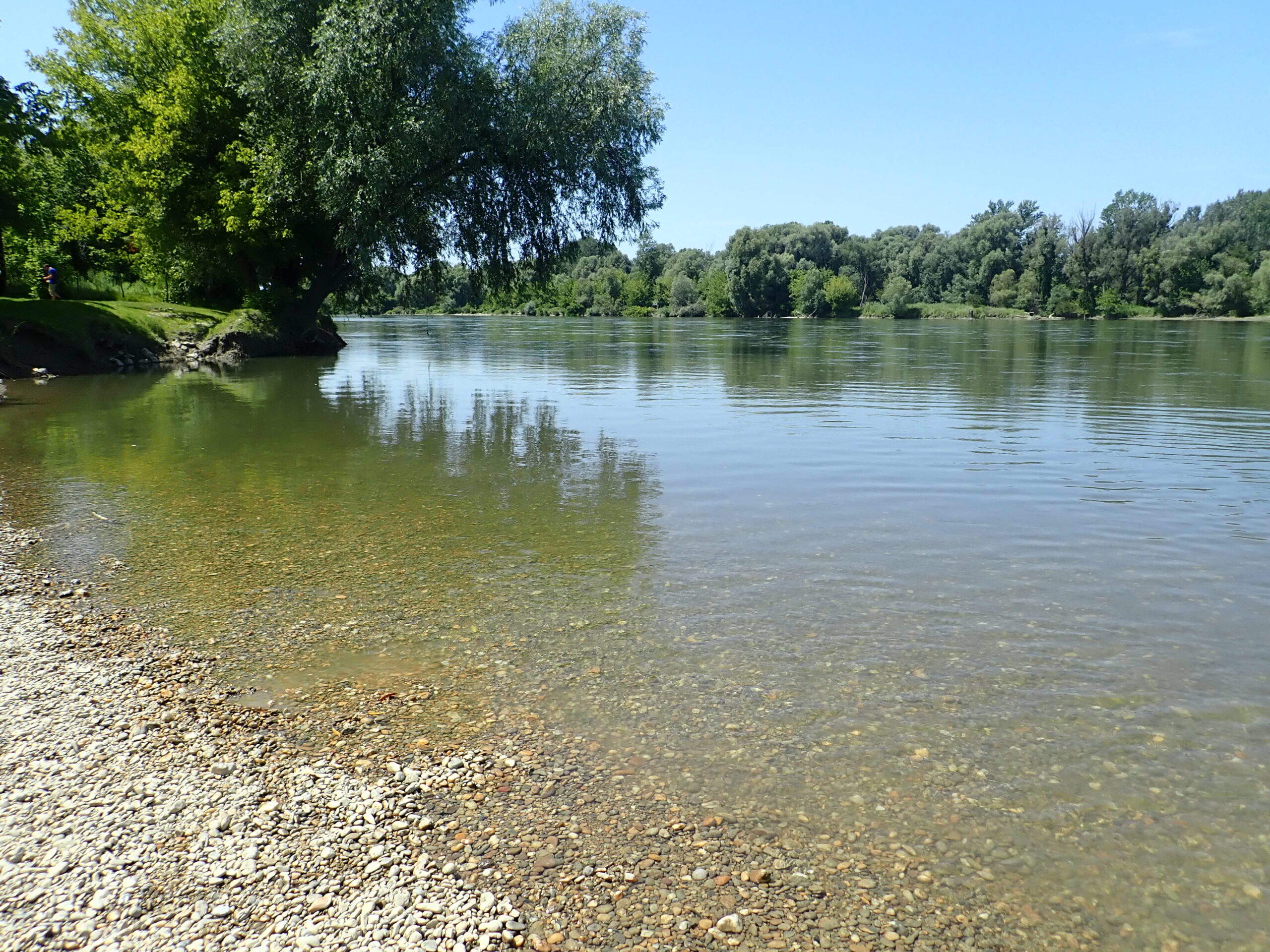
Photo by Eszter Miller, Pixabay