Reliable data are essential for understanding the state of water resources, but their full value can only be realised when they are linked, interpreted and used to support decision-making. Fragmented data and disconnected information systems are among the challenges that the European Commission aims to address through its Action Plan for the Digitalisation of the Water Sector.
On 9 November 2026, the Commission announced a roundtable discussion between Commissioner Jessika Roswall and representatives of the water sector and other stakeholders on the draft Action Plan. Its adoption is expected in the first half of 2027, as part of the implementation of the European Water Resilience Strategy.
The challenges highlighted by the Commission include fragmented water data and data collection systems, a lack of interoperability, insufficient digital skills and outdated procurement rules. Interoperability refers to the ability of different systems to exchange and use data. It is therefore not enough for information to be stored in digital form; what matters is whether it can be linked to other data and used beyond the system in which it was originally generated.
This raises practical questions for water monitoring. Can a laboratory result be unambiguously linked to the location and time of sampling? Is the information needed for its proper interpretation available alongside it? Can results from different periods and sources be compared? Digitalisation is therefore not simply a matter of equipment and software, but also of well-defined procedures, data quality and professional expertise.
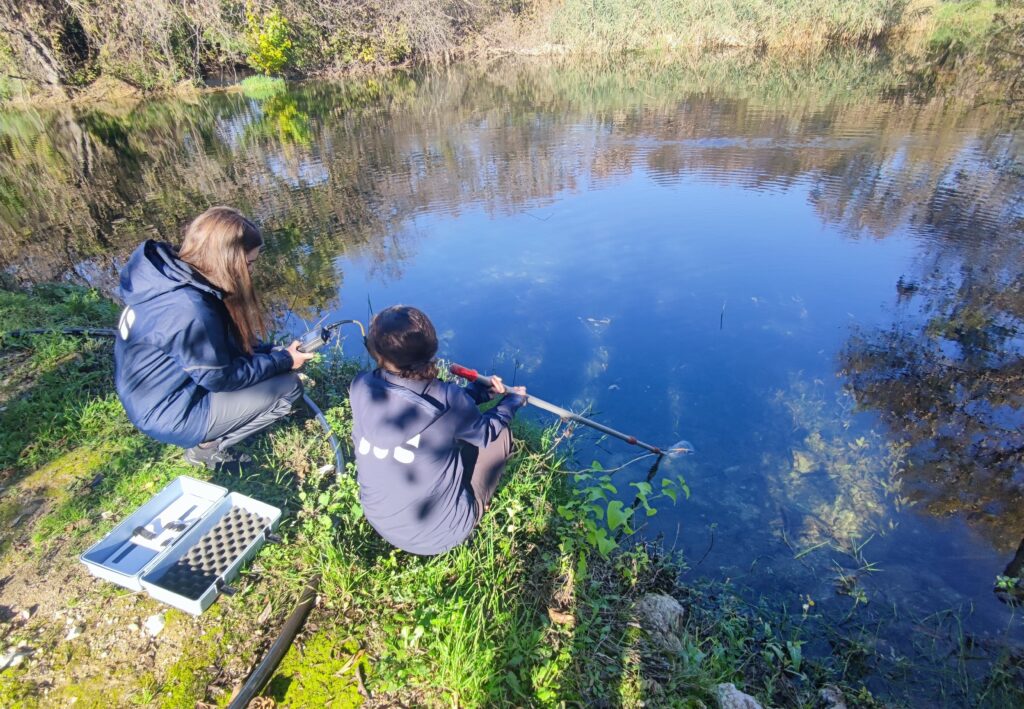
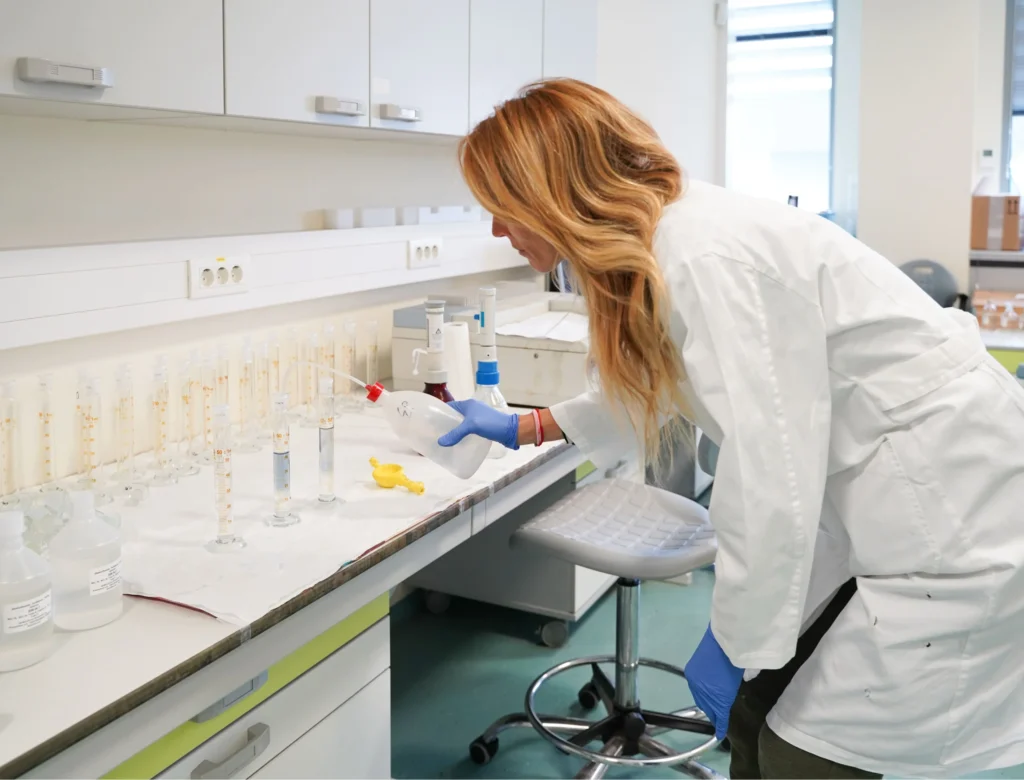
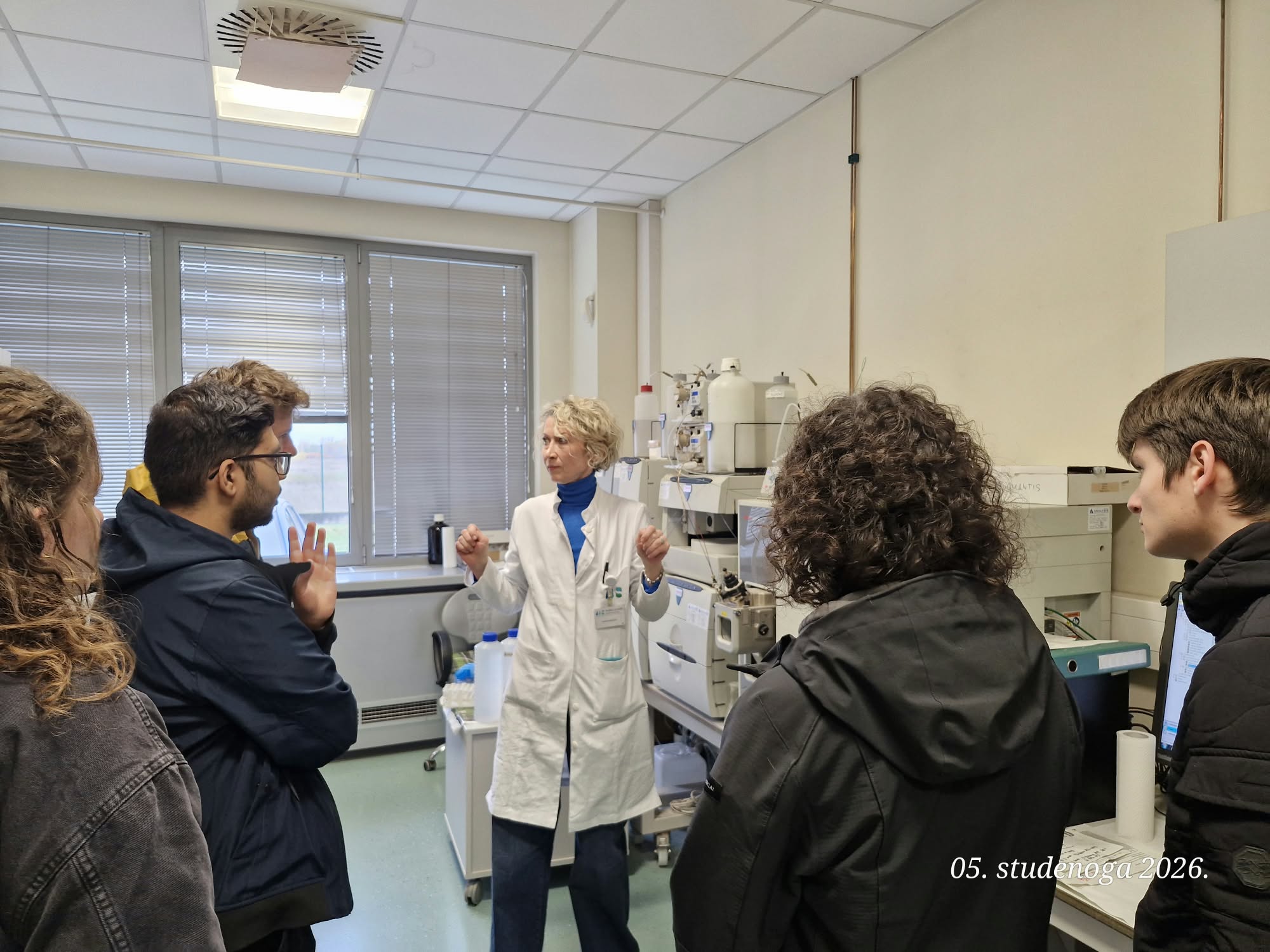
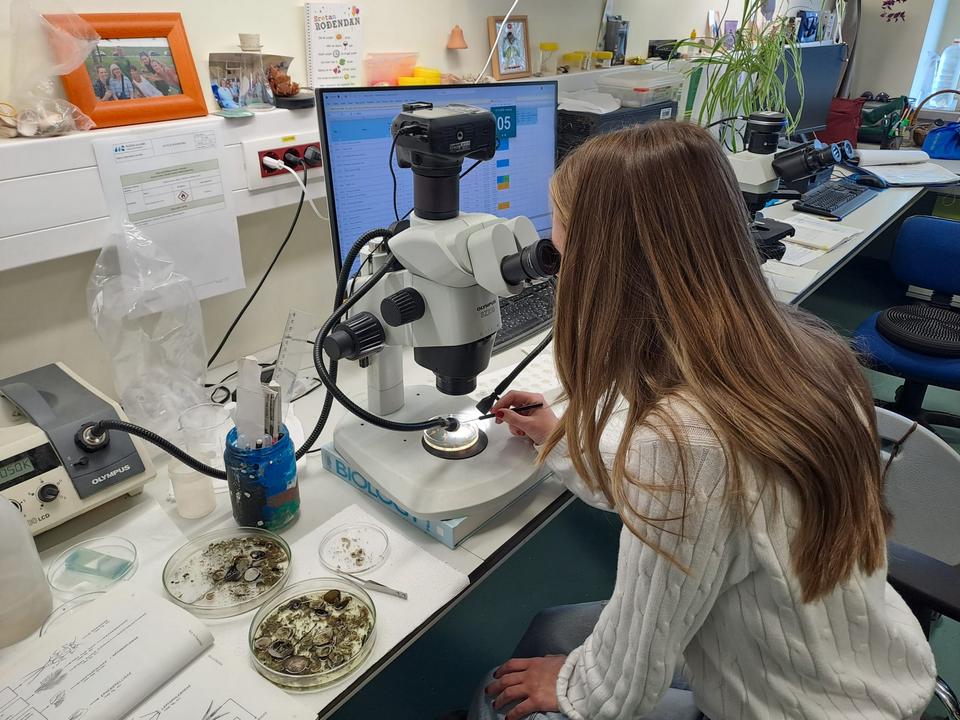
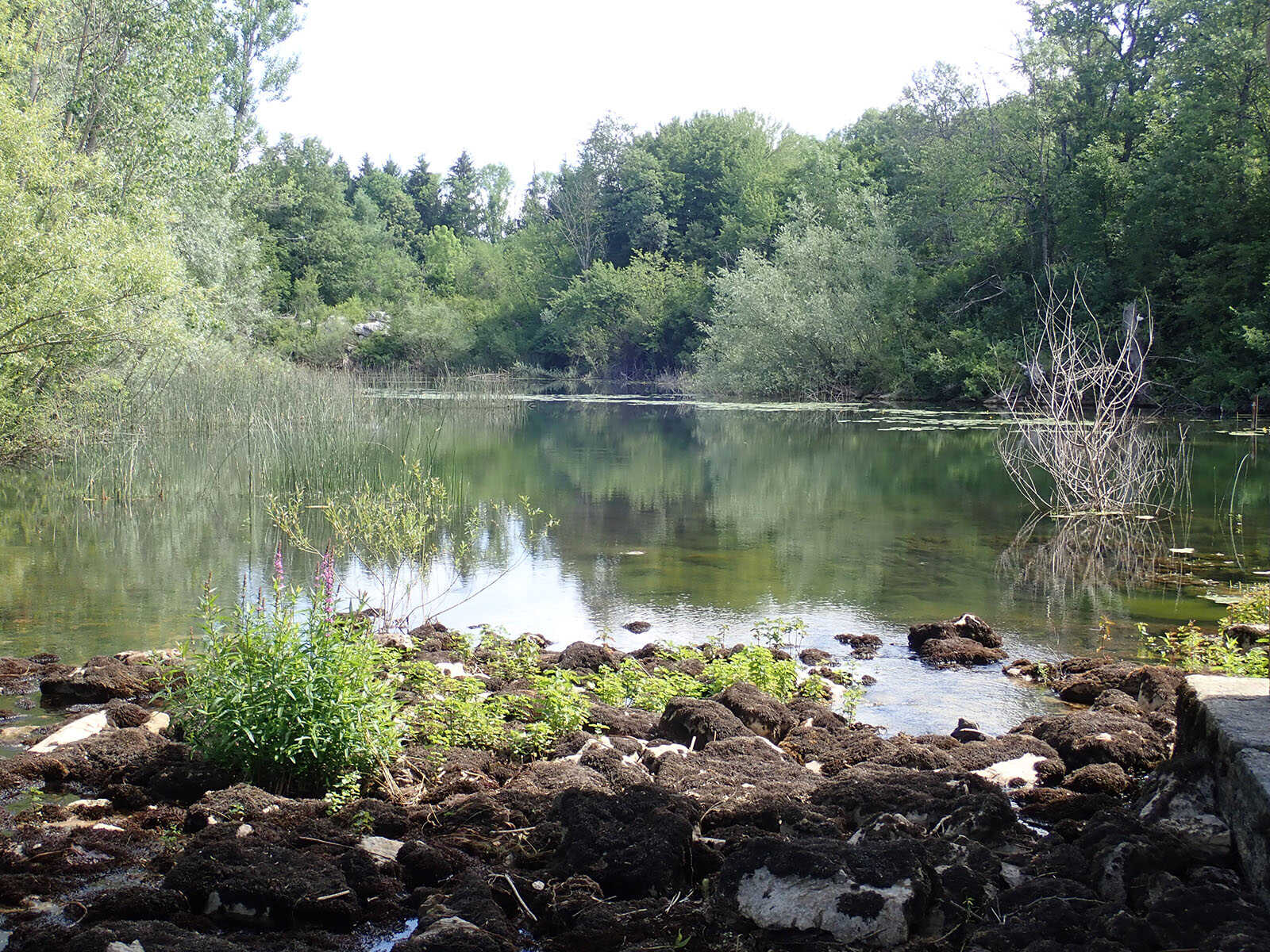
This connection is also important for the work of the Josip Juraj Strossmayer Institute for Water, where data follow a process that begins with field sampling and measurements, continues through laboratory analyses and culminates in expert assessment and evaluation of water status. The Laboratory Information Management System (LIMS) is part of this process, while data connectivity and traceability support the reliable use of information. Digital tools do not replace professional judgement; rather, they should facilitate access to the information on which such judgement is based.
The Commission links digitalisation to more efficient water use, the protection of the water cycle, and the availability of clean and affordable water. The preparation of the Action Plan therefore provides an opportunity to focus not only on technological development but also on the conditions needed to turn data into usable knowledge. The final measures have yet to be determined, but the overall direction is clear: moving from isolated digital records towards more interconnected systems that provide a stronger basis for water management.
Further information is available in the European Commission’s announcement of 9 November 2026..