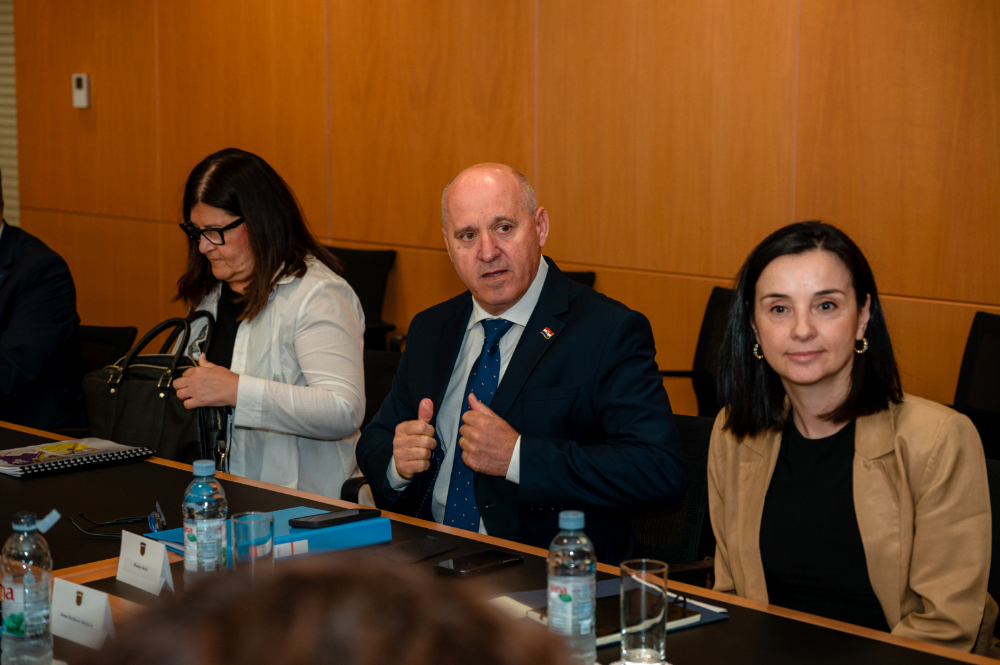
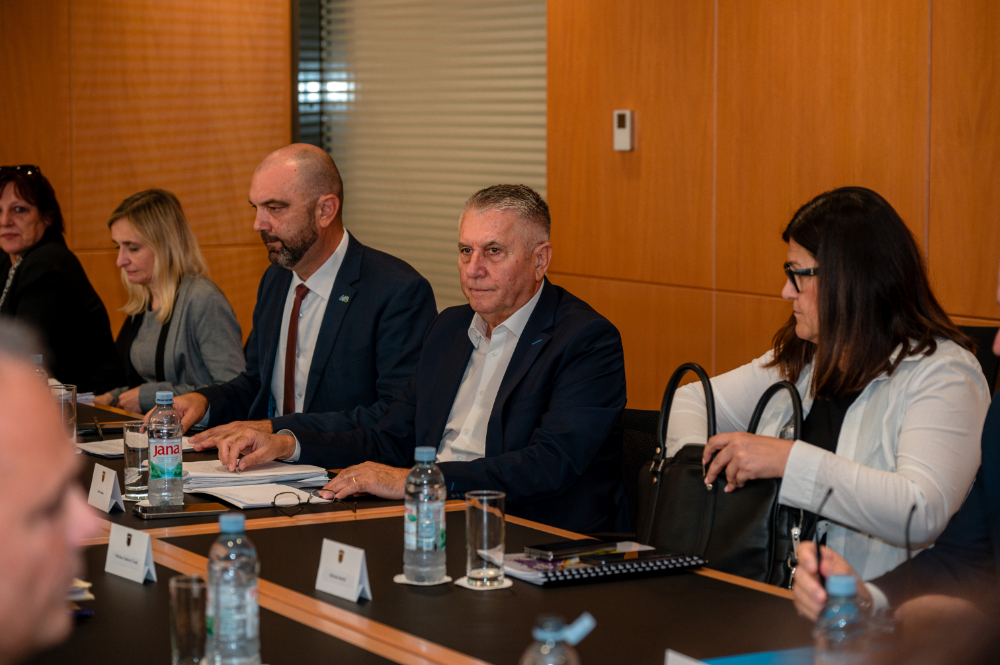
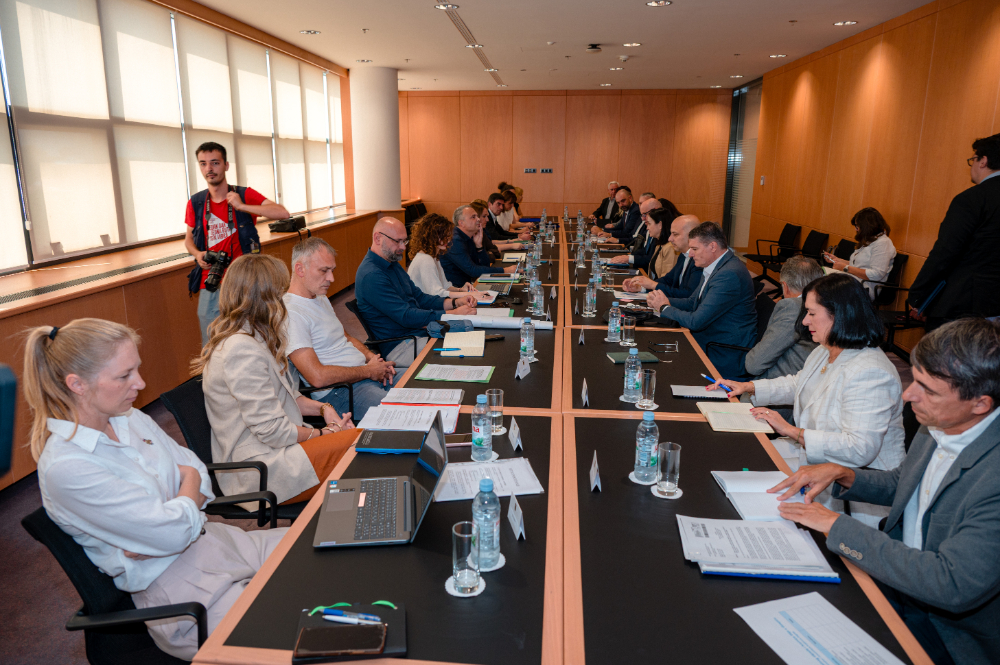
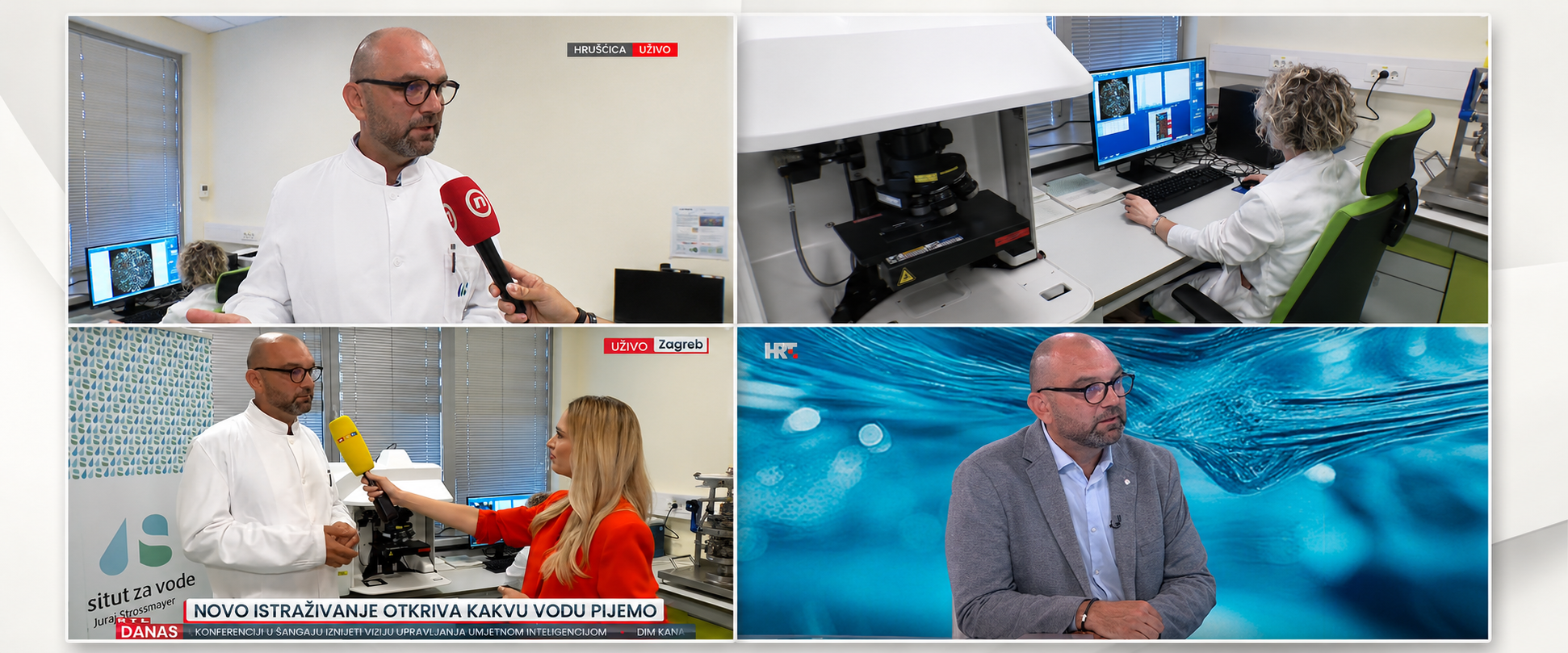
At a meeting between representatives of the Government of the Republic of Croatia and the citizens’ initiative “Gospić Is Our Home”, Mario Šiljeg, Director of the Josip Juraj Strossmayer Water Institute, presented the first comprehensive multi-year comparative analysis of the status of surface water and groundwater in Lika-Senj County, based on the results of the national water monitoring programme.
The analysis shows that, when assessed using multi-year national monitoring data, Lika-Senj County does not differ significantly from the Croatian average. In particular, it highlights that groundwater maintained good chemical status at all monitored sites throughout the 2022–2025 period. Furthermore, when considering all monitoring stations within the county, the proportion of sites classified as having very good, good or moderate ecological status, as well as good or better, or moderate ecological potential, is higher than the national average.
The analysis provides the first consolidated overview of multi-year national monitoring results for Lika-Senj County in comparison with national findings. This approach makes it possible to distinguish isolated observations from long-term trends and to draw expert conclusions based on a comprehensive set of data.
Speaking about the Institute’s role, Director Mario Šiljeg emphasised that citizens rightly expect information that is clear, verifiable, and consistent across institutions, and that every institution should speak only within its area of expertise and legal responsibility. He stressed that public trust is built through continuous monitoring, publicly available data, and expert interpretation of the results of the national water monitoring programme.
Minister of Environmental Protection and Green Transition Marija Vučković stated that the immediate priority is to remove the illegally disposed waste as quickly as possible and to continue the coordinated work of all competent authorities, while ensuring transparent communication with the public regarding the remediation process and the results of further activities.
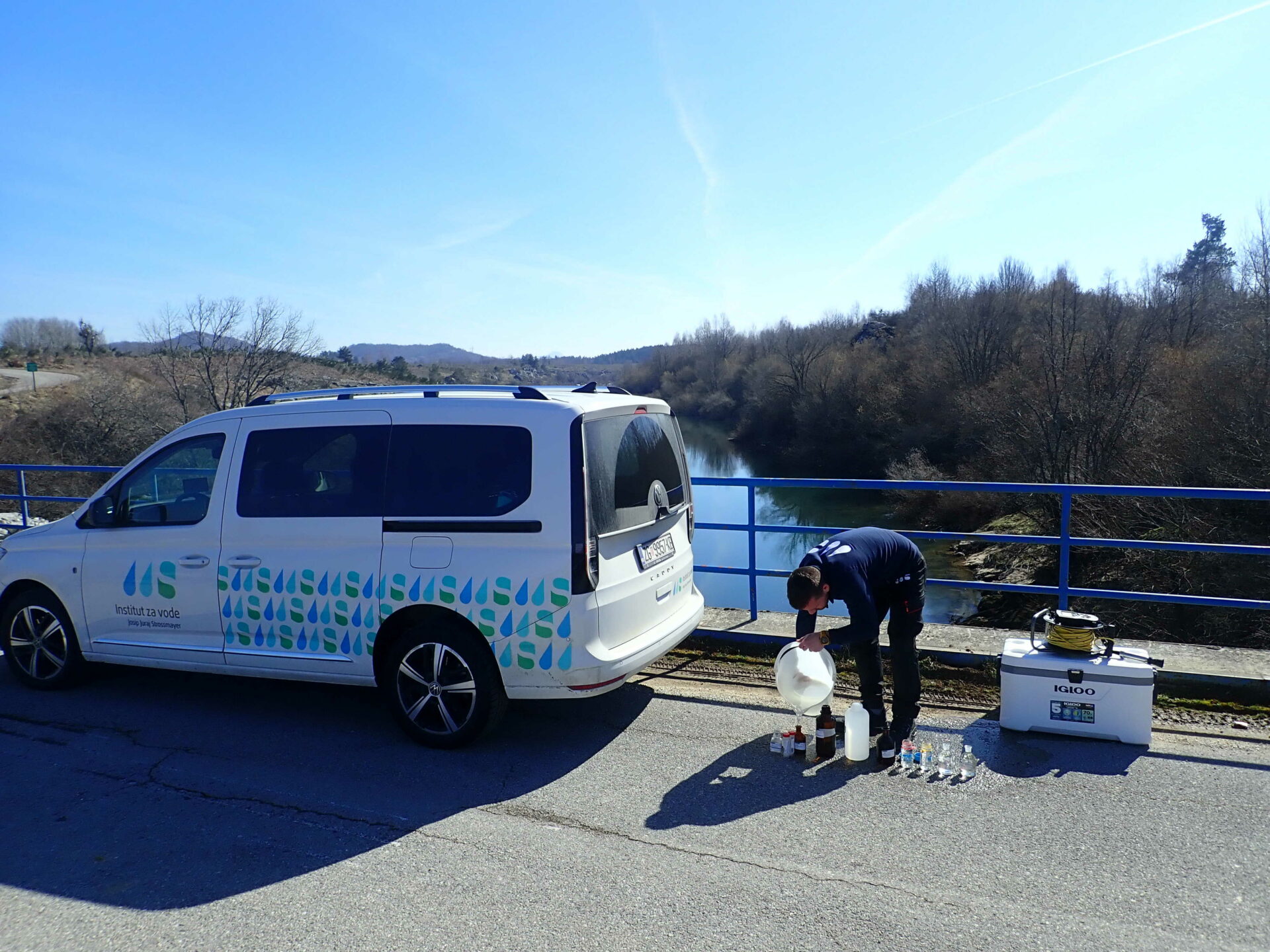
The conclusions of the meeting were presented by Deputy Prime Minister of the Republic of Croatia Branko Bačić. Following a proposal by the citizens’ initiative “Gospić Is Our Home”, it was agreed to further expand the network of monitoring stations within the national water monitoring programme. This will further strengthen the existing monitoring system, which currently comprises 37 monitoring stations in Lika-Senj County, compared with 33 stations in 2024. As part of this expansion, the Institute established the Lika – Ostrvica Bridge monitoring station in March 2025 to enhance monitoring of any potential impacts on water status.
The Director of the Institute concluded that expert assessments of water status can only be made on the basis of multi-year monitoring, comparison of all available data, and comprehensive scientific interpretation.