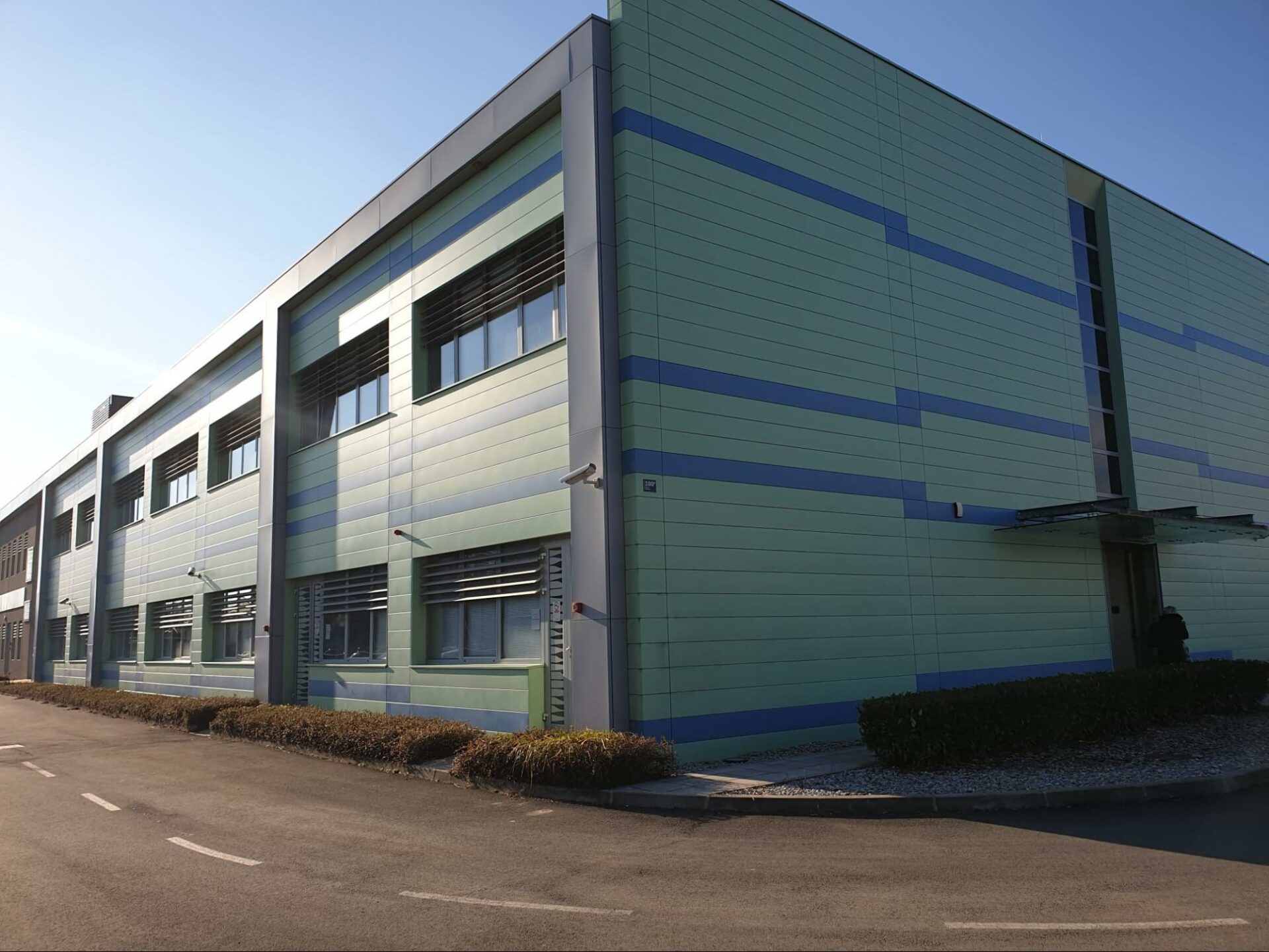
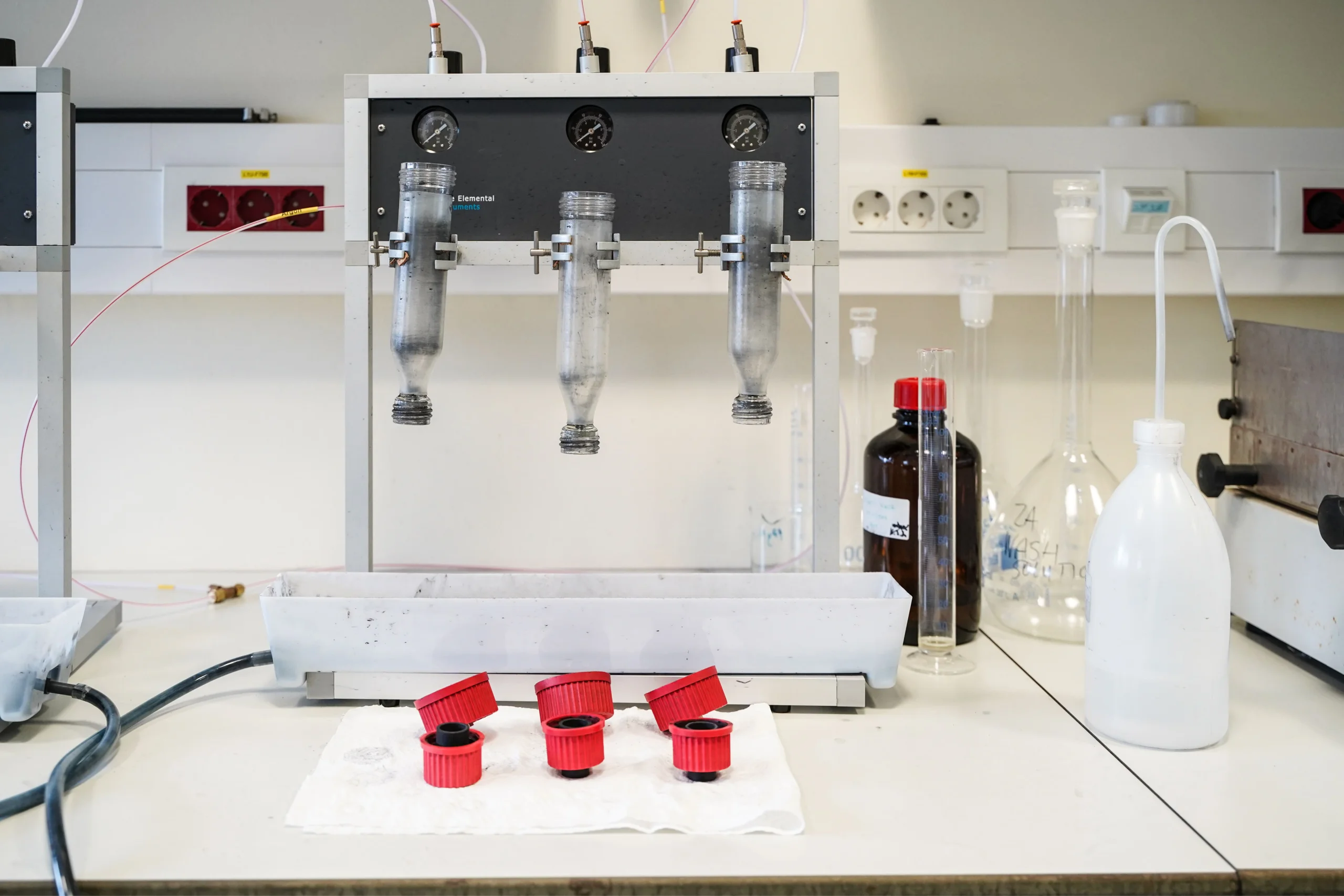
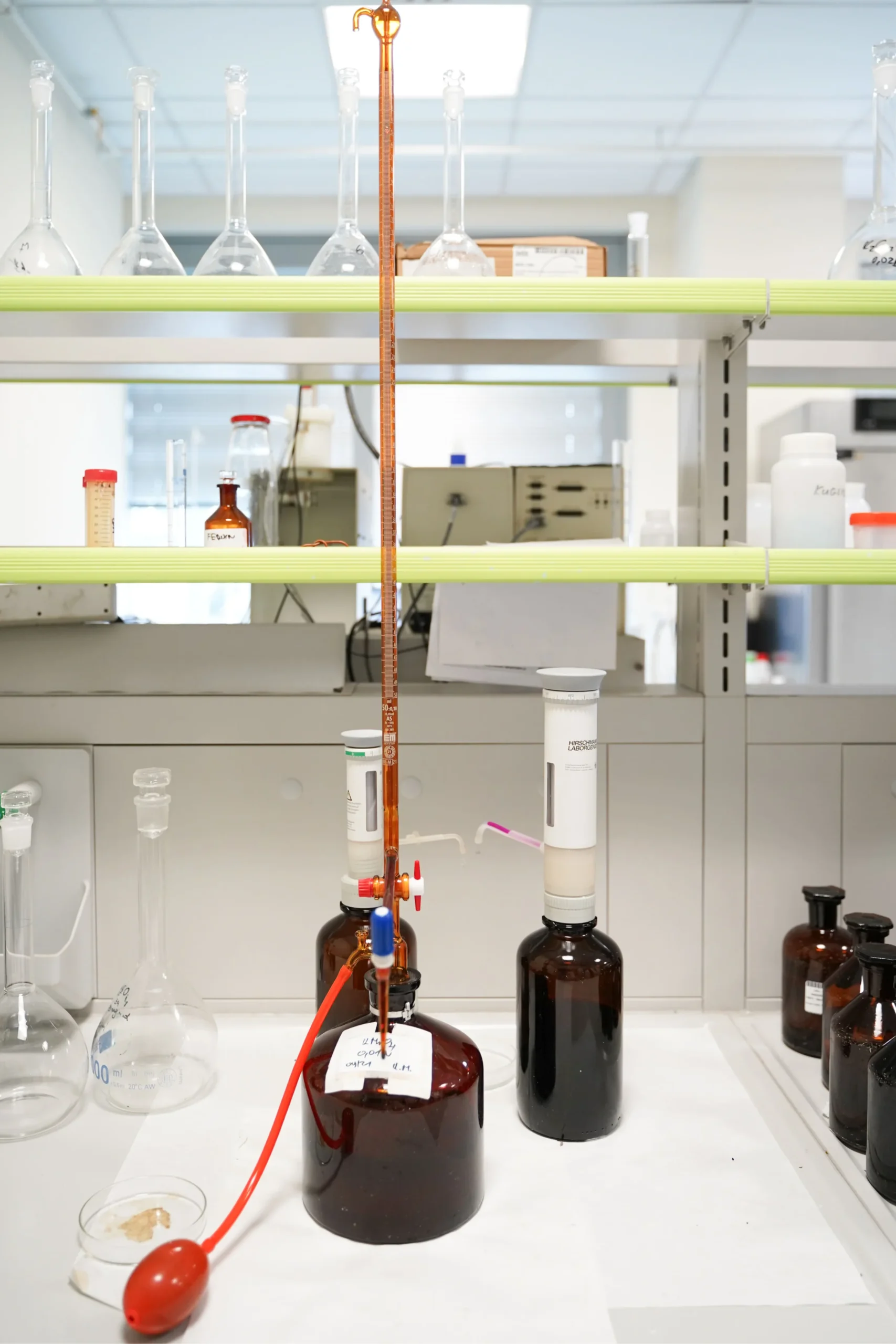
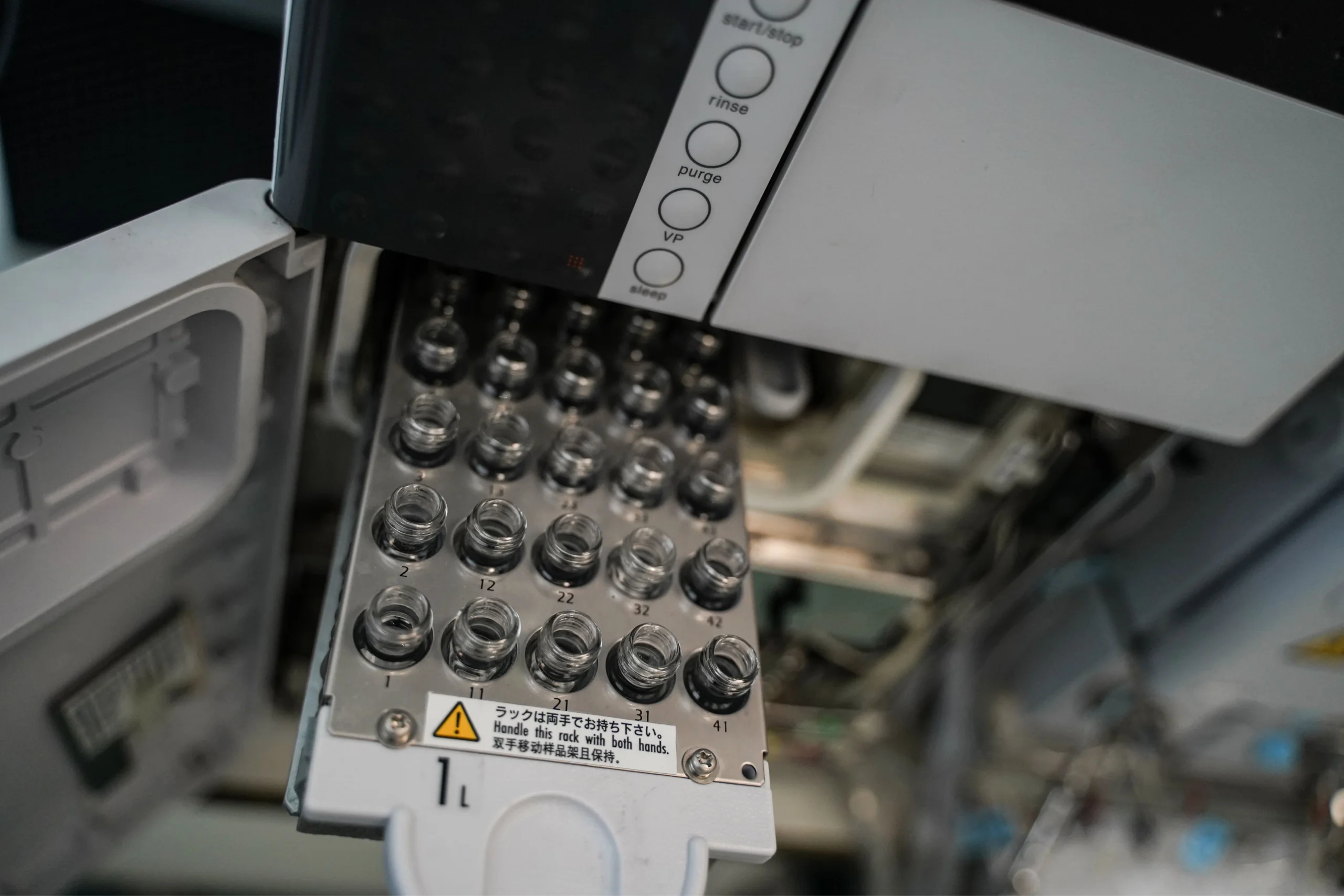
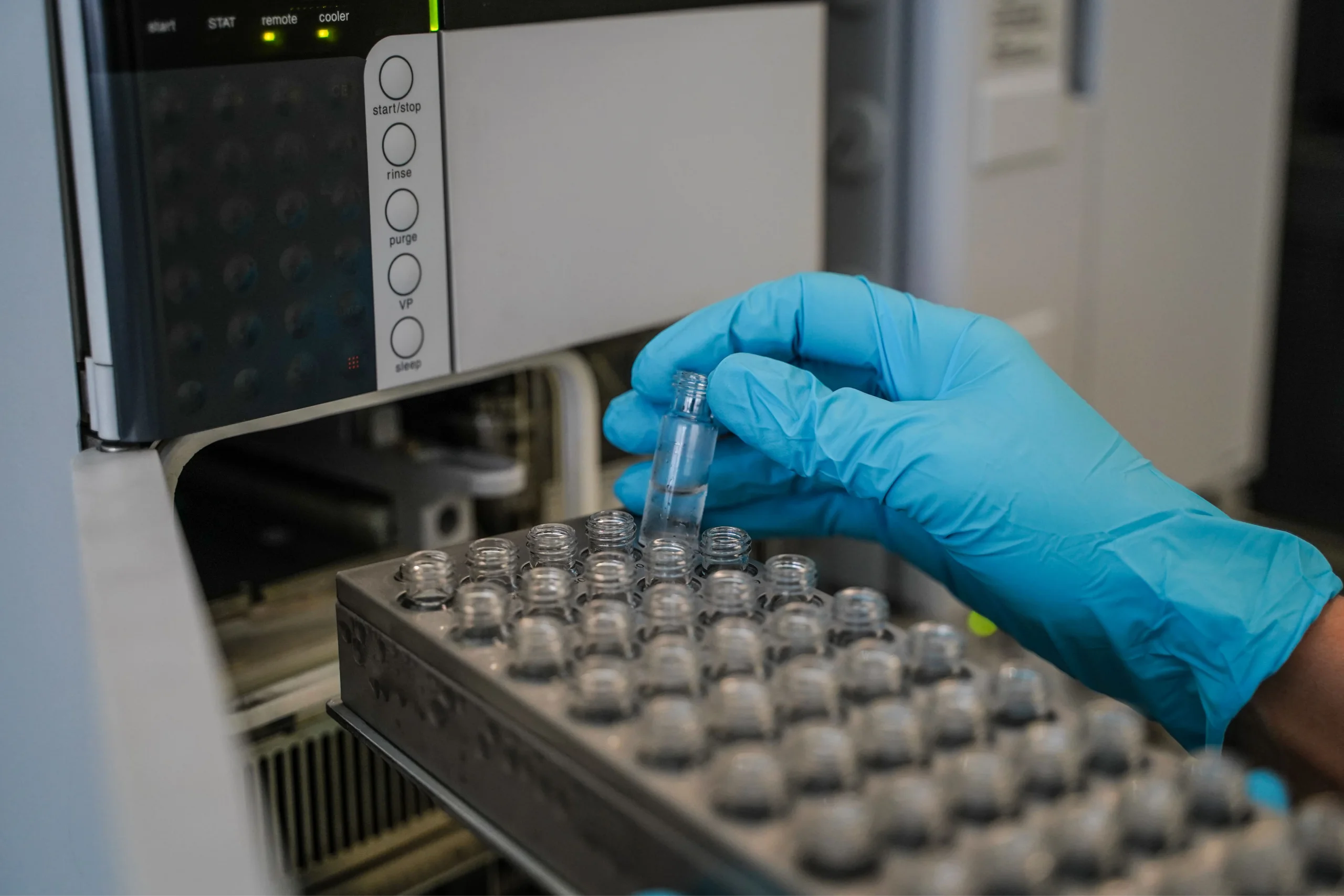
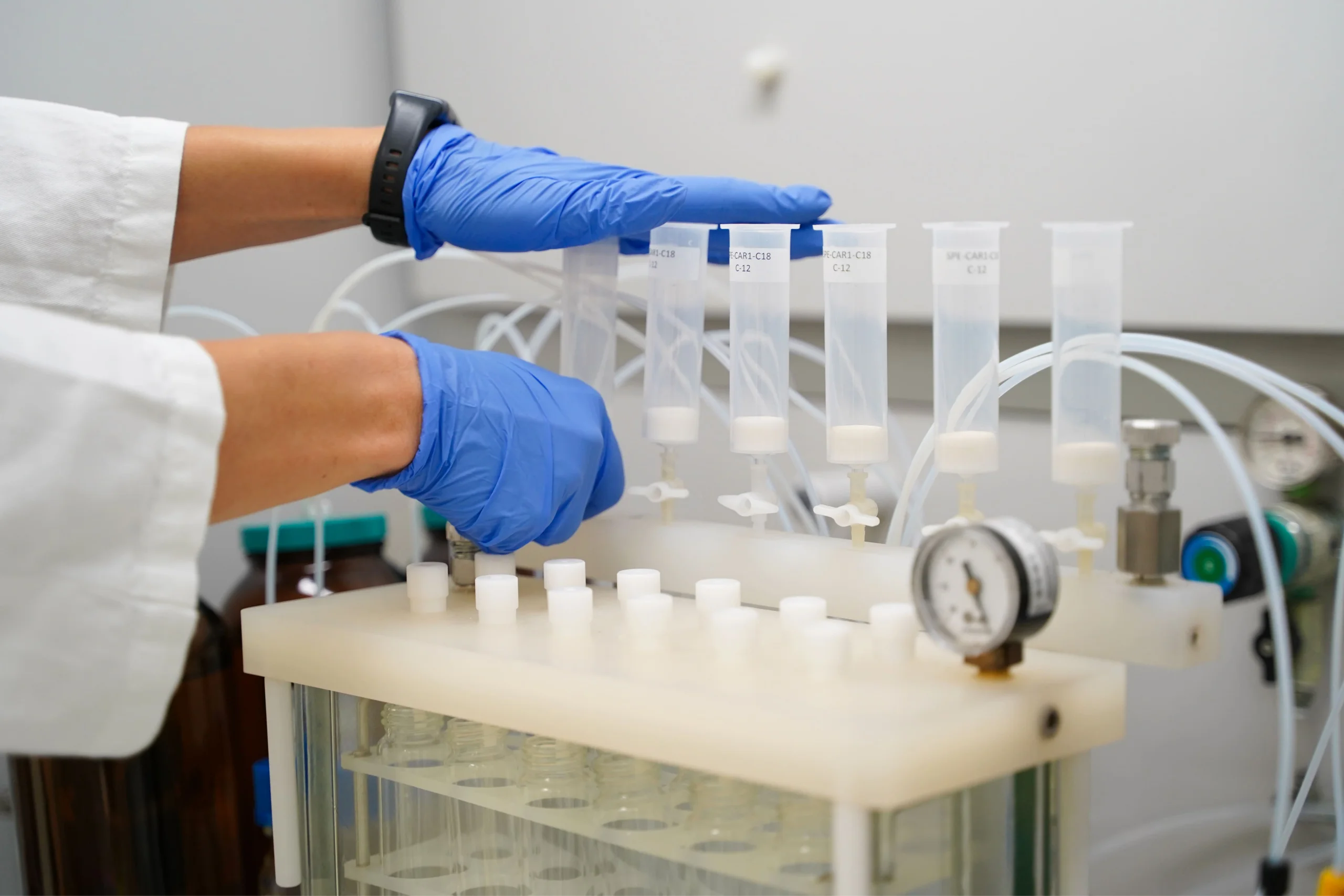
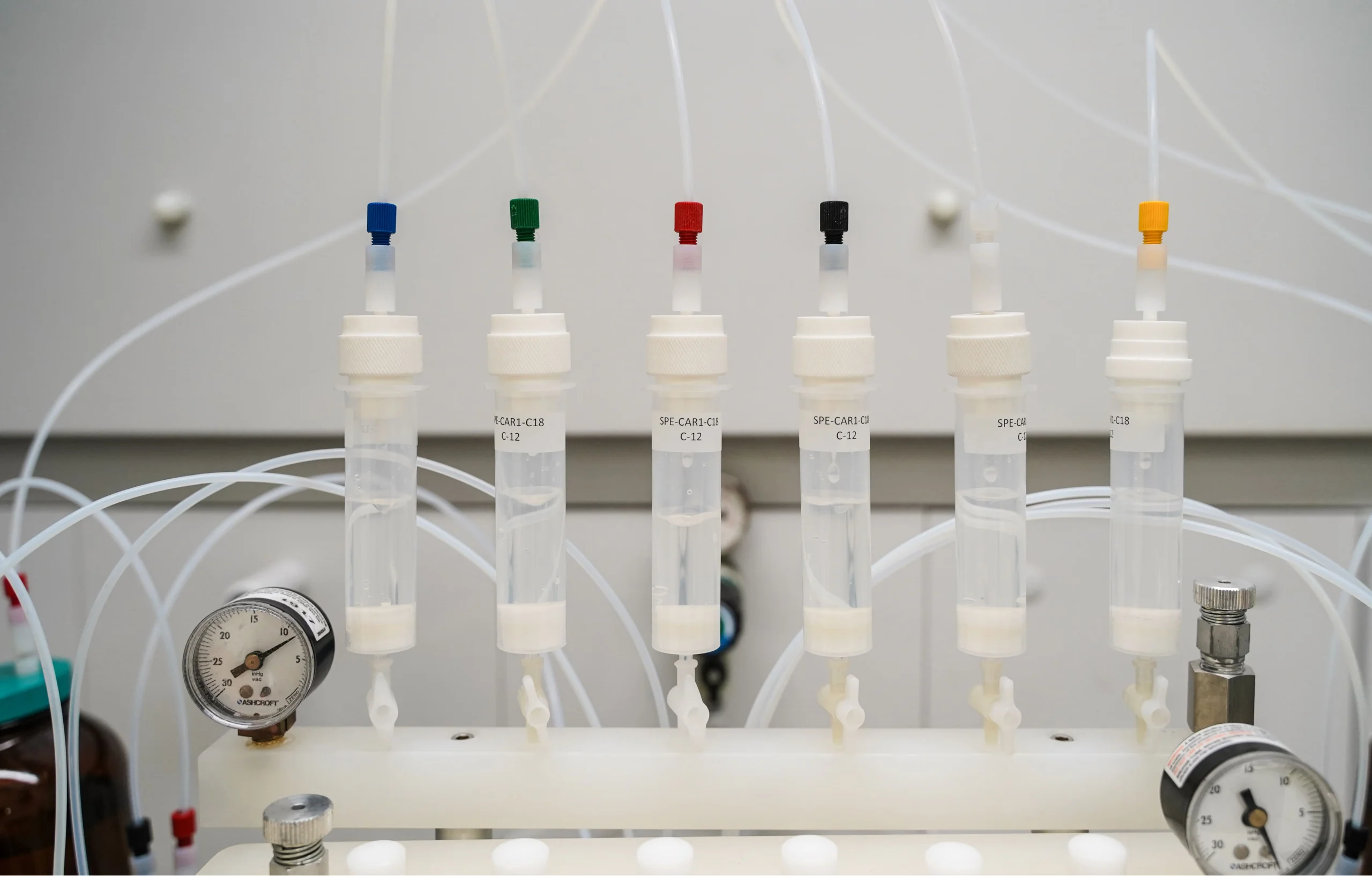
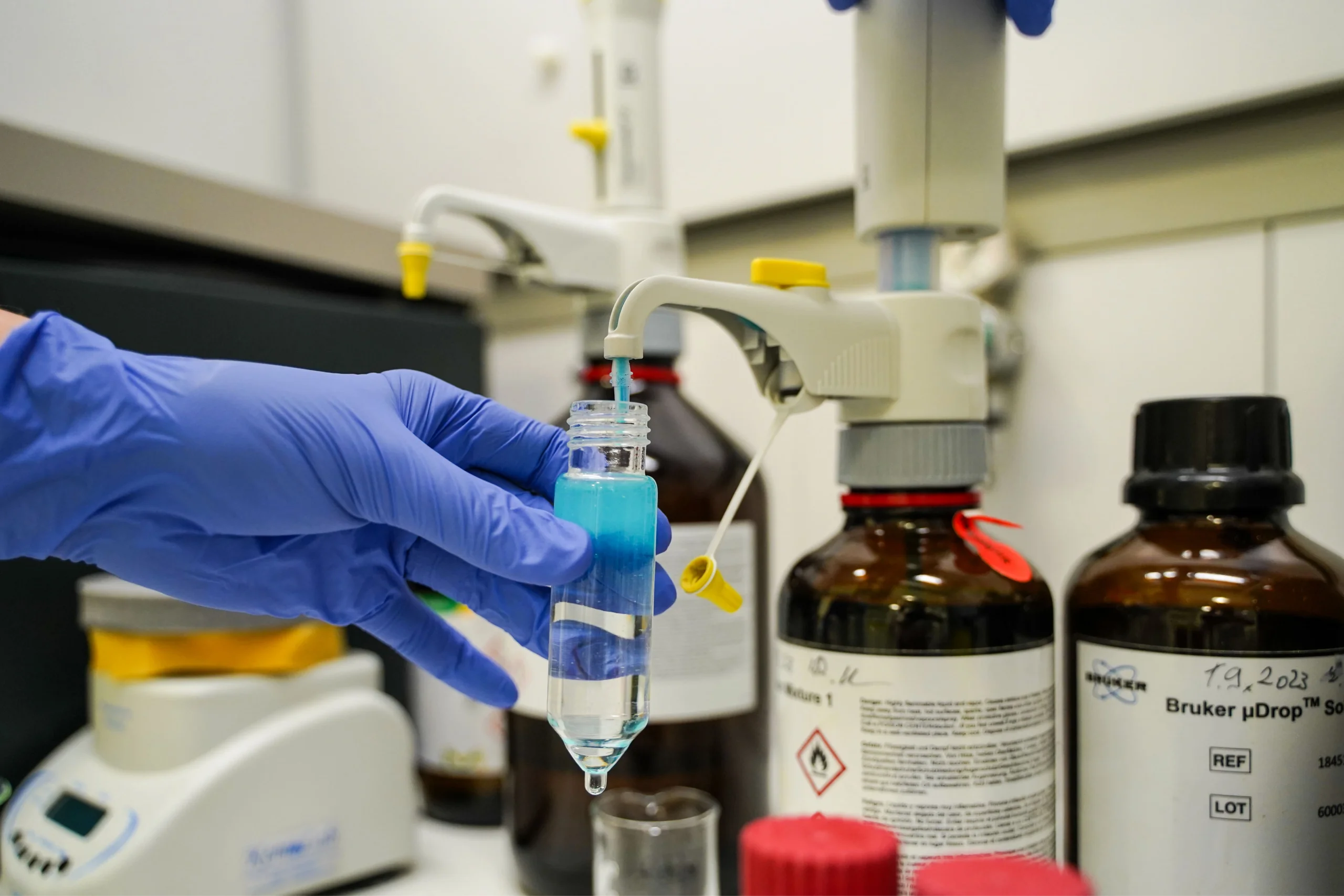
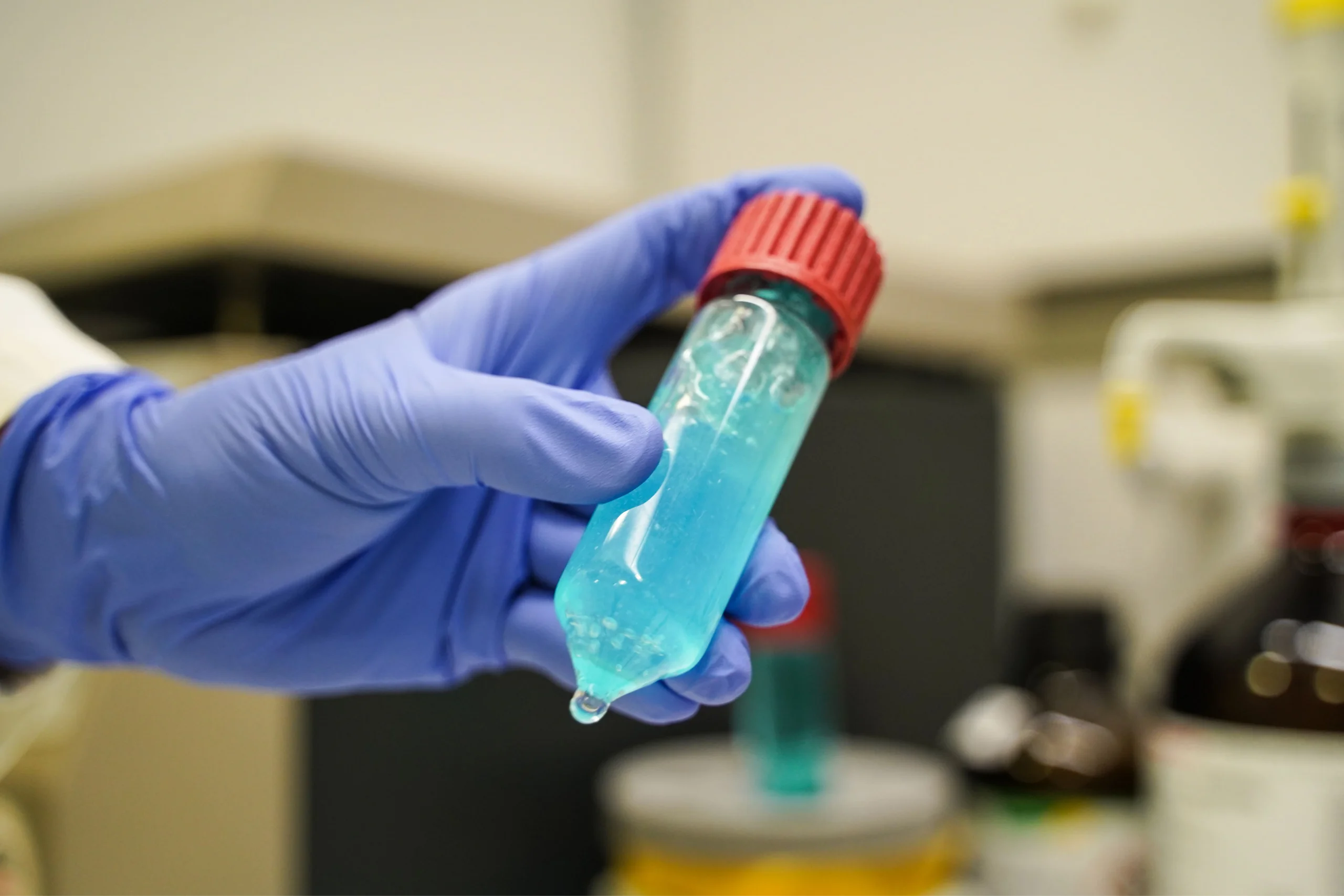
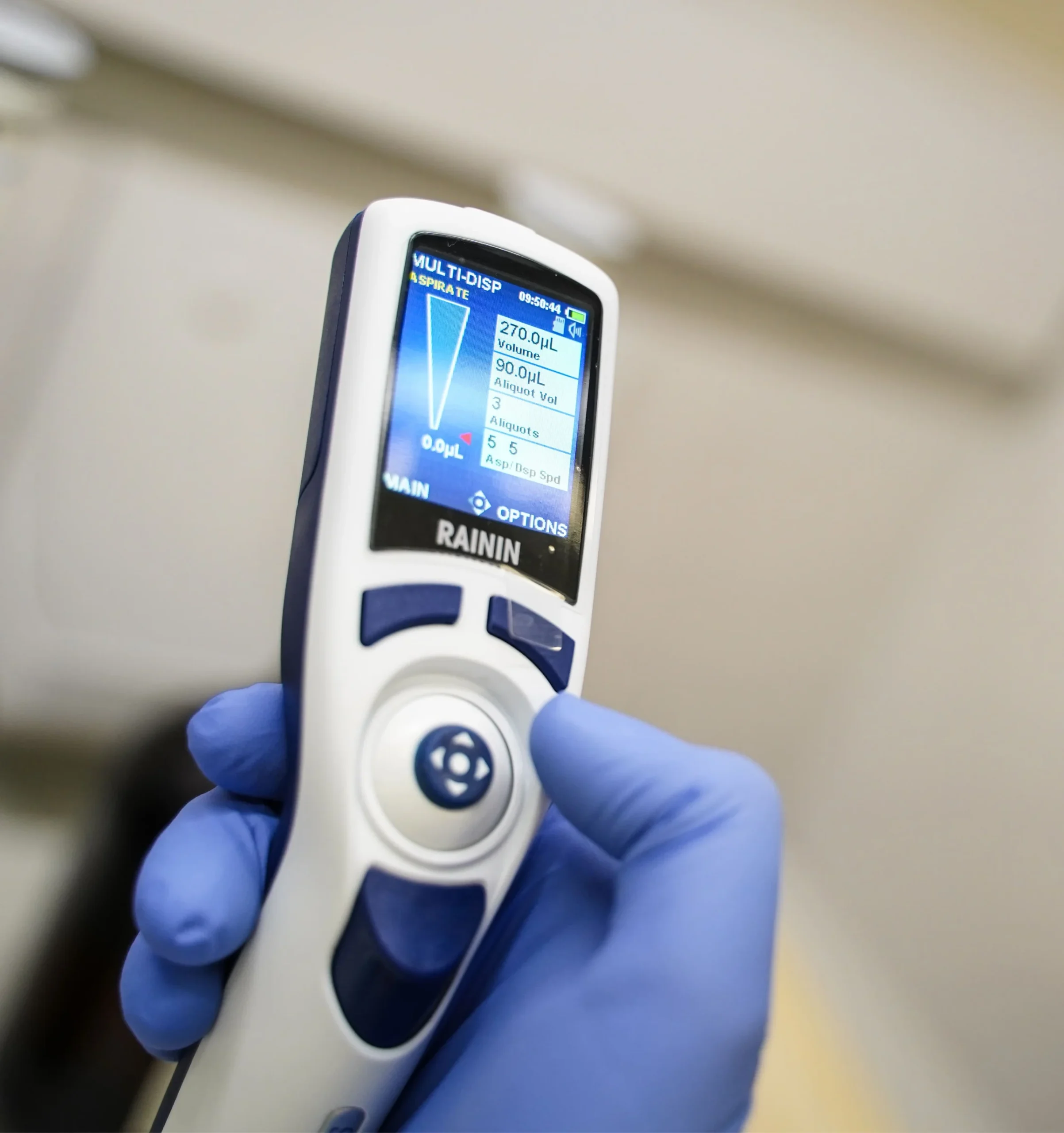
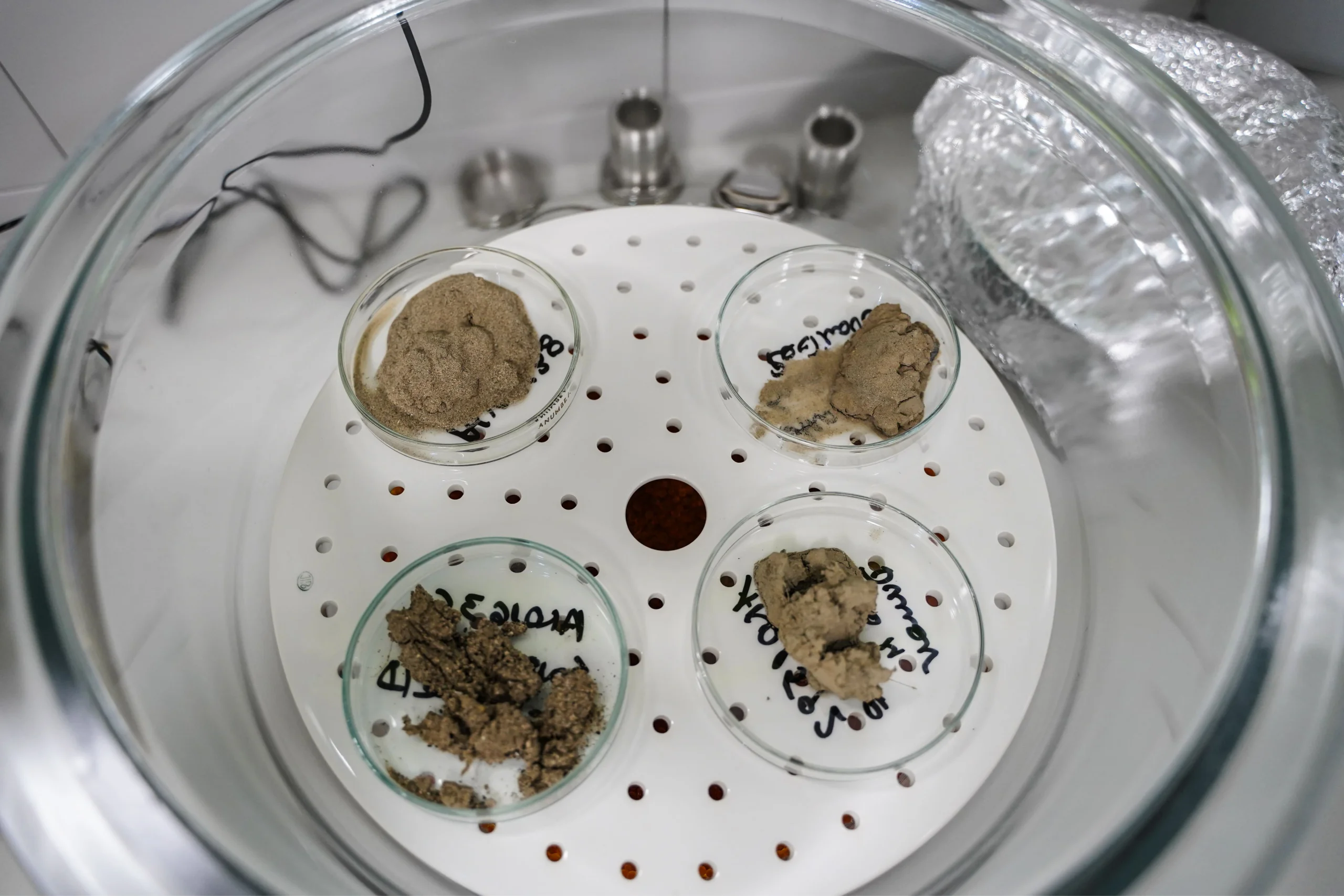
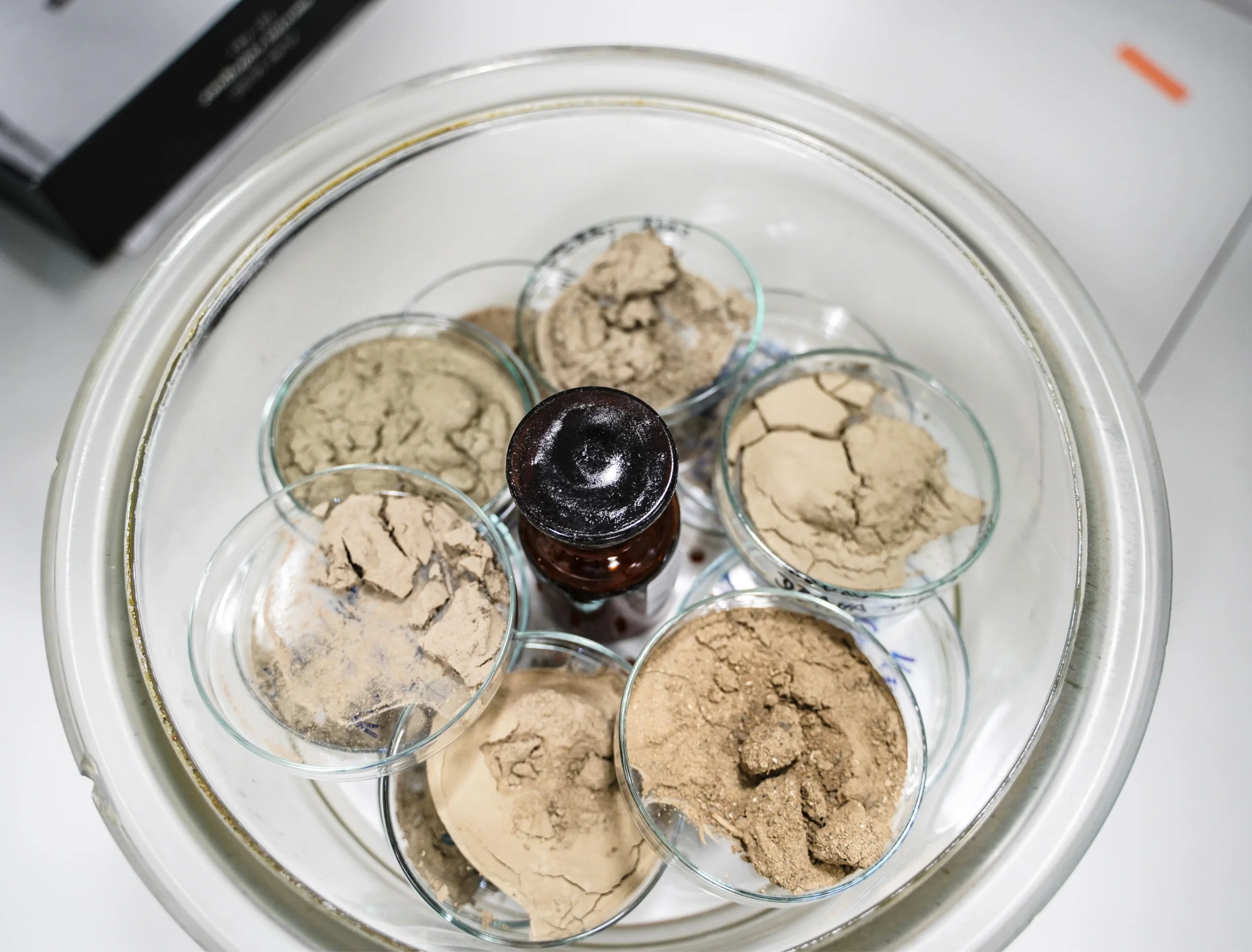
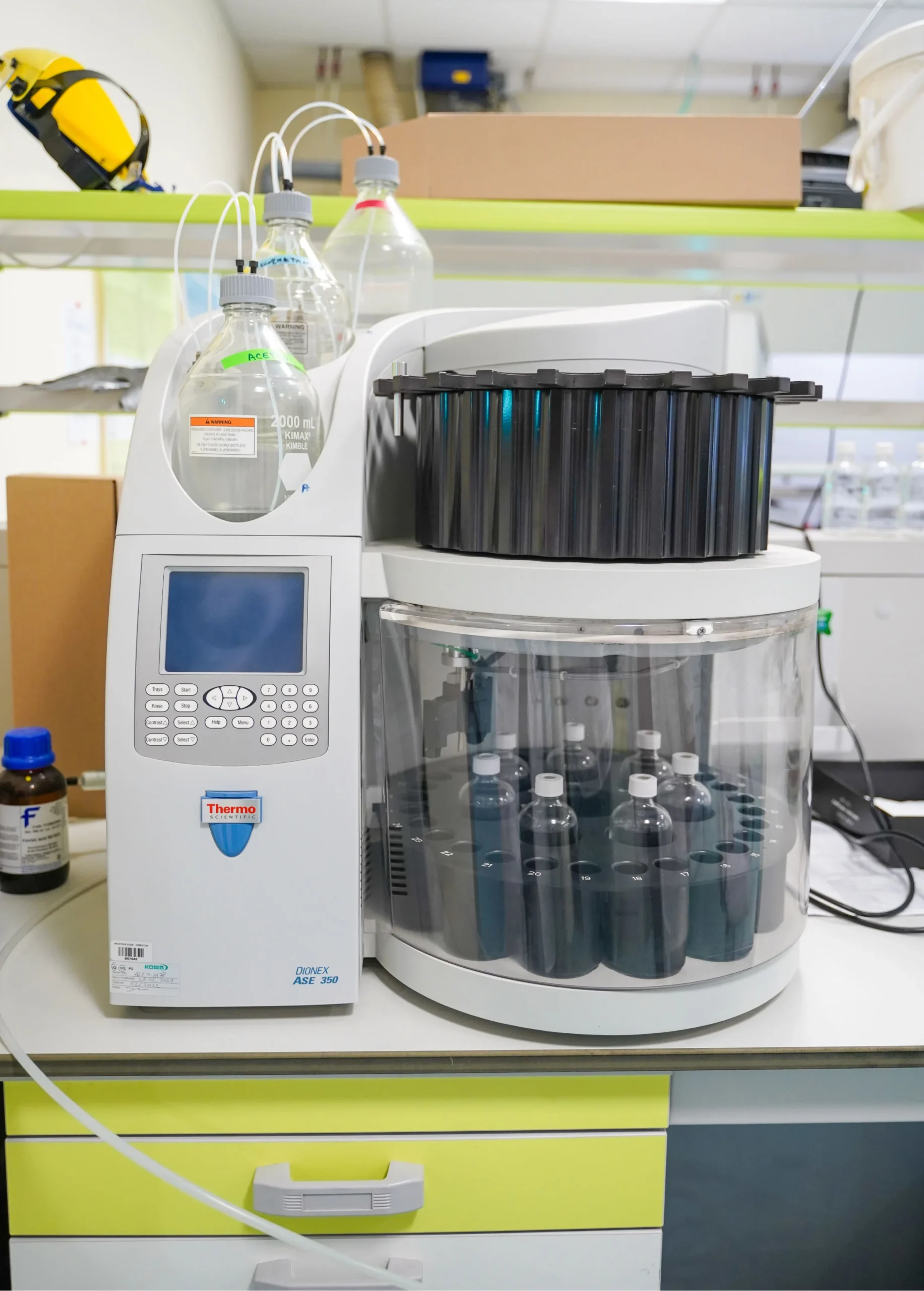
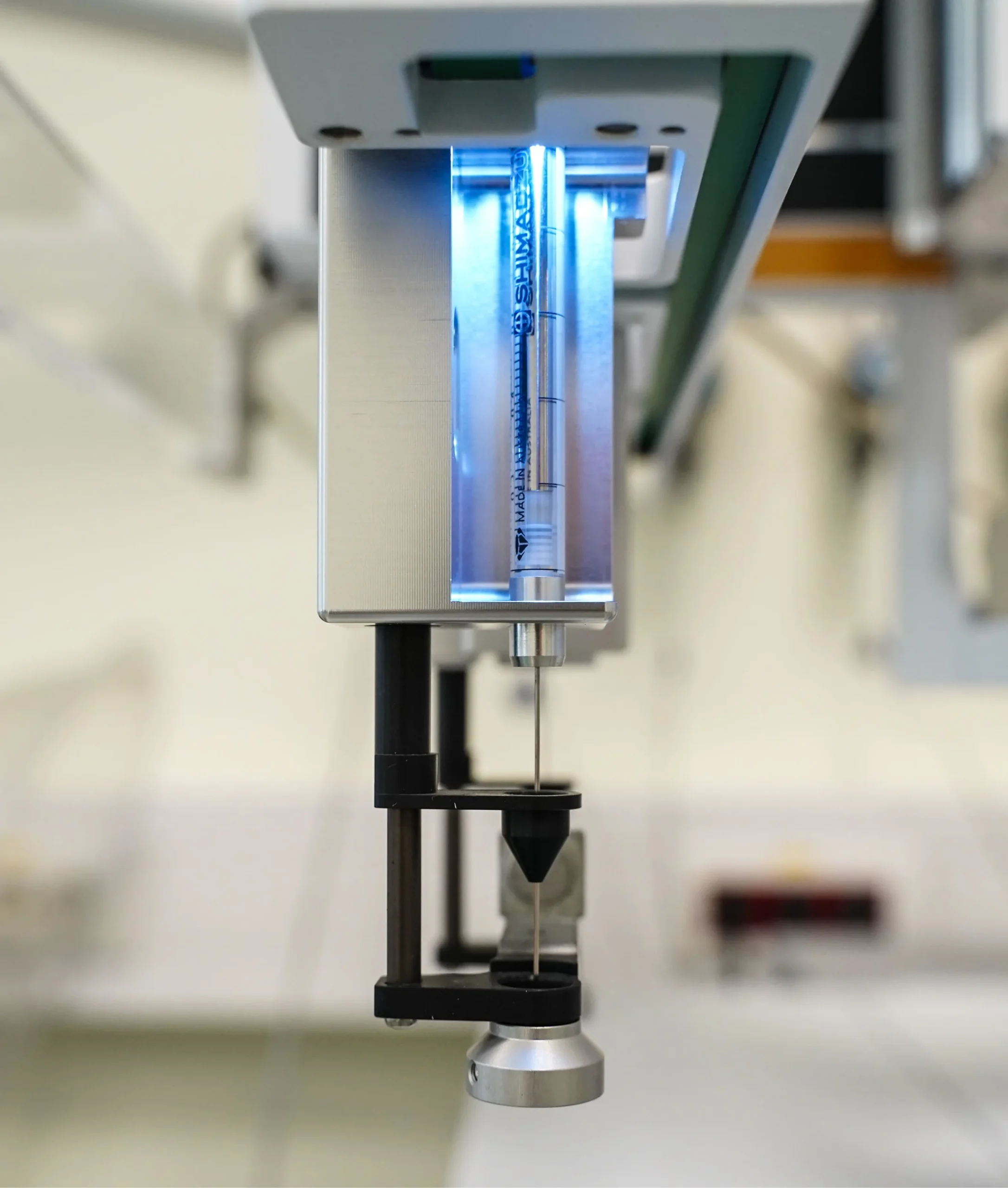
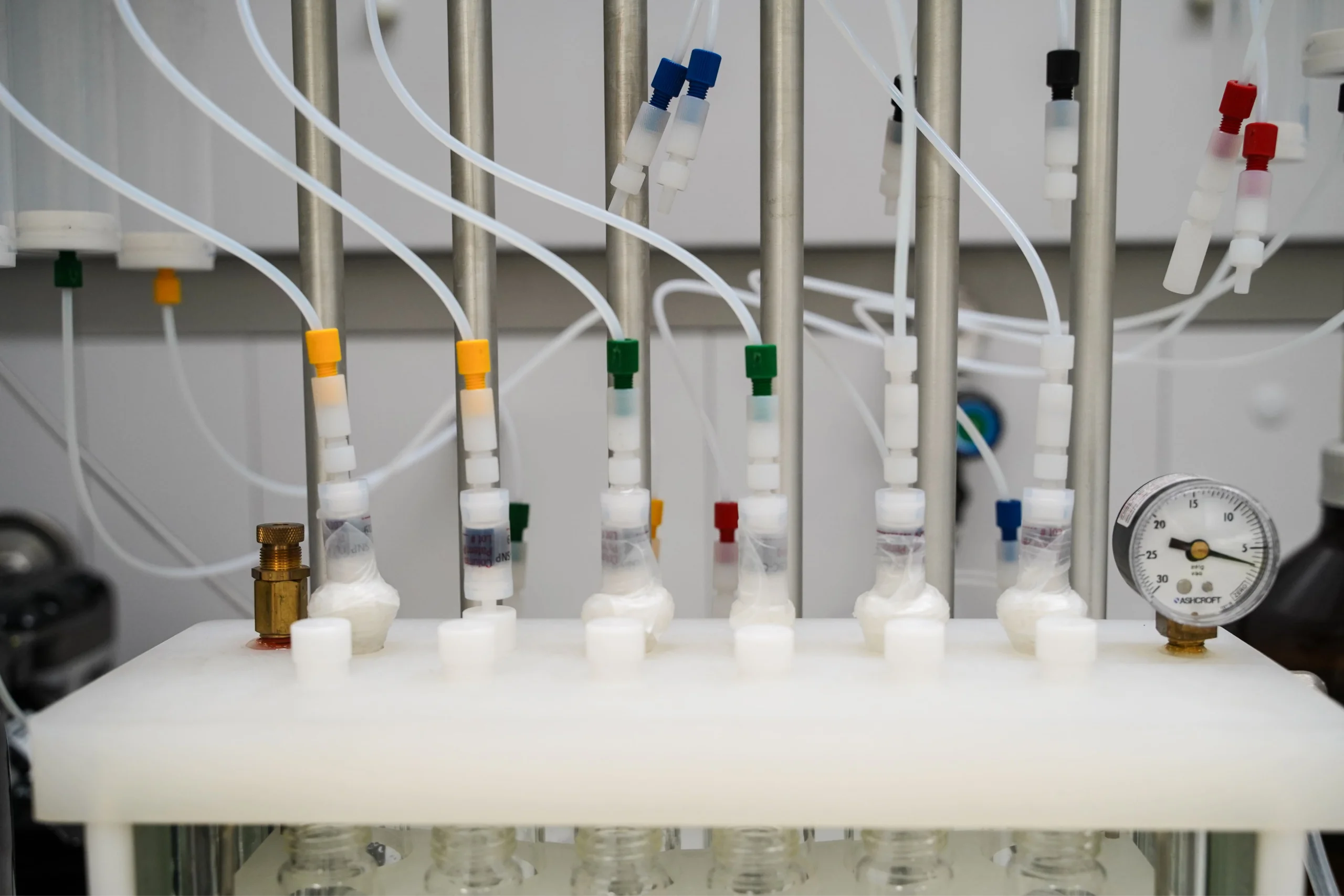
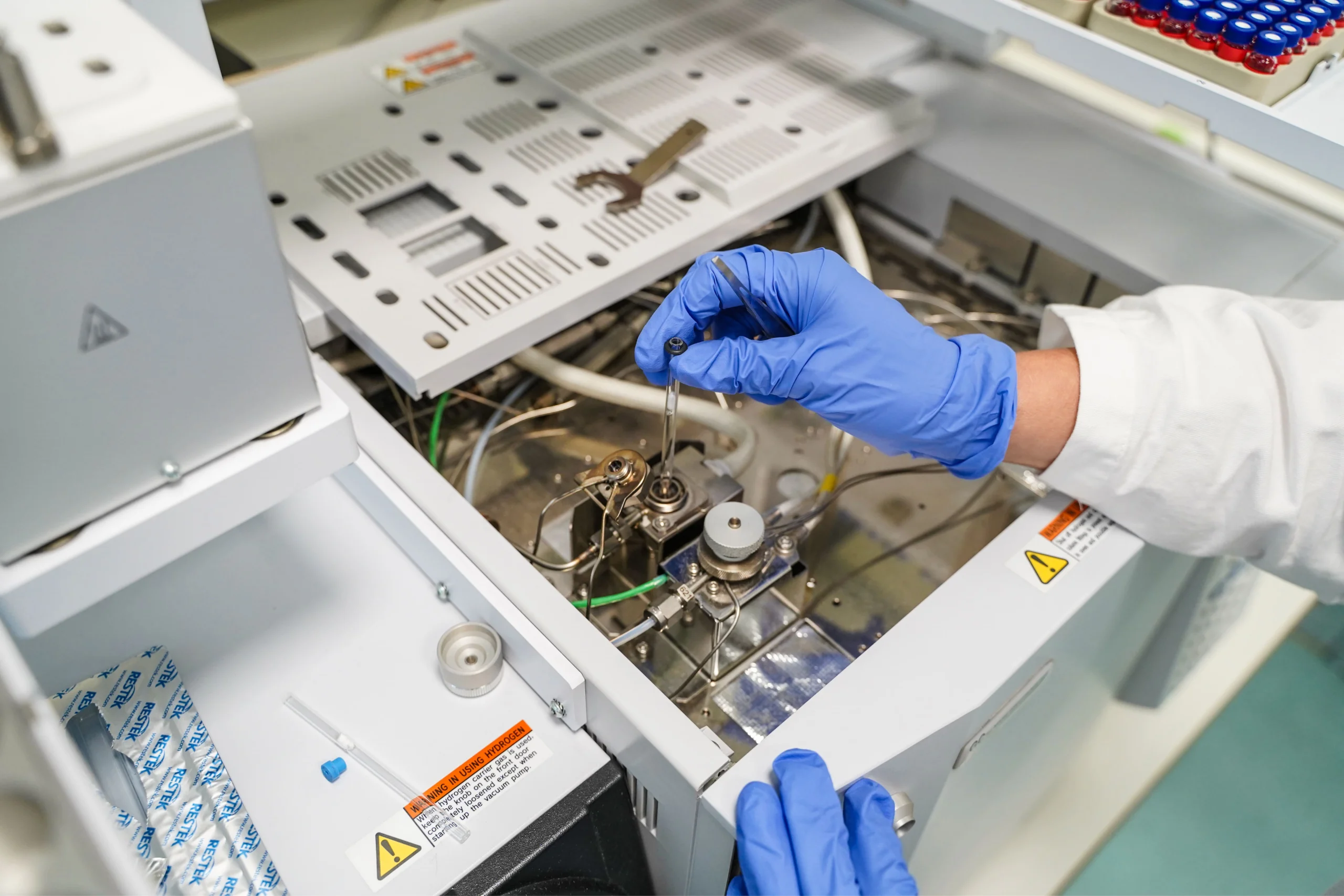
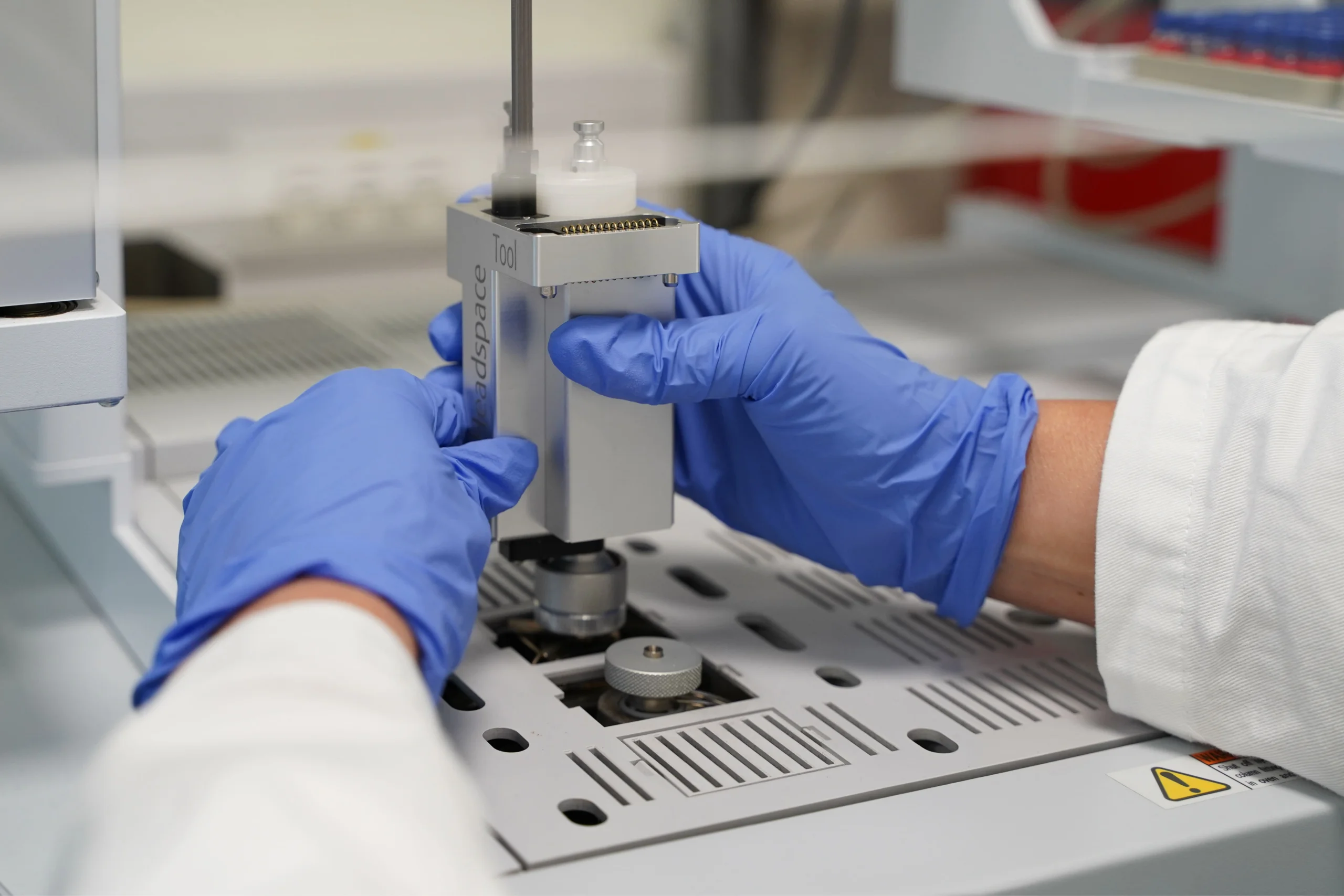
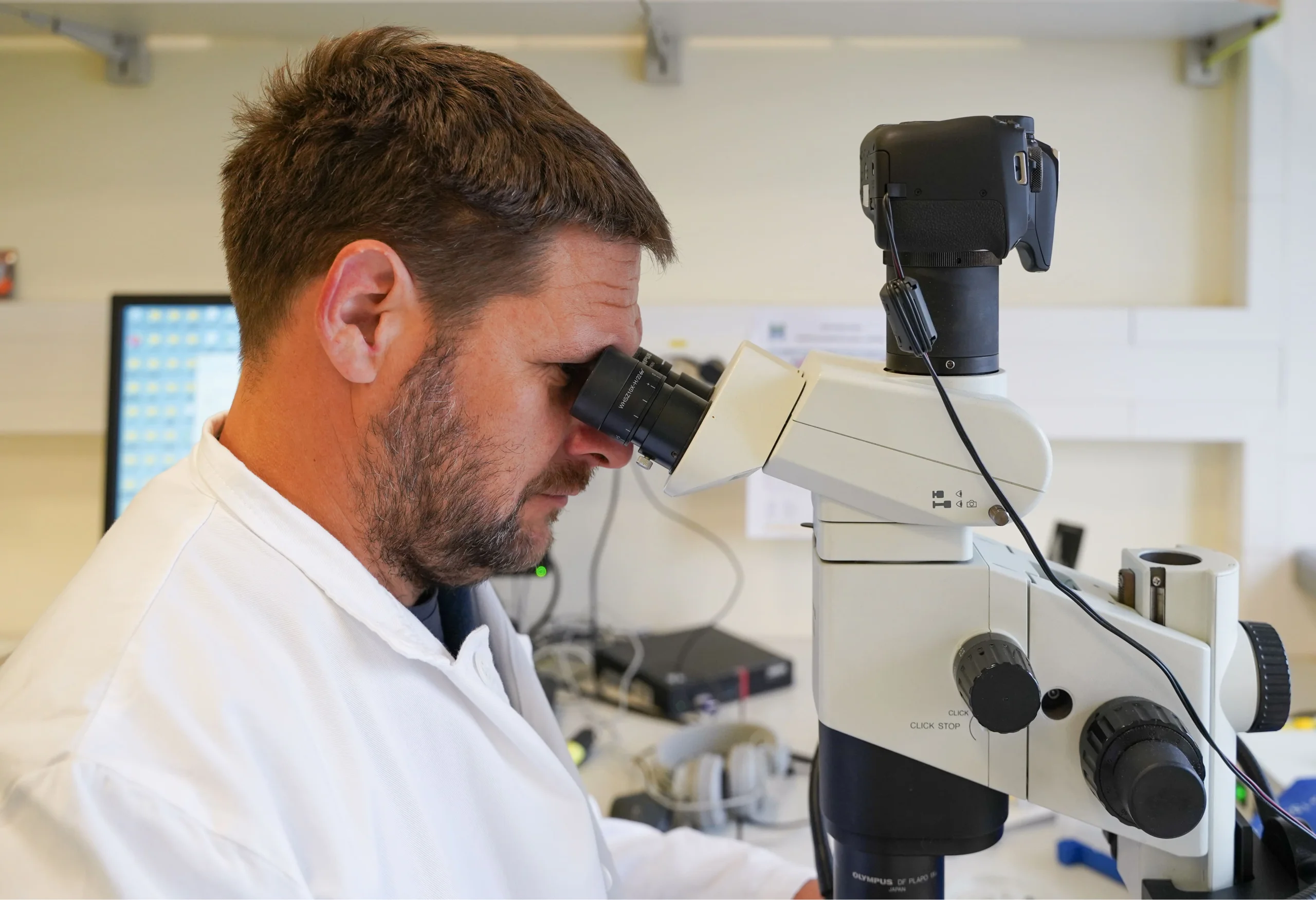
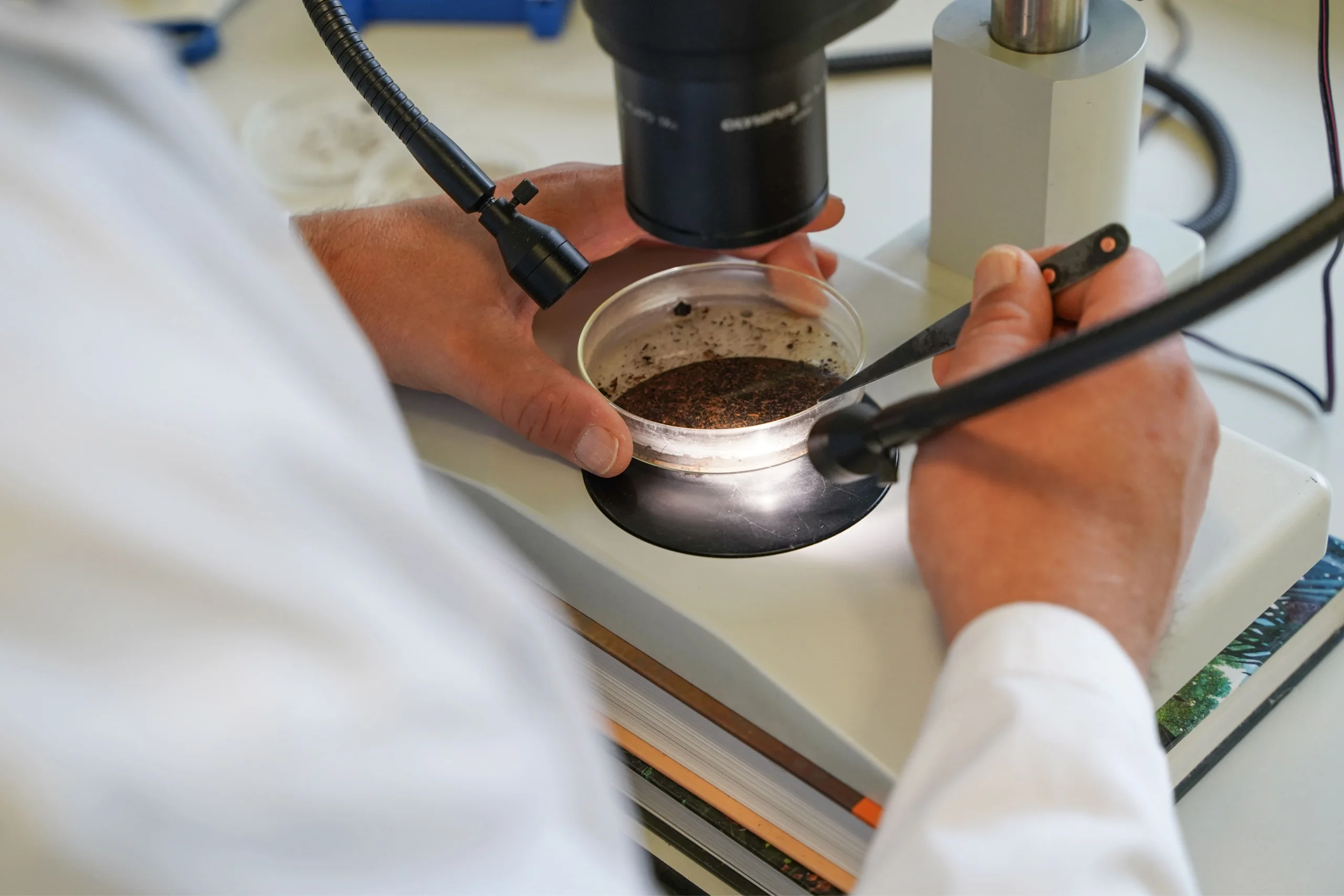
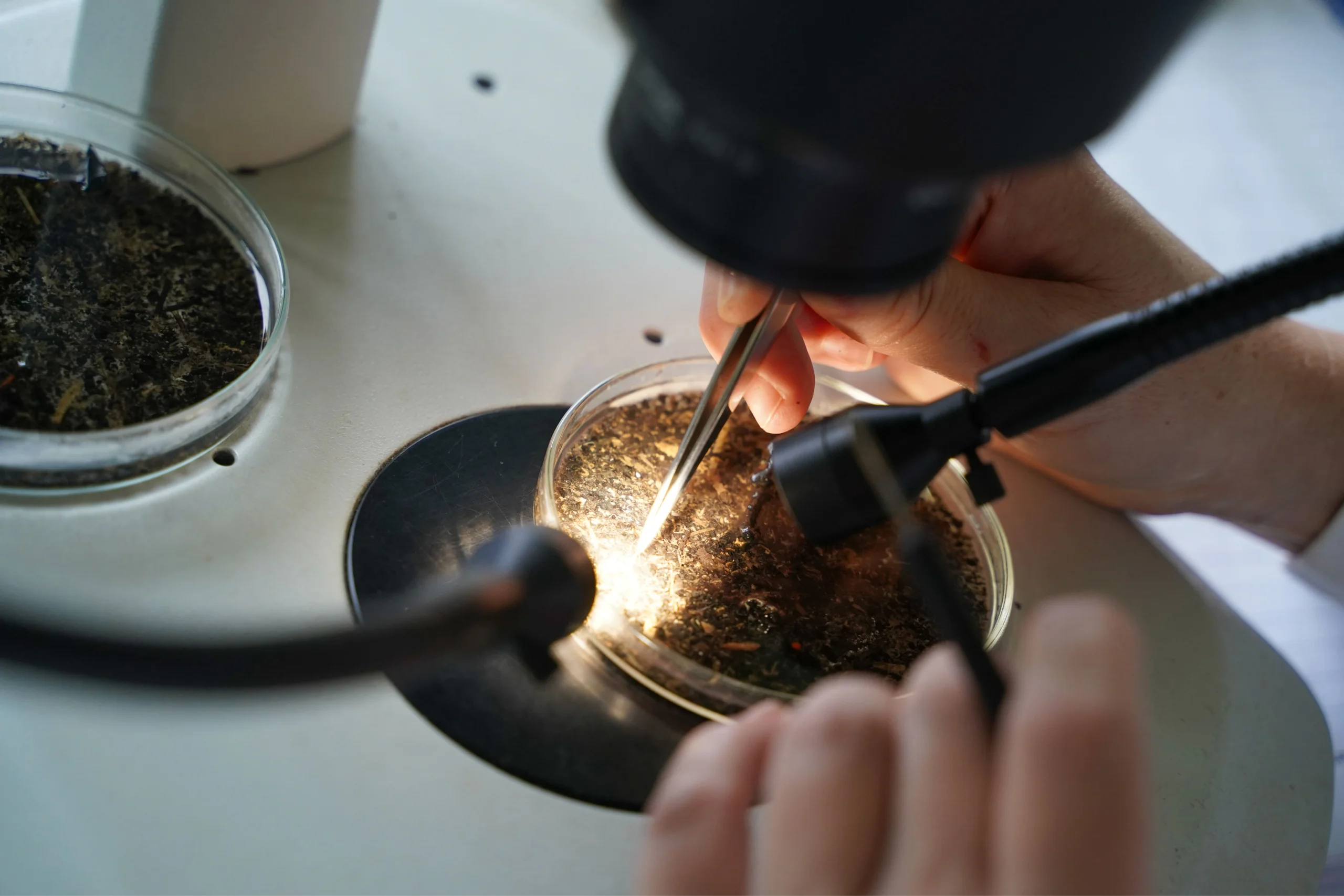
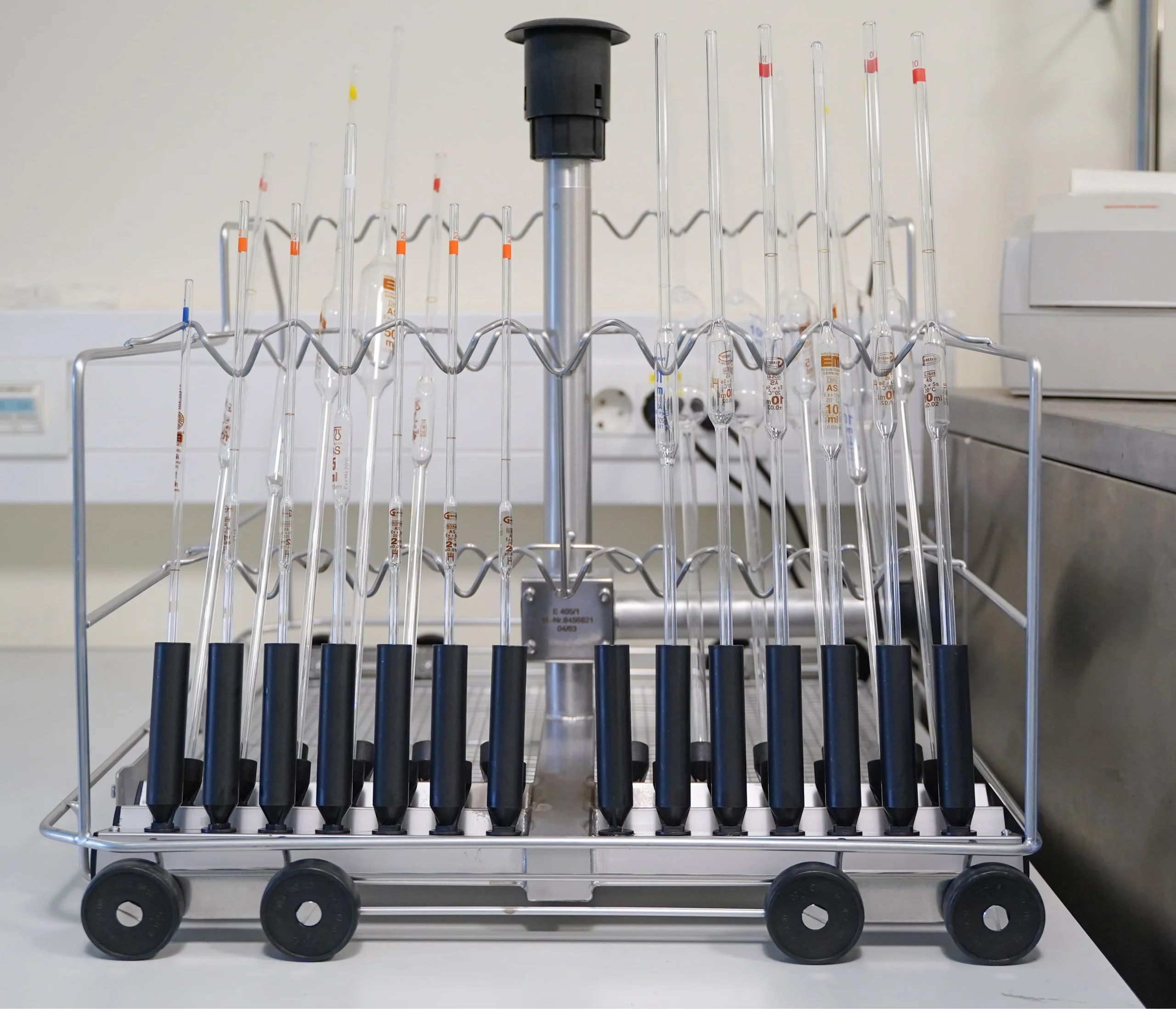
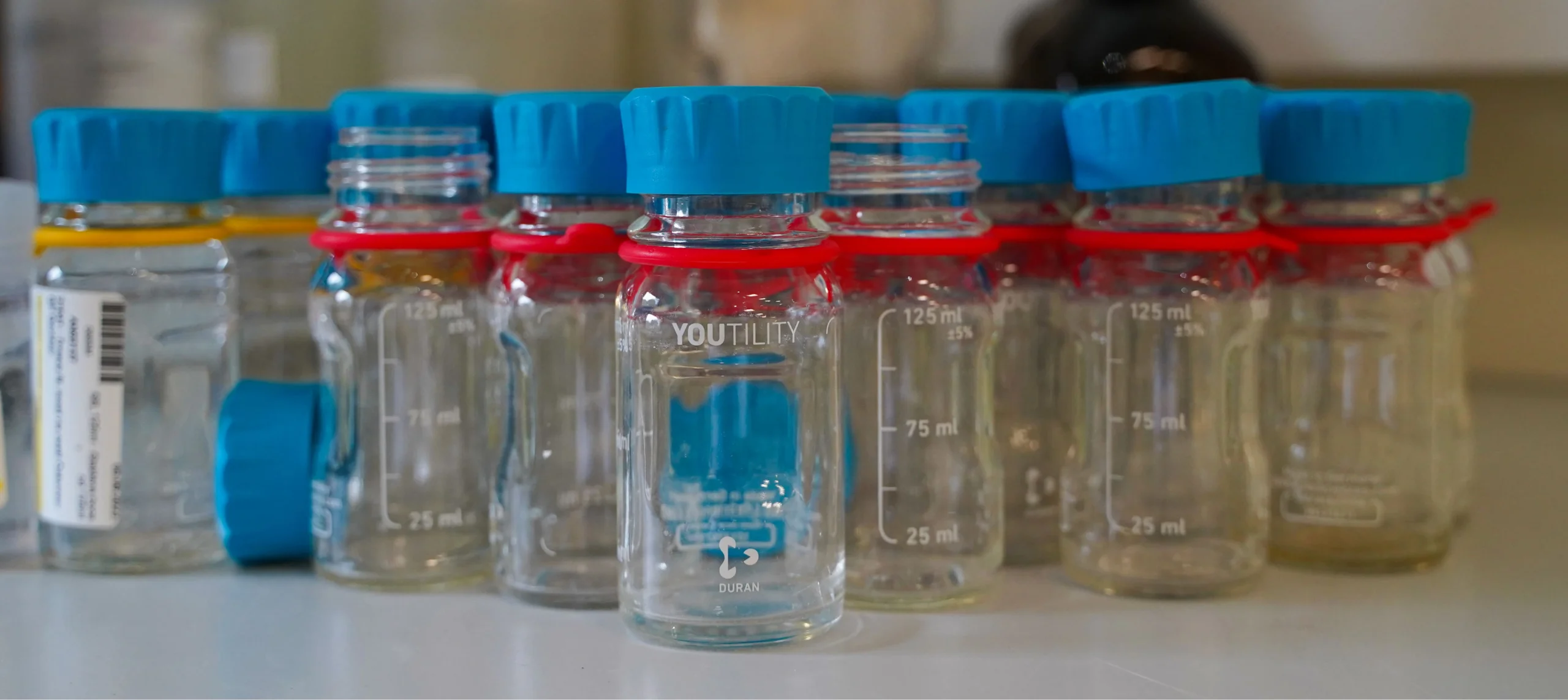
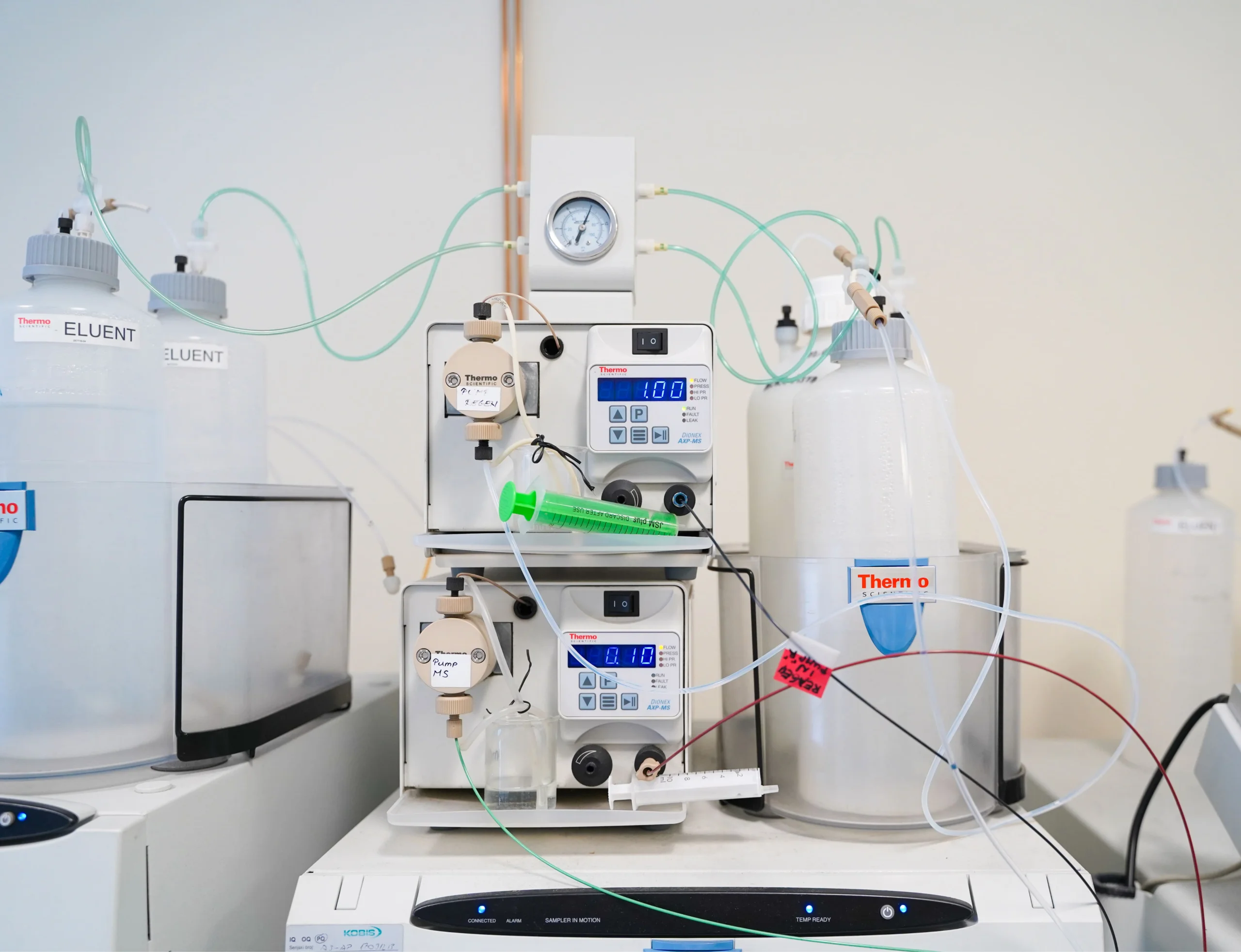
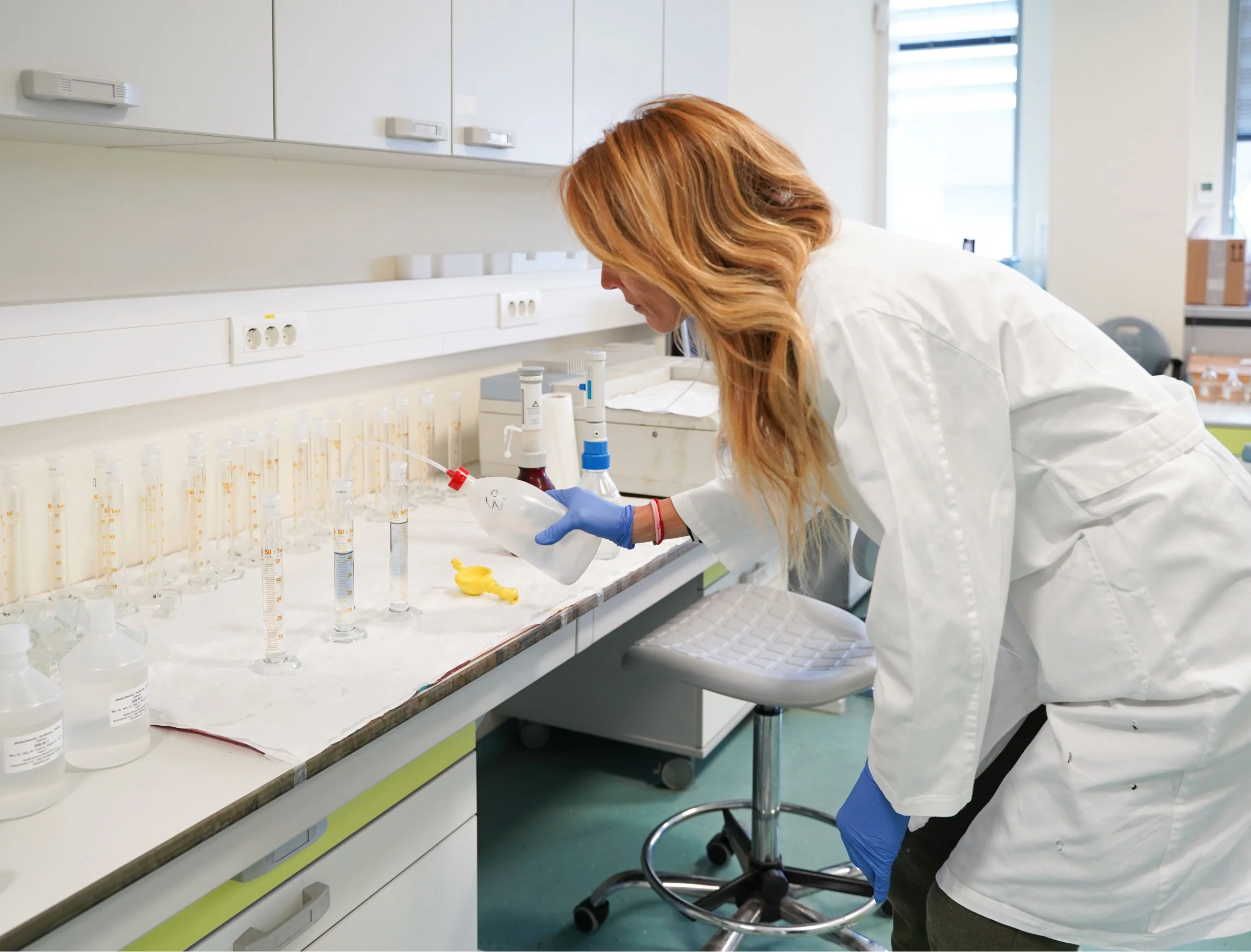
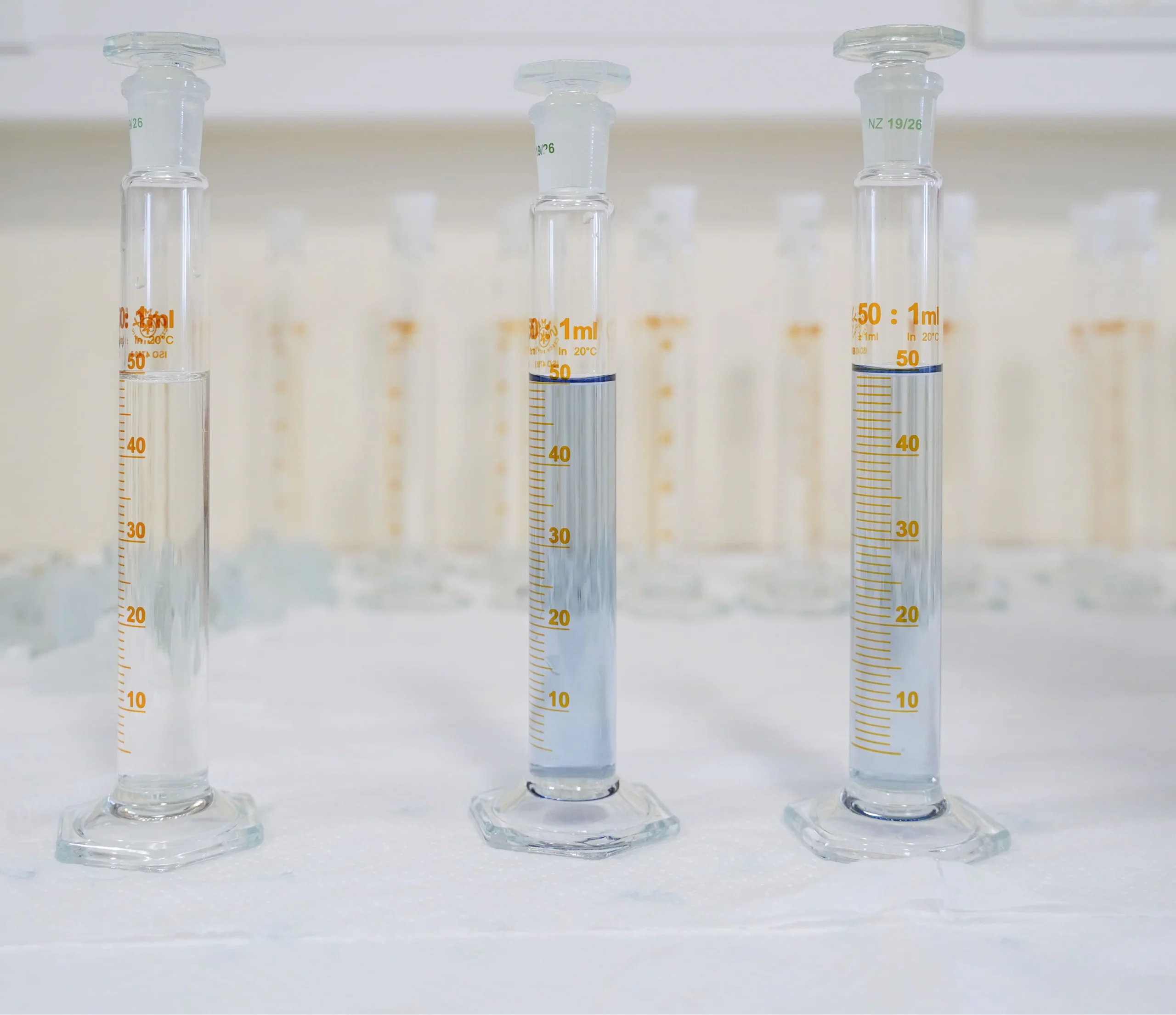
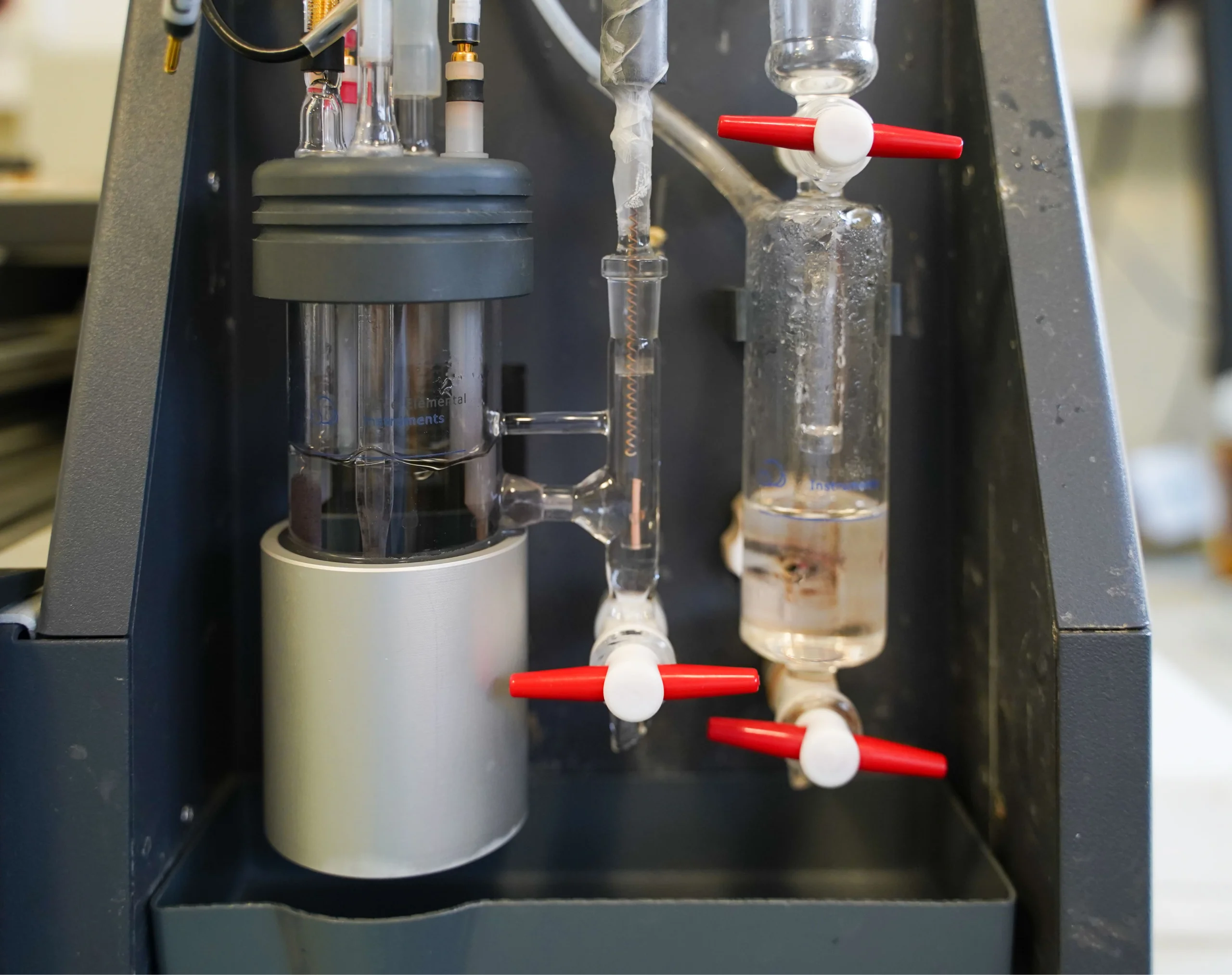
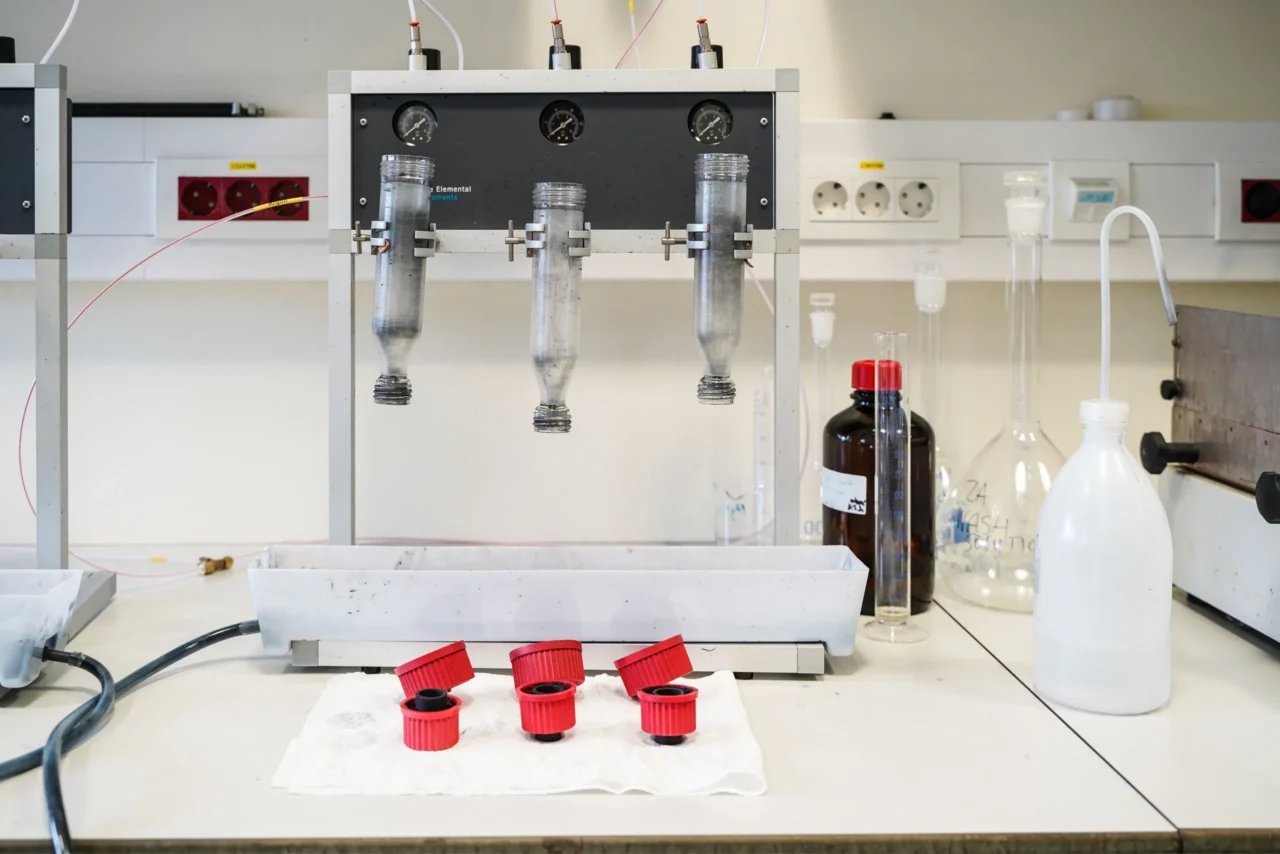
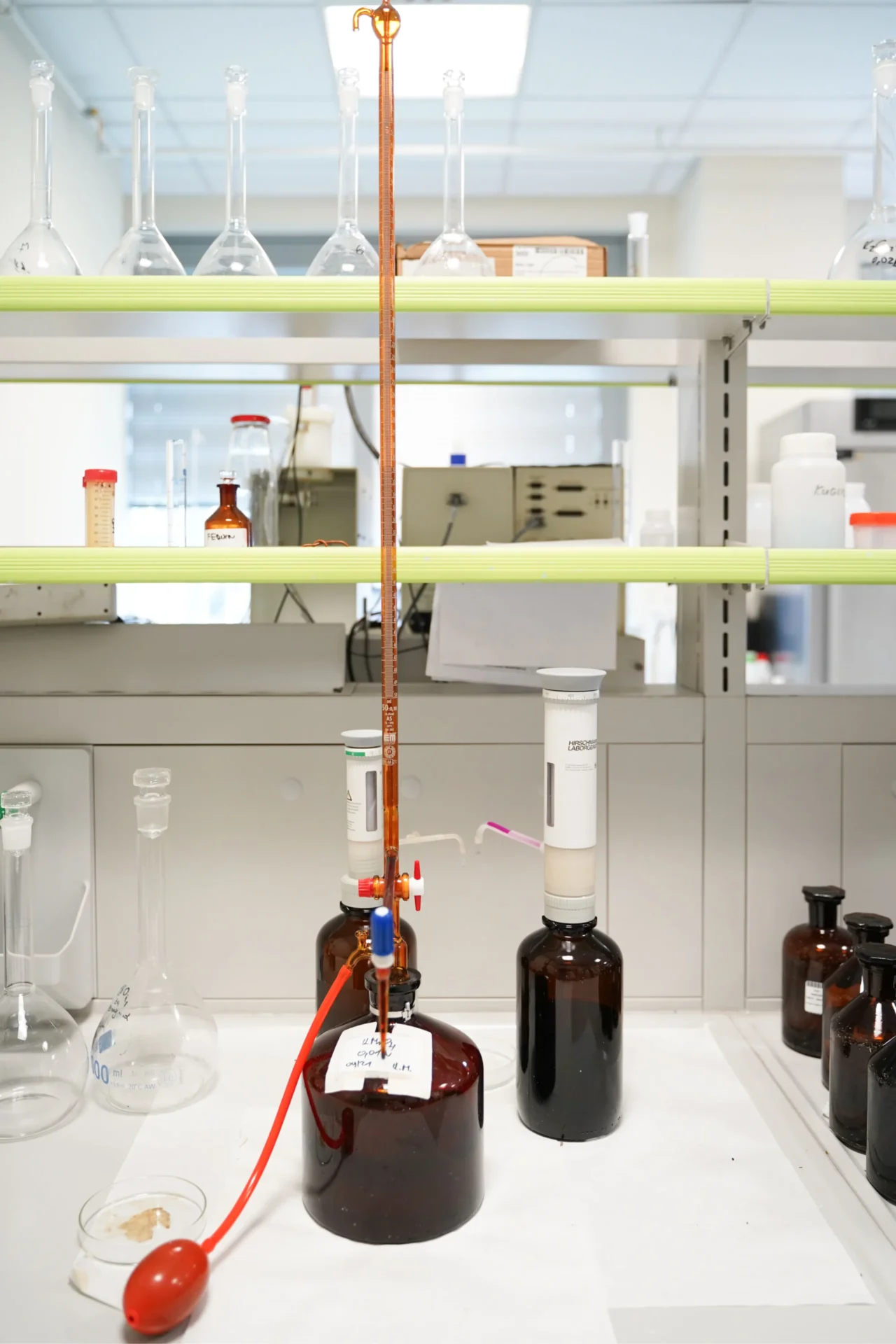
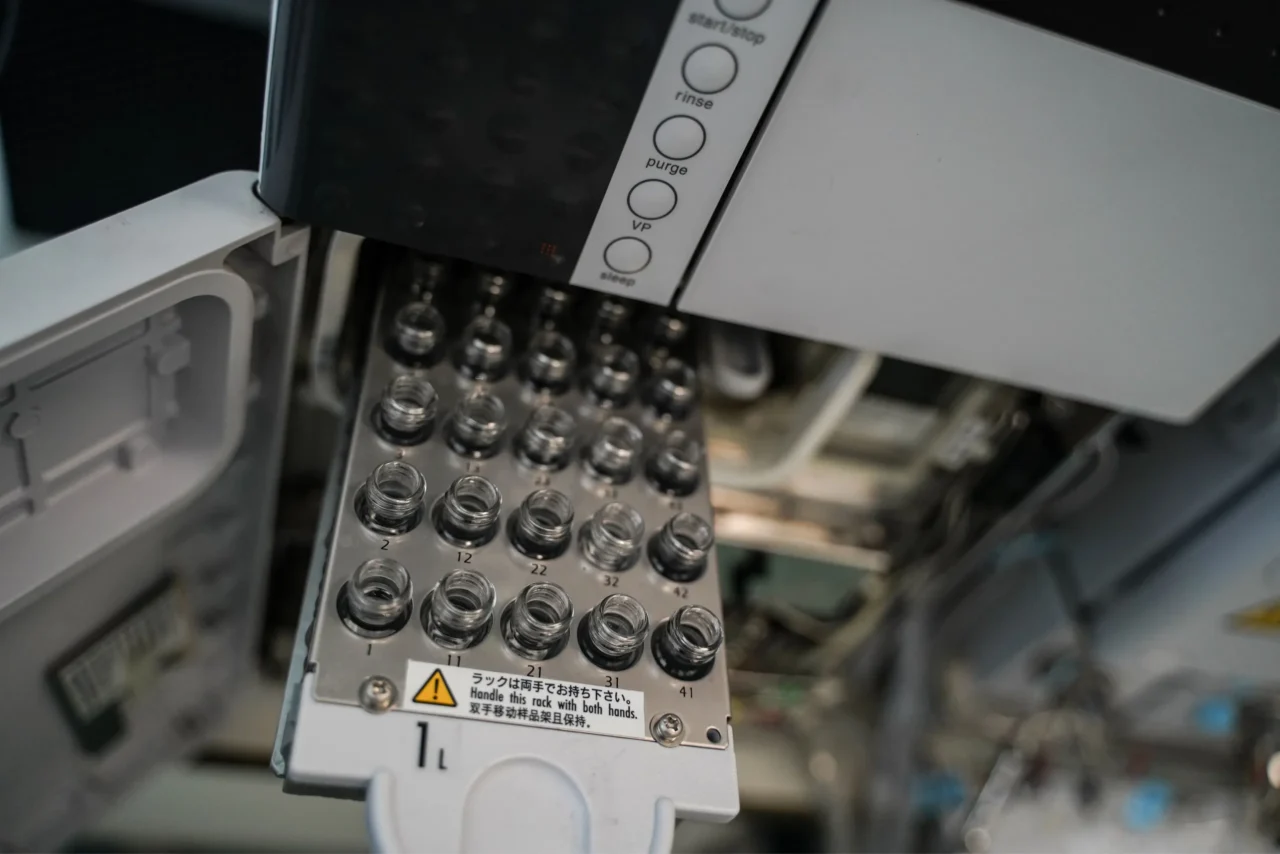
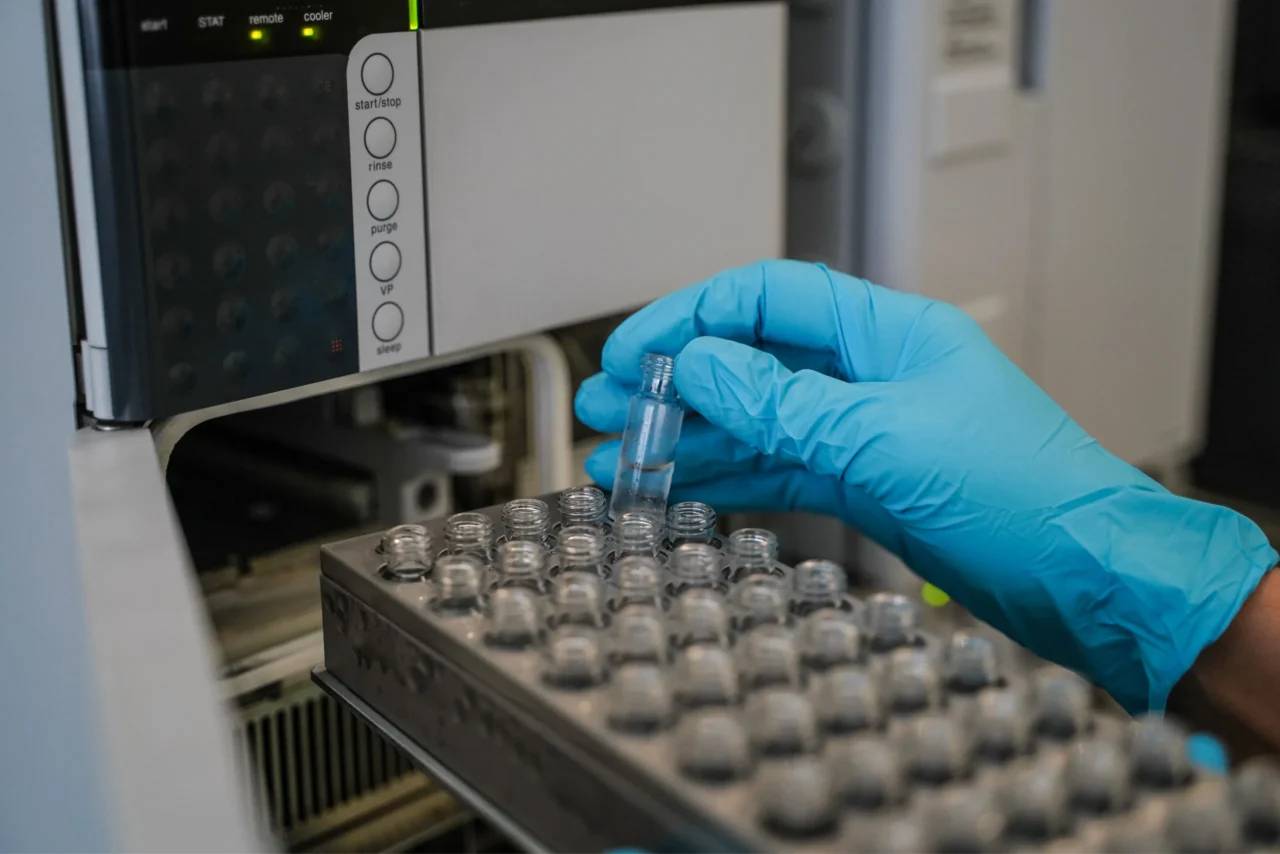
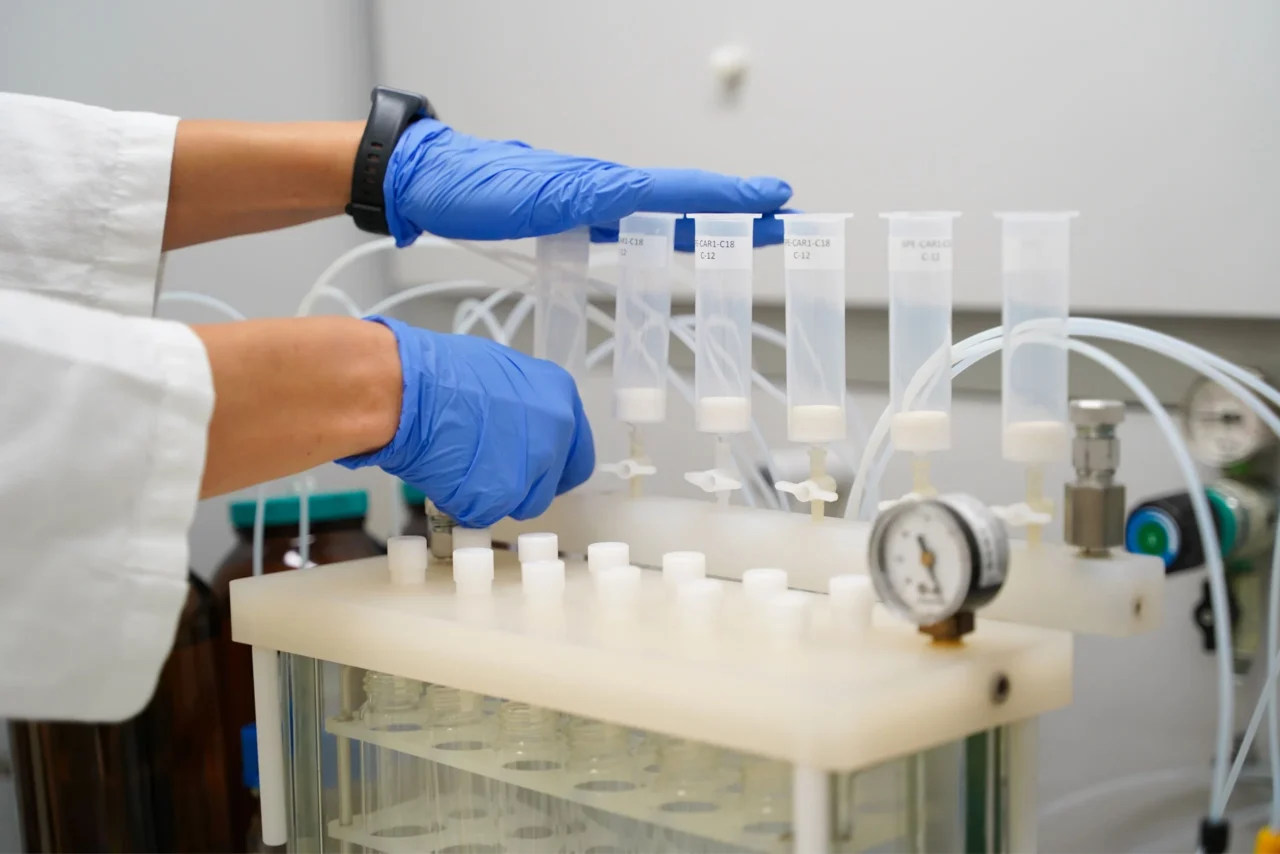
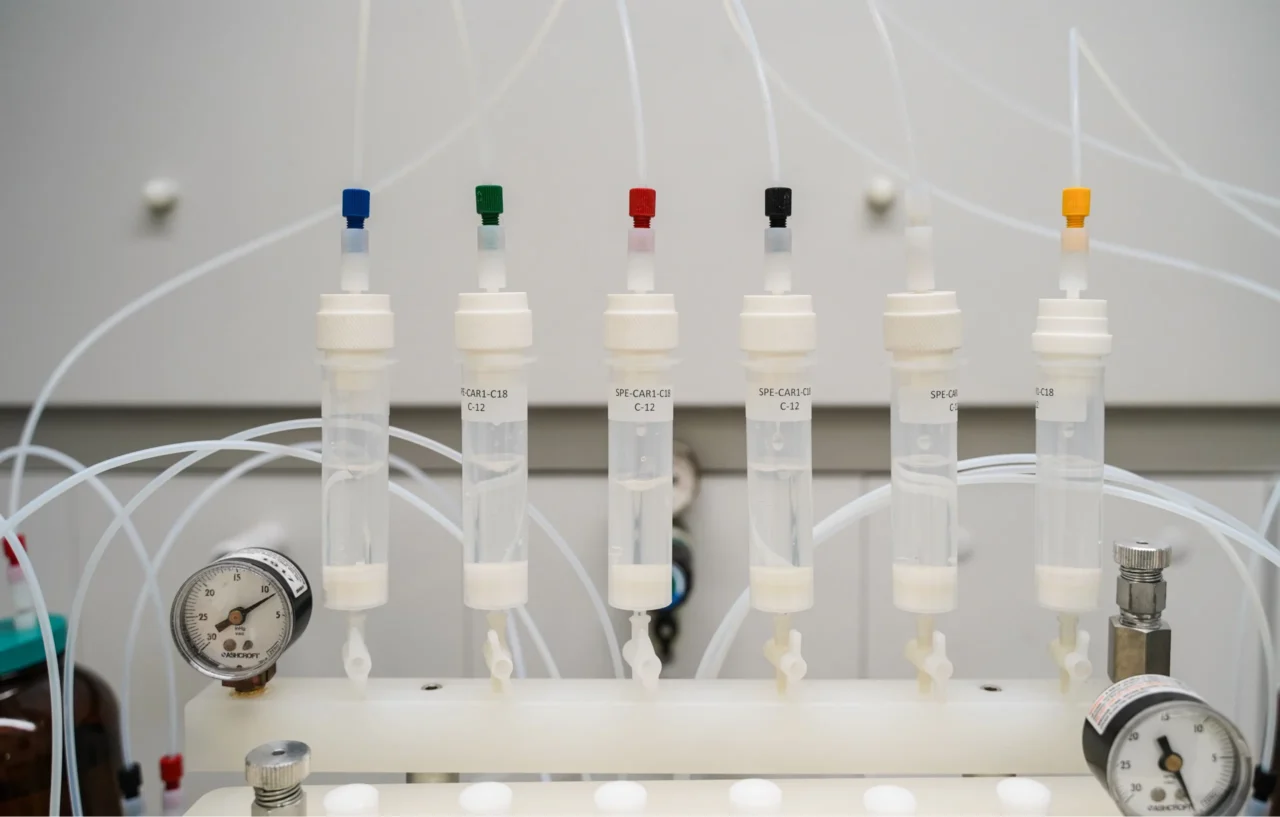
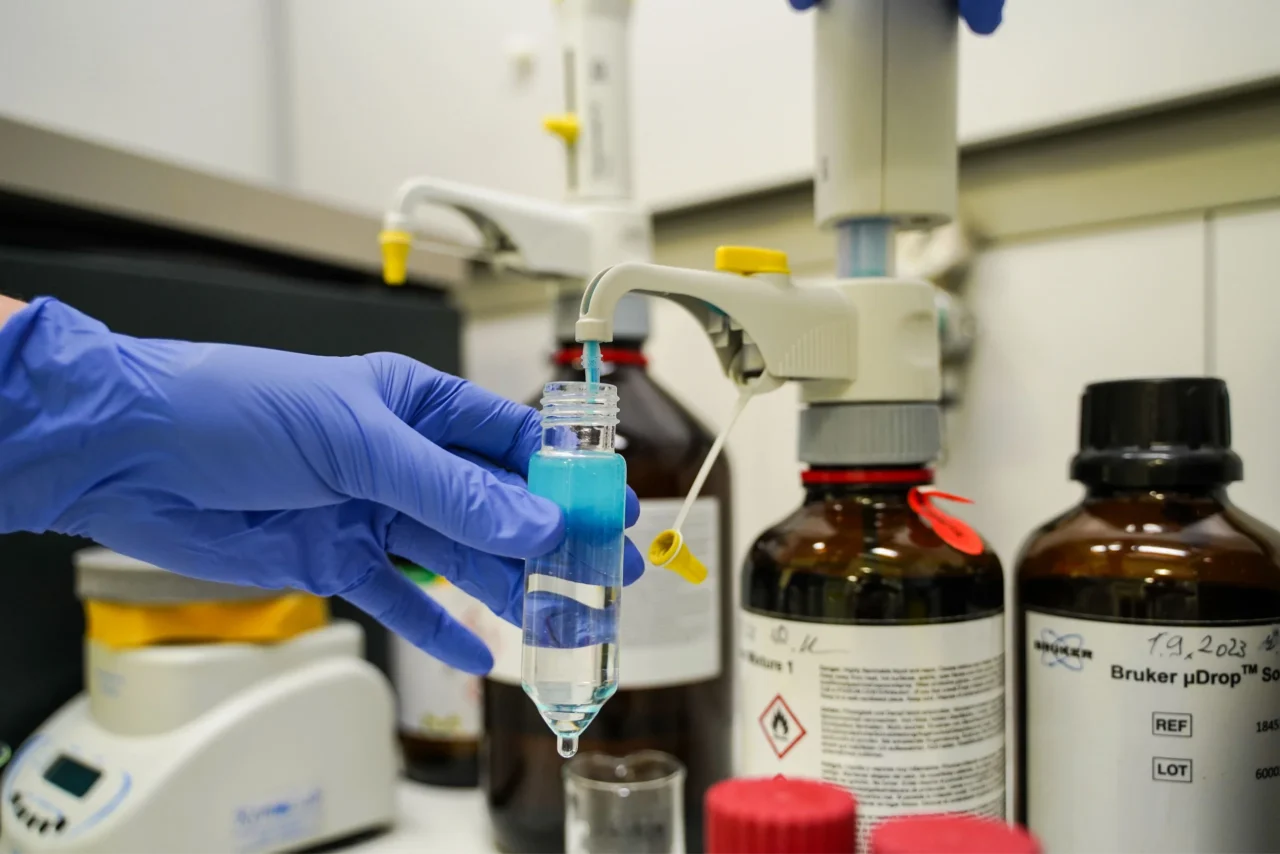
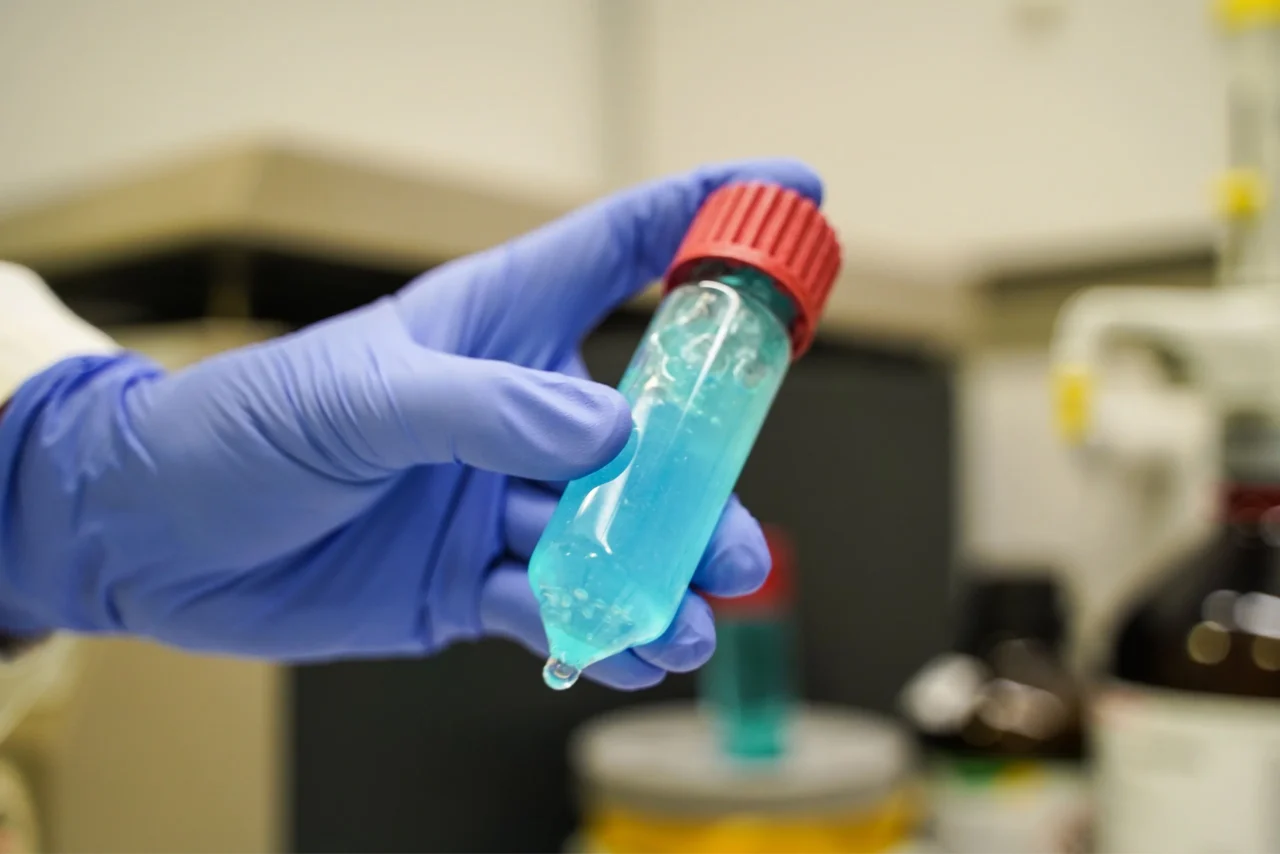
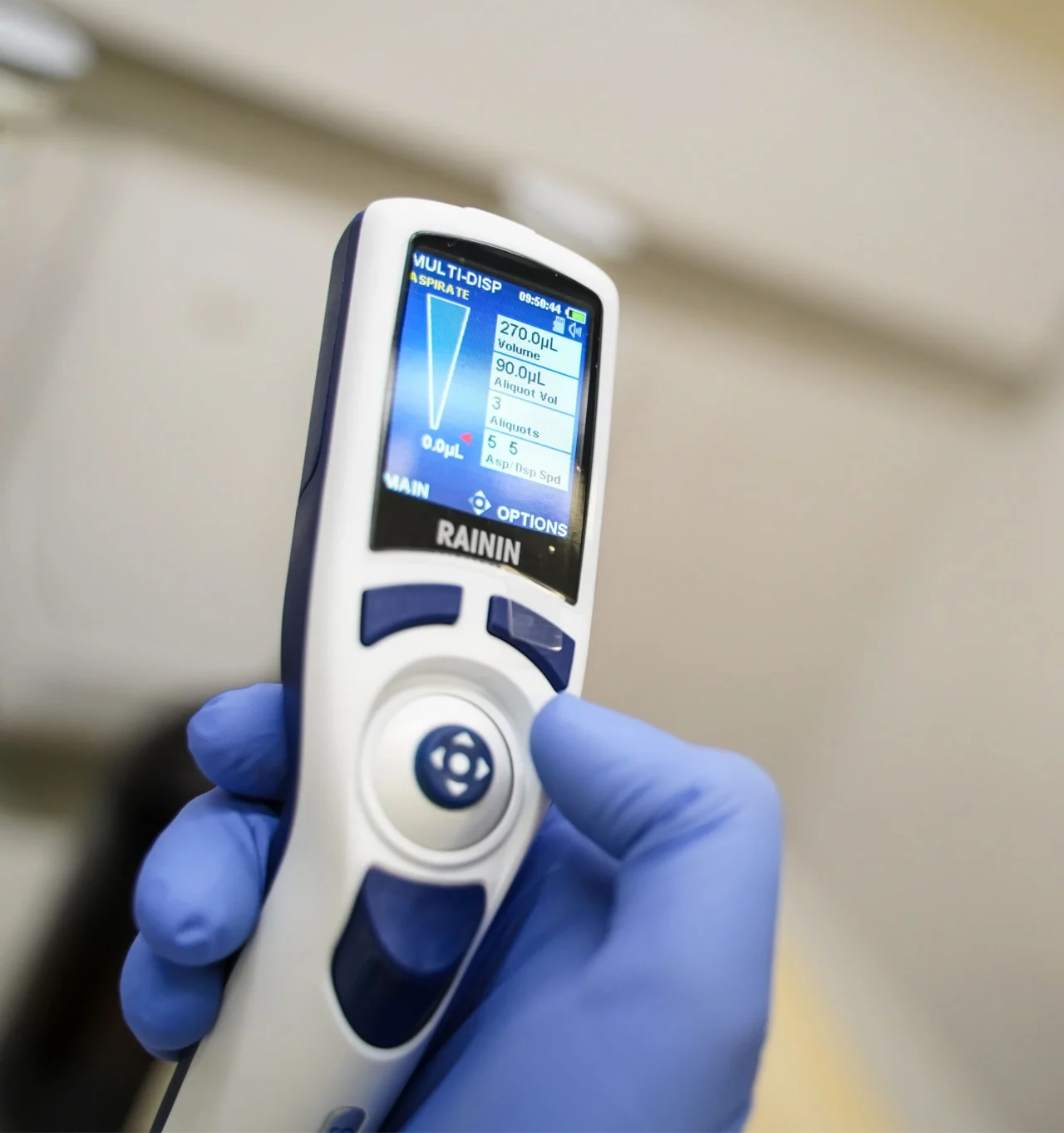
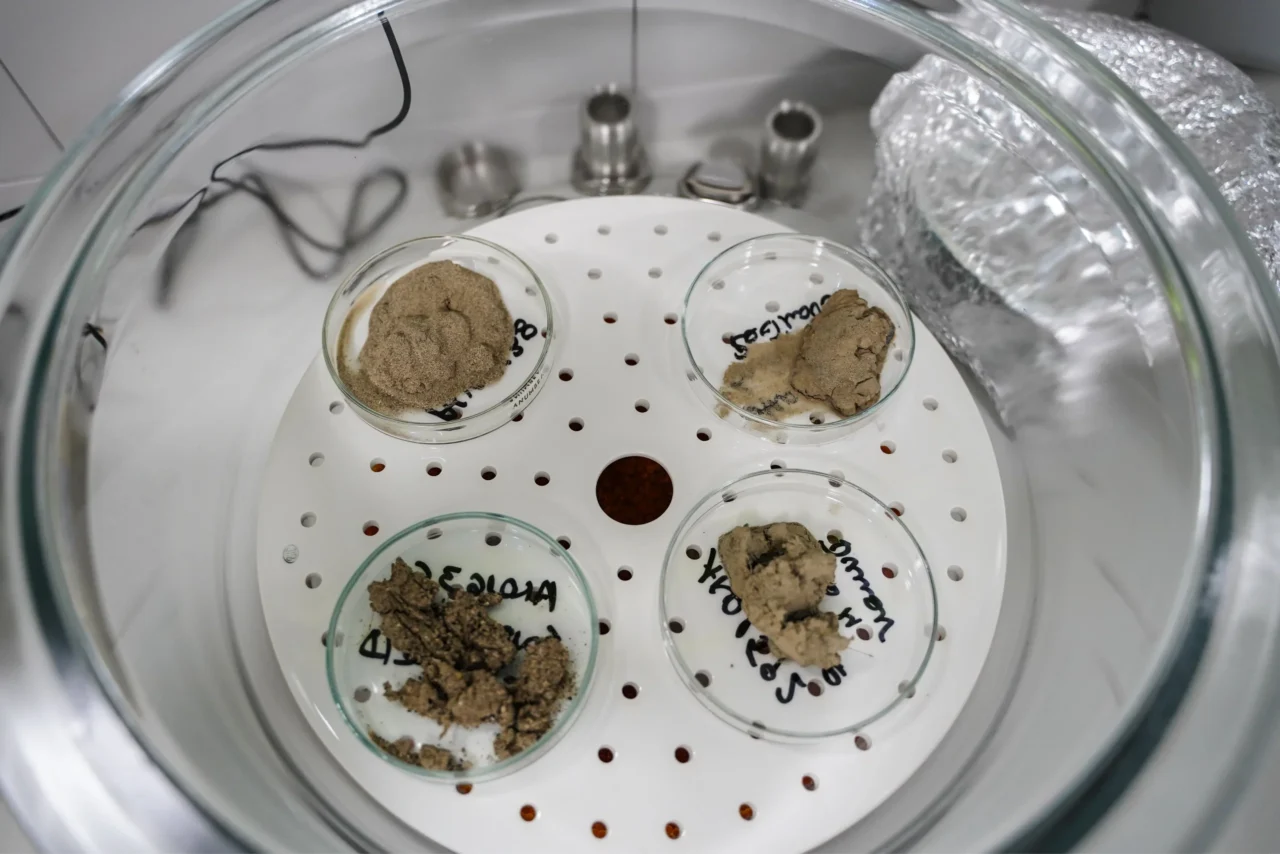
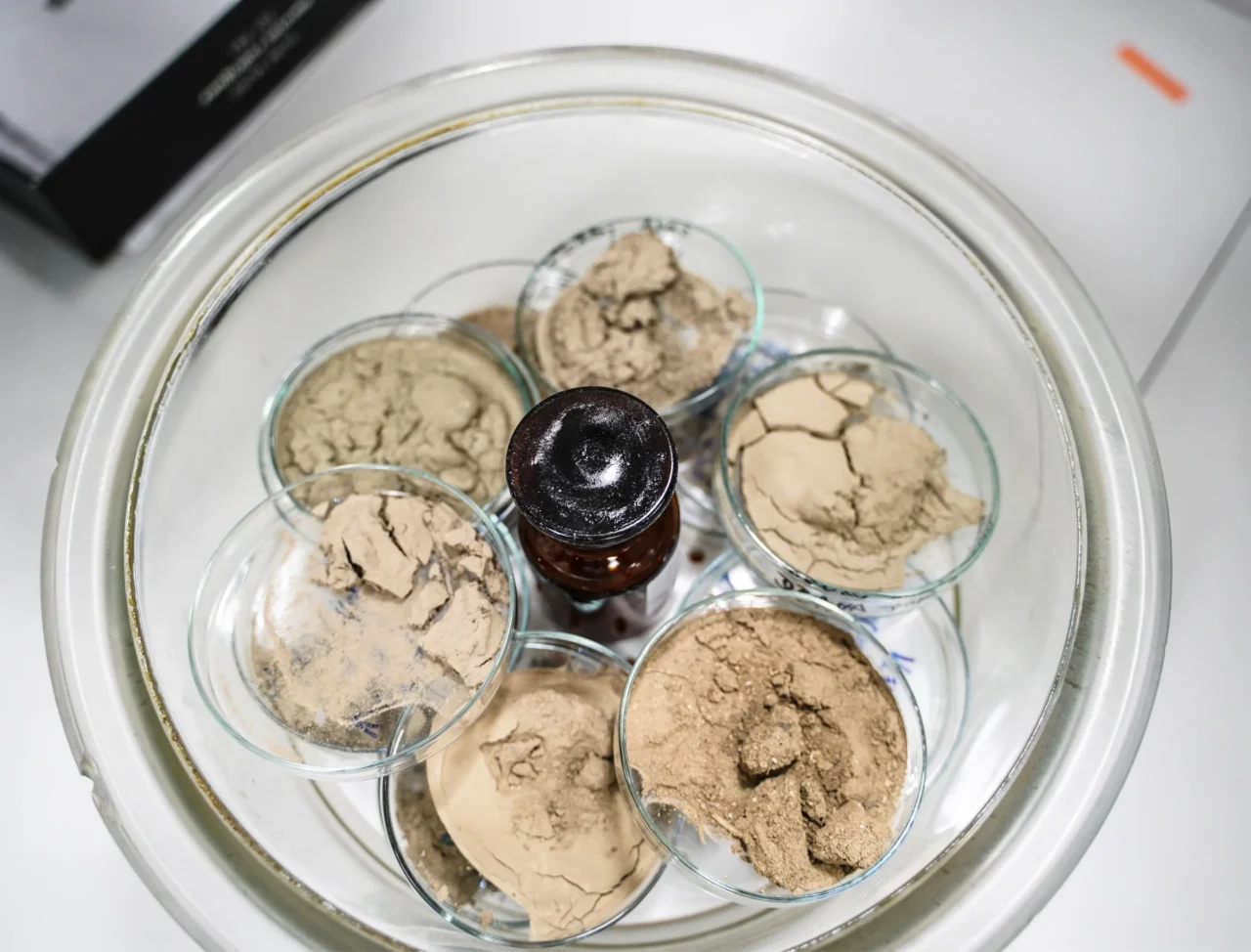
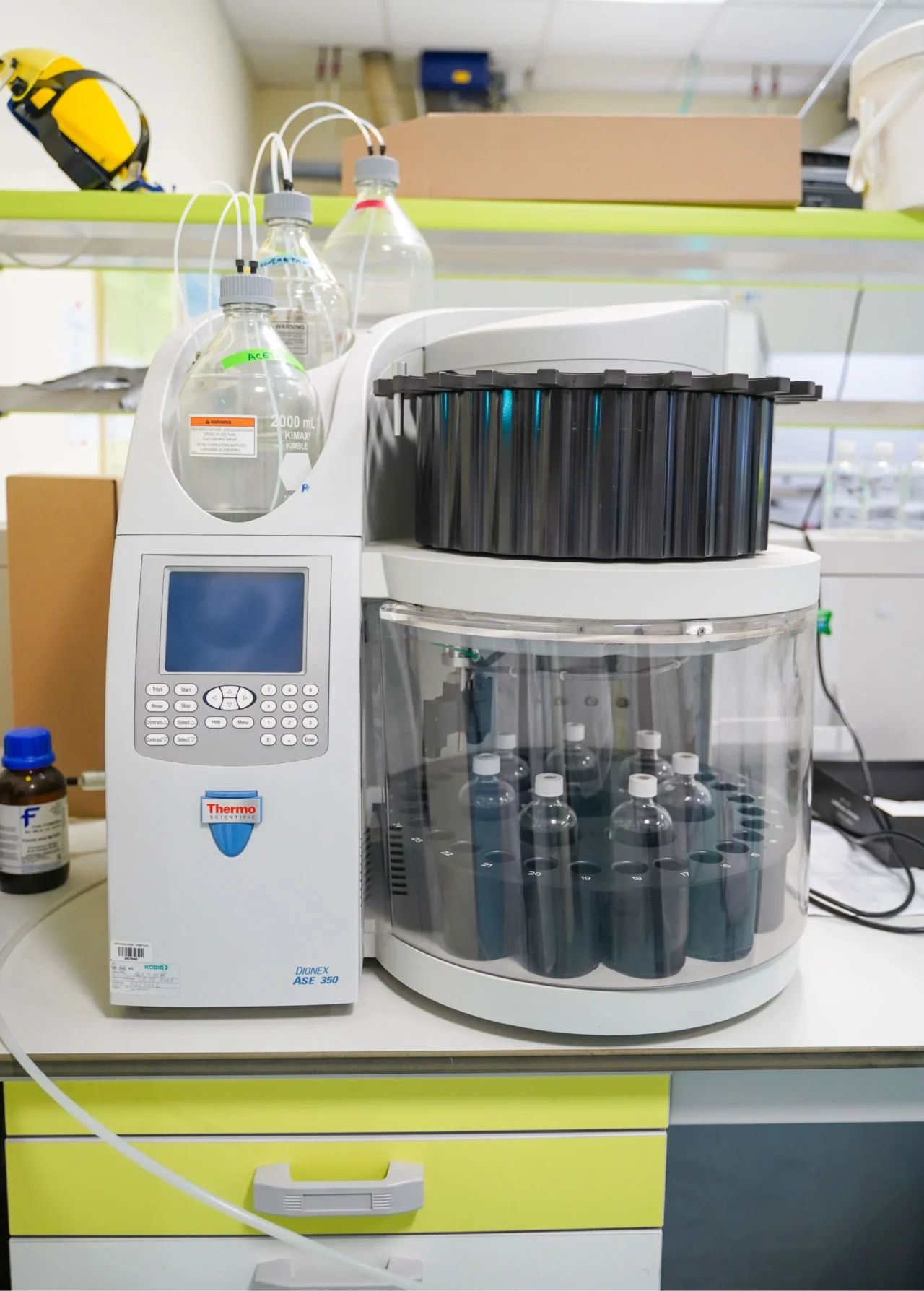
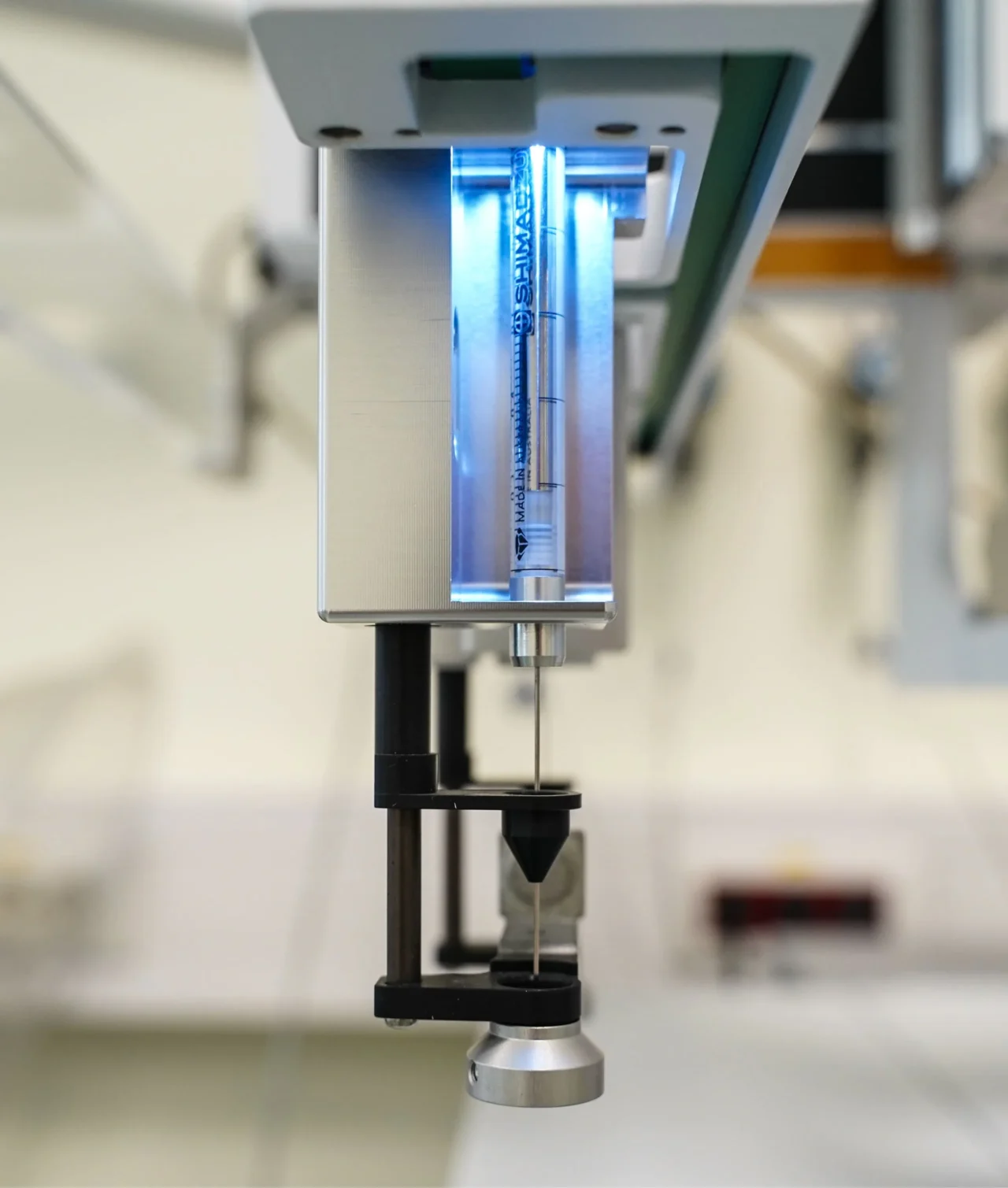
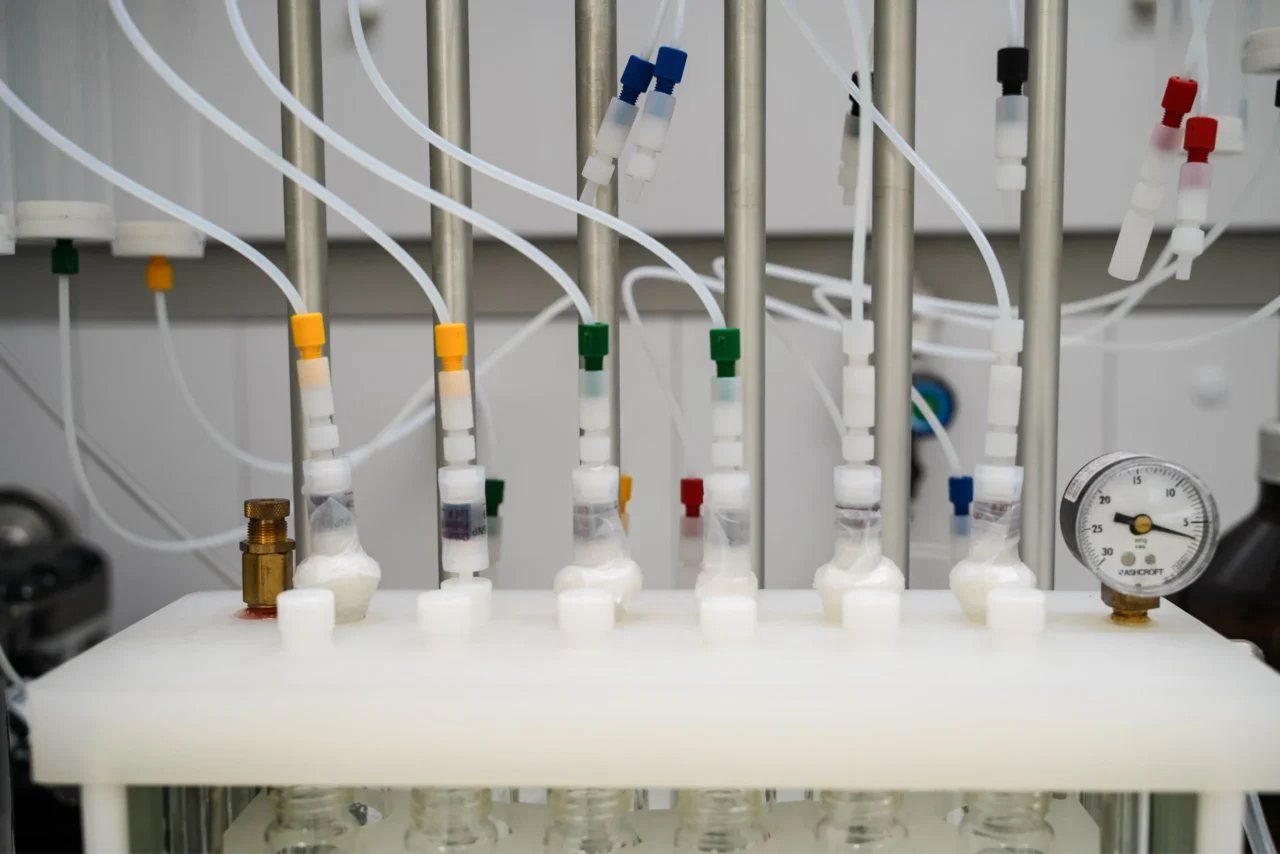
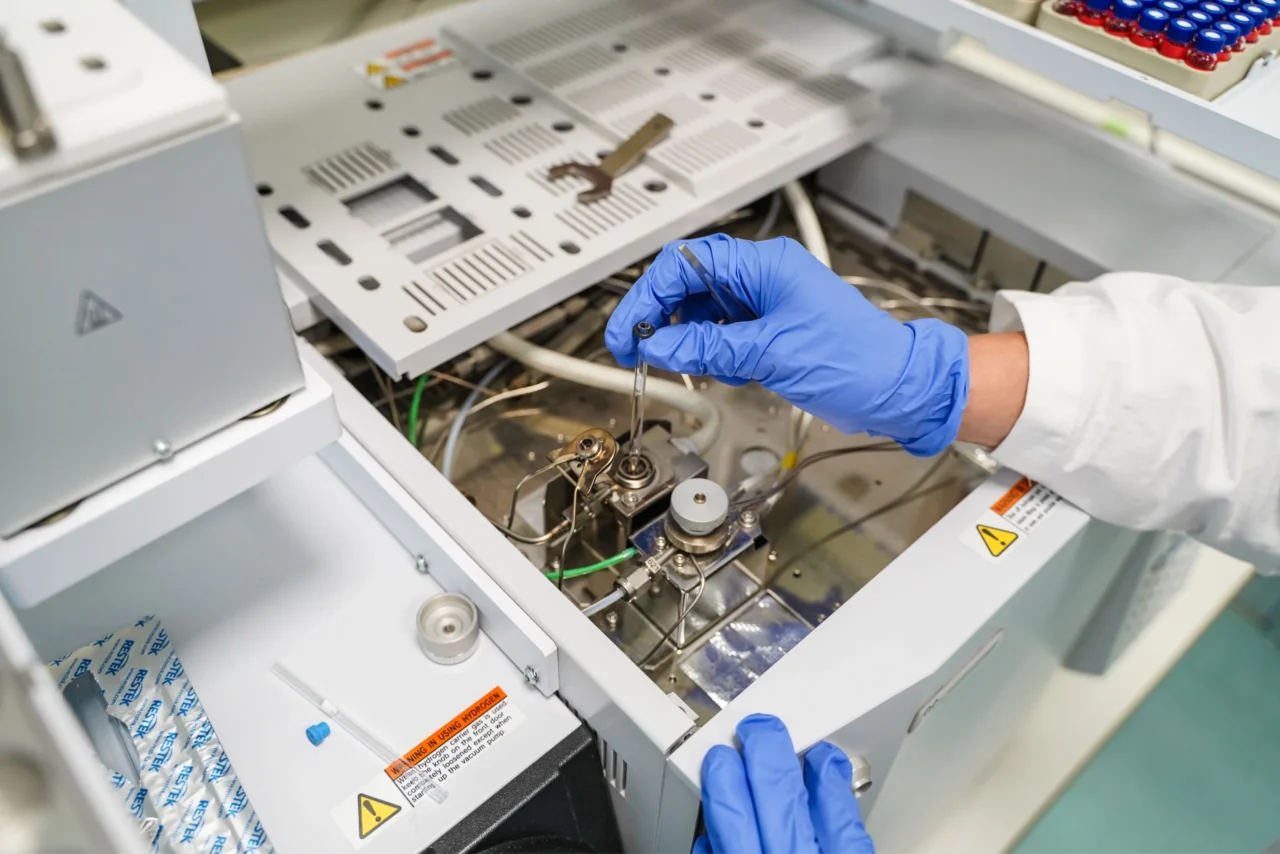
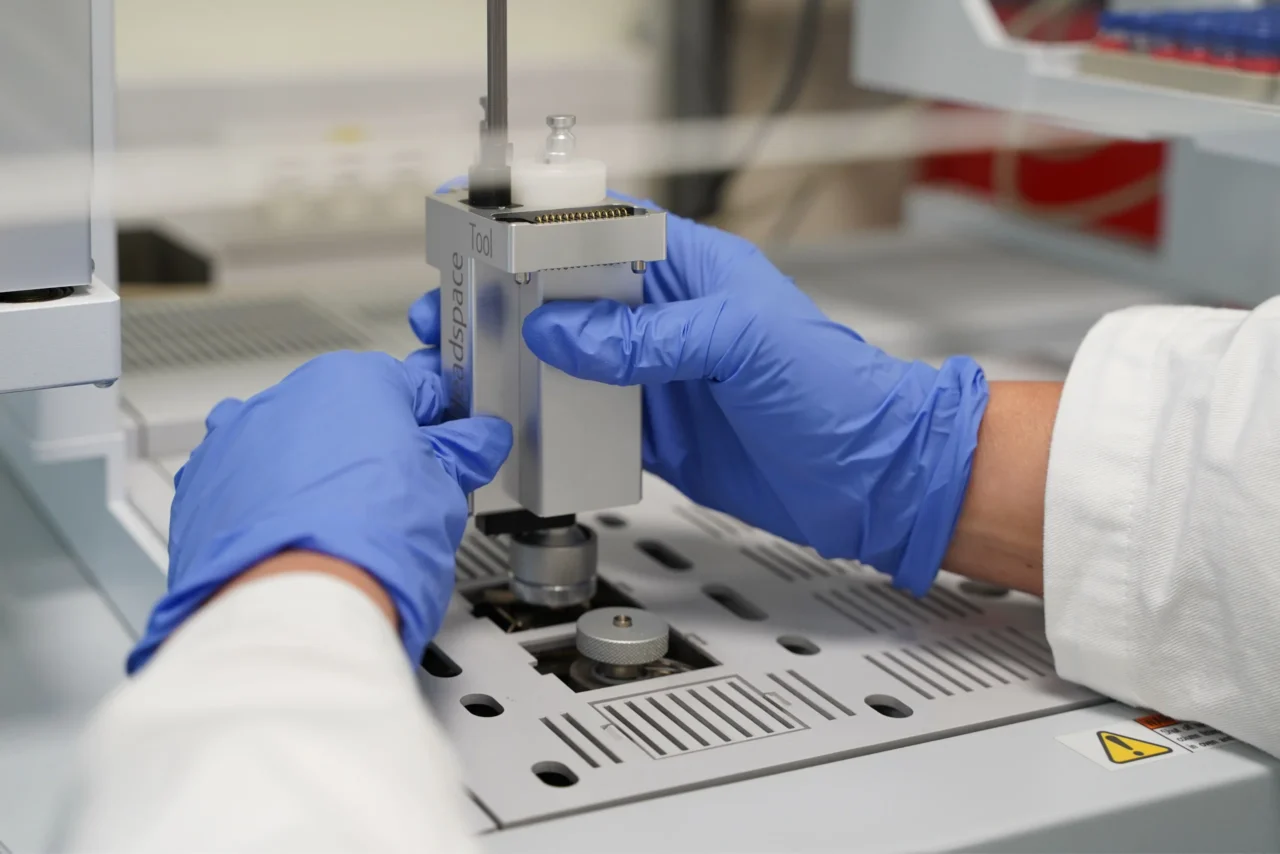
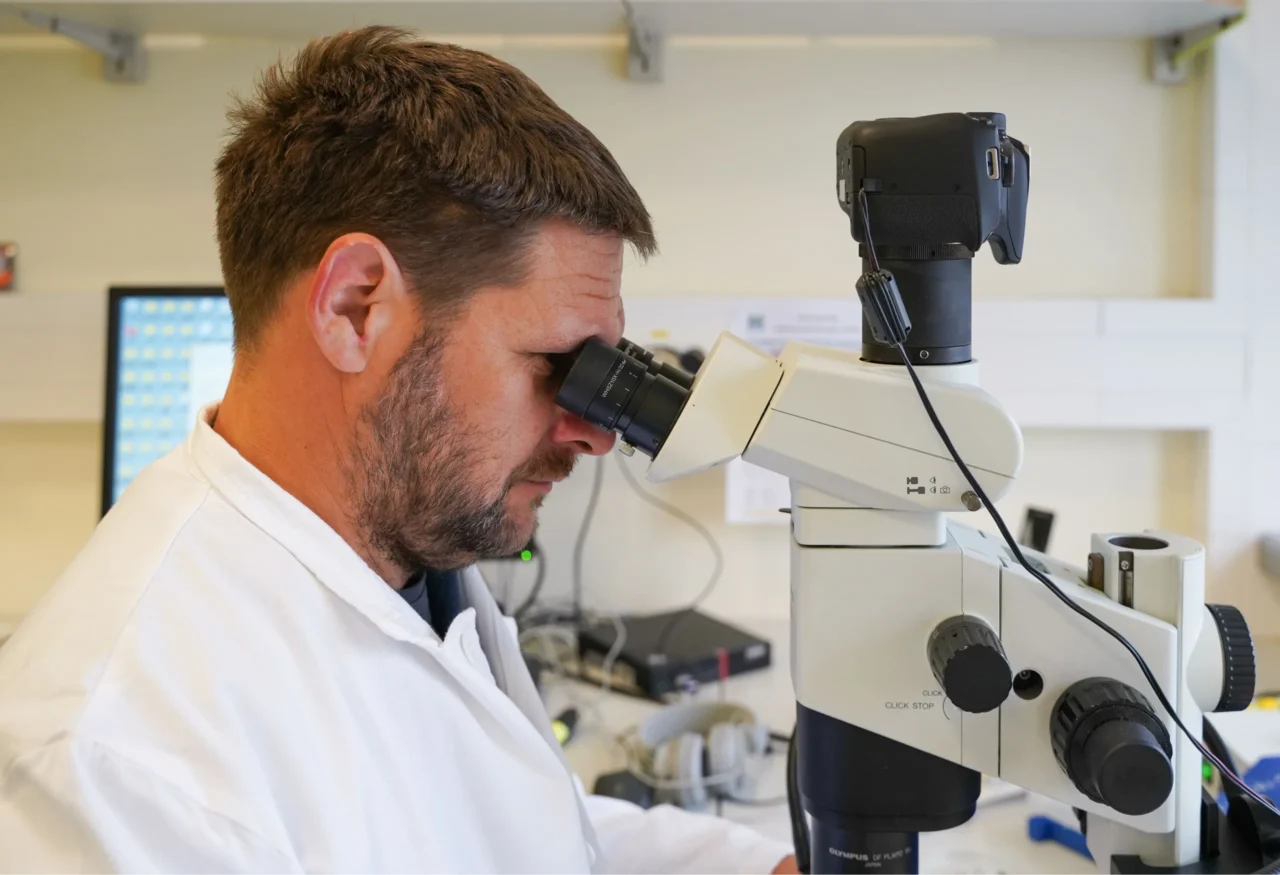
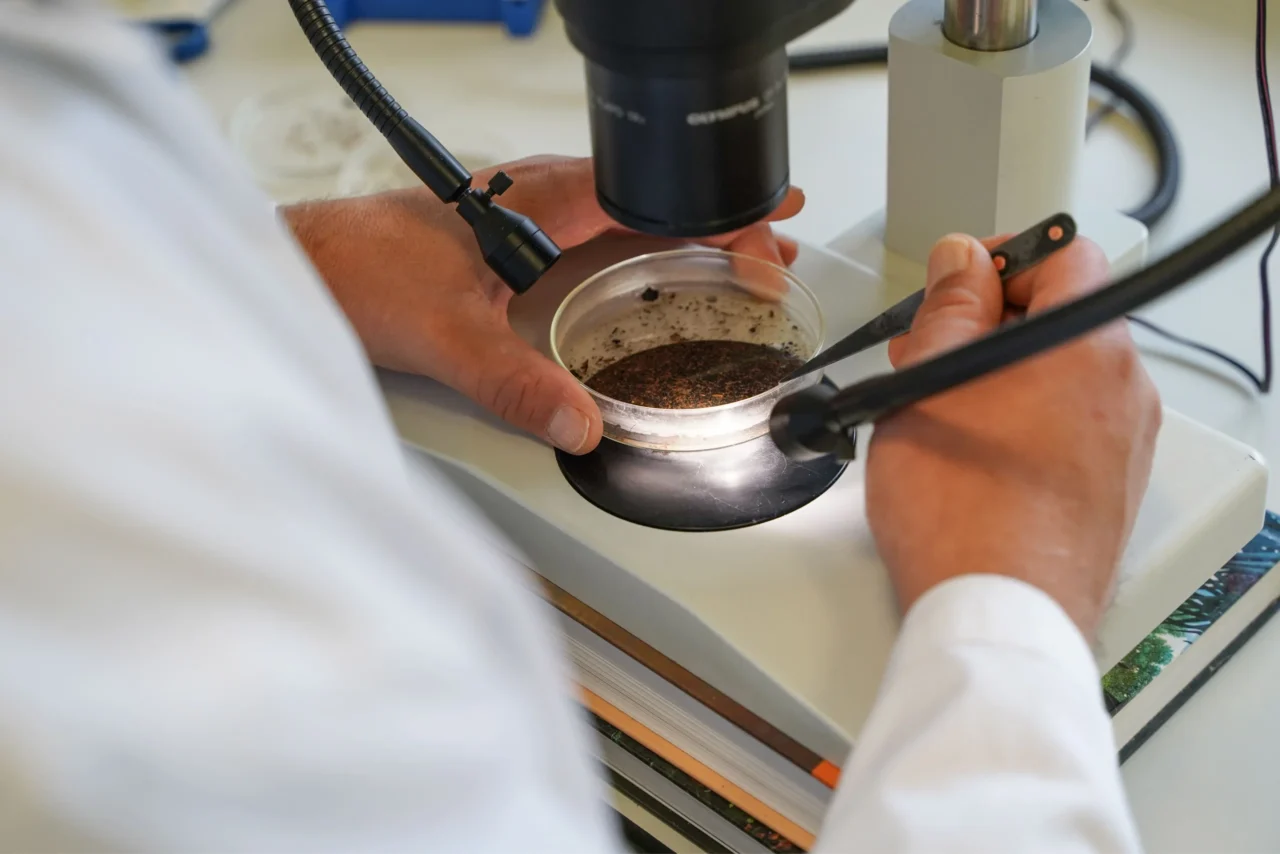
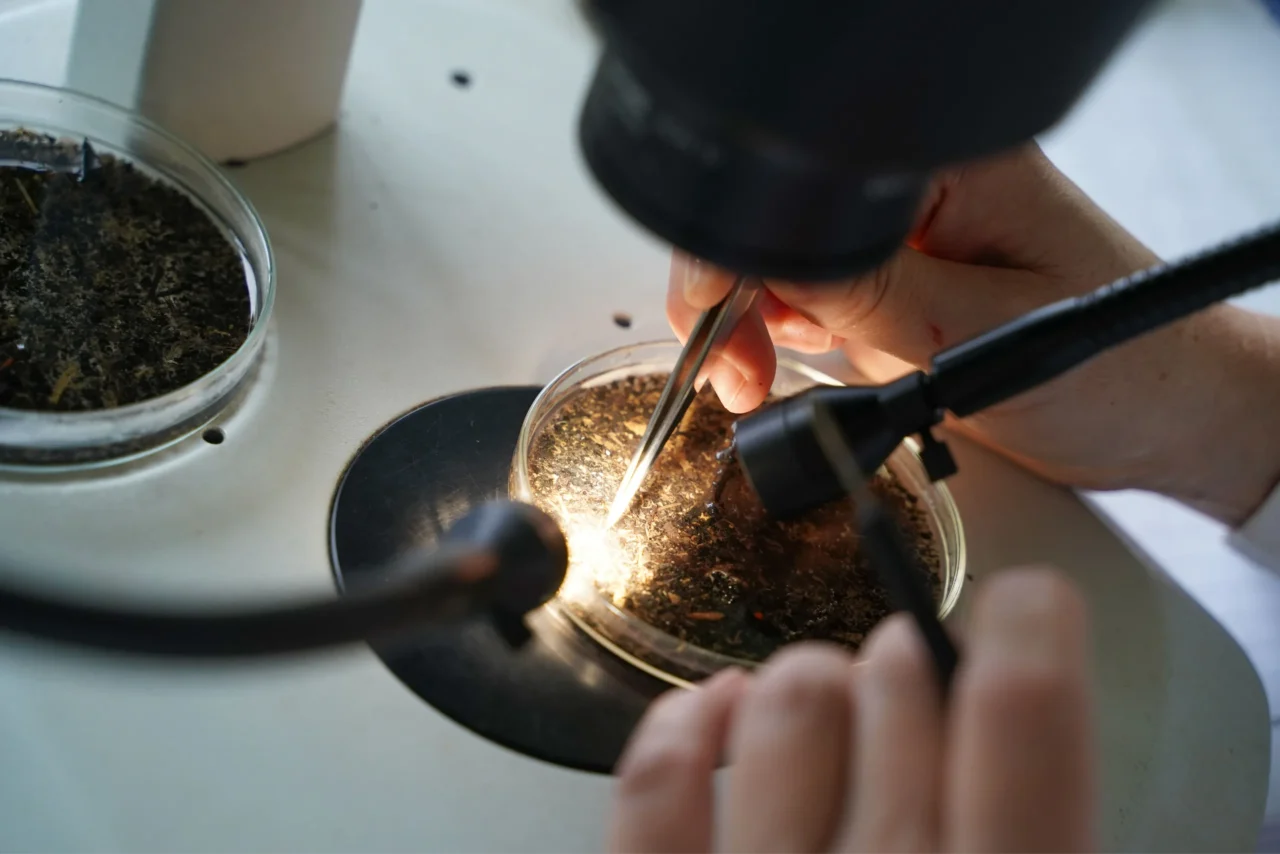
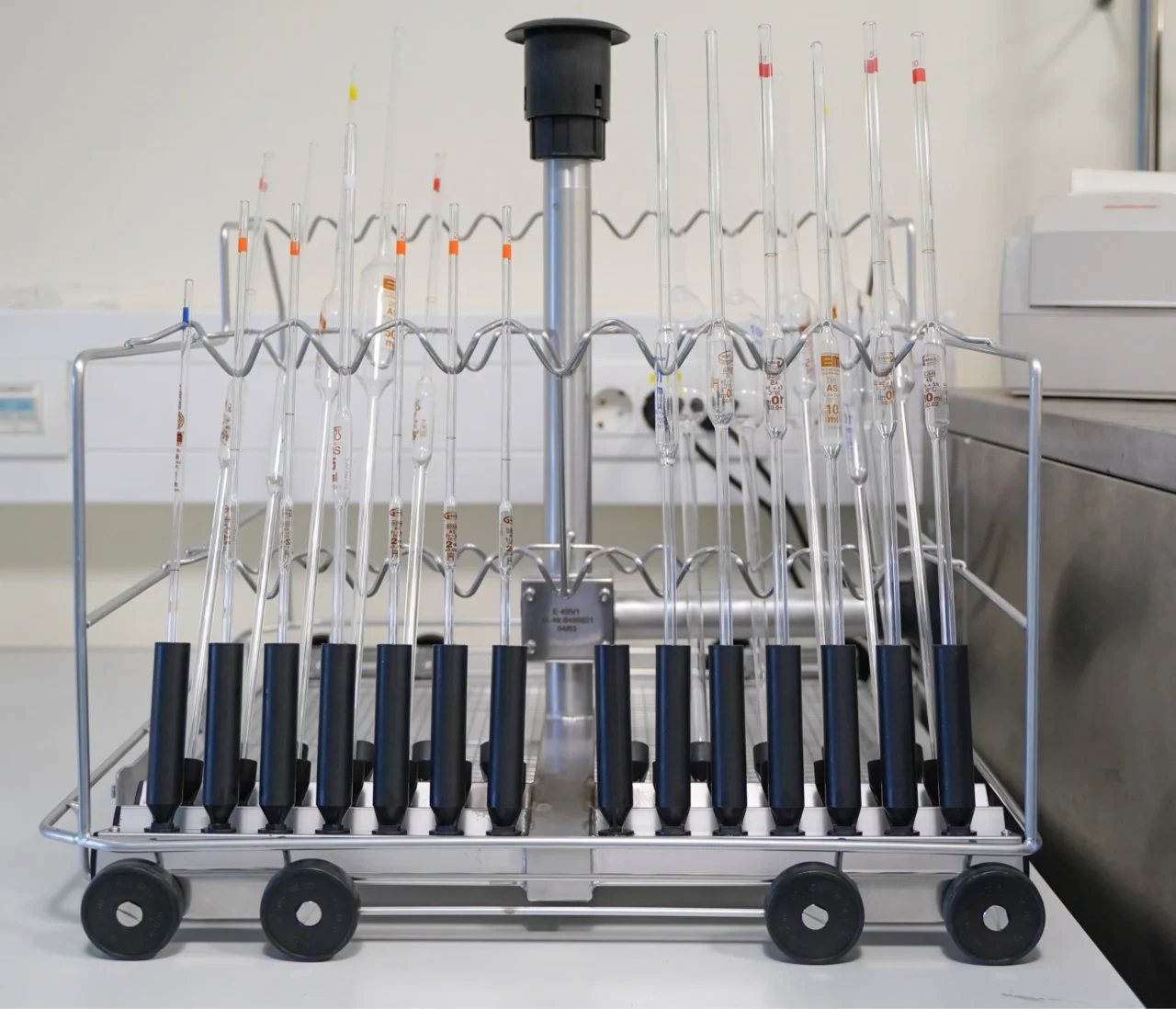
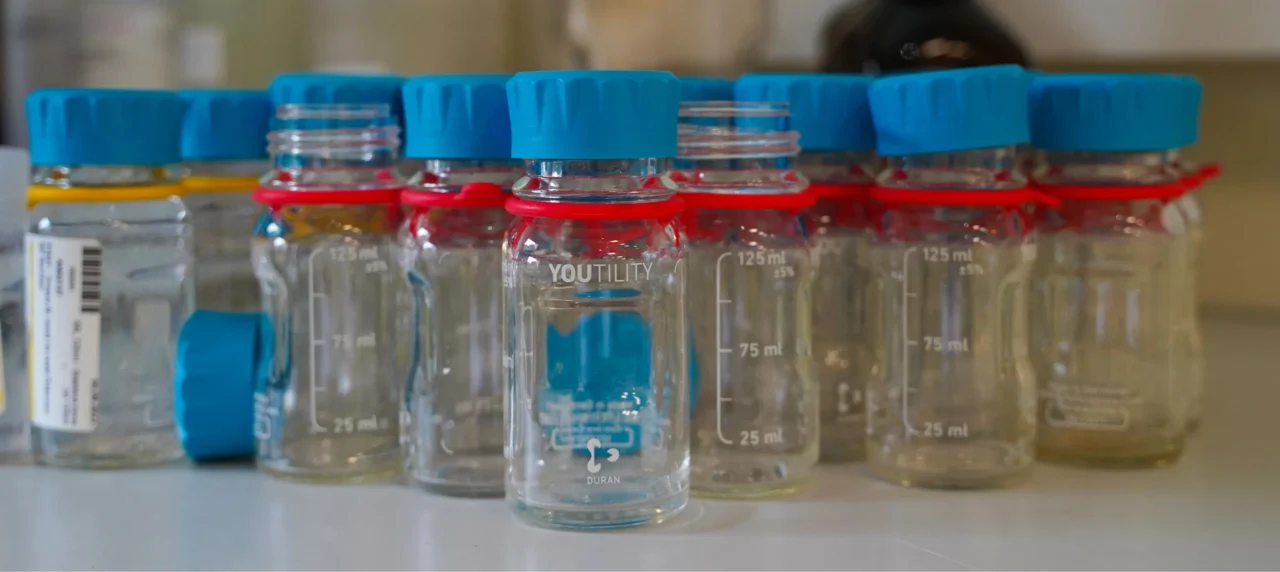
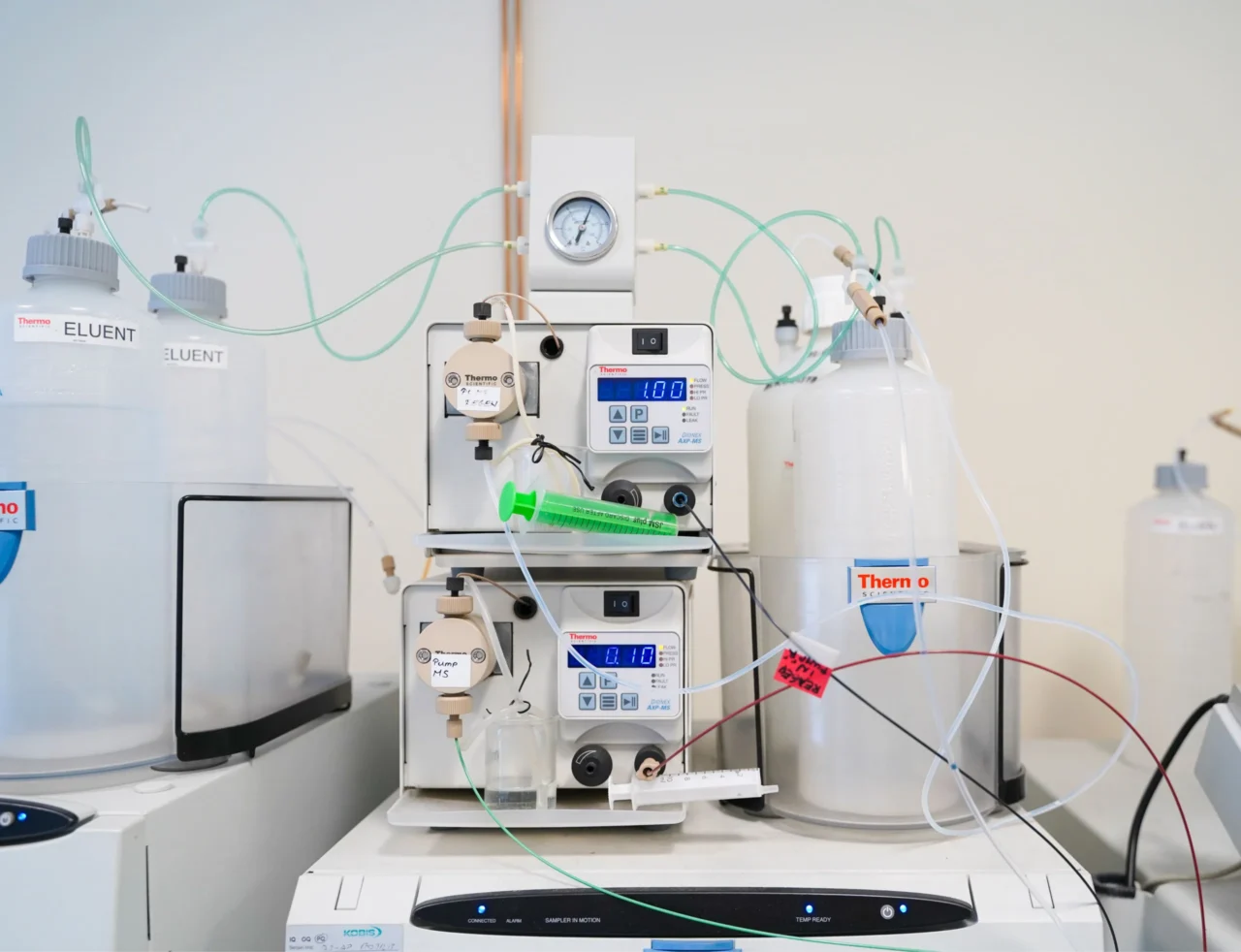
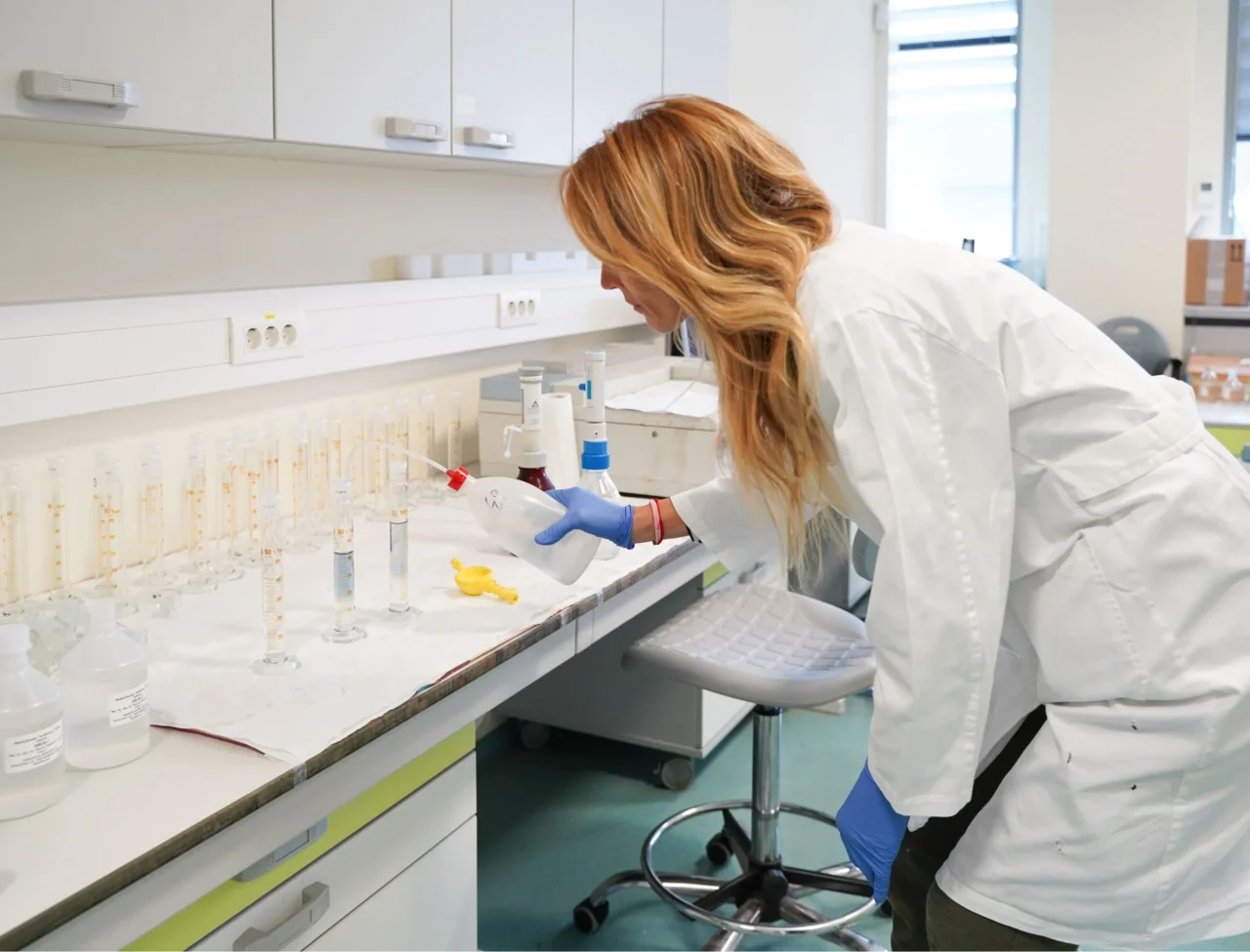
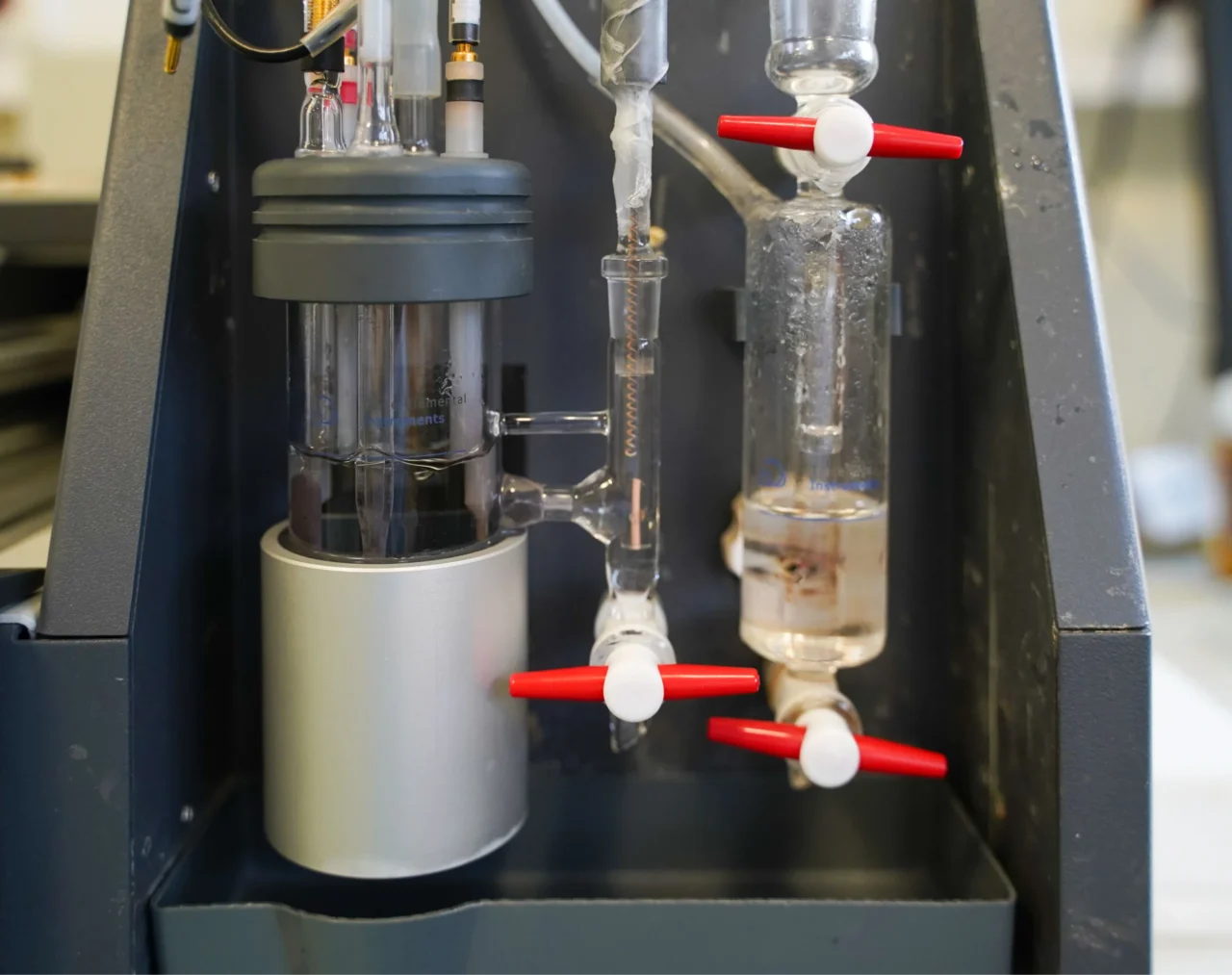
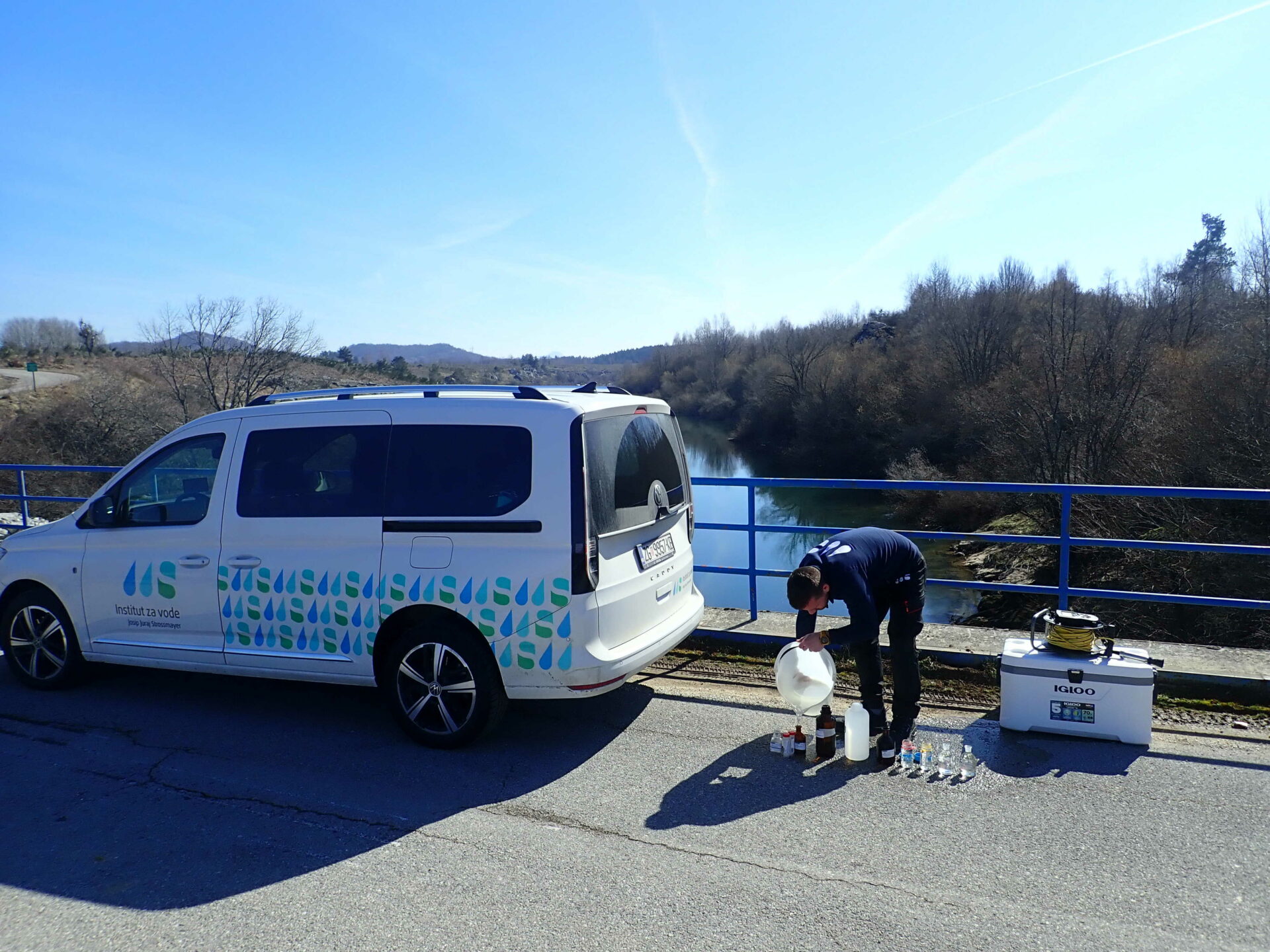
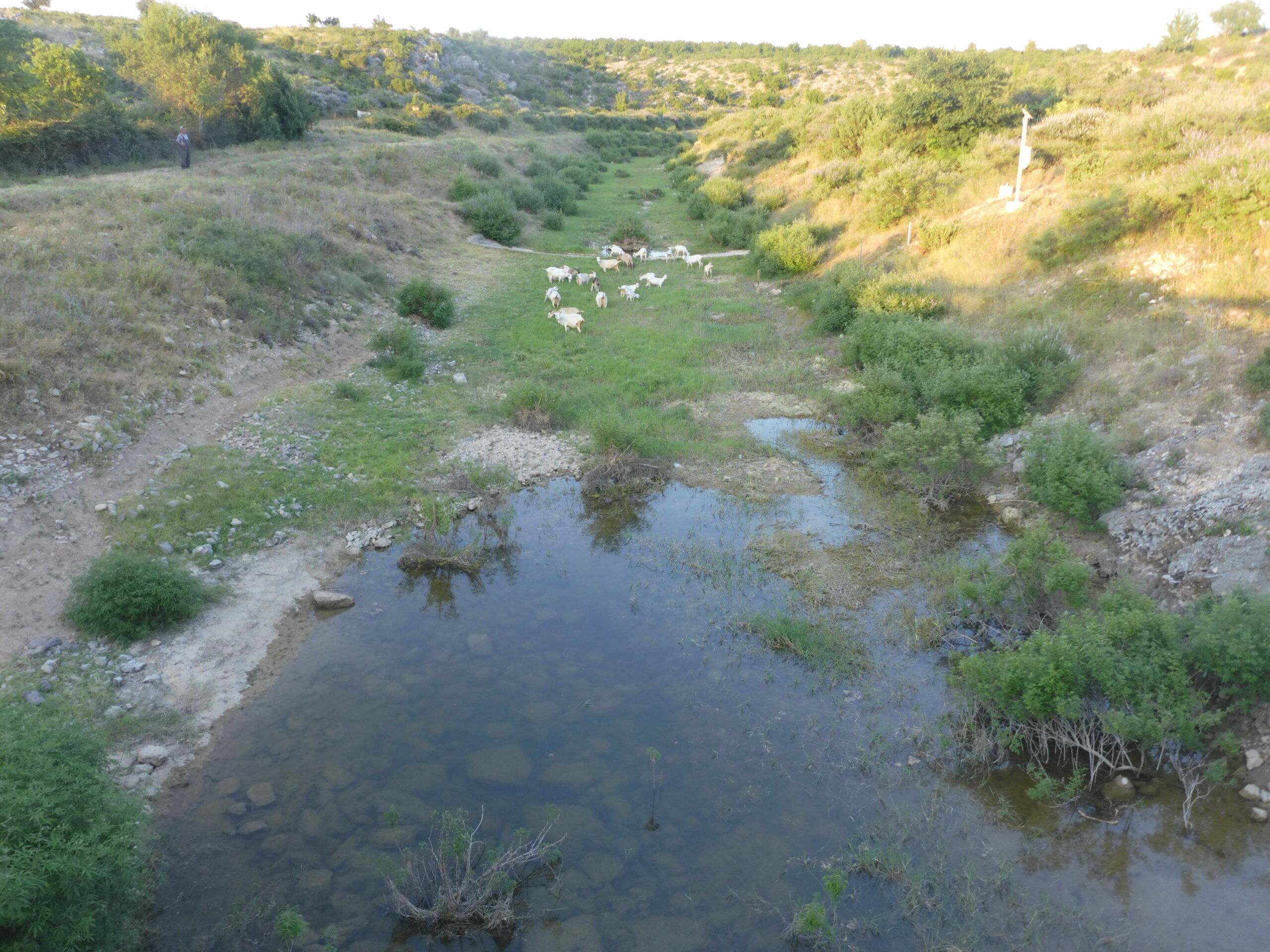
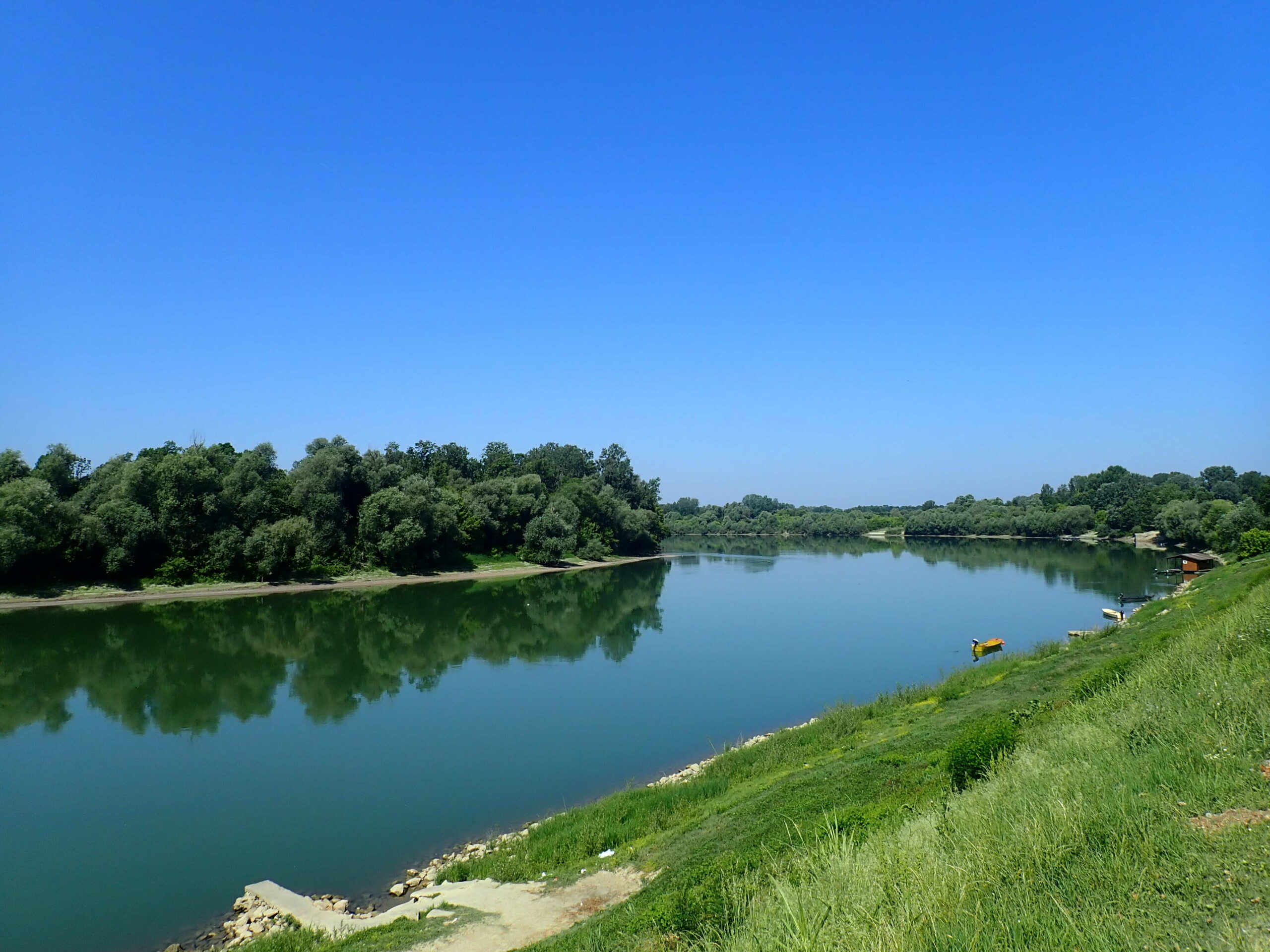
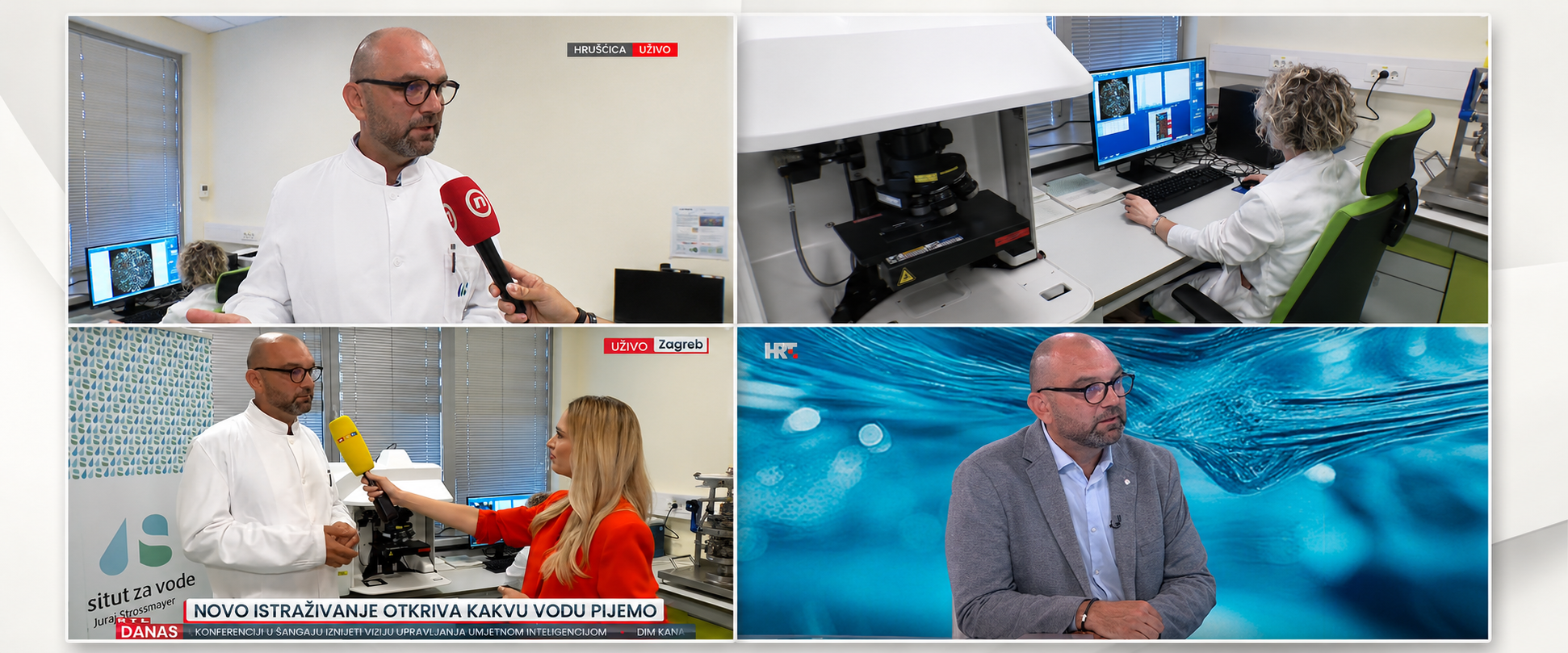
The Josip Juraj Strossmayer Institute for Water Management expanded its water status monitoring activities in Lika-Senj County in August 2026. PFOS (p...
The Danube’s record-low water levels have become Europe’s first major stress test of resilience to climate extremes.
The European Environment Agency (EEA) has published its latest update on indicators of freshwater resource use across Europe. The data show that altho...
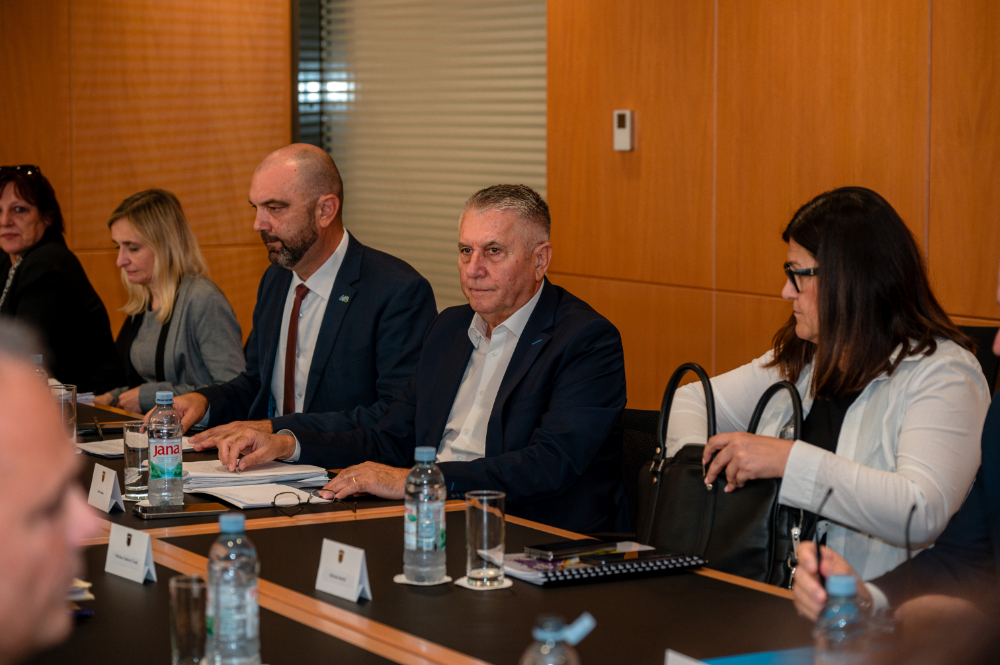
At a meeting between representatives of the Government of the Republic of Croatia and the citizens' initiative "Gospić Is Our Home", Mario Šiljeg, D...
How will countries manage their water resources in the decades ahead? This question lies at the heart of the Global Water Policy Report 2026, which pr...
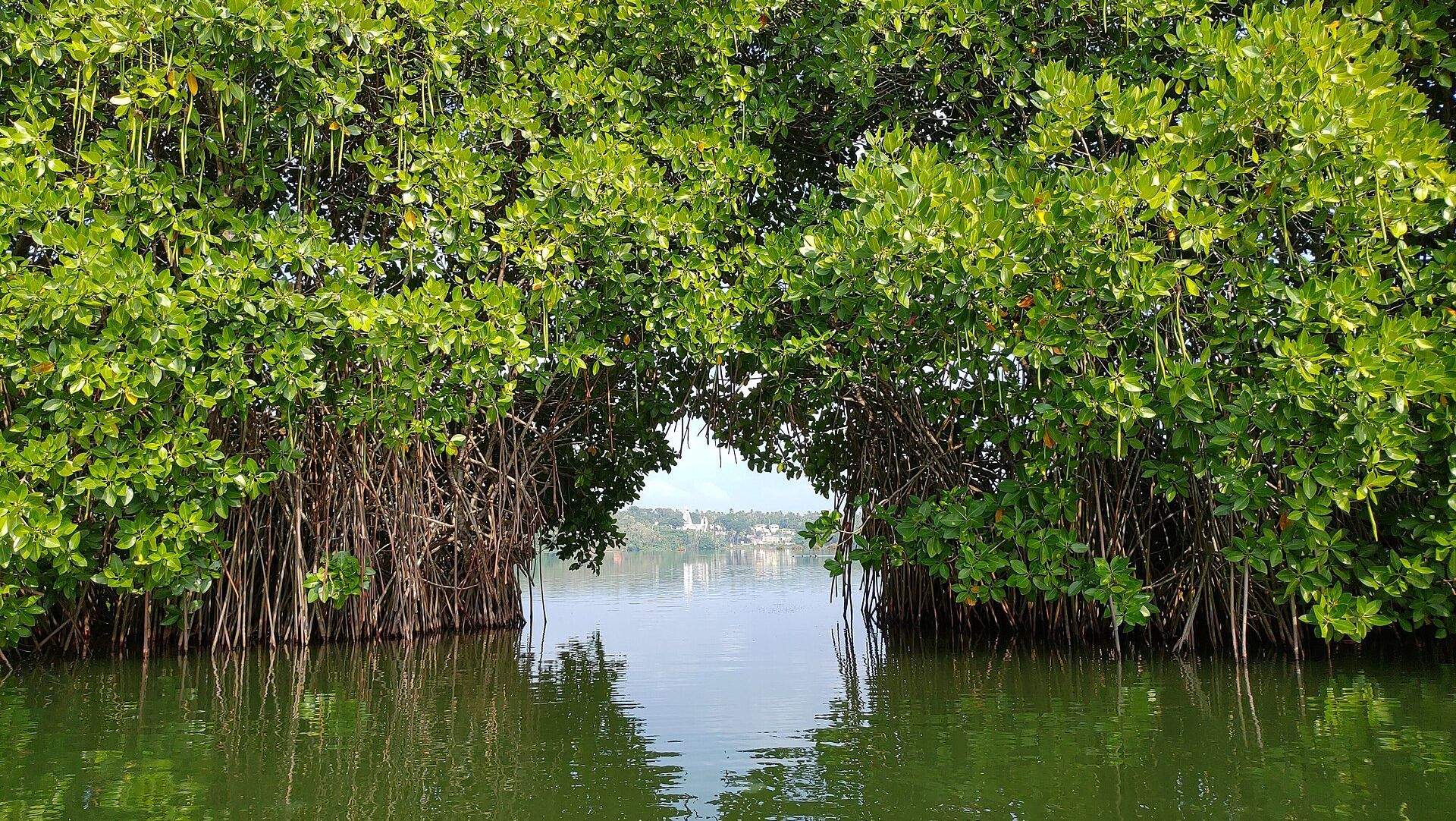
Mangroves do not grow in Croatia, and most people have probably never heard of them. Yet UNESCO has dedicated 26 July to these remarkable ecosystems b...
Climate change, ageing water infrastructure, increasingly complex water protection requirements, the emergence of new pollutants, and growing investme...
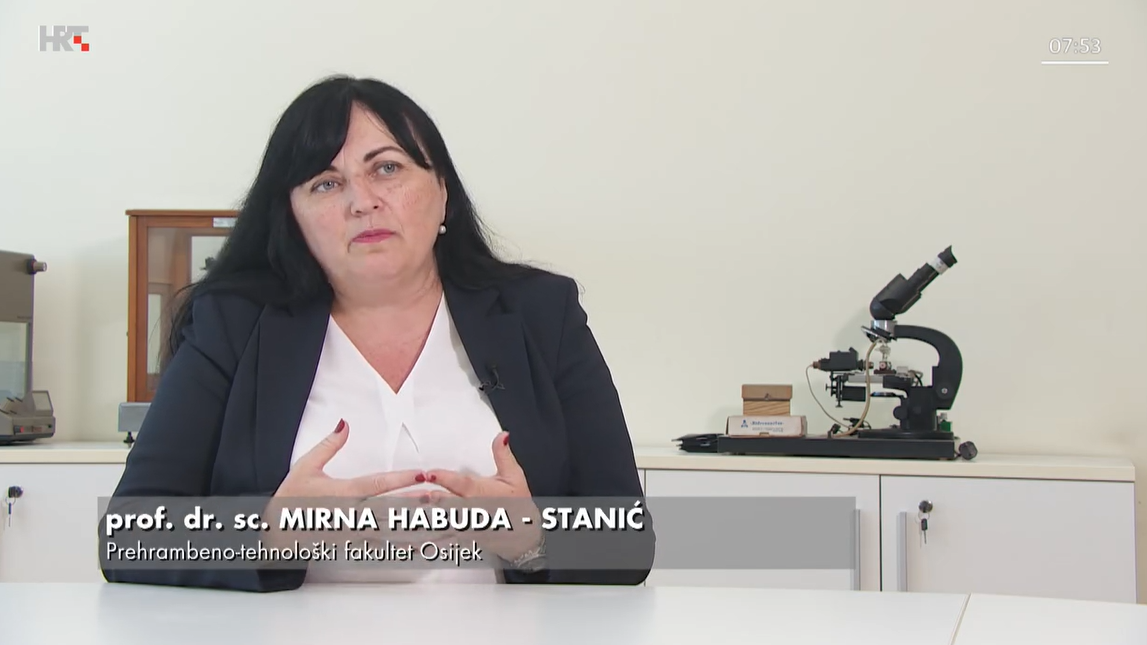
Water issues are part of everyday life. People are interested in a wide range of topics, from water quality and modern analytical methods to emerging ...
The publication of Croatia's first national results from investigative monitoring of microplastics in water intended for human consumption attracted s...