Mangroves do not grow in Croatia, and most people have probably never heard of them. Yet UNESCO has dedicated 26 July to these remarkable ecosystems by proclaiming it the International Day for the Conservation of the Mangrove Ecosystem. The reason is simple: mangroves are among the world’s most valuable coastal ecosystems. They help maintain water quality, preserve biodiversity, mitigate the impacts of climate change, and reduce coastal erosion.
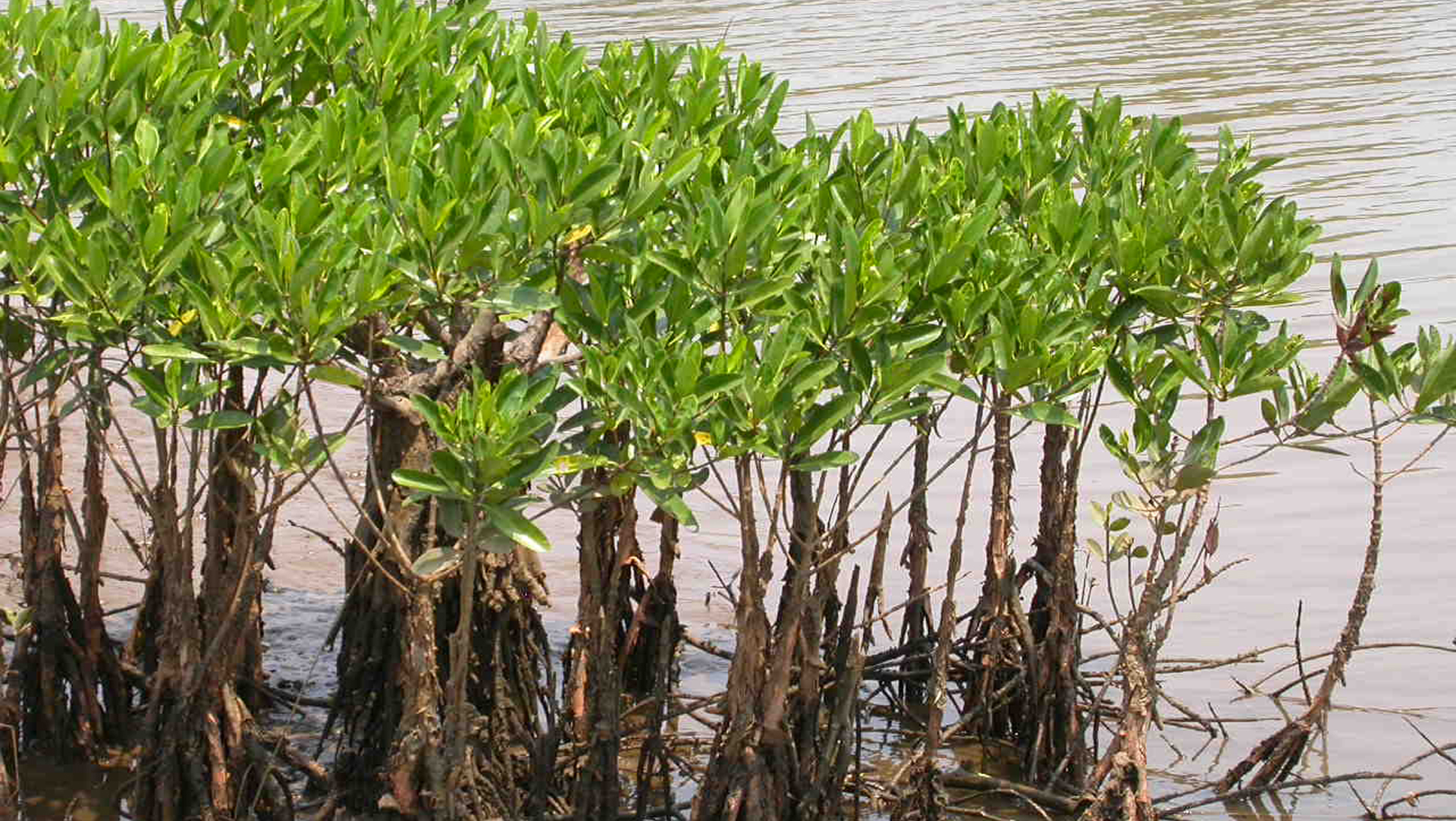
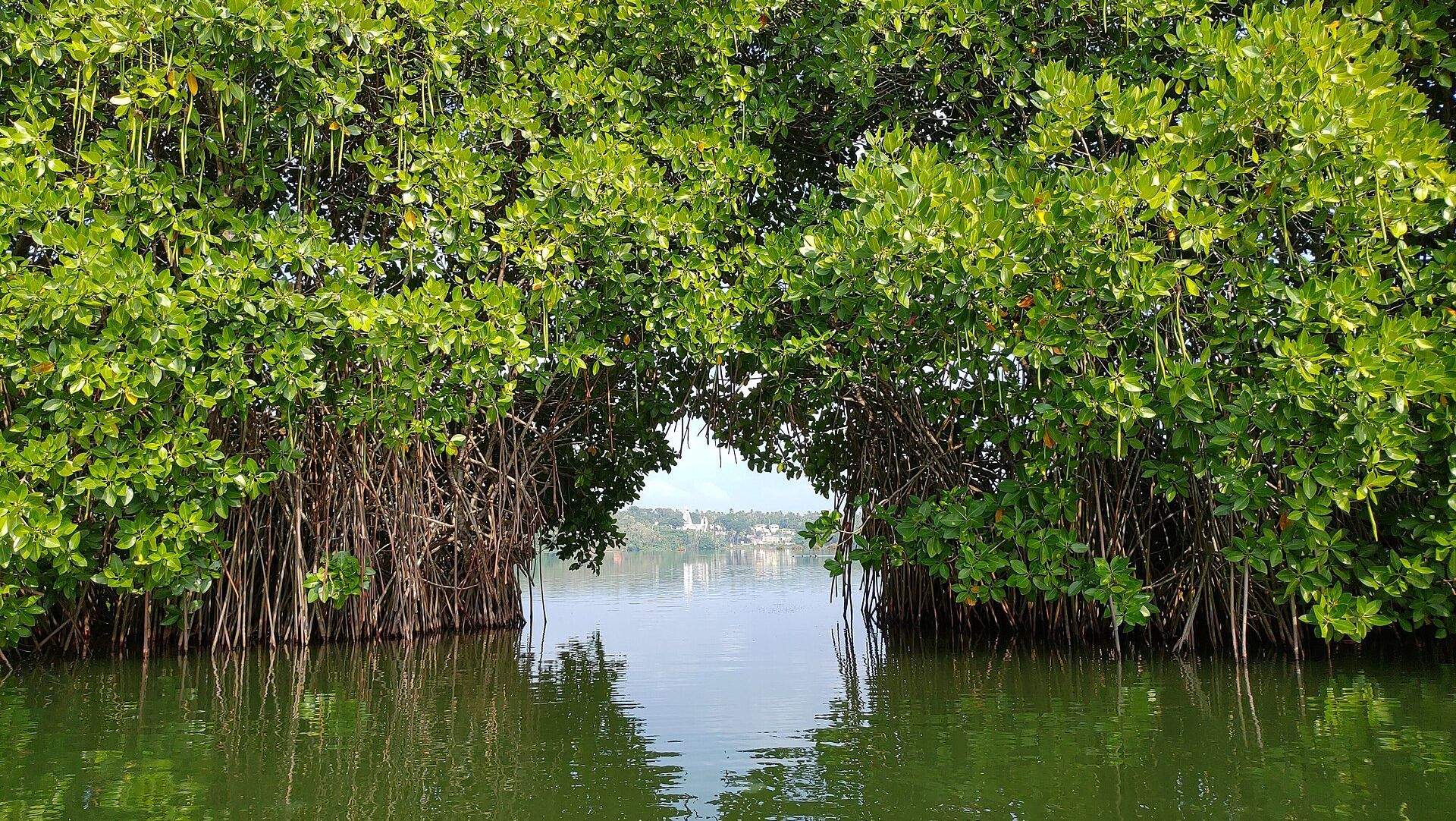
Mangrove forests grow where land meets the sea in tropical and subtropical regions. Their intricate root systems slow water flow, trap sediment, and retain nutrients as well as pollutants before they reach the sea. At the same time, they provide shelter for numerous species of fish, crabs, shellfish, and other marine organisms, making them one of nature’s most important nurseries for marine life.
In addition to protecting the sea, mangroves also safeguard coastlines. They reduce the force of waves, lessen the impacts of storms and flooding, and strengthen the resilience of coastal areas. Mangroves belong to the group of so-called “blue carbon” ecosystems because they store large amounts of carbon in their roots and surrounding sediments, playing a significant role in mitigating climate change. Despite their exceptional value, they are among the world’s most threatened ecosystems.
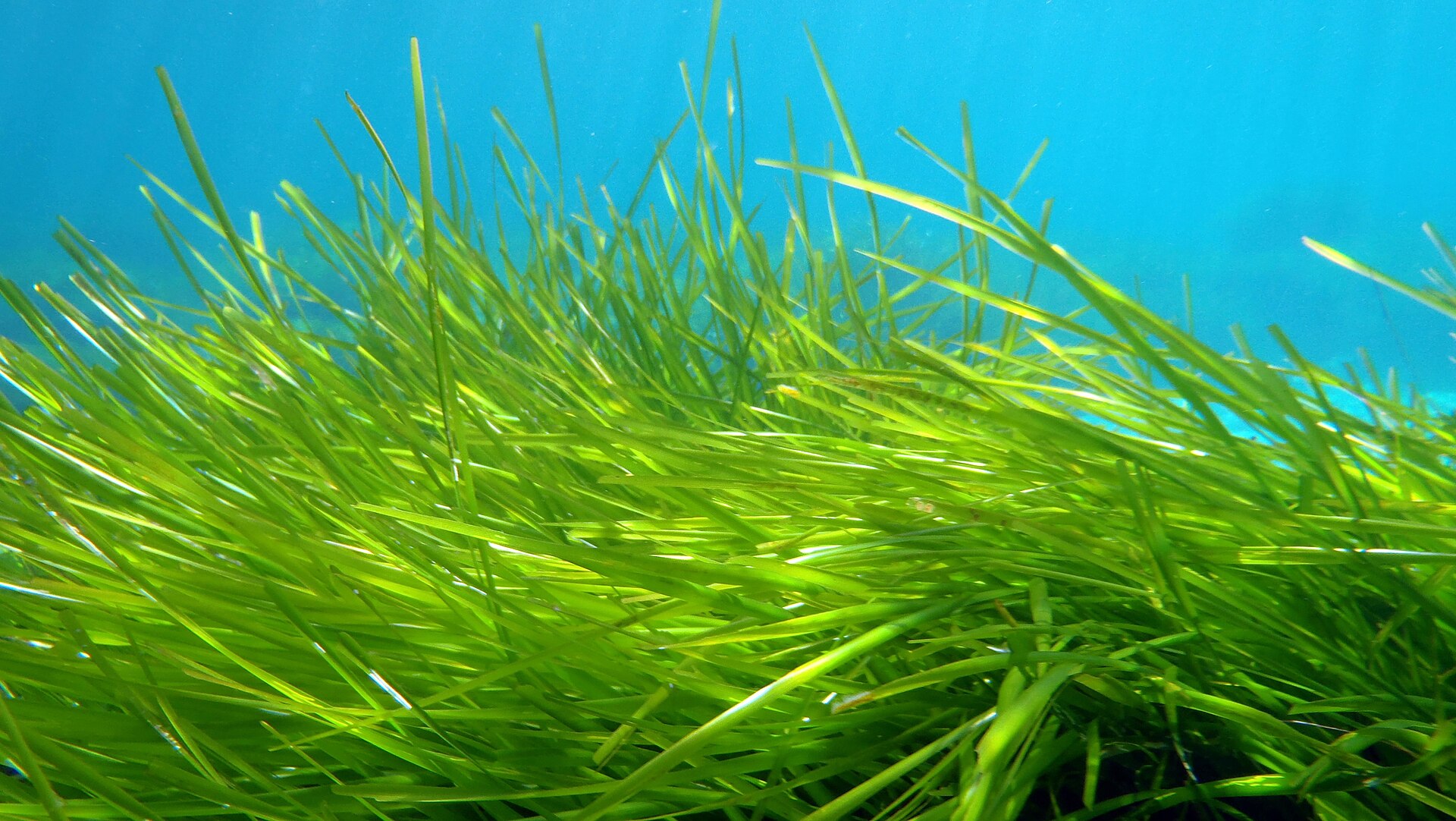
Although mangroves are characteristic of tropical regions, the Mediterranean has its own equally valuable natural treasure: Posidonia seagrass meadows (Posidonia oceanica). Like mangroves, Posidonia stabilises the seabed, reduces wave energy, helps maintain water quality, provides habitat for a wide range of marine organisms, and stores substantial amounts of carbon. For these reasons, both ecosystems are recognised as some of nature’s most important allies in protecting the marine environment and adapting to climate change.
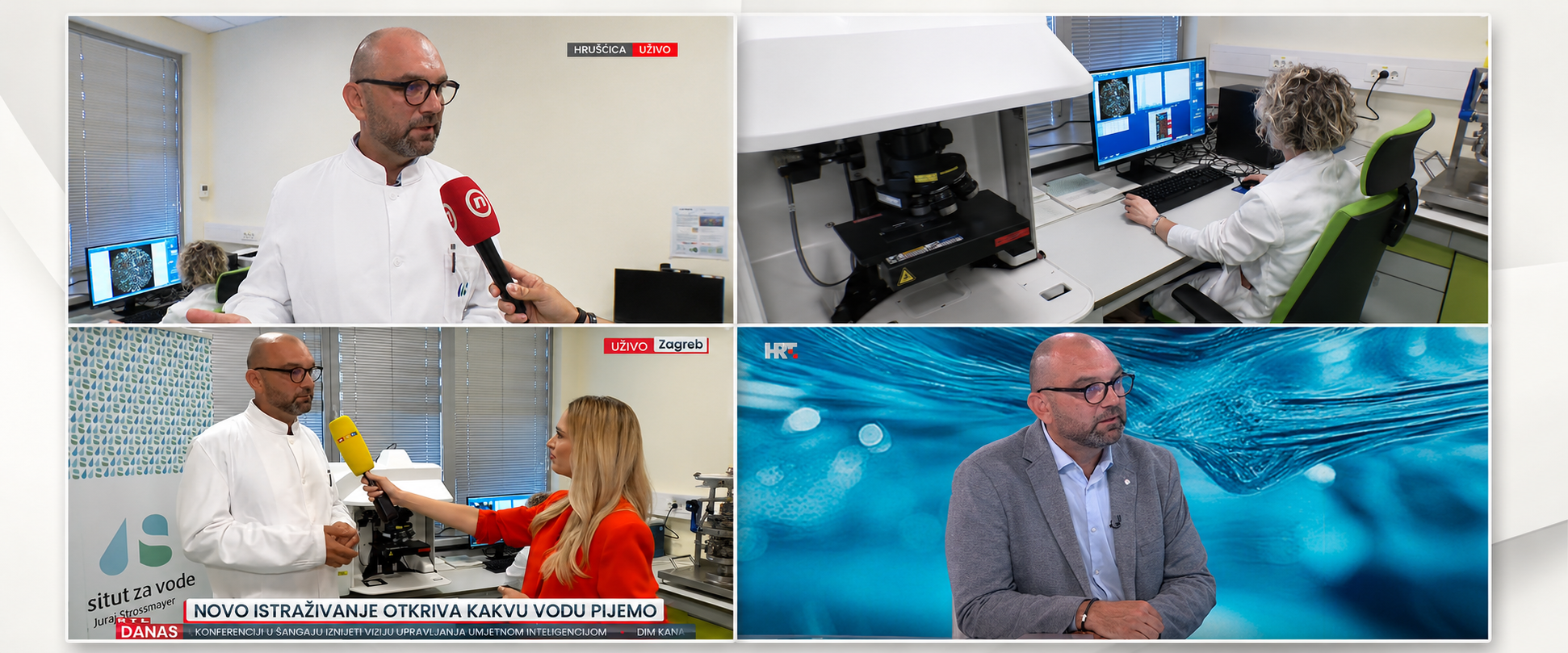
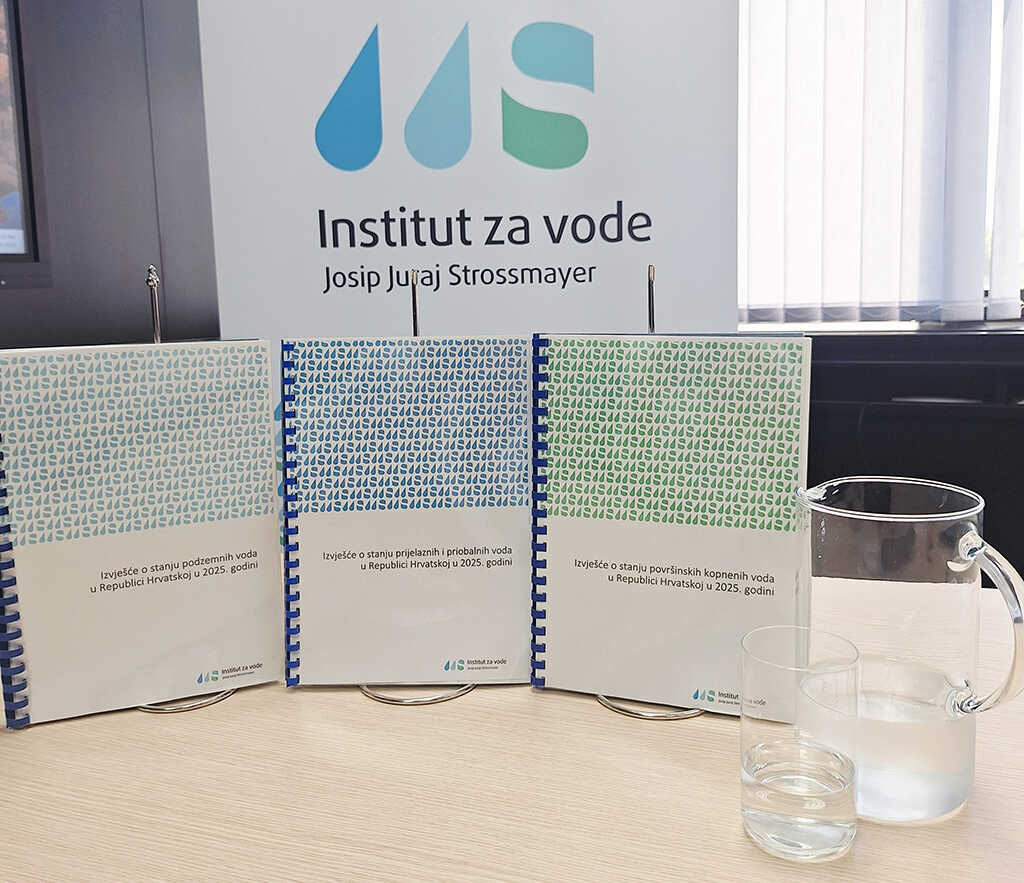
The world has mangroves. The Mediterranean has Posidonia. Croatia has the Josip Juraj Strossmayer Water Institute, which continuously tracks the condition of the country’s surface waters, transitional waters, and coastal waters through systematic monitoring programmes and laboratory analyses of physico-chemical, chemical, and biological indicators. Scientifically based data provide the foundation for understanding environmental change and for making informed decisions that ensure the long-term protection of water resources.
World Mangrove Day reminds us that protecting our waters begins with understanding nature. Whether they grow in tropical regions or in the Mediterranean, valuable aquatic ecosystems deserve equal attention because they safeguard the sea, coastlines, biodiversity, and quality of life for present and future generations.