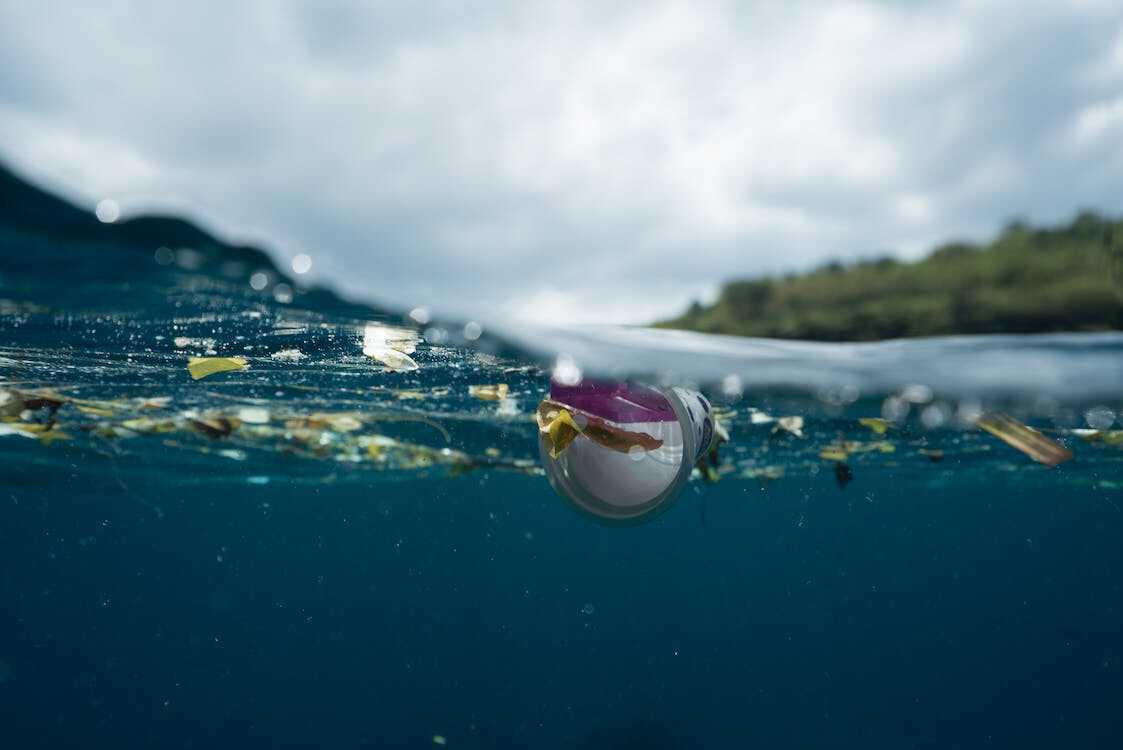
Plastic has become an integral part of everyday life, and some substances that give it specific properties may eventually enter the aquatic environment. One such substance is di(2-ethylhexyl) phthalate (DEHP), a plasticizer used to increase the flexibility and durability of plastics, particularly in products made from polyvinyl chloride (PVC).
Unlike the base material itself, DEHP is not permanently bound to the plastic structure, which means it can gradually be released from products over time. It enters the environment through industrial and municipal wastewater, leaching from landfills, product wear and tear, and atmospheric deposition.
Due to its properties, DEHP more readily binds to particles of organic matter and sediment than remaining dissolved in water. Nevertheless, its presence can still be detected in surface waters, particularly in areas influenced by human activities.
At the European Union level, DEHP has been identified as a substance of very high concern, among other reasons due to its potential harmful effects on human health, and it has been included among the priority substances for which environmental quality standards have been established. These requirements have also been incorporated into the Croatian legislative framework through the Regulation on Water Quality Standards, which defines limit values for assessing the chemical status of waters.
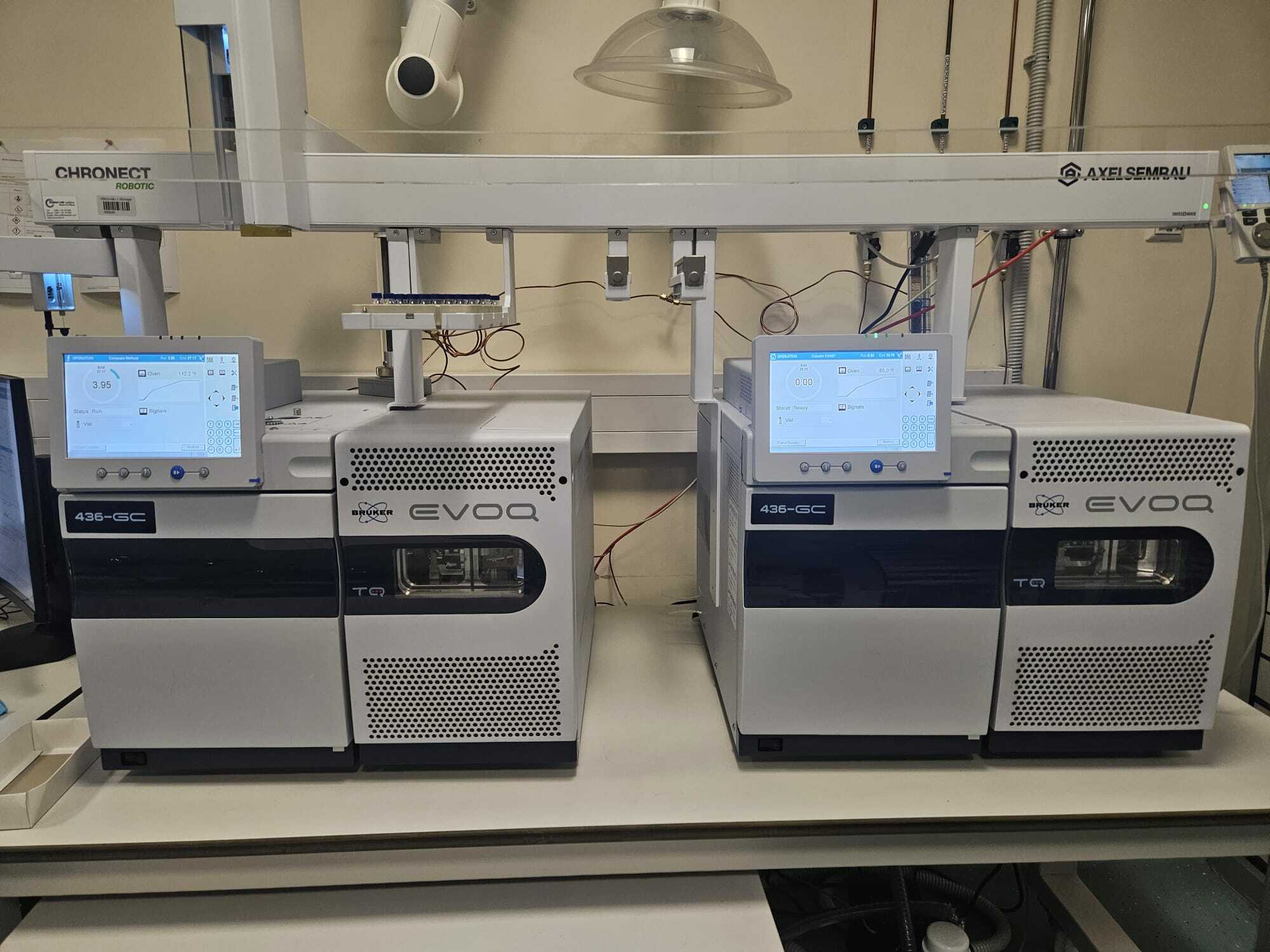
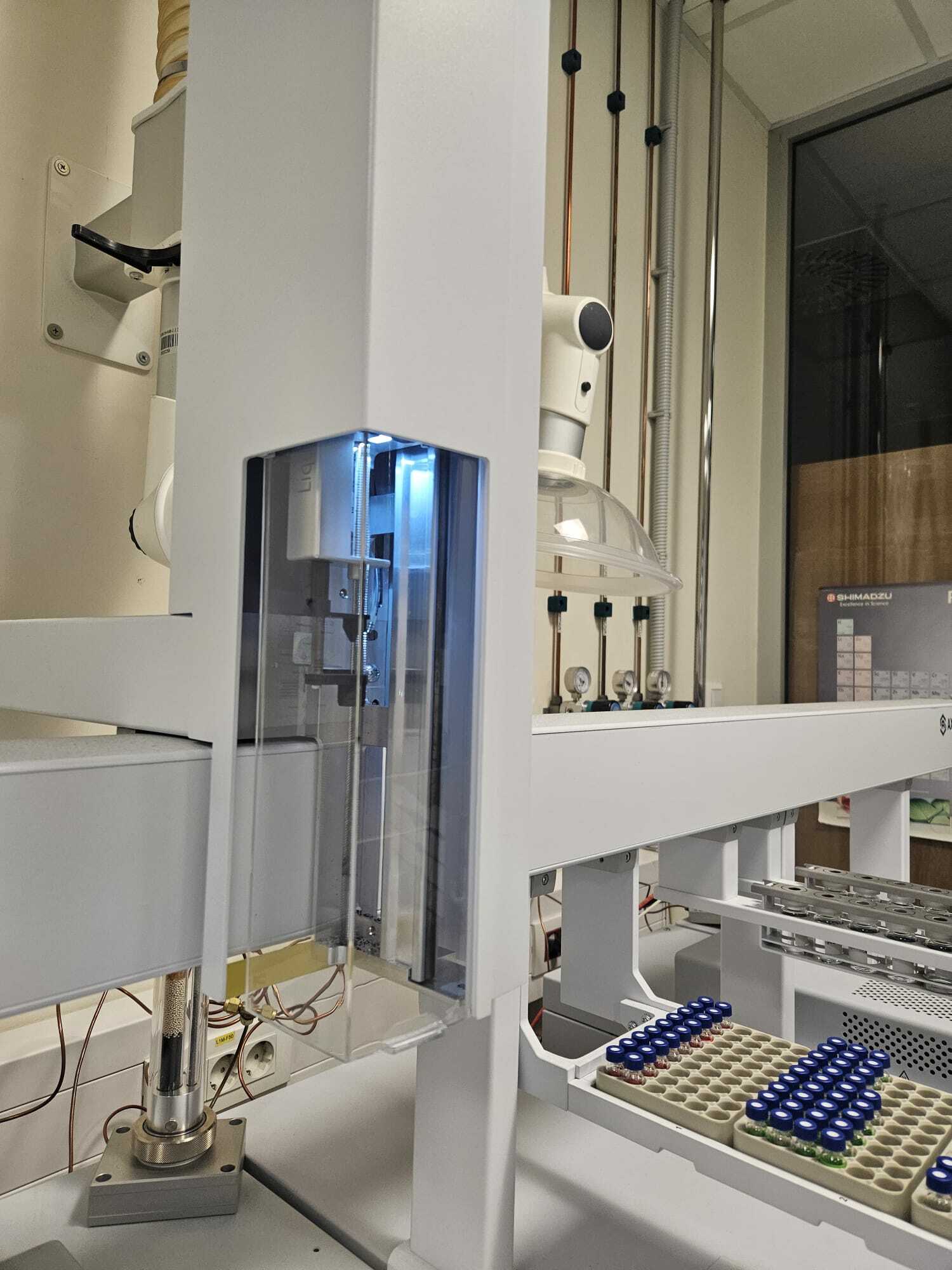
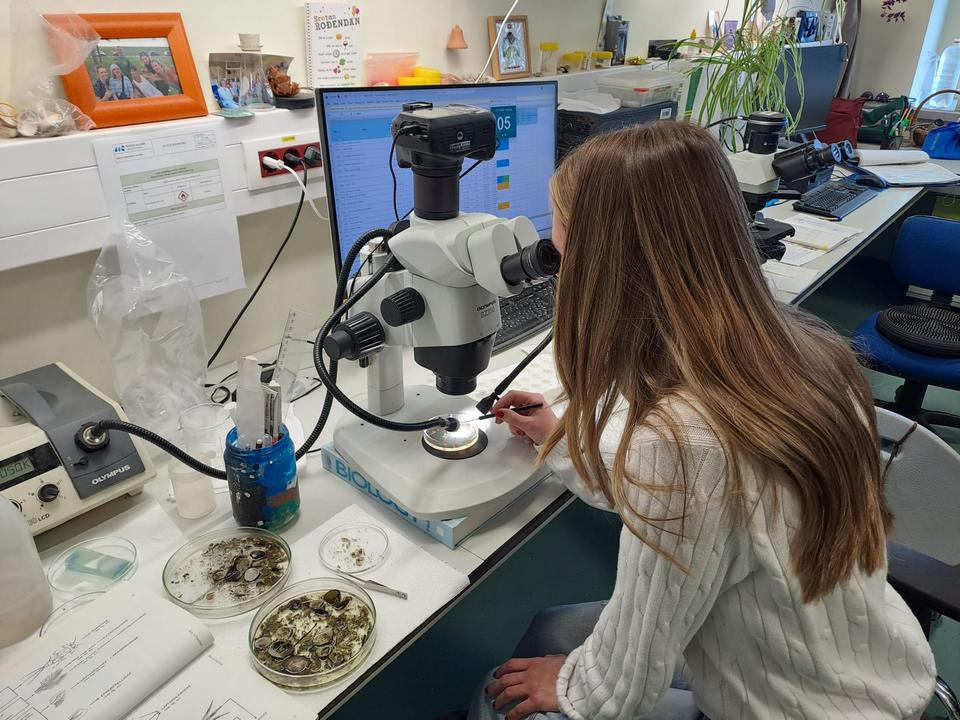
Monitoring of DEHP forms part of the systematic monitoring of the chemical status of surface waters carried out by the Josip Juraj Strossmayer Water Institute. Such monitoring enables the timely detection of changes, the tracking of trends, and provides an expert basis for the protection of aquatic ecosystems and the management of water resources.
Monitoring results for 2024 show that DEHP concentrations at all monitoring stations remained within the prescribed limit values.
Text prepared by: Dora Vlahović