The Second Ministerial Meeting of the Union for the Mediterranean on Water was held in Rome on 28 September, where a new Ministerial Declaration on Water for the Mediterranean was adopted. The Declaration confirms that water in the Mediterranean region is not only an environmental issue, but also a matter of health, development, climate resilience, regional stability, and cooperation among countries.
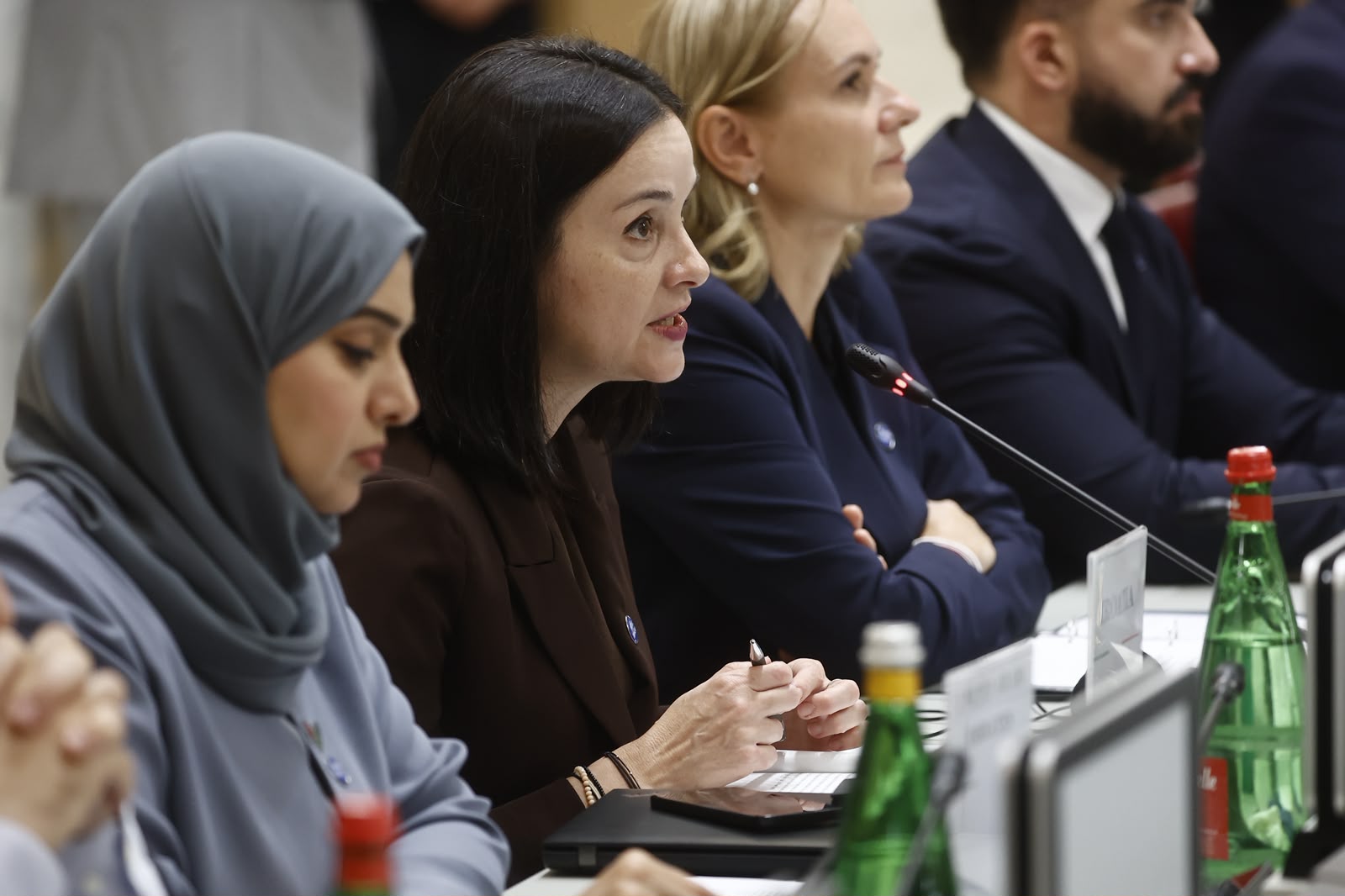
The meeting was co-chaired by Jordan and the European Commission, with Italy as the host country. It brought together delegations from 40 Union for the Mediterranean member states, with Croatia represented by Minister of Environmental Protection and Green Transition Marija Vučković. The meeting took place against the backdrop of growing water scarcity, climate change, pollution, and increasing pressure on water resources, infrastructure, and ecosystems.
The Declaration builds on the 2017 Malta agreement and the Union for the Mediterranean Water Agenda. Countries reaffirmed their objective of strengthening regional cooperation to ensure safe access to water for human consumption and sanitation services, promote integrated water resources management, and increase resilience to droughts, floods, and other climate-related risks.
The Mediterranean region is already facing the consequences of droughts, floods, wildfires, landslides, and deteriorating water quality. The Declaration therefore emphasizes pollution reduction, more efficient water use, reducing losses in water supply systems, the safe reuse of treated water, and the development of additional water sources wherever these are technically, environmentally, and economically justified.
Particular emphasis was placed on preventive water risk management: risk-based planning, early warning systems, linking water policy with spatial planning, agriculture, energy, and environmental protection, as well as better use of data, monitoring, modelling, and digital solutions.
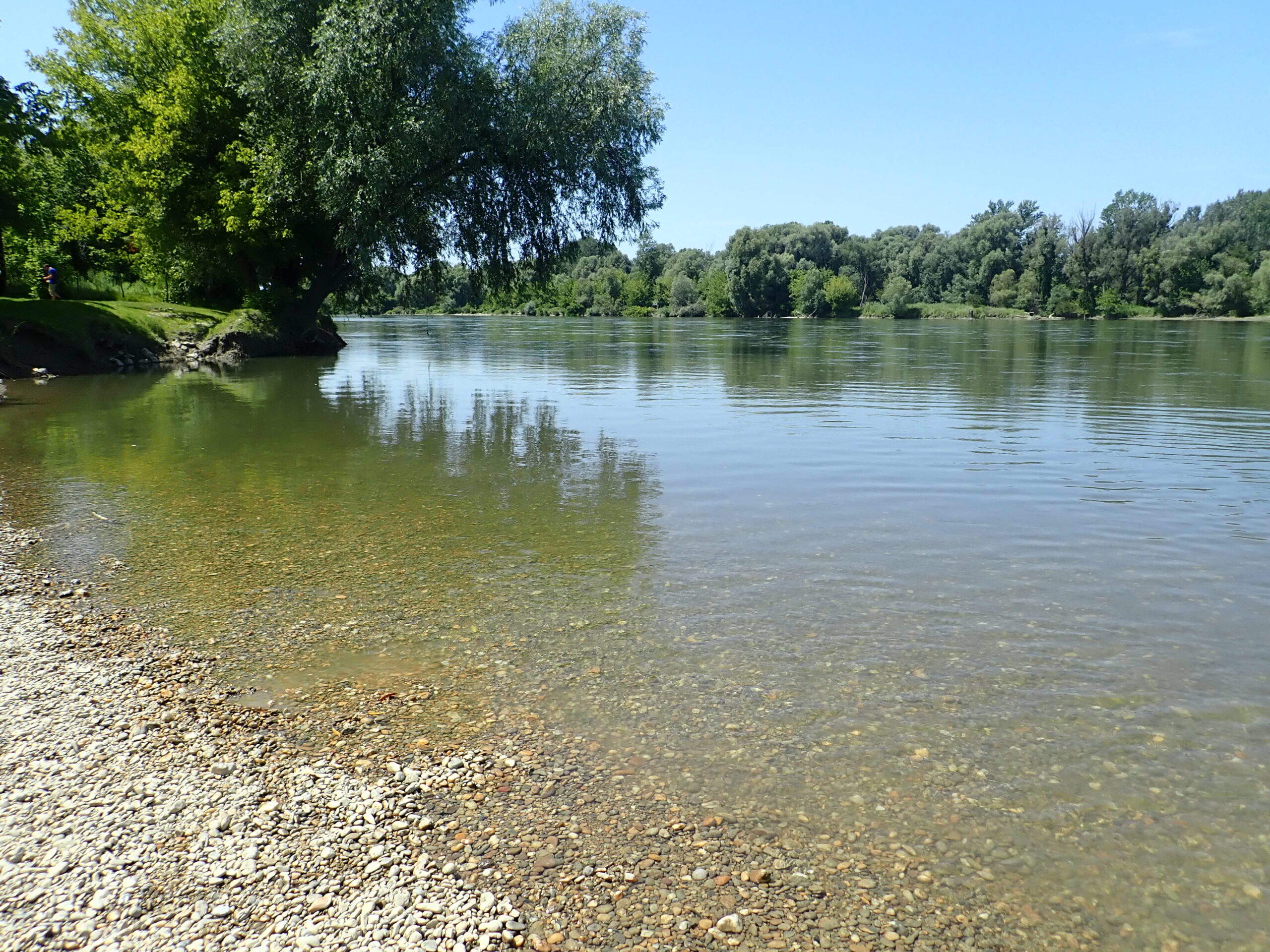
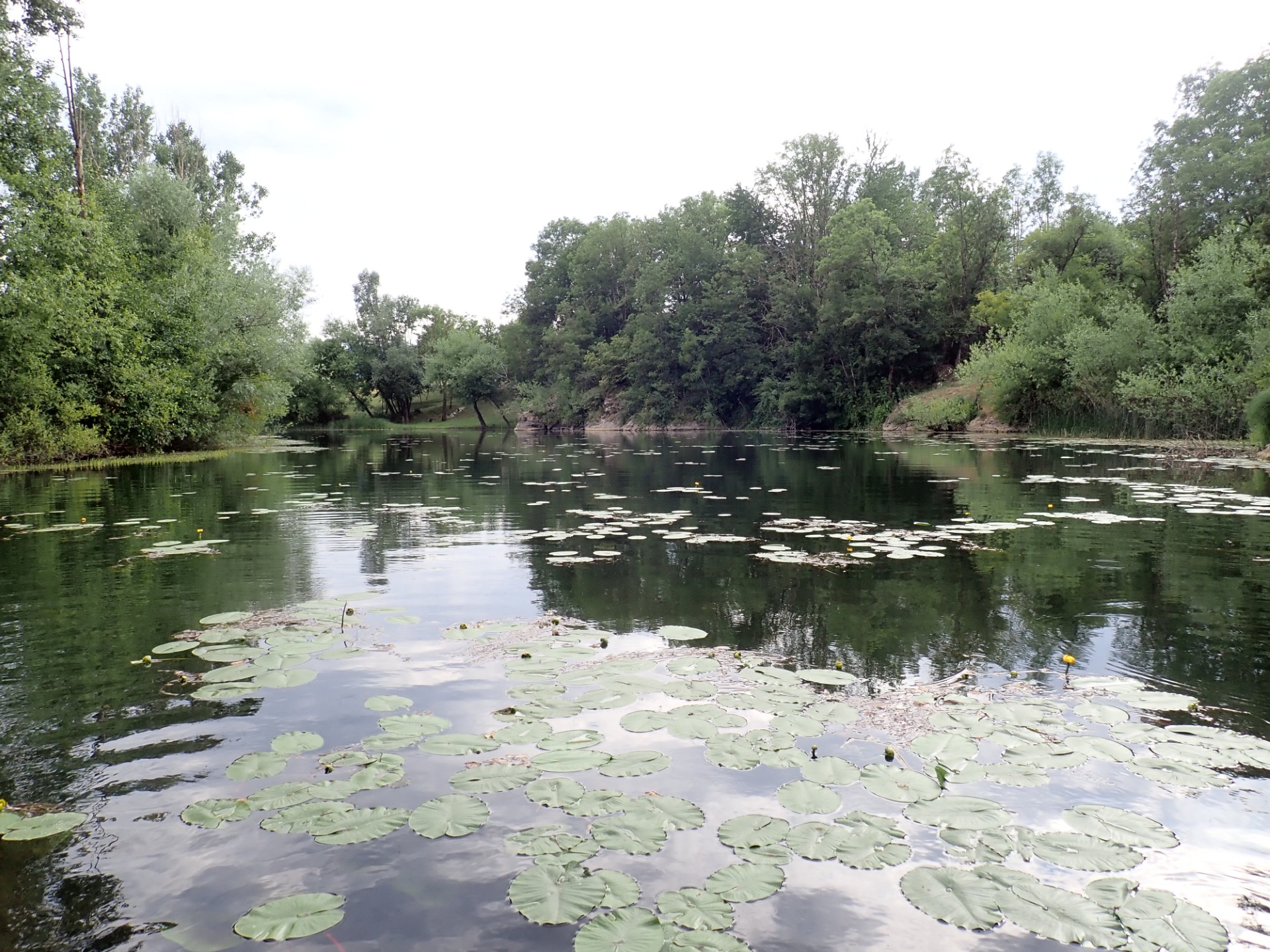
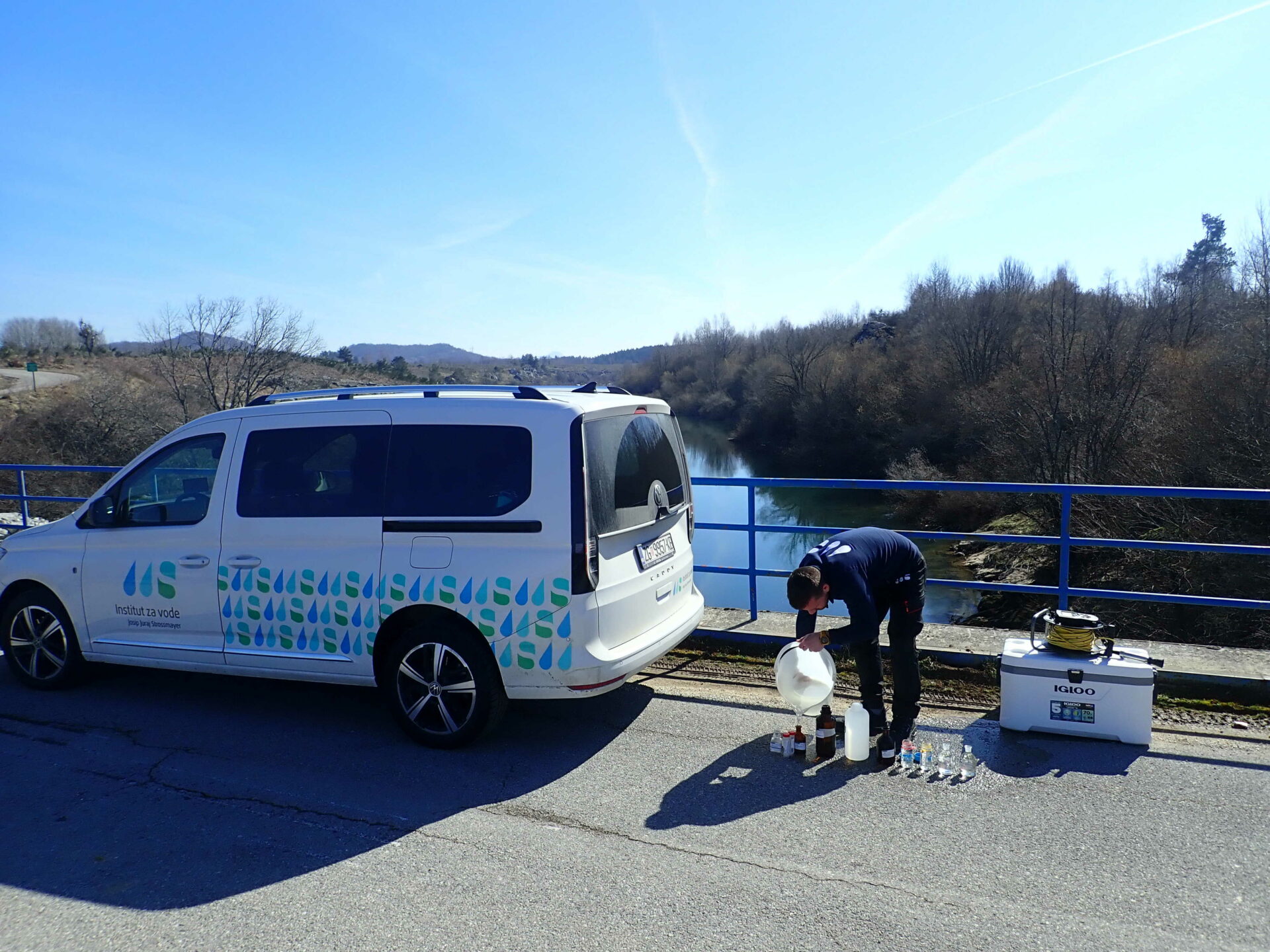
The Rome Declaration calls on countries to shift water risk management from a reactive approach towards a preventive and anticipatory one. Such an approach begins with reliable data on the state of water resources, changes in water systems, and the pressures affecting them. The Josip Juraj Strossmayer Institute for Water monitors surface water, groundwater, transitional and coastal waters, collecting data on the quantity, quality, and changes in water systems. It also prepares reports on the state of water resources and provides expert assessments to support the management of river basin districts and flood risks. Timely identification of changes and risk assessment at the level of the entire river basin make it possible to translate scientific and technical data into preventive measures, rather than responding only after a drought, flood, or pollution incident has occurred.
For Croatia, the conclusions of the meeting are particularly relevant due to the vulnerability of Adriatic, island, and karst water systems to seasonal water scarcity, salinisation, droughts, tourism-related pressures, and climate extremes. Protecting water sources and groundwater, reducing losses in public water supply systems, managing floods and droughts, and preserving aquatic ecosystems require the integration of expert data, investment, and management decisions.
The meeting also launched the Rome Water Initiative. Its objective is to strengthen technical capacities, support the preparation of sustainable water projects, improve investment planning, and mobilise financing. The Initiative is not a fund or an open call for proposals, but it may create opportunities for regional partnerships and for linking projects with technical assistance and potential sources of financing.
The Rome Declaration shows that water security in the Mediterranean depends on continuous monitoring, resource protection, resilient infrastructure, responsible financing, and cross-border cooperation. Water is thus becoming one of the key areas for joint action to strengthen climate resilience, economic security, and the long-term stability of the entire region.
The full Union for the Mediterranean Ministerial Declaration on Water is available on the website of the Italian Ministry of Foreign Affairs and International Cooperation, at the following link.
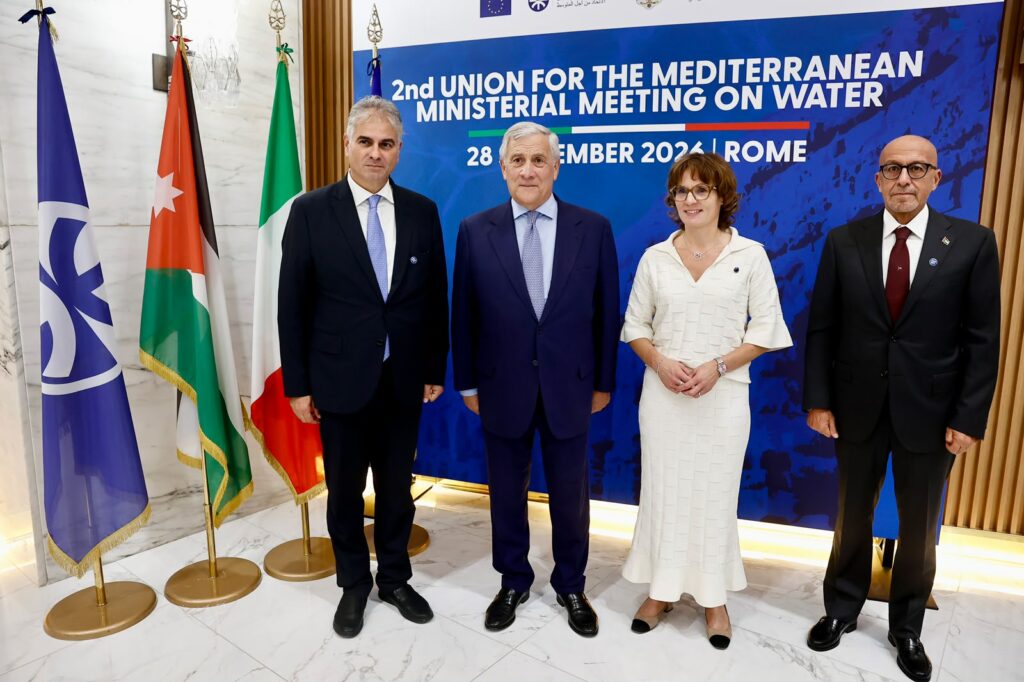
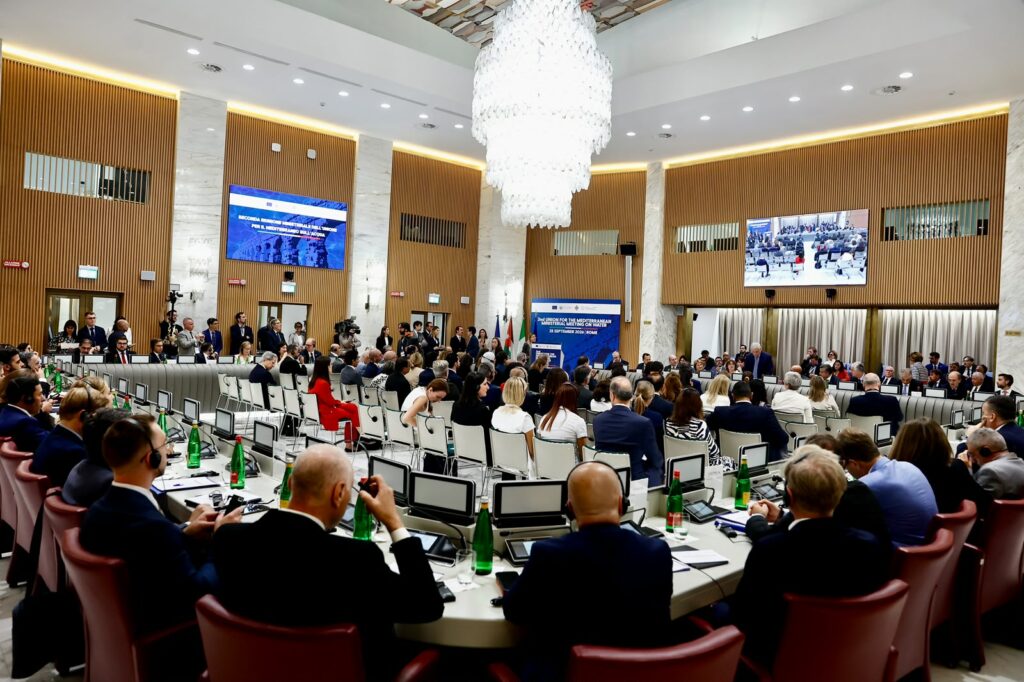
Photo: MAECI–ANSA