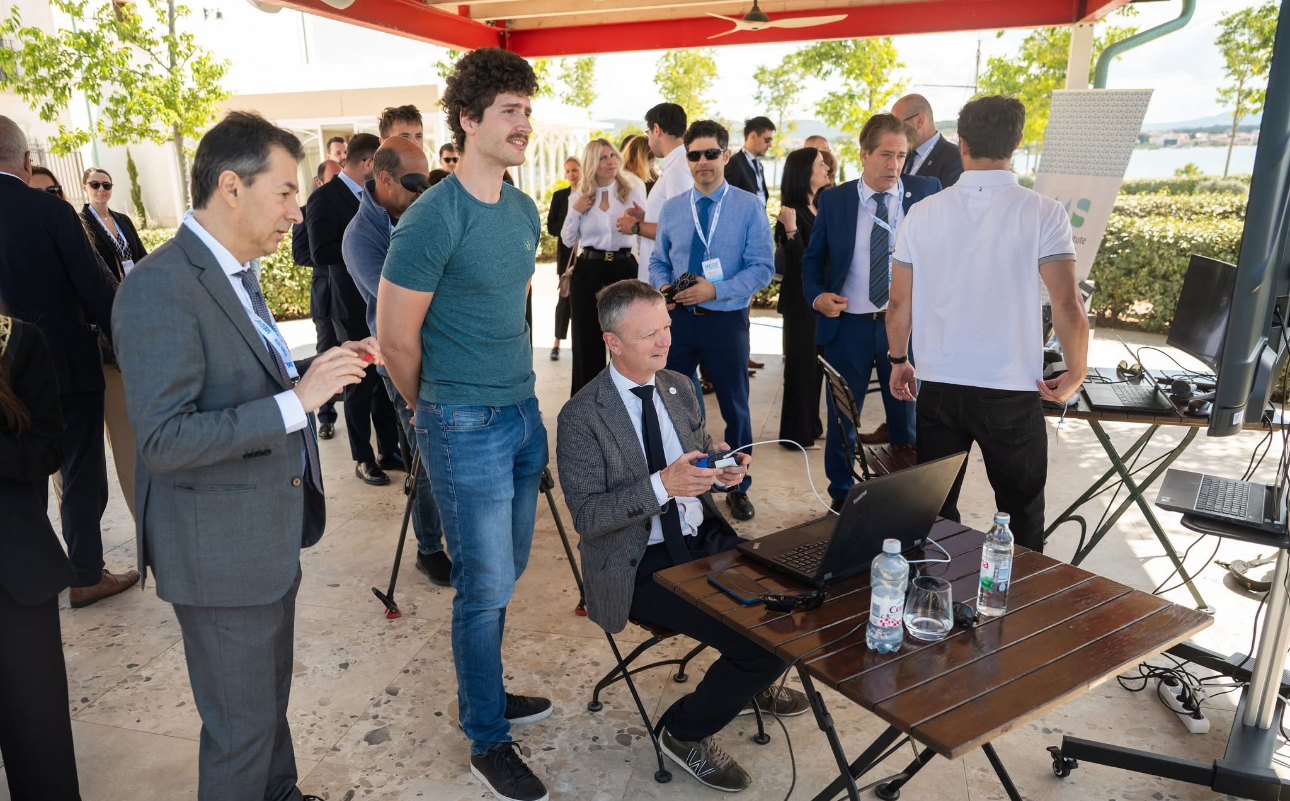
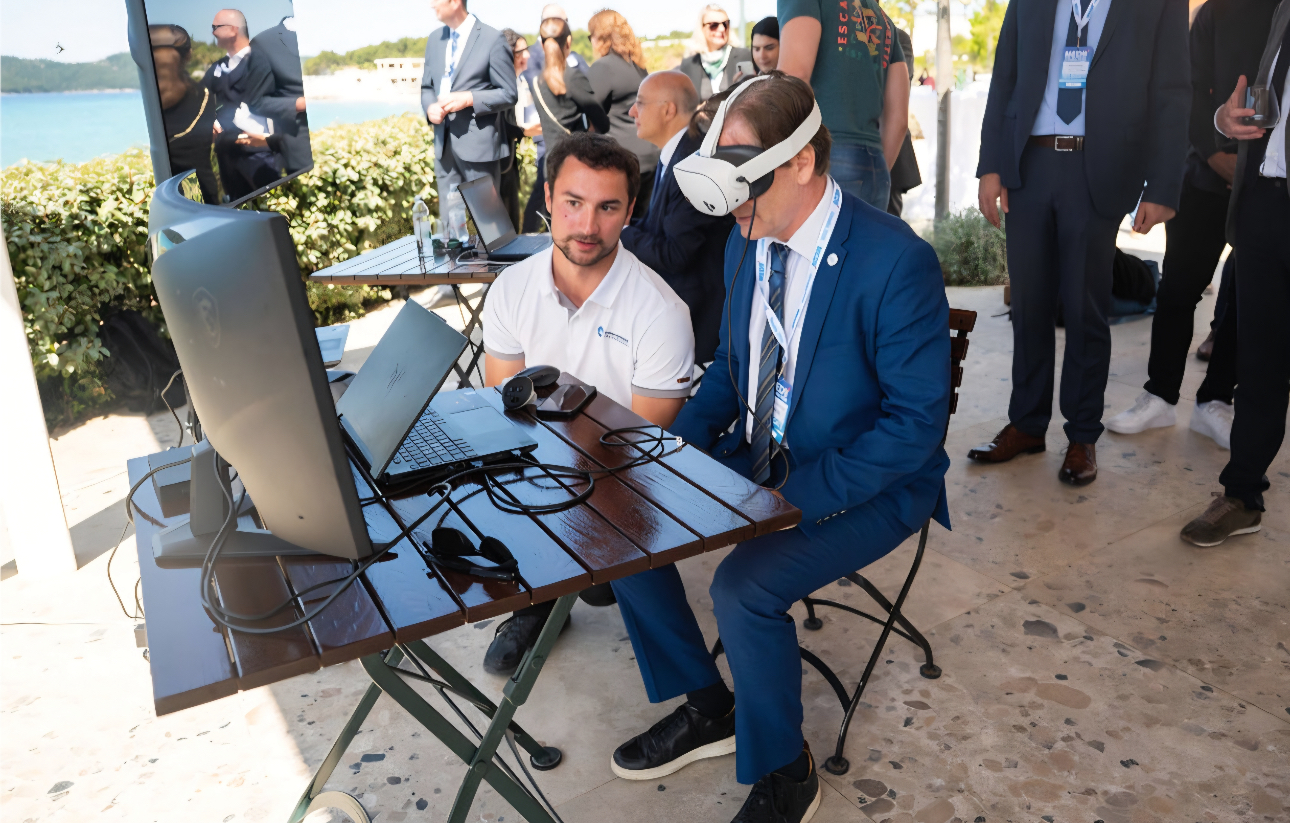
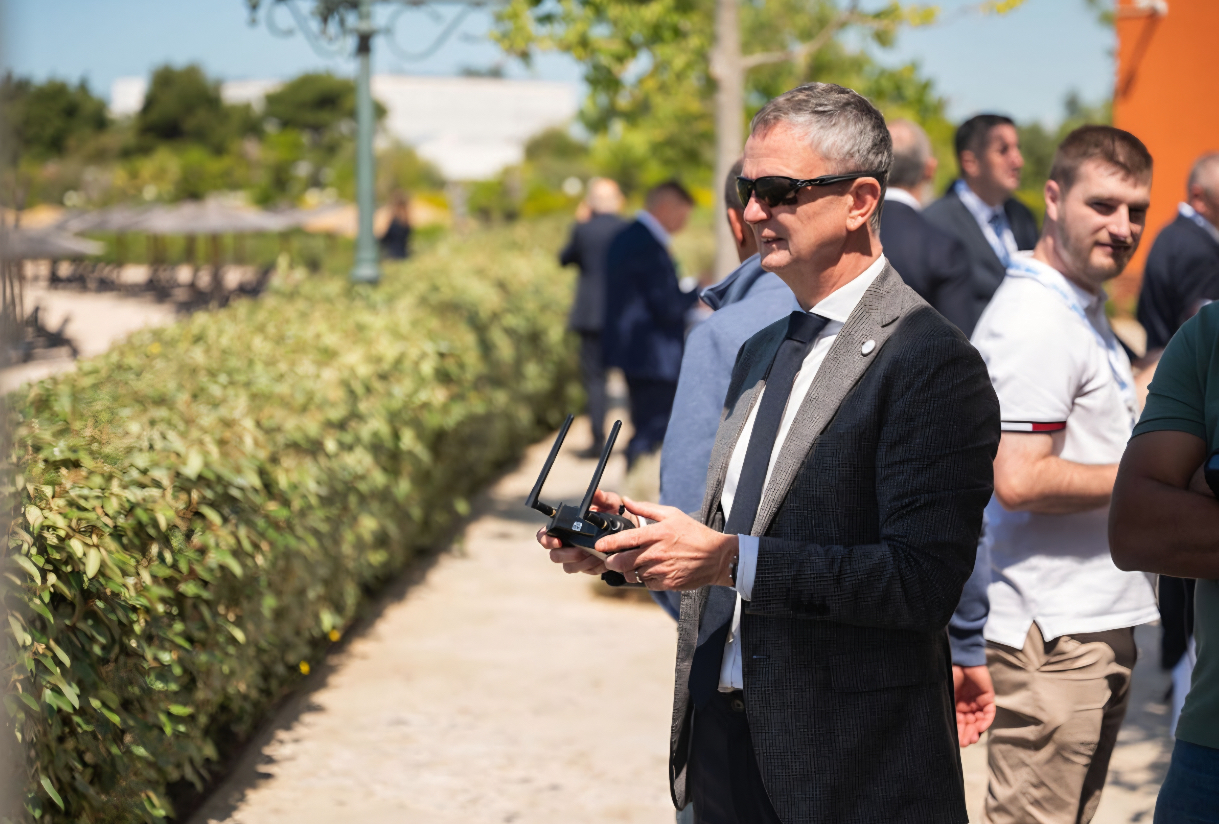
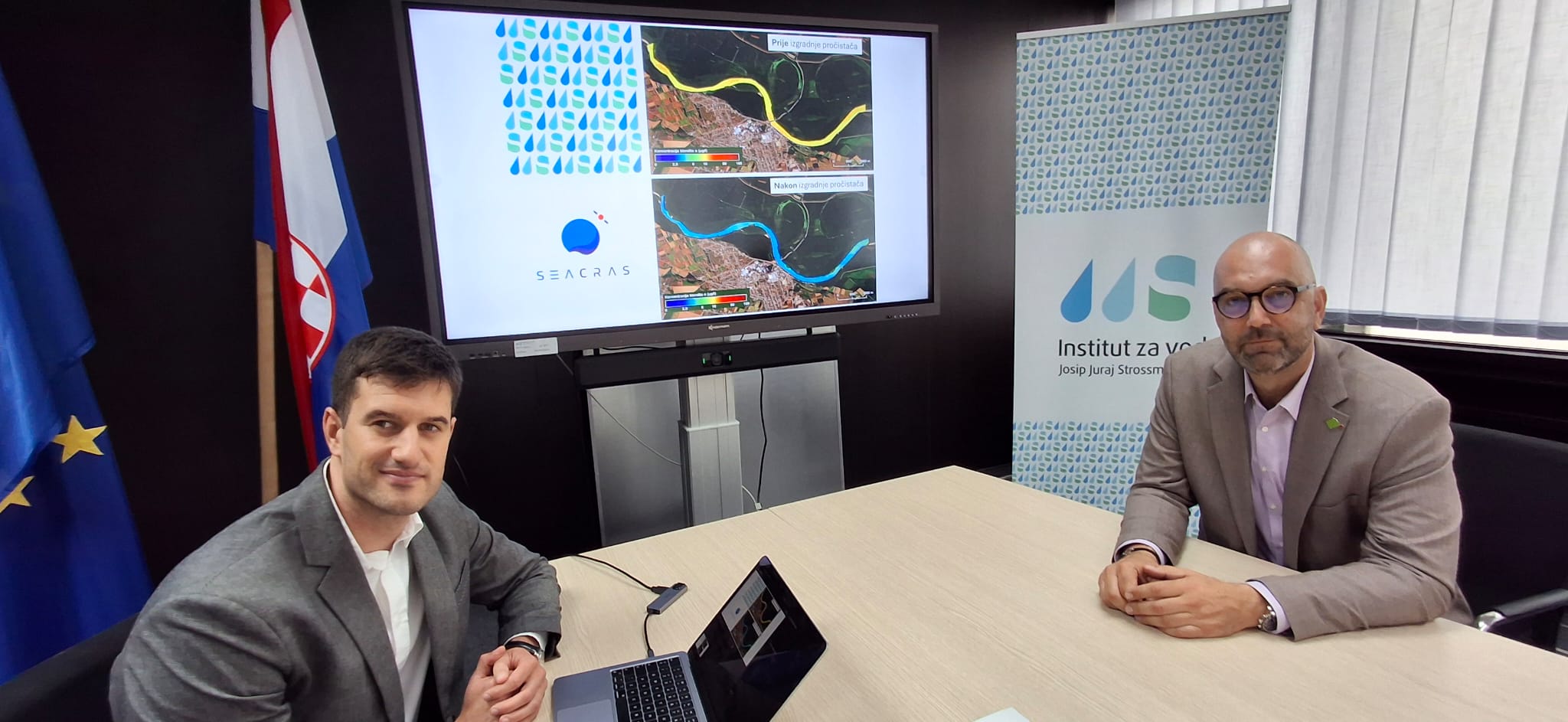
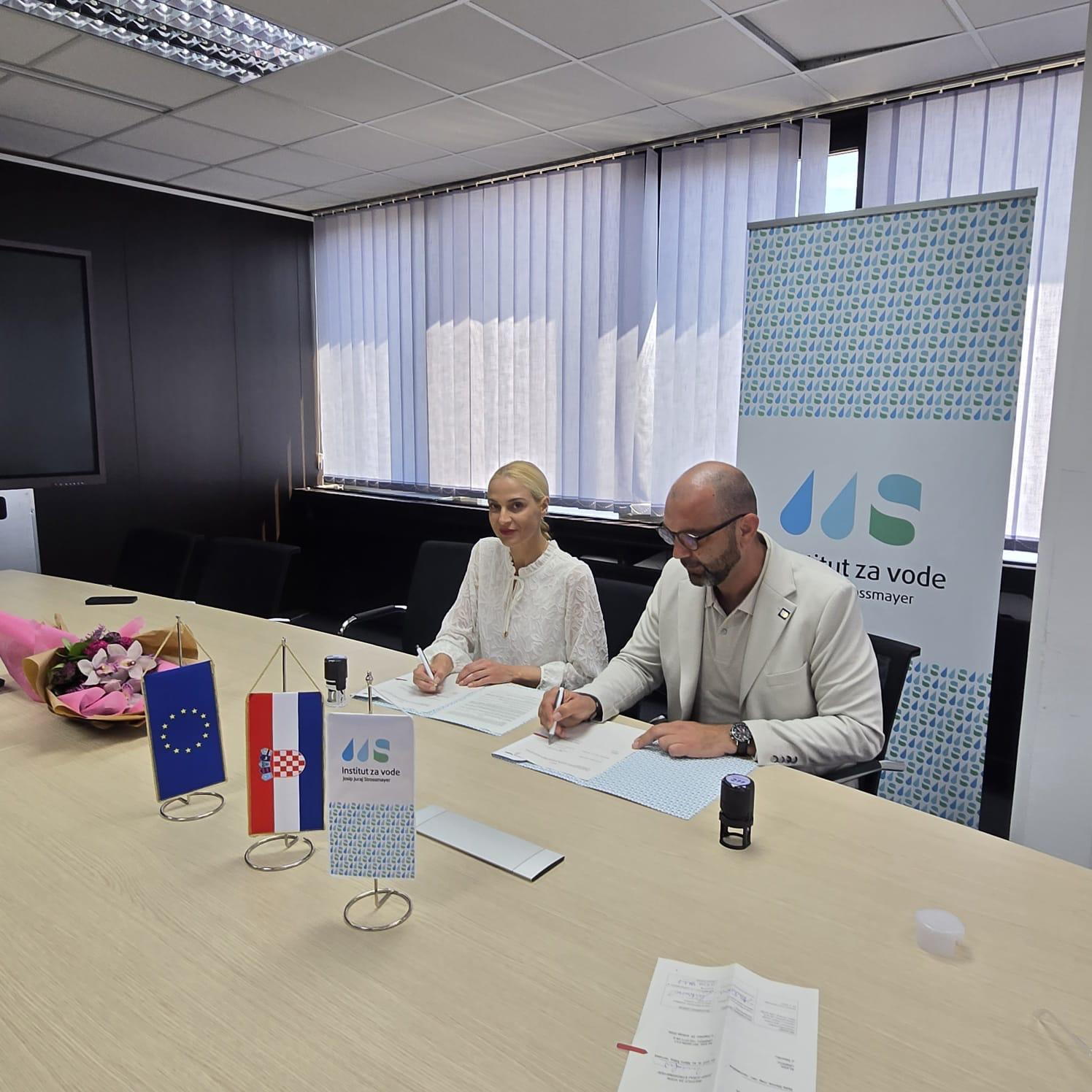
The presentation of Croatian technologies for microplastics monitoring, jointly organized in Šibenik by the Josip Juraj Strossmayer Water Institute and its partner Innovamare במסגרת the meeting of environment ministers of the MED9 Member States, attracted significant interest from delegations of Mediterranean countries, representatives of the professional community, and national media outlets.
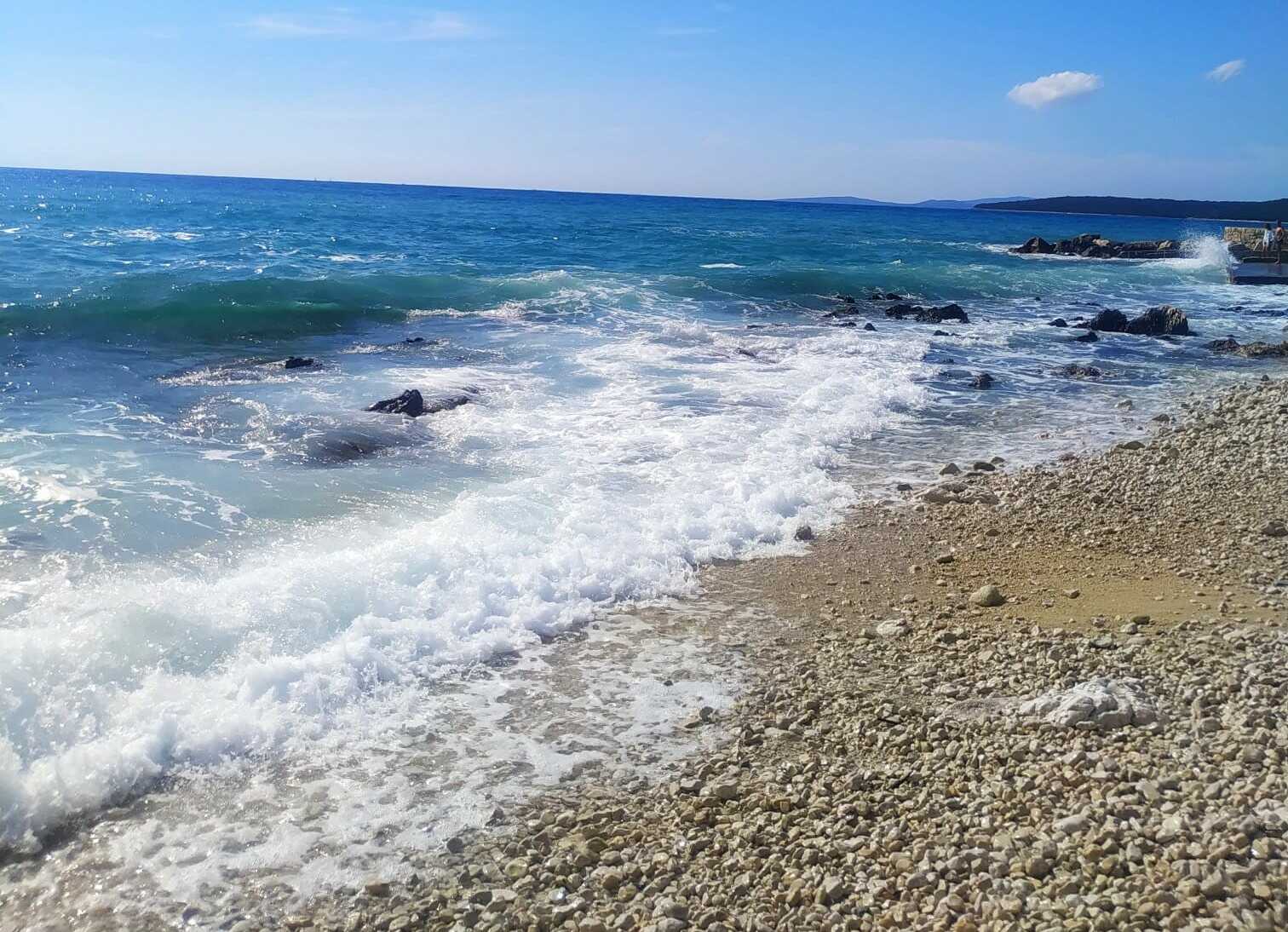
A particular value of the presentation was the live demonstration of the system operating under real marine environmental conditions directly along the coastline, where participants had the opportunity to observe the integration of field sampling, large-volume water filtration, laboratory analytics, and autonomous and underwater systems for environmental monitoring.
At the centre of attention was the “Tiny Trap” system, the Institute’s developmental solution for representative microplastics sampling, as well as its integration with autonomous vessels and underwater drones developed by Innovamare. The presented concept demonstrated the possibilities of modern marine and water monitoring through interoperable solutions developed in Croatia.
Additional attention was drawn by the fact that the showcased solutions are the result of cooperation between Croatia’s scientific, public, and innovation sectors, with a strong emphasis on the development of domestic technologies for water and marine protection and strengthening the resilience of Mediterranean ecosystems. The issue of microplastics was recognized as one of the major environmental challenges of today, particularly in the context of increasing pressures on the marine environment, ports, and coastal areas of the Mediterranean. For this reason, the development of reliable monitoring systems and representative sampling methods is becoming one of the key priorities for the future protection of waters, seas, and human health.
The Josip Juraj Strossmayer Water Institute would like to thank the Ministry of Environment and Green Transition for the opportunity to present the Institute’s work within the framework of Croatia’s MED9 presidency, as well as for its continuous support for activities aimed at developing modern solutions for water monitoring and marine environmental protection.
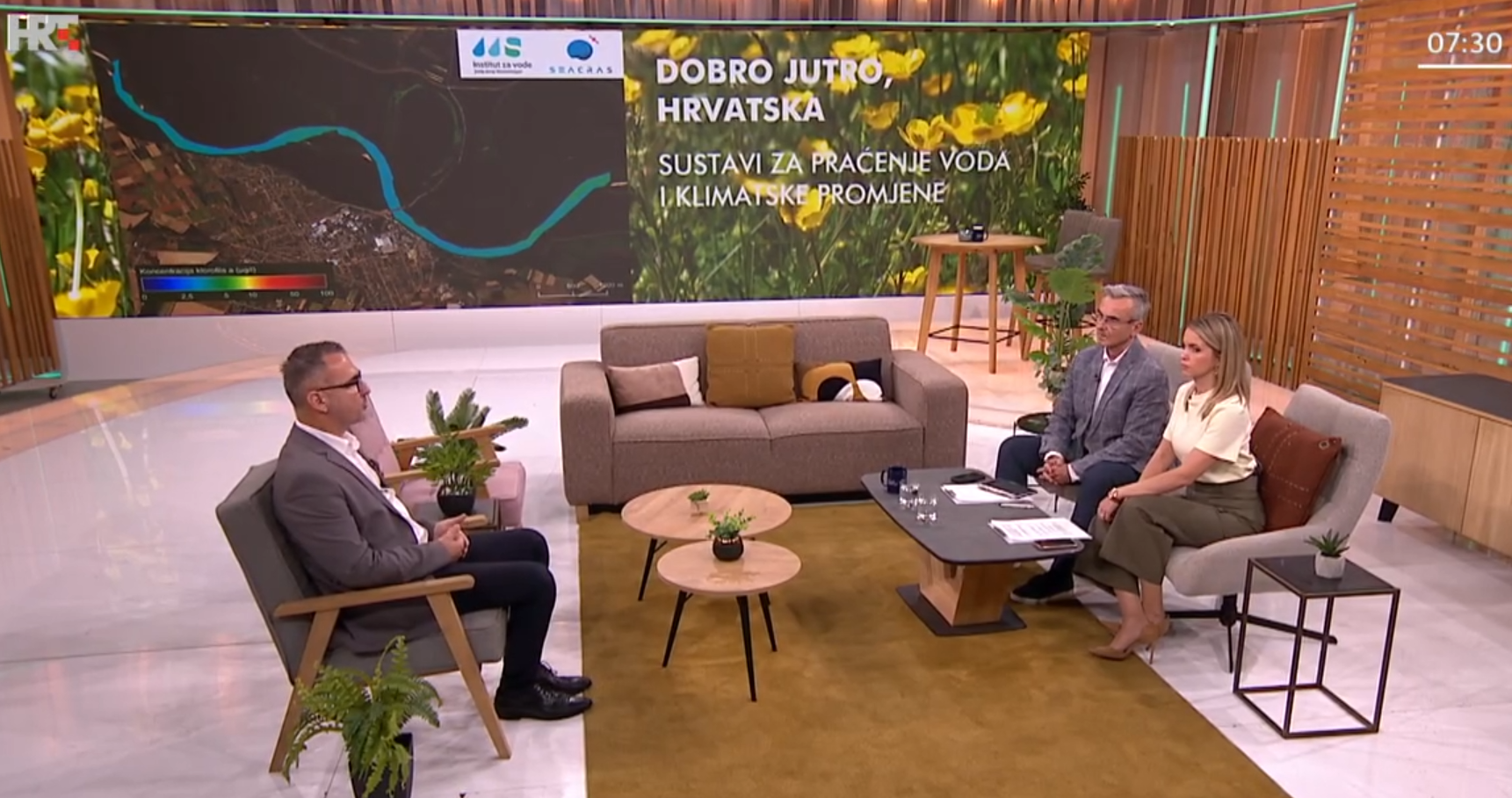
The report broadcast on the news programme of Croatian Radiotelevision is available at the following link.