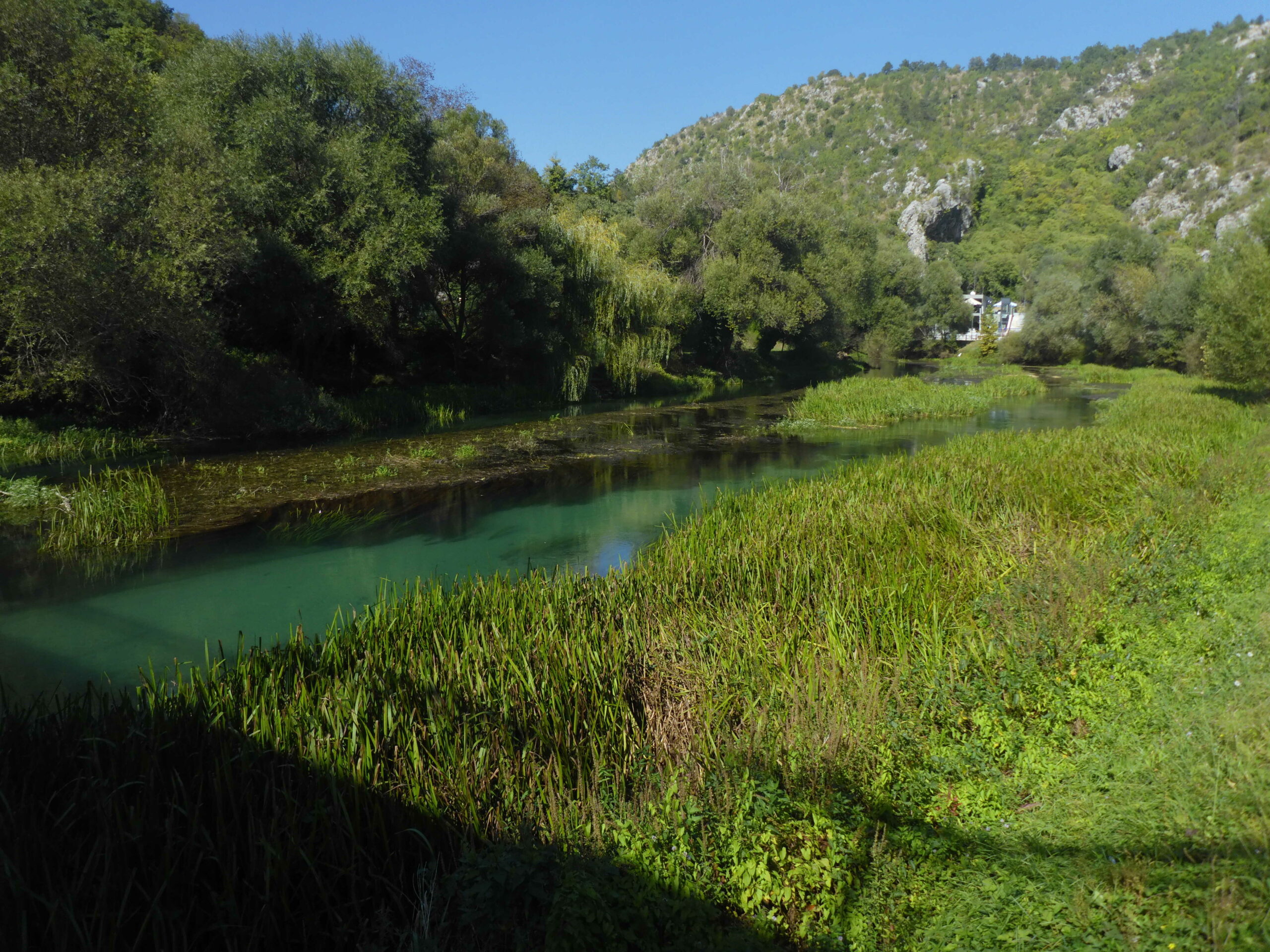
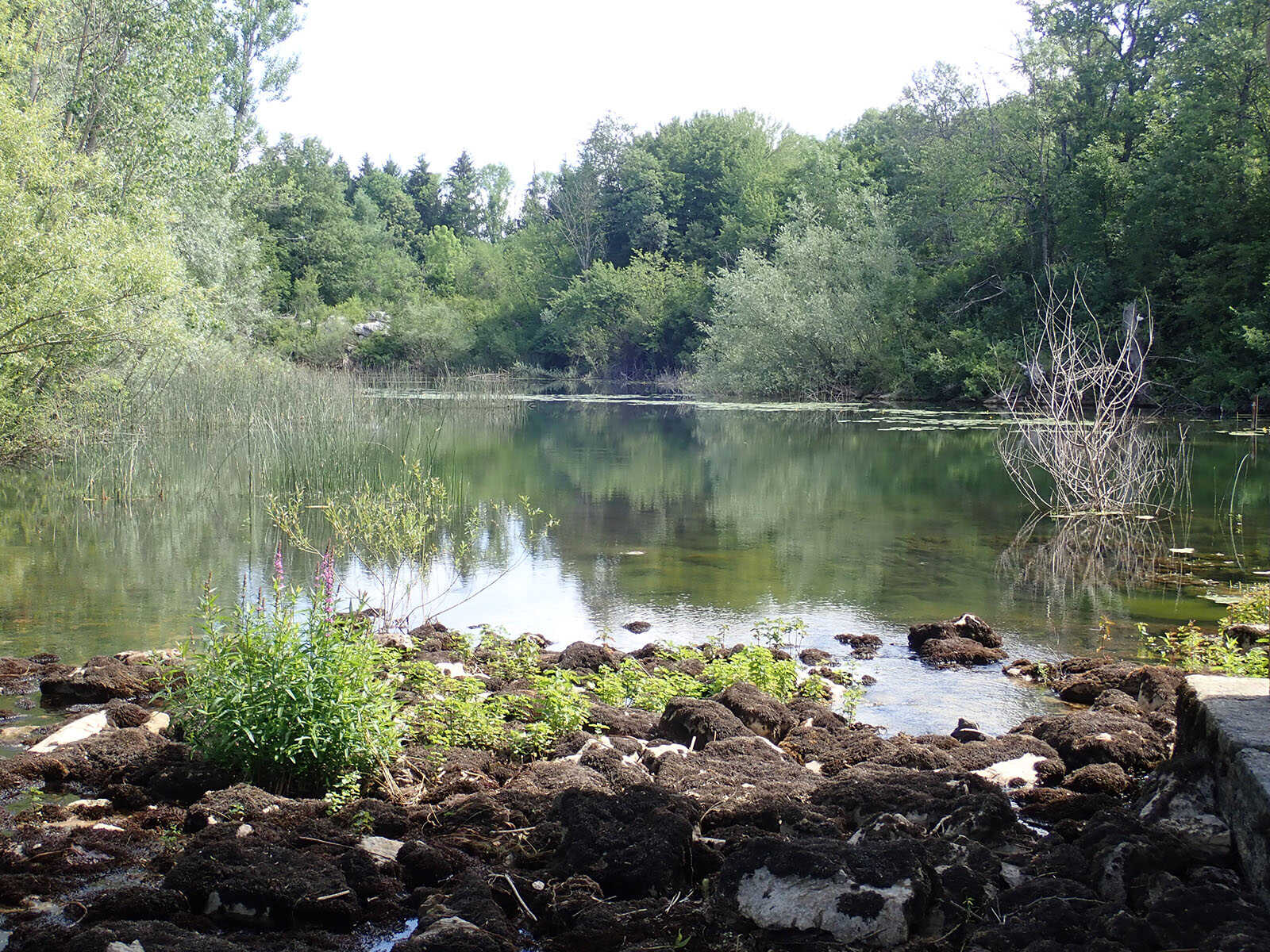
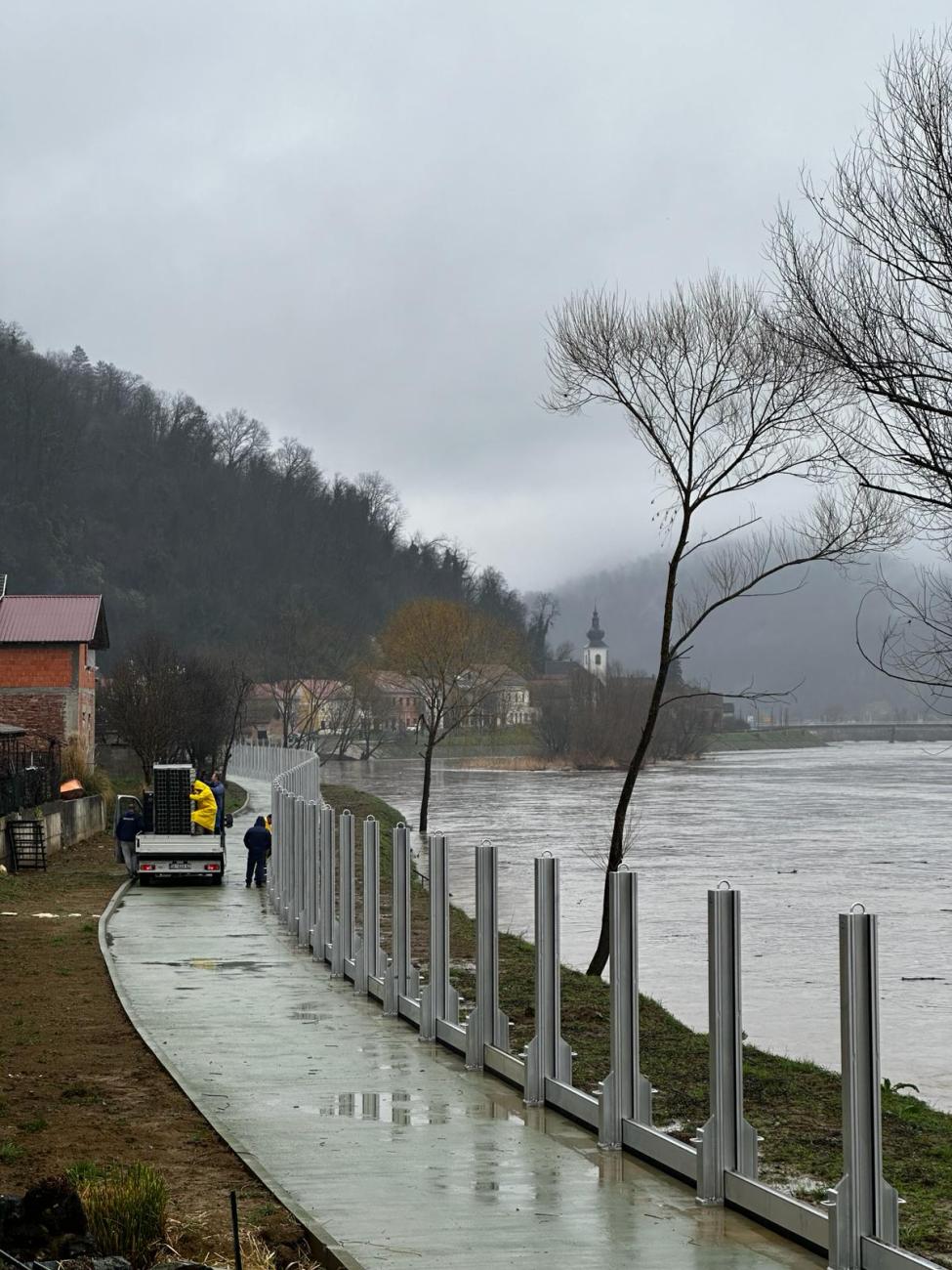
Riparian vegetation, the belt of plants growing along riverbanks, plays an important role in maintaining the stability and functionality of river ecosystems. Although it is often perceived merely as part of the landscape, its significance encompasses a range of processes that directly influence water quality and the condition of watercourses.
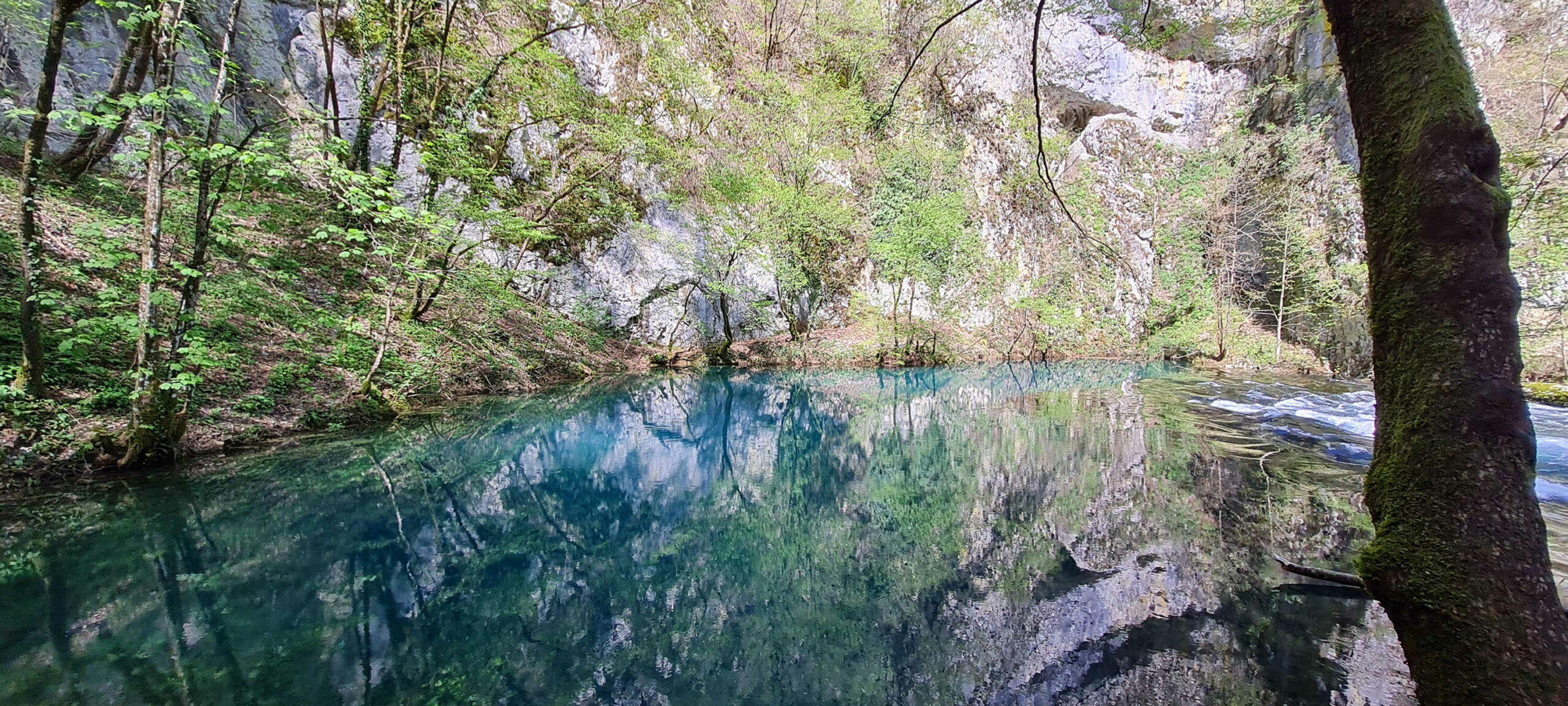
Under natural conditions, rivers are dynamic systems characterized by changing habitats and flow conditions. Riparian vegetation connects aquatic and terrestrial environments and enables interaction between them. One of its key functions is the stabilization of riverbanks—plant roots strengthen the soil and reduce erosion, thereby preventing excessive sediment input into the watercourse.
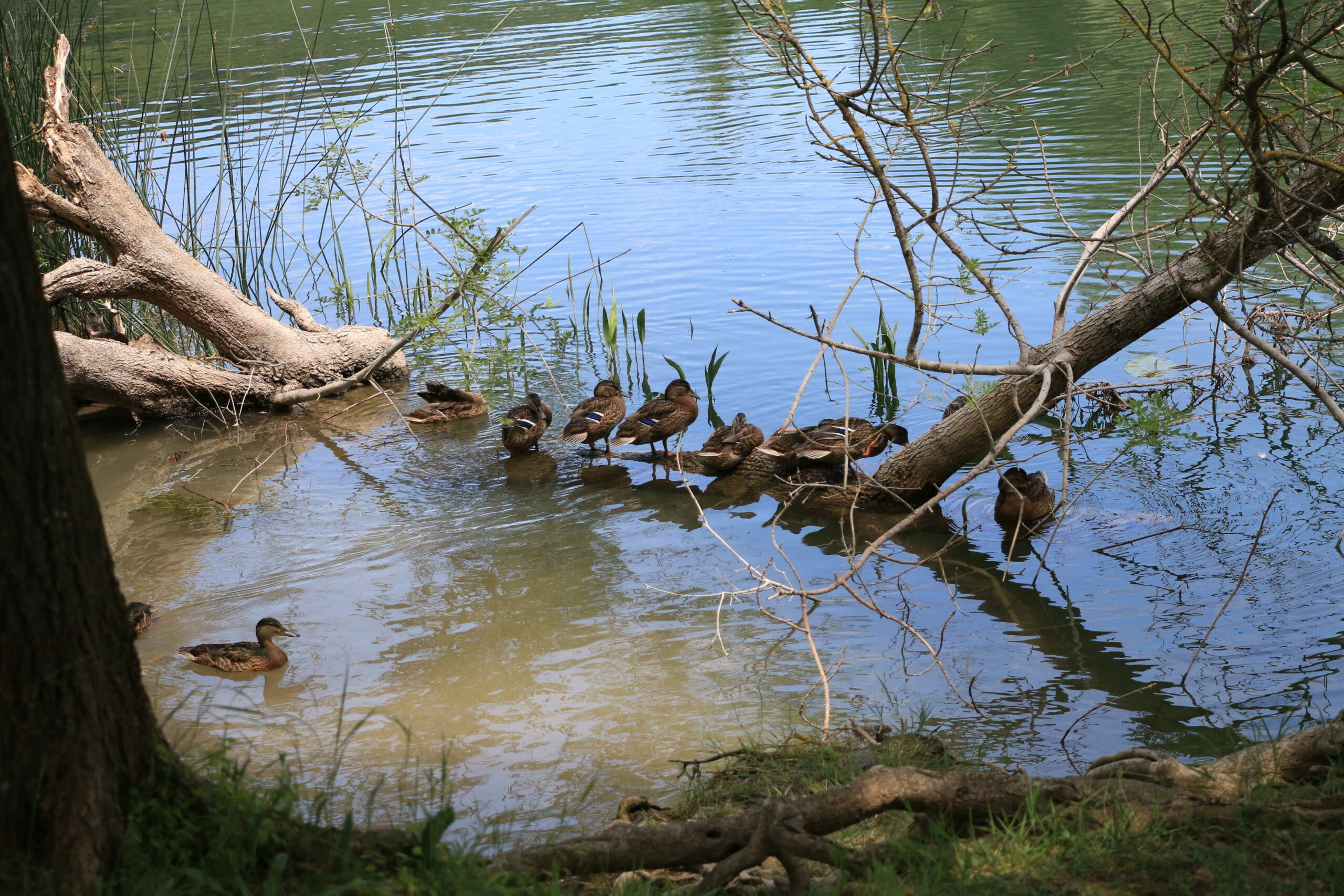
Riparian vegetation also plays an important role in regulating water temperature. By shading watercourses, it reduces warming and mitigates temperature fluctuations, which is particularly important for organisms sensitive to environmental changes, as well as for preventing streams from drying out during warmer months. At the same time, riparian vegetation is a source of organic matter. Fallen leaves and plant debris enter the water and form the basis of food webs, especially in smaller watercourses. In addition, roots and submerged plant parts provide shelter for numerous organisms, including invertebrates and fish, thereby contributing to habitat diversity.
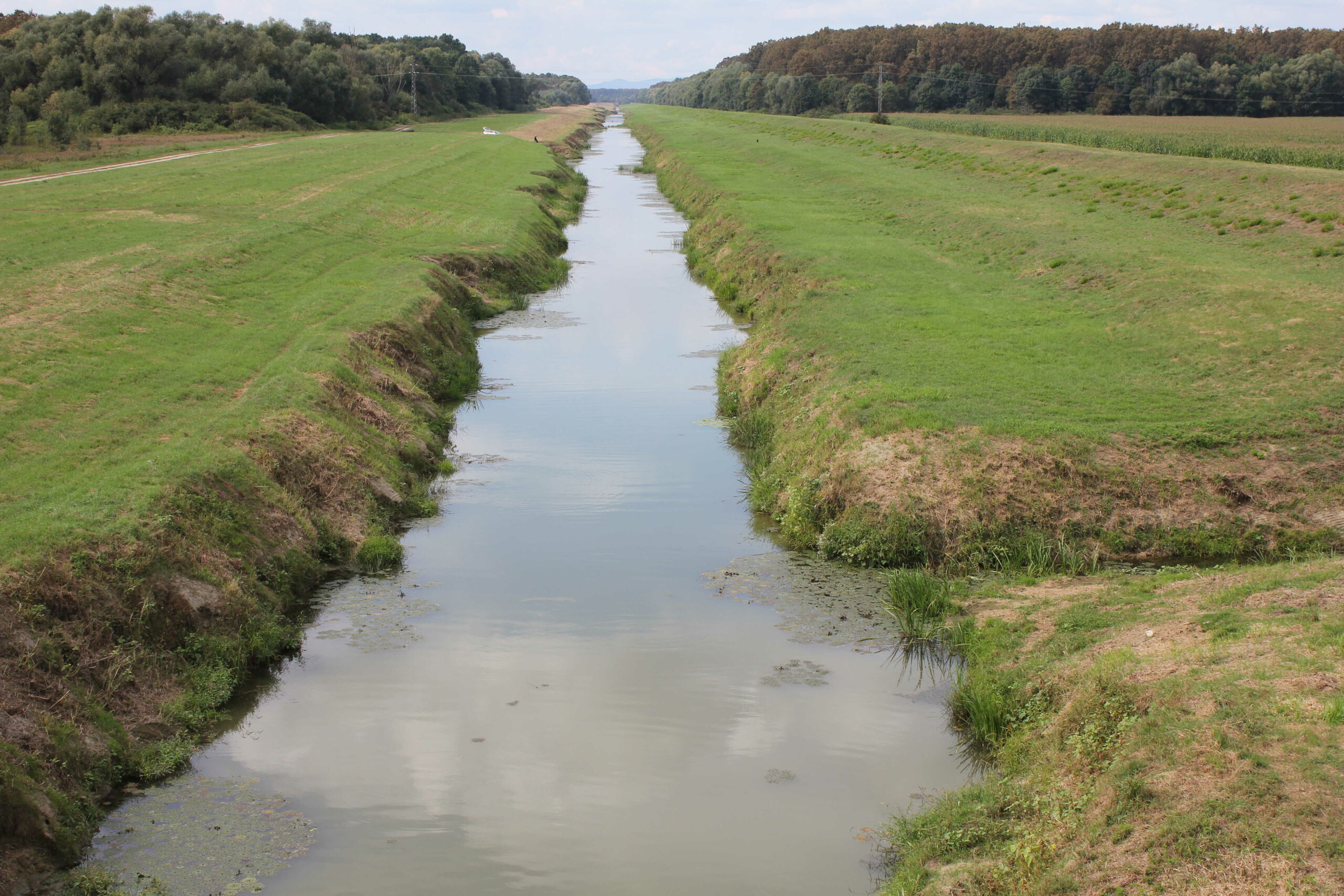
The removal of riparian vegetation leads to riverbank destabilization, increased erosion, changes in water temperature, and reduced availability of food and shelter. Consequently, changes occur in the composition of biological communities, particularly among species sensitive to habitat alterations. This is why the preservation of riparian vegetation is considered one of the key measures in water protection. Natural vegetation belts also act as filters, retaining nutrients and other pollutants from surface runoff, thereby contributing to improved water quality.
As part of its systematic monitoring of surface water quality, the Josip Juraj Strossmayer Water Institute monitors biological and hydromorphological indicators used to assess the impact of changes in riparian zones and to provide an expert basis for their protection. Riparian vegetation is therefore not merely a natural feature of rivers, but a key factor in their resilience, stability, and long-term sustainability.
Text prepared by: Marina Šumanović