Earth Day, observed on April 22, serves as a reminder of the importance of preserving natural resources and maintaining a responsible relationship with the environment. Nature functions as an interconnected system in which land, water, air, and living organisms are closely linked, and changes in one component inevitably affect all others. In this context, water holds a particularly important place. Covering around 70% of the Earth’s surface, it connects all parts of the planet. Although water is abundant, most of it is found in oceans and seas, while only a small proportion is available as freshwater suitable for drinking and everyday use. This limited availability makes water one of the most valuable natural resources.
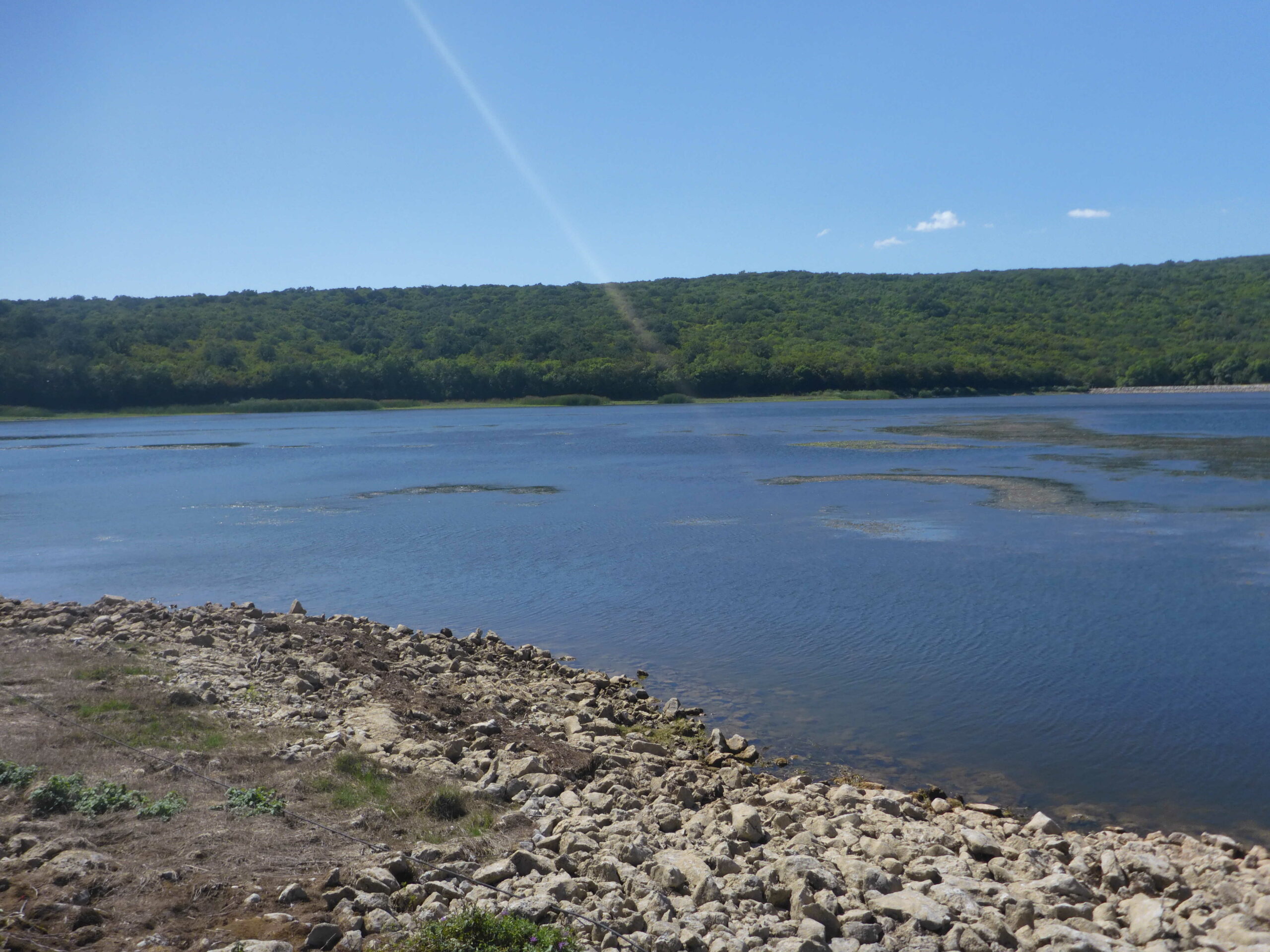
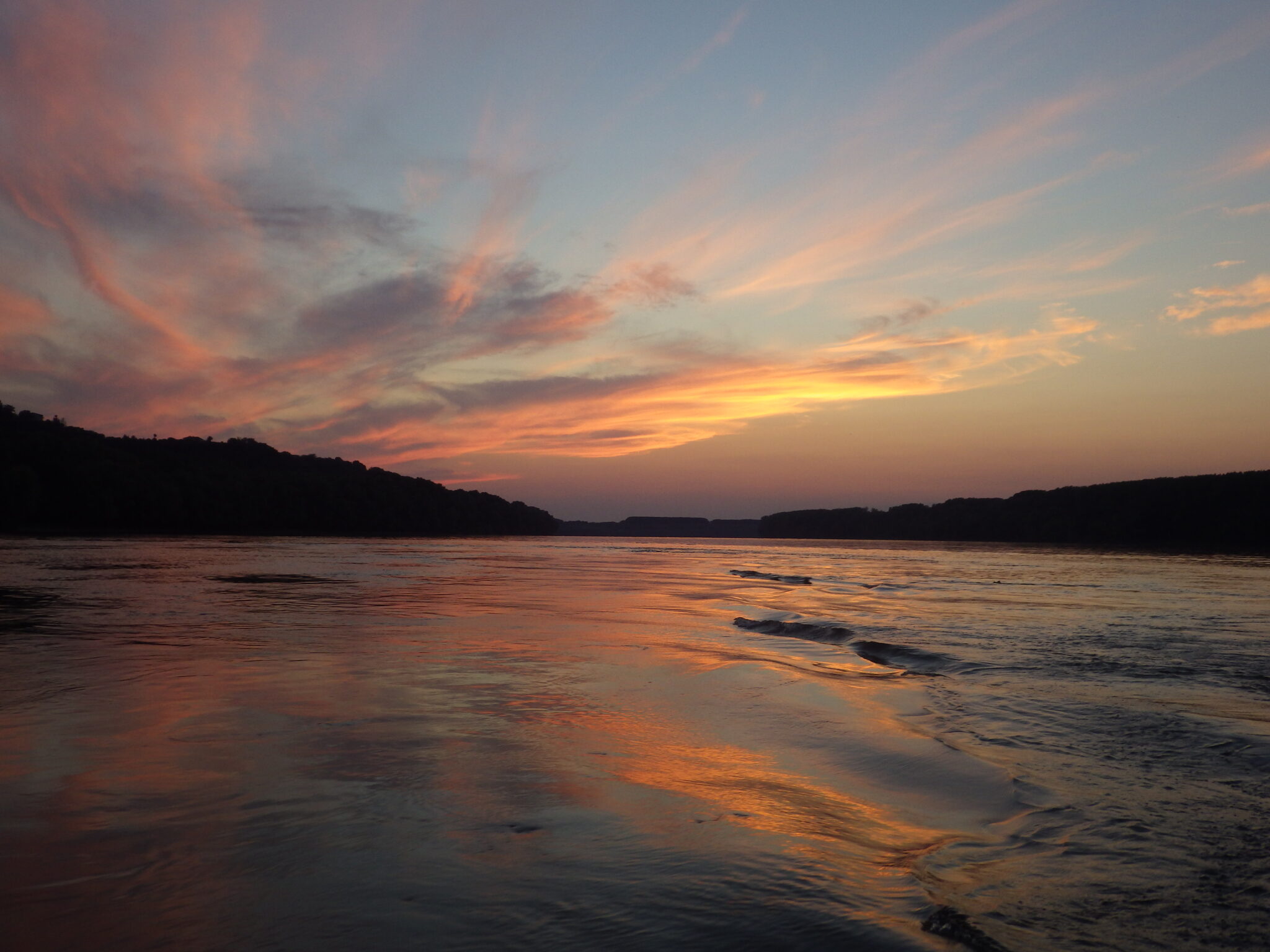
Water and land exist in constant interaction. Through natural processes, as well as human activities, substances from land—including pollutants—enter surface and groundwater systems. In this way, water quality directly reflects the condition of the surrounding land, while changes in aquatic systems, in turn, affect terrestrial ecosystems and the communities that depend on them. Through the natural water cycle, landscapes are shaped, ecosystems maintained, and the survival of numerous plant and animal species ensured. At the same time, water plays an important role in climate regulation, the transport of substances, and the maintenance of environmental balance.
Despite its importance, water resources are facing numerous pressures. Pollution, climate change, overexploitation, and changes in land use all affect the quantity and quality of available water. Freshwater systems are particularly vulnerable, representing only a small share of global water resources, yet remaining essential for both people and nature.
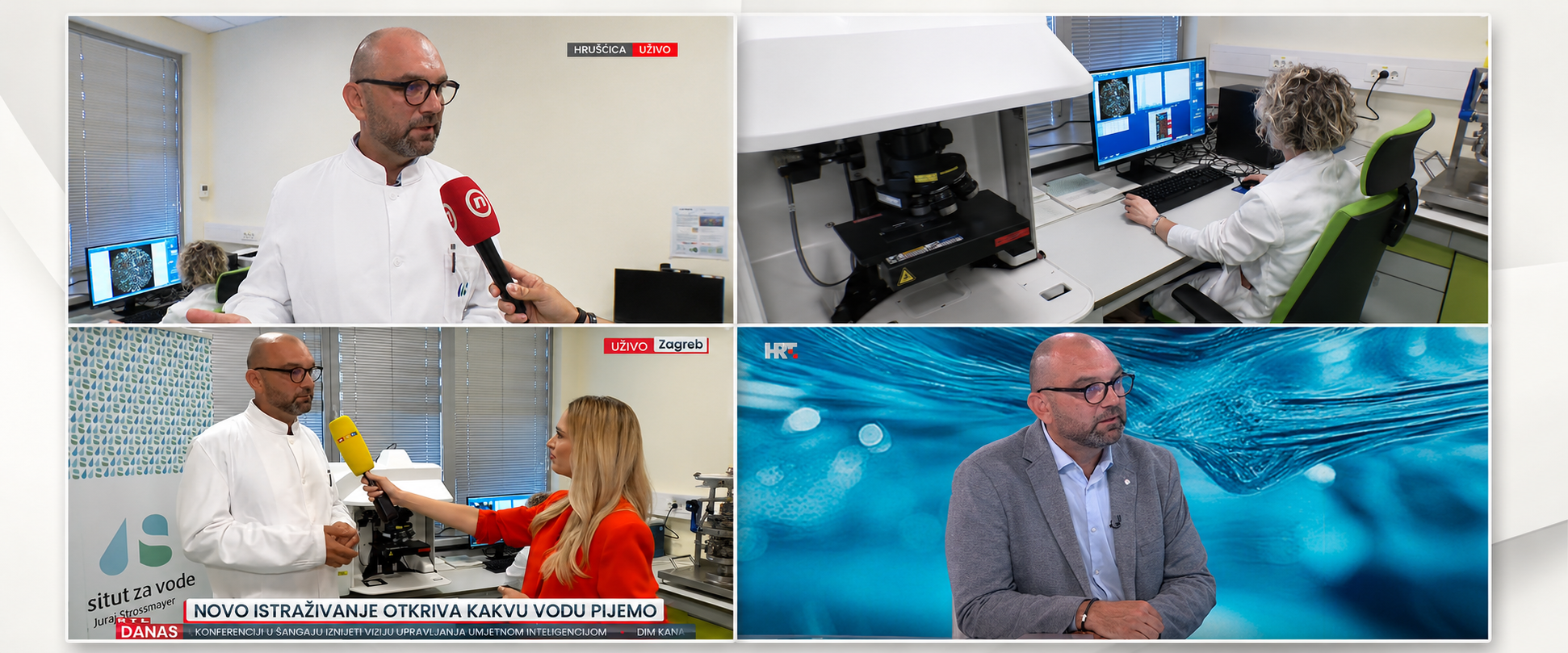
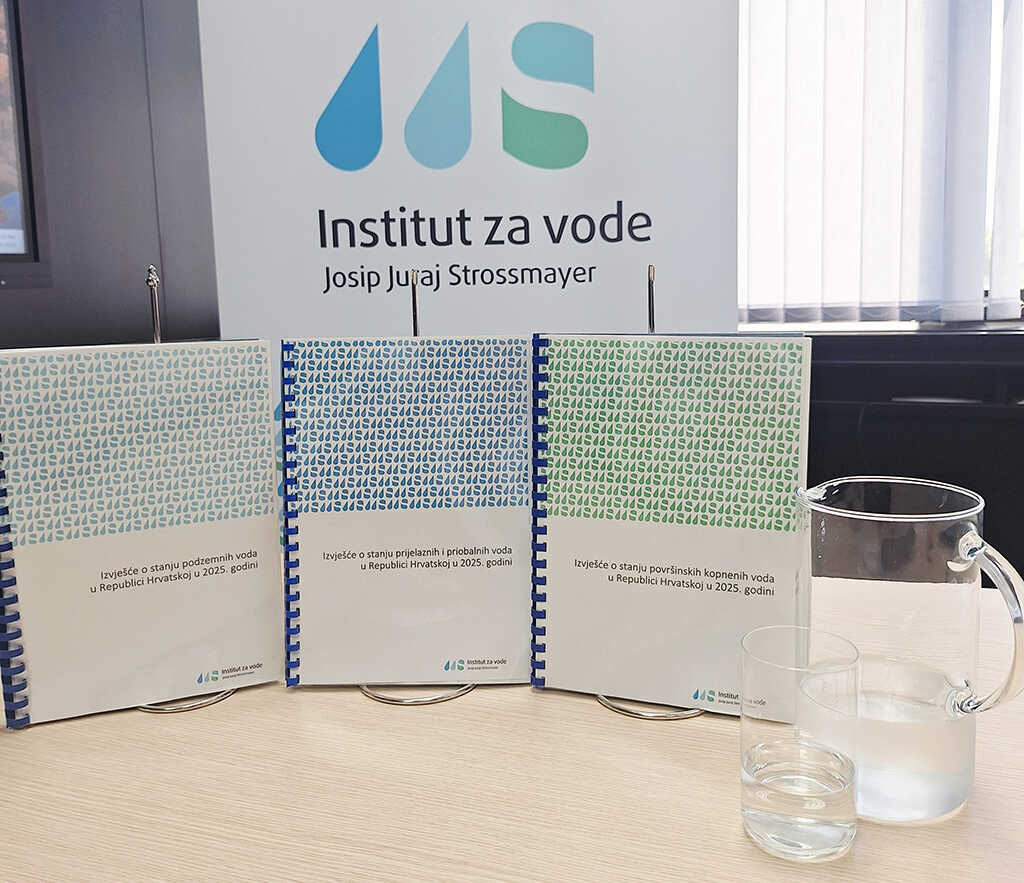
For this reason, water protection is one of the fundamental issues of environmental conservation. Understanding the connection between land and water, together with systematic monitoring and sustainable management, is essential to ensure the long-term availability and quality of this resource. In this context, the Josip Juraj Strossmayer Water Institute, through systematic monitoring of surface and groundwater in the Republic of Croatia, provides reliable data on water status and contributes to the development of measures for their protection and preservation.
Earth Day is an opportunity to remind ourselves that water and land are inseparably connected, and that by protecting water, we are also safeguarding the environment as a whole and the very foundation of life on our planet.