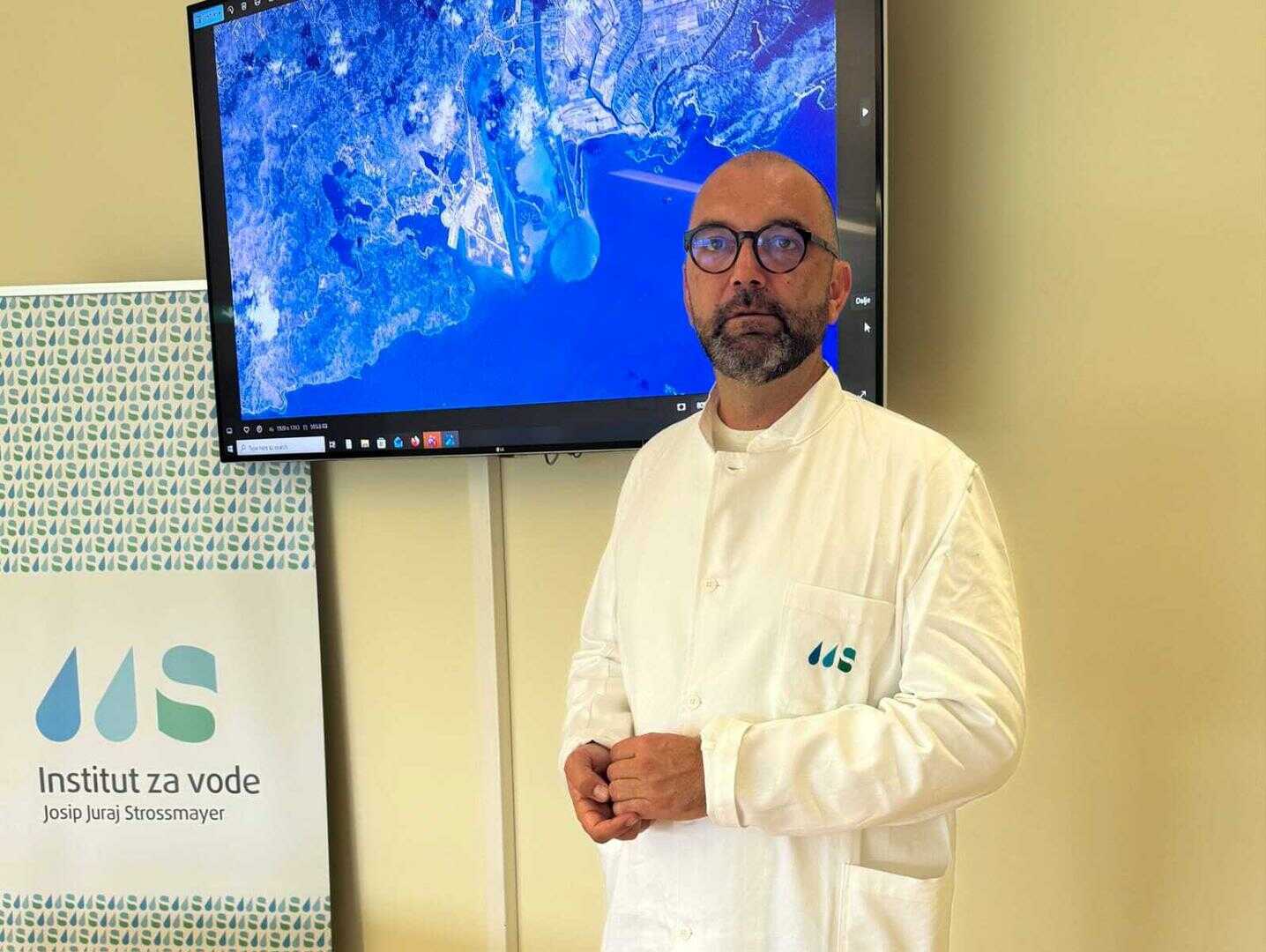
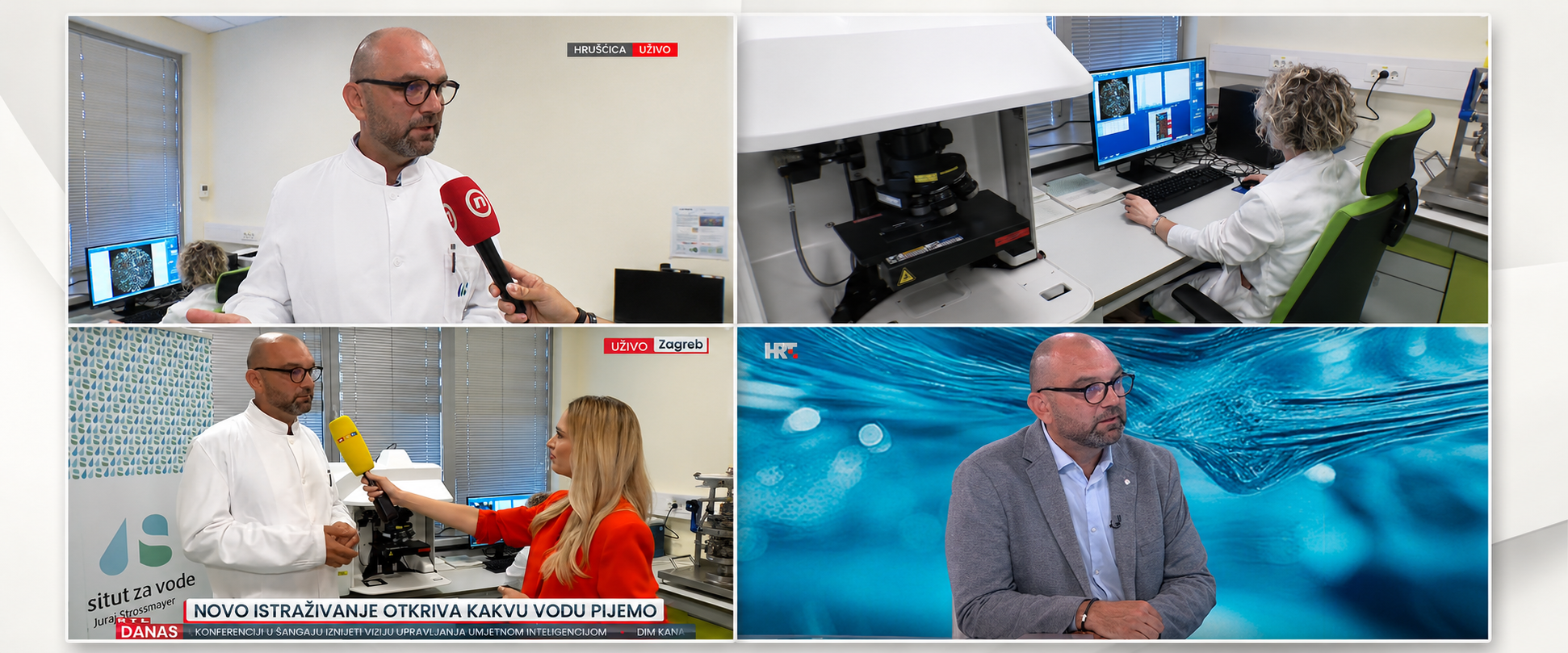
On the occasion of Earth Day, Večernji list published an interview with Dr. Mario Šiljeg, Director of the Josip Juraj Strossmayer Water Institute, addressing the impact of interventions in the Trebišnjica River Basin on the hydrological regime of the Neretva River.
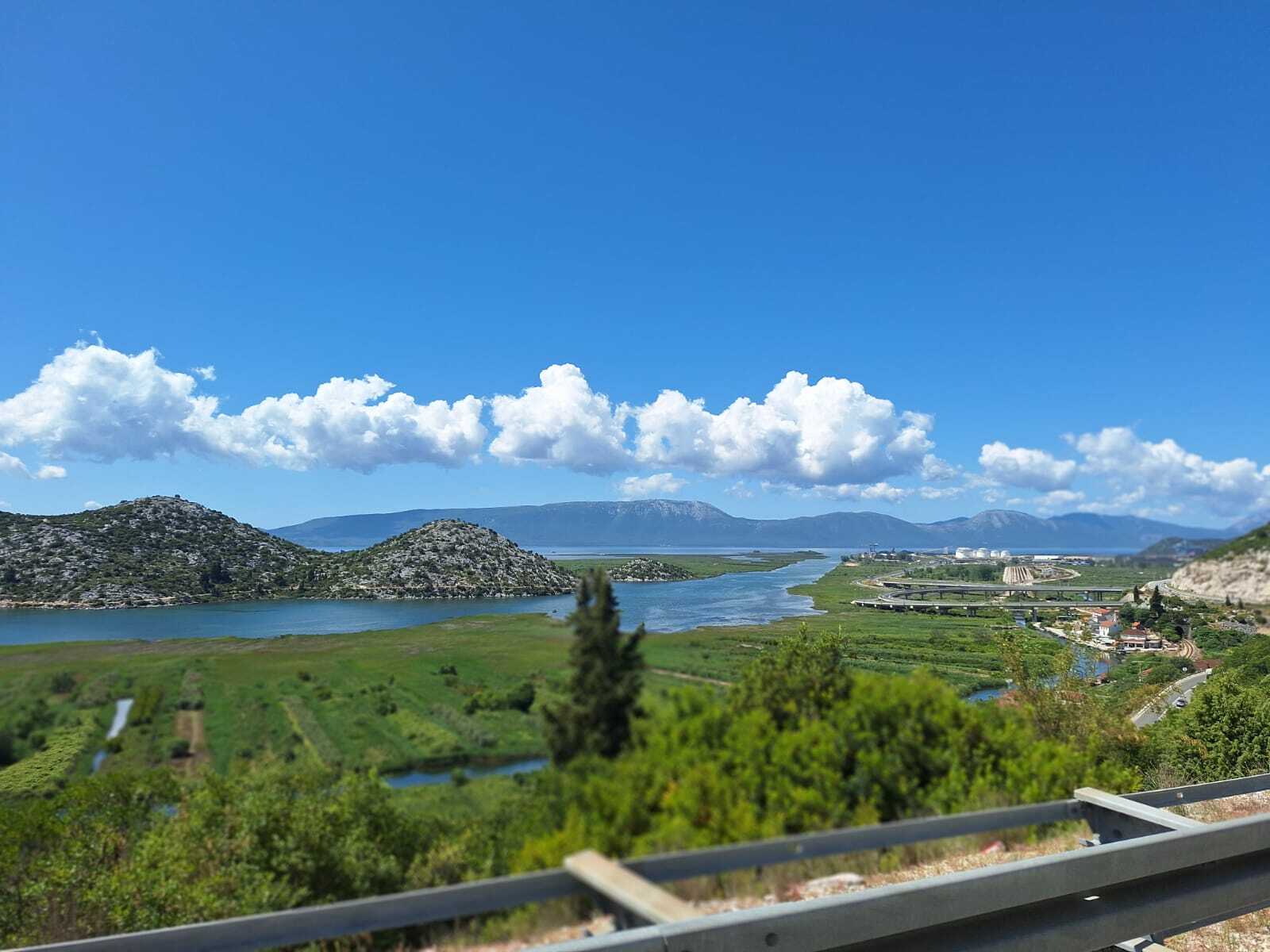
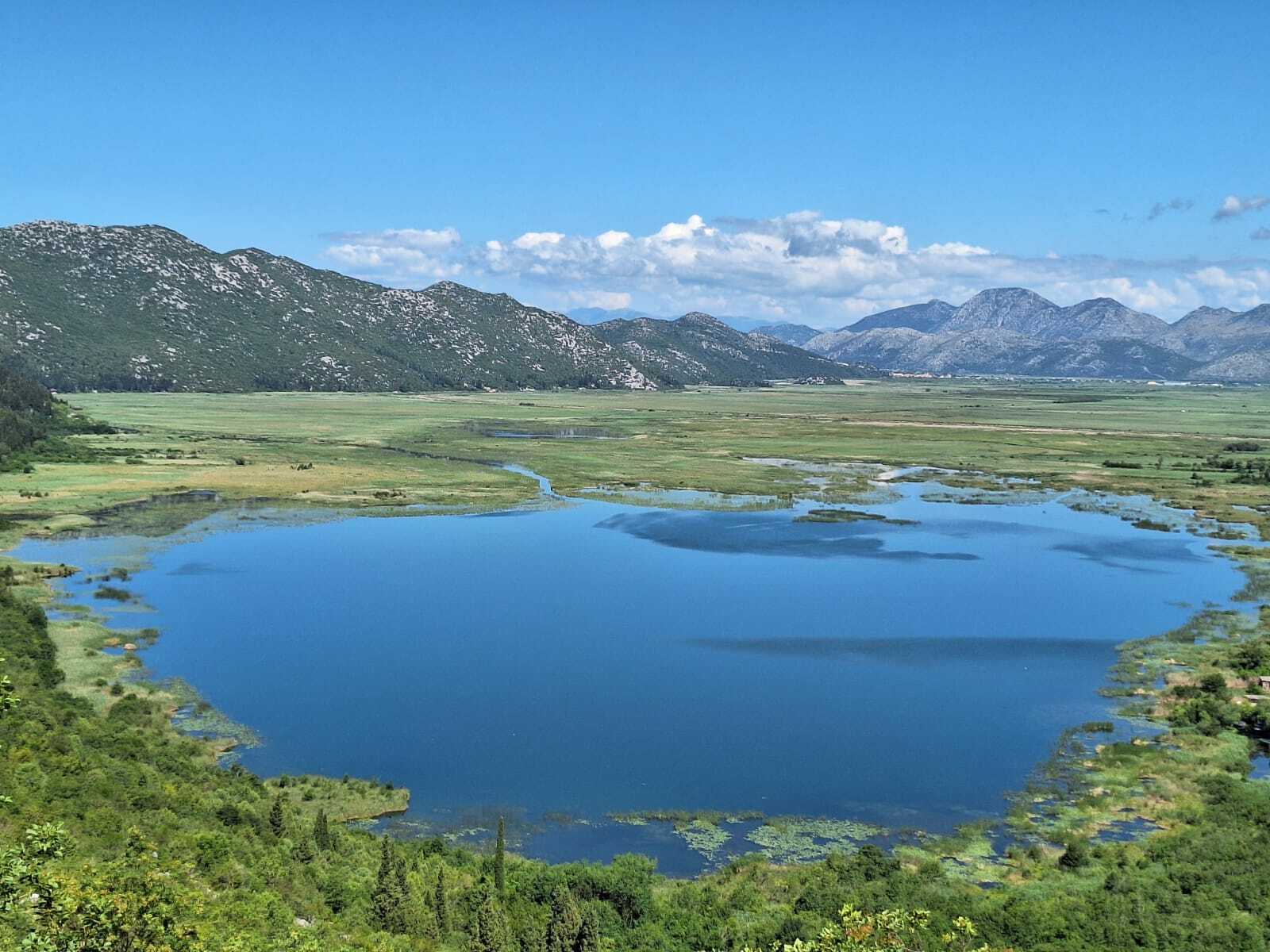
The focus of the discussion is the “Upper Horizons” system, a continuation of the development of a broader hydrotechnical system aimed at diverting part of the waters from the Neretva basin toward the Trebišnjica River. Due to this hydrological connection, the impacts of such interventions do not remain confined to the construction site but extend downstream, including the lower Neretva region within the Republic of Croatia.
The article emphasizes that some of the consequences of existing interventions are no longer theoretical assumptions but have been confirmed through long-term monitoring and expert analyses. Changes in the hydrological regime, reduced water inflow, and degradation of water-dependent ecosystems point to the sensitivity of the entire system, particularly within karst environments.
An additional challenge lies in the fact that the planned interventions are taking place in an area already under pressure from climate change and rising sea levels. In the lower Neretva region, this is already evident through the salinization of soil and water, with direct consequences for agriculture and water supply.
The importance of international mechanisms was also highlighted, particularly the procedure under the Espoo Convention, through which the Republic of Croatia ensures participation in assessment procedures and requests full transparency of the project.
At the same time, concrete adaptation measures are being implemented. The project aimed at protection against salinization in the Neretva Valley demonstrates that this is an ongoing process requiring active management.
This issue clearly demonstrates that water management extends beyond national borders and becomes a matter of shared responsibility, in which reliable data and systematic monitoring play a crucial role.
For more information, the full article is available in Večernji list.