Plitvice Lakes National Park, one of the most renowned and valuable natural areas in Croatia, celebrates the anniversary of its establishment on April 8. This unique system of lakes and waterfalls was declared a national park in 1949, marking the beginning of its systematic protection and conservation.
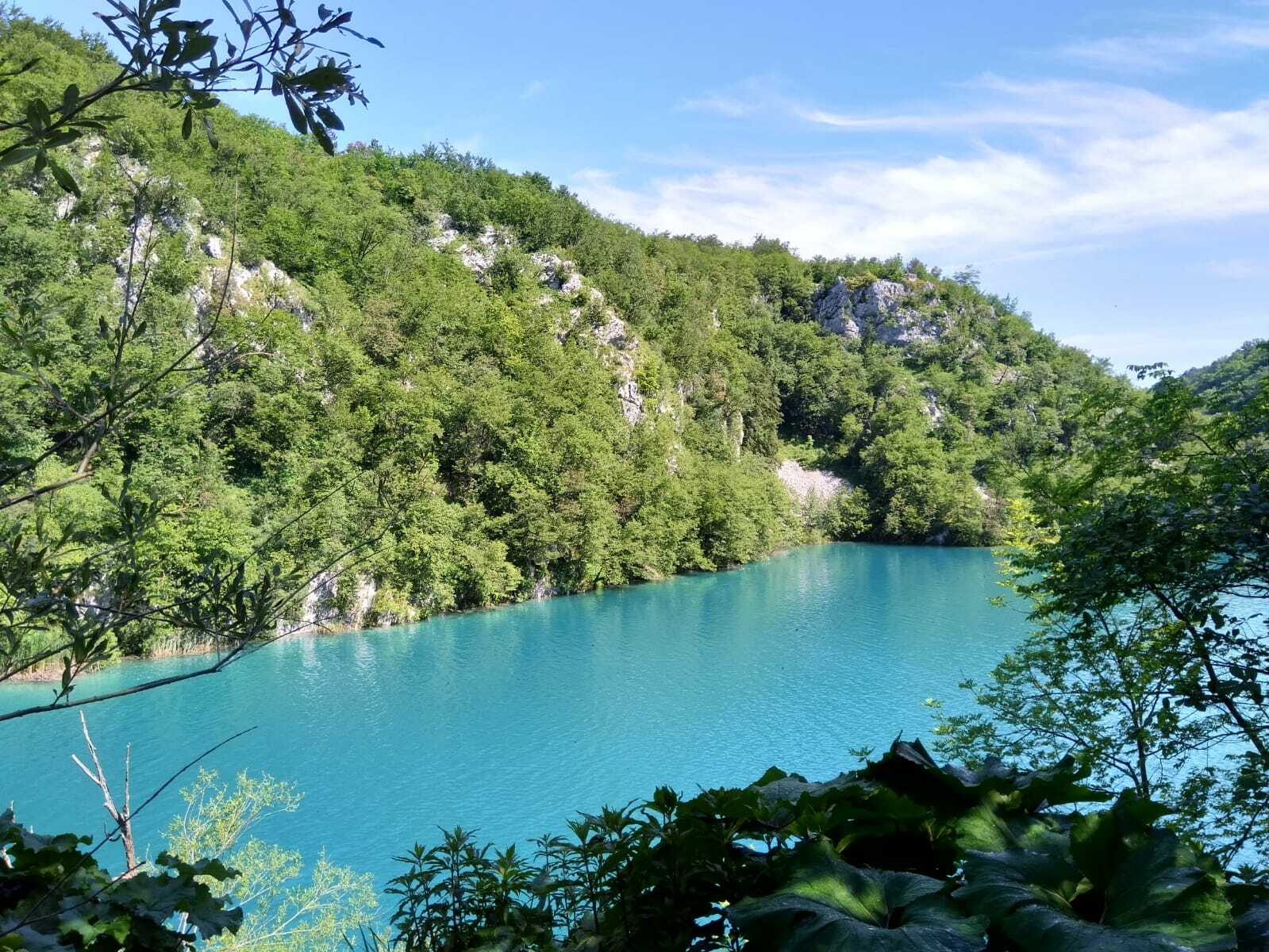
Located between the mountain ranges of Mala Kapela and Lička Plješivica, the Plitvice Lakes consist of a series of 16 interconnected lakes cascading over tufa barriers and forming their distinctive waterfalls. This natural phenomenon is the result of the long-term process of tufa deposition, which is fundamental to the formation and development of the entire system.
Tufa is formed through the action of water rich in dissolved carbonates, with microorganisms, algae, and mosses playing an important role in the process. Owing to these natural mechanisms, the Plitvice Lakes are constantly changing—tufa barriers continue to grow, new waterfalls emerge, and the landscape is gradually reshaped. This continuous dynamism makes the area both unique and exceptionally sensitive as an ecosystem.
In addition to their geomorphological significance, the Plitvice Lakes area is also characterized by a high level of biodiversity. Preserved forest communities, diverse habitats, and the richness of plant and animal species place this area among the most important natural sites in Europe. Due to its exceptional value, the Plitvice Lakes were inscribed on the UNESCO World Natural Heritage List in 1979.
Preserving such a system requires continuous monitoring and responsible management. Changes in water quality, climate impacts, and tourism pressures may affect tufa deposition processes and the stability of the ecosystem.
In this context, the Josip Juraj Strossmayer Water Institute participates in water status monitoring through systematic surface water monitoring at monitoring stations within the park itself, as well as in the surrounding karst rivers. By analysing physical-chemical and biological indicators, reliable data are obtained that contribute to preserving water quality and ensuring the long-term protection of this valuable natural system.
The anniversary of the establishment of the Plitvice Lakes is an opportunity to remind ourselves of the importance of their protection, but also of the responsibility we all share in preserving our natural heritage.